

Choosing the bhutan good time to visit requires understanding the Kingdom’s distinct seasons, cultural calendar, and how weather patterns shift across its dramatic elevations. From the subtropical southern valleys to the snow-capped northern peaks, Bhutan experiences microclimates that can make timing essential for your experience. Whether you prioritize clear mountain views, vibrant festivals, or fewer crowds, each season offers unique advantages that cater to different travel preferences and objectives.
Understanding Bhutan’s Seasonal Climate Patterns
Bhutan’s climate varies dramatically by elevation and geography, creating distinct windows for different experiences. The country experiences four primary seasons, each bringing characteristic weather that influences accessibility, visibility, and the overall visitor experience.
Spring Season: March Through May
Spring emerges as one of the most popular periods and represents a prime bhutan good time to visit for multiple reasons. Temperatures climb comfortably into the 15-25°C range in the valleys, while higher elevations remain crisp but accessible. This season brings spectacular rhododendron blooms across the mountainous regions, painting hillsides in vibrant crimson, pink, and white.
The clear skies following winter make spring ideal for trekking and mountain viewing. Visibility remains excellent for photographing the Himalayan peaks, and trails that were snow-covered during winter become accessible. Rainfall remains minimal until late May, when pre-monsoon showers begin appearing.
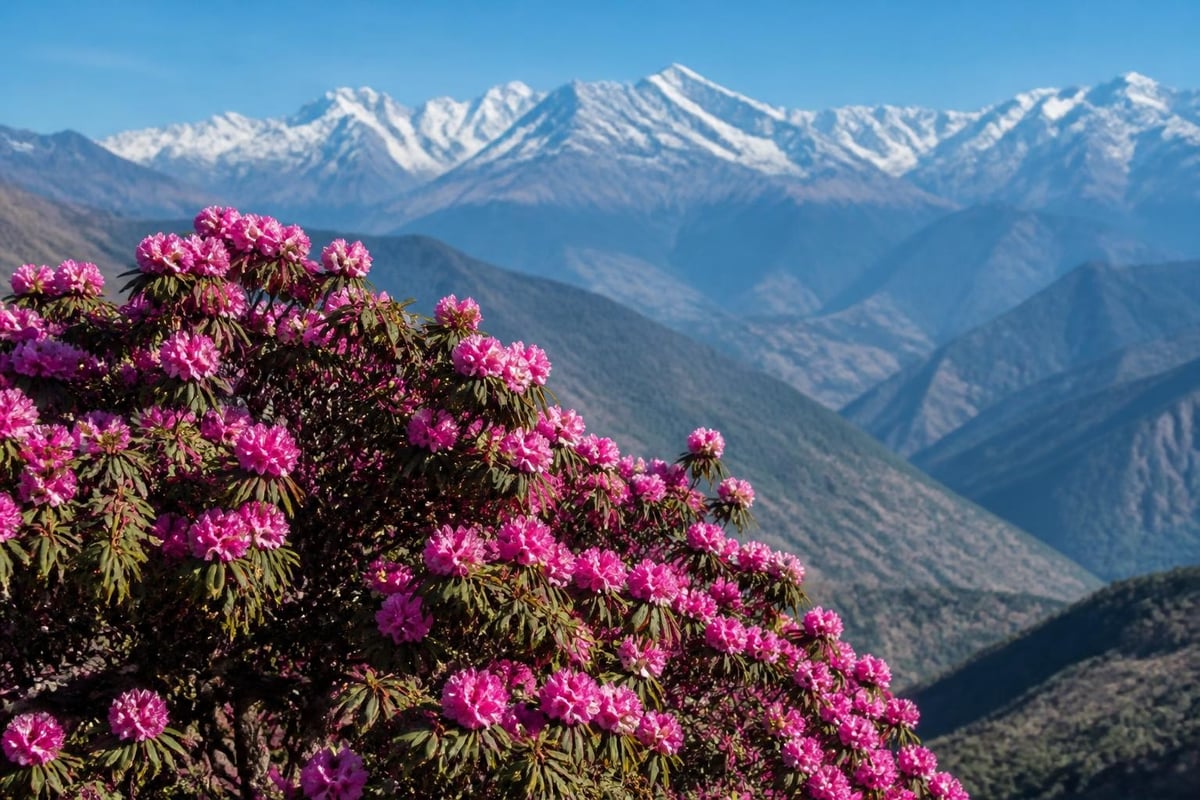
For those planning trekking adventures, spring offers the perfect combination of accessible trails and comfortable temperatures. Popular routes like the Druk Path and Jomolhari treks see increased activity, though they rarely feel crowded compared to other Himalayan destinations.
Summer and Monsoon: June Through August
The monsoon season brings significant rainfall from June through August, particularly affecting southern and central regions. According to environmental data compiled by Bhutan’s Ministry of Industry, these months can receive 60-90% of annual precipitation, with July typically experiencing peak rainfall.
Despite the rain, summer shouldn’t be dismissed entirely when considering the bhutan good time to visit. The monsoon transforms the landscape into a lush green paradise, valleys burst with wildflowers, and waterfalls cascade dramatically down mountain faces. Agricultural festivals and farming activities create authentic cultural encounters rarely experienced during peak tourist seasons.
|
Summer Advantages |
Summer Challenges |
|---|---|
|
Lush, verdant landscapes |
Heavy rainfall, especially afternoons |
|
Lower tourist numbers |
Potential road disruptions |
|
Vibrant agricultural activities |
Limited mountain visibility |
|
Better accommodation availability |
Leeches on lower-elevation trails |
|
More intimate cultural experiences |
Humidity in valleys |
Visitors during this period should pack quality rain gear and maintain flexible itineraries. The Western Bhutan regions like Paro and Thimphu experience somewhat less rainfall than eastern districts, making them relatively better choices if traveling during monsoon months.
Autumn Excellence: September Through November
Autumn represents the peak bhutan good time to visit for most travelers. Post-monsoon clarity delivers crystalline skies, spectacular mountain panoramas, and comfortable daytime temperatures ranging from 10-20°C in the valleys. The air feels crisp and clean, with humidity levels dropping significantly after the monsoon’s departure.
This season coincides with Bhutan’s most significant festival period. Major tsechus (religious festivals) occur throughout the country, offering unparalleled opportunities to witness masked dances, receive blessings, and engage with Bhutanese spiritual traditions. The 2026 festival calendar shows major celebrations in Thimphu, Paro, and other districts concentrated between September and November.
The Paro Tsechu, typically held in spring, and autumn festivals like Thimphu Tsechu draw both domestic and international visitors. These events provide genuine cultural immersion rather than tourist performances, making them invaluable for understanding Bhutanese Buddhism and community life.
Autumn also delivers ideal trekking conditions. Clear weather, stable temperatures, and dry trails make this the preferred season for challenging high-altitude routes. Visibility remains exceptional for mountain photography, and the harvest season adds golden hues to terraced rice fields across the valleys.
Winter Serenity: December Through February
Winter months deserve serious consideration when evaluating the bhutan good time to visit, particularly for travelers seeking solitude and dramatic mountain scenery. While temperatures drop significantly, especially at night and in higher elevations, the crystal-clear skies provide the year’s best visibility of the Himalayan range.
Daytime temperatures in valleys like Punakha and Paro remain comfortable, often reaching 12-18°C in sunny conditions. The lower tourist volume means more personalized attention, better accommodation availability, and authentic interactions with locals who have more time to engage with visitors.
Festival Timing and Cultural Considerations
Bhutan’s festival calendar significantly influences the bhutan good time to visit for culturally focused travelers. These religious celebrations offer windows into spiritual practices, artistic traditions, and community bonds that define Bhutanese society.
Major Festival Periods
-
Spring festivals: Paro Tsechu (dates vary by lunar calendar), typically March or April
-
Autumn festivals: Thimphu Tsechu (September/October), Punakha Drubchen and Tsechu (February/March)
-
Winter celebrations: Black-Necked Crane Festival in Gangtey (November)
-
Regional events: Jomolhari Mountain Festival, celebrating highland culture
The official 2026 festivals calendar provides specific dates, though lunar calendar variations mean confirming timing closer to travel dates remains advisable. Planning around these events requires booking well in advance, as accommodation near festival locations fills quickly.
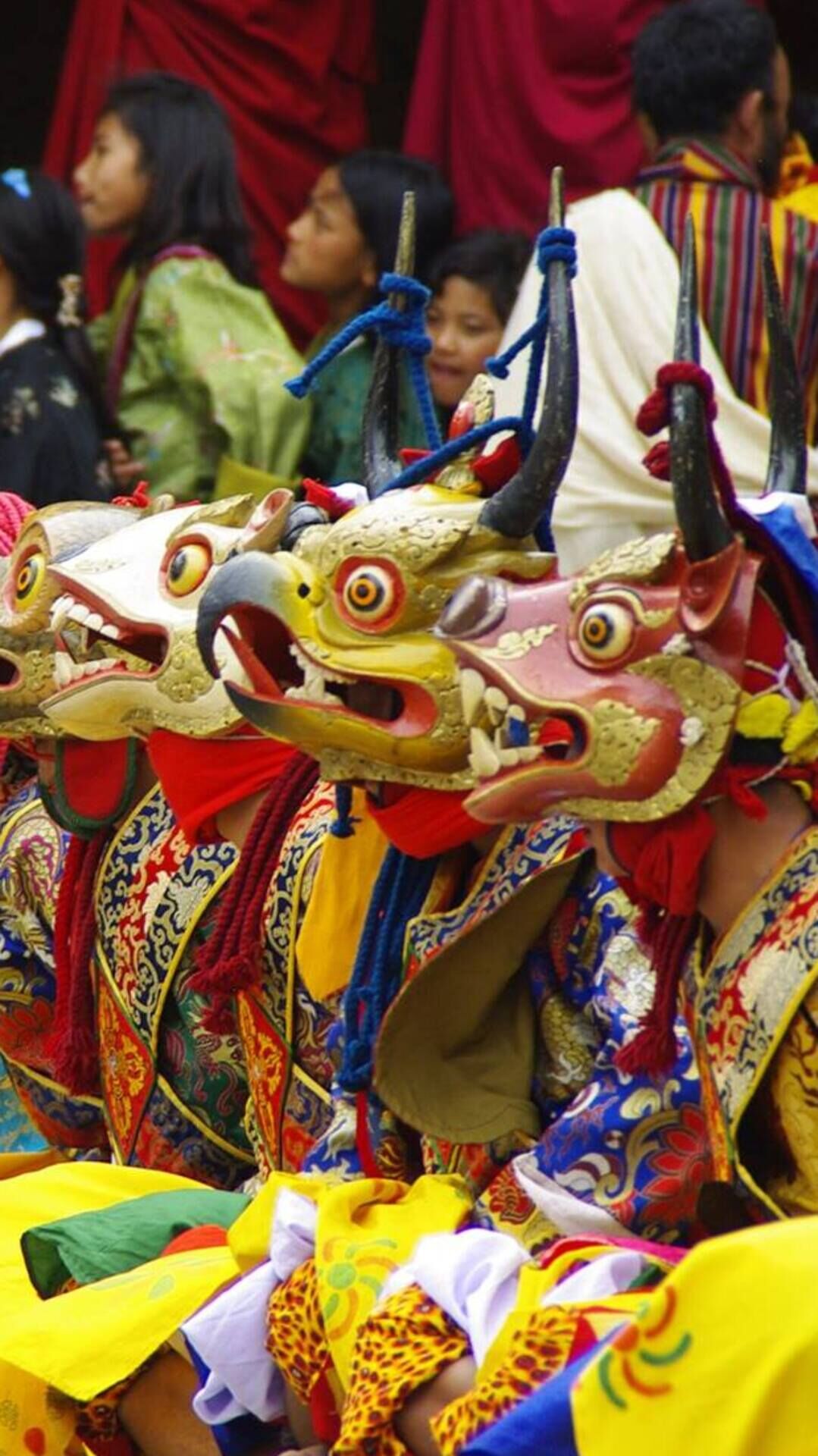
Understanding that festivals operate on the lunar calendar means flexibility in travel dates. Working with experienced guides who monitor religious calendars ensures you won’t miss these transformative experiences. The 6 nights Western Bhutan amusement itinerary, for example, can be timed to coincide with valley festivals while incorporating monastery visits and conversations with monks about Buddhist happiness philosophy.
Beyond the Major Festivals
Smaller, regional celebrations often provide more intimate cultural encounters. Village festivals, temple anniversaries, and local ceremonies occur throughout the year, offering authentic experiences without the crowds that attend major tsechus. These events rarely appear in official calendars, making local knowledge invaluable for timing your visit.
Wildlife and Nature Viewing Seasons
For nature enthusiasts, determining the bhutan good time to visit depends on target species and ecosystems. Bhutan’s remarkable biodiversity creates year-round opportunities, though certain seasons favor specific wildlife encounters.
Birdwatching Seasons
Spring migration (March-May) brings numerous Himalayan species to lower elevations, making it prime time for birding. Endemic species like the White-bellied Heron and rare raptors become more visible. The natural vegetation zones support over 770 bird species, with seasonal movements creating varying opportunities.
Winter crane migration represents a unique spectacle. Black-necked cranes arrive in the Phobjikha Valley from late October through February, with peak numbers in November. These endangered birds migrate from Tibetan breeding grounds, and witnessing their arrival has become a celebrated event marked by the annual crane festival.
Flora and Botanical Interest
Botanical enthusiasts find spring irresistible for alpine flower blooms. Rhododendron forests explode with color from March through May, while rare orchids and medicinal plants emerge following monsoon rains. Each elevation zone hosts distinct plant communities, creating vertical gardens across Bhutan’s mountains.
Practical Planning Considerations
Beyond weather and events, several practical factors influence the bhutan good time to visit in 2026. Entry requirements, flight availability, and advance planning timelines all play crucial roles.
Visa and Entry Requirements
All visitors (except Indian, Bangladeshi, and Maldivian nationals) require visas processed through licensed tour operators. The visa application process typically requires 7-10 working days, though applying earlier prevents complications. Peak season applications may experience delays, making the 3-4 week advance application advisable.
The official Visit Bhutan portal provides current entry requirements and sustainable development fee information. Understanding these requirements helps determine realistic booking timelines for your preferred travel dates.
Flight Availability and Access
Bhutan’s primary international gateway, Paro International Airport, serves limited routes operated mainly by Drukair and Bhutan Airlines. Flight schedules vary seasonally, with increased frequency during peak autumn and spring months.
Winter months see reduced flight frequency, particularly on certain routes. Summer monsoons occasionally cause flight delays or cancellations due to weather conditions in Paro’s challenging mountain approach. Building flexibility into arrival and departure dates prevents monsoon-season stress.
Health and Safety Timing
The UK Foreign Office travel advice for Bhutan notes the country’s excellent safety record and low health risks. However, seasonal considerations exist. Altitude sickness affects visitors year-round but becomes more manageable in spring and autumn when gradual acclimatization in comfortable temperatures proves easier than winter’s cold or summer’s heat.
Photography and Special Interest Travel
Photographers and content creators face unique timing considerations when determining the bhutan good time to visit. Light quality, weather stability, and regulatory requirements all factor into optimal planning.
Photography Seasons
Autumn’s clarity delivers the year’s best conditions for landscape and mountain photography. Post-monsoon skies provide deep blues, excellent contrast, and minimal haze. Early morning and late afternoon light remains warm and directional, ideal for architectural and cultural photography.
Spring offers vibrant foreground interest with blooming flora but occasionally carries atmospheric haze from agricultural burning in neighboring regions. Winter provides stark, dramatic lighting but requires managing challenging contrast between snow-covered peaks and shadowed valleys.
Filming and Drone Regulations
Professional photographers and filmmakers must navigate Bhutan’s filming regulations, which detail permitting requirements and fees. Drone usage requires advance registration with the Bhutan Civil Aviation Authority, with applications processed before arrival.
These regulatory timelines influence the bhutan good time to visit for media production. Applications require several weeks for processing, and certain restricted zones prohibit drone operations entirely. Planning film-focused travel demands longer lead times than standard tourism.
Activity-Specific Timing Recommendations
Different activities optimize during specific seasons, allowing travelers to align interests with ideal conditions.
Trekking Windows
|
Trek Difficulty |
Optimal Months |
Secondary Window |
Avoid |
|---|---|---|---|
|
Moderate valley treks |
March-May, Sept-Nov |
Dec-Feb (lower elevations) |
June-Aug |
|
High-altitude routes |
April-May, Sept-Oct |
March, November |
Nov-March, June-Aug |
|
Winter treks |
Dec-Feb |
Nov, March |
June-Aug |
|
Monsoon treks |
June-Aug (for experienced only) |
May, September |
Not recommended for beginners |
The Punakha Winter Trek and Gangtey Trek demonstrate how route selection matches seasonal conditions. Lower-elevation winter routes avoid heavy snow while delivering solitude and clarity.
Cultural Immersion Timing
Travelers prioritizing authentic cultural exchange find winter and early spring advantageous. Agricultural communities complete harvest work, religious ceremonies occur without tourist crowds, and locals have more availability for meaningful conversations. The slower pace allows deeper engagement with Gross National Happiness philosophy and Buddhist practices.
Adventure Activities
Mountain biking conditions peak in autumn and spring when trails dry out but temperatures remain comfortable. The mountain biking routes through valleys and over mountain passes require stable weather and good visibility for safety.
Fishing enthusiasts targeting Himalayan trout find optimal conditions from March through May and September through November, when rivers run clear but not too cold. Water levels stabilize post-monsoon, making autumn particularly productive for anglers.
Regional Variations Across Bhutan
The bhutan good time to visit varies by region due to elevation and geographic differences. Understanding these variations allows targeting specific areas during their optimal windows.
Western Bhutan
Western districts including Paro, Thimphu, and Punakha experience the country’s mildest climate. These valleys remain accessible year-round, with winter temperatures rarely becoming prohibitive. Autumn and spring deliver ideal conditions, but winter visits to Punakha’s subtropical climate provide pleasant respite from colder northern areas.
Central Bhutan
Central regions like Bumthang and Trongsa sit at higher elevations, creating cooler conditions year-round. Winter brings significant cold, making spring through autumn the practical visiting window. The Bumthang valley shines during autumn harvest season and summer festivals.
Eastern Bhutan
Eastern districts receive heavier monsoon rainfall and remain less developed for tourism infrastructure. Spring and autumn provide the most reliable conditions, though the region’s remoteness means fewer visitors year-round. This creates opportunities for authentic experiences during shoulder seasons.
Crowd Levels and Tourism Patterns
Understanding tourist volume patterns helps travelers seeking either social interaction or solitude determine the bhutan good time to visit based on personal preferences.
Peak Season Dynamics
October and November represent absolute peak season, when festivals, weather, and trekking conditions align perfectly. Accommodation in festival locations books months ahead, and popular sites see their highest visitor numbers. However, “crowded” in Bhutan remains relative given the country’s sustainable tourism model limiting overall visitor numbers.
Shoulder Season Advantages
March, April, and early December offer shoulder season benefits. Weather remains excellent, tourist numbers drop slightly from peak, and accommodation flexibility increases. These periods deliver near-peak conditions with fewer logistical constraints.
Off-Season Opportunities
January, February, June, and July represent true off-season. Summer’s monsoon deters many visitors despite the season’s unique charm, while deep winter’s cold limits appeal. Travelers during these months gain exceptional personalized attention, better rates, and authentic local interaction.
Making Your Final Decision
Determining the bhutan good time to visit ultimately depends on weighing priorities against constraints. Budget considerations, vacation availability, specific interests, and tolerance for weather variability all factor into optimal timing.
Creating a priority hierarchy helps clarify decision-making. Rank importance of factors like festival attendance, trekking conditions, photography opportunities, crowd levels, and budget flexibility. This hierarchy reveals which seasons align with your non-negotiable requirements versus nice-to-have preferences.
Working with experienced guides who know regional variations, festival calendars, and seasonal nuances ensures your timing maximizes experience quality. Their insights about micro-seasons, weather windows, and local events provide knowledge impossible to glean from general research.
Consider building flexibility into travel dates when possible. A few days’ variation can mean catching a regional festival, avoiding a weather front, or accessing a trek that just became passable. This flexibility transforms good timing into exceptional timing.
Selecting the ideal season for your Bhutan journey requires balancing weather conditions, cultural events, activity requirements, and personal preferences across the Kingdom’s diverse regions and elevations. Whether you prioritize crystal-clear mountain views, vibrant festival immersion, or quiet contemplation in sacred spaces, understanding seasonal variations ensures your experience matches your vision. Bhutan Personal Tours and Treks specializes in crafting personalized itineraries that align with optimal timing for your specific interests, drawing on decades of guiding experience to ensure every element of your journey receives proper attention and authentic cultural engagement.