
The landscape of solo travel has transformed dramatically over the past decade, with more individuals seeking meaningful adventures on their own terms. According to industry analysis from Skift Research, solo and experience-driven travel continues to rise as travelers prioritize authentic cultural engagement over traditional package tours. This shift has created a robust market for solo travel companies that specialize in crafting personalized itineraries while providing the security and logistical support independent travelers need. Understanding how these companies operate and what distinguishes exceptional service from standard offerings can make the difference between a transformative journey and a missed opportunity.
Understanding the Solo Travel Company Model
Solo travel companies serve a unique niche in the tourism industry by addressing the specific challenges independent travelers face. These organizations bridge the gap between completely self-planned adventures and rigid group tours, offering structured support while maintaining flexibility for personal exploration.
What Sets These Companies Apart
The fundamental value proposition revolves around three core elements: safety infrastructure, local expertise, and social opportunities. Unlike traditional tour operators that focus on moving large groups efficiently through predetermined itineraries, specialized solo travel companies design experiences around individual preferences while building in connection points with fellow travelers and local communities.
Key differentiators include:
-
Personalized pre-trip consultations to understand travel goals
-
Flexible itineraries that accommodate spontaneous interests
-
Access to local guides with deep cultural knowledge
-
Small group sizes or private arrangements that prevent overwhelm
-
24/7 support systems for emergencies and questions
Research published in peer-reviewed studies on female solo travelers demonstrates that perceived safety and local knowledge significantly influence destination choice. Companies that emphasize these elements attract travelers who want independence without isolation.
Categories of Solo Travel Companies
The market segments into distinct categories, each serving different traveler profiles and preferences. Understanding these divisions helps identify which type aligns with your travel style and expectations.
Group Tours for Solo Travelers
These companies organize scheduled departures where individuals join small groups of fellow solo travelers. The model provides built-in social opportunities while sharing costs for guides, transportation, and accommodations.
|
Advantage |
Consideration |
|---|---|
|
Instant social connections |
Fixed departure dates |
|
Cost-effective pricing |
Less schedule flexibility |
|
Pre-vetted itineraries |
Group pace may not match yours |
|
Shared experiences |
Shared decision-making required |
Private Custom Operators
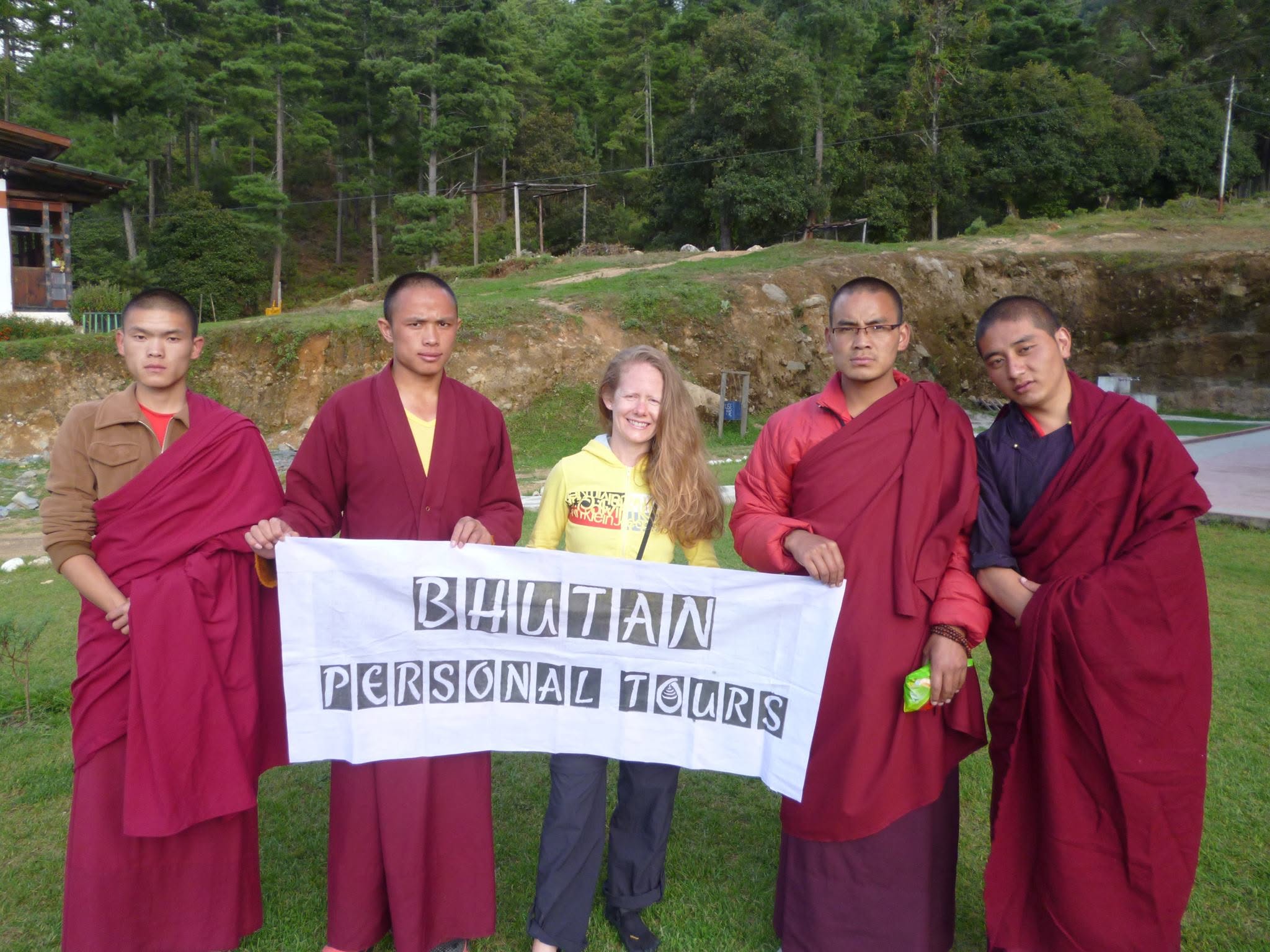
Boutique operators focus on creating completely personalized experiences for individual travelers. This category includes specialists in specific destinations who leverage deep local connections to craft unique itineraries. Bhutan Personal Tours and Treks exemplifies this approach, taking one group at a time to ensure personal attention and excellent organization while connecting travelers with local experts on specialized subjects.
Adventure and Activity-Focused Companies
These organizations center their offerings around specific activities such as trekking, cycling, photography, or wildlife observation. Solo travelers join others who share their particular interest, creating natural bonding opportunities through shared passion rather than forced socialization.
Women-Only Travel Companies
A growing segment addresses the specific needs and concerns of female solo travelers. Comprehensive academic research highlights how women-focused companies reduce perceived risk while creating supportive environments for exploration and personal growth.
Evaluating Solo Travel Companies
Selecting the right company requires systematic evaluation across multiple dimensions. Surface-level marketing rarely reveals the quality of actual service delivery or cultural authenticity.
Operator Credentials and Experience
Start with fundamental verification of legitimacy and expertise. How long has the company operated? What credentials do their guides hold? Are they licensed in their operating destinations?
Essential verification steps:
-
Check business registration and tourism licenses
-
Review guide qualifications and language capabilities
-
Examine insurance coverage for travelers and operators
-
Research the operator’s physical presence in destinations
-
Verify membership in professional tourism associations
For destination-specific operators, longevity matters significantly. A guide who has worked in Bhutan’s tourism industry since 2002, for example, brings knowledge that extends beyond guidebook facts into cultural nuance and authentic local connections.
Customization Capabilities
The best solo travel companies excel at balancing structure with flexibility. During initial consultations, assess how deeply they inquire about your interests, pace preferences, and travel goals.
Questions to ask:
-
Can I modify the suggested itinerary?
-
What happens if I want to spend extra time at a particular location?
-
How do you accommodate dietary restrictions or accessibility needs?
-
Can I mix independent exploration with guided experiences?
Cultural Authenticity and Local Impact
Truly exceptional companies prioritize cultural respect and positive local impact over simple sightseeing. They facilitate genuine interactions rather than staged performances for tourists.
Look for operators who:
-
Employ local guides and support staff
-
Partner with locally-owned accommodations and restaurants
-
Arrange meetings with artisans, monks, farmers, or other community members
-
Explain cultural protocols and etiquette thoroughly
-
Support local conservation or community development initiatives
When exploring destinations like Western Bhutan, the difference between superficial tourism and meaningful engagement often depends on the operator’s local relationships and cultural sensitivity.
Safety and Support Infrastructure
Safety concerns rank among the top considerations for solo travelers, particularly for first-time independent adventurers or those visiting unfamiliar regions. Effective solo travel companies build comprehensive support systems that provide security without feeling intrusive.
Communication Systems
Reliable communication infrastructure allows travelers to maintain independence while accessing help when needed. Modern operators provide:
-
24/7 emergency contact numbers with native-language speakers
-
WhatsApp groups or dedicated apps for real-time updates
-
Regular check-in protocols that respect privacy
-
Local SIM cards or portable WiFi devices
-
Clear escalation procedures for emergencies
Accommodation Standards
Solo traveler accommodation presents unique challenges, particularly regarding single supplements and safety. Quality companies negotiate room rates that minimize solo surcharges while ensuring secure, comfortable lodging.
Cost Considerations and Value Assessment
Solo travel companies vary dramatically in pricing structures, and understanding what drives costs helps distinguish value from overpricing. Transparent operators clearly itemize expenses and explain their service fees.
Pricing Models Explained
|
Model |
Description |
Best For |
|---|---|---|
|
All-inclusive |
Single price covers accommodations, meals, activities, guides |
Travelers wanting budget certainty |
|
Semi-inclusive |
Base price plus à la carte activity selection |
Those wanting flexibility in experiences |
|
Service fee only |
Flat fee for planning; travelers pay vendors directly |
Budget-conscious experienced travelers |
|
Commission-based |
Free planning; operator earns vendor commissions |
Travelers uncomfortable with planning fees |
Understanding True Value
The lowest price rarely delivers the best experience. Value assessment should consider the operator’s expertise, the quality of local partnerships, group size limitations, and included services.
A personalized journey through destinations like Central Bhutan costs more than a standard tour, but the investment yields deeper cultural understanding, exclusive access to knowledgeable local experts, and memories that transcend typical tourist experiences.
Calculate the true cost by including:
-
Time saved in research and booking
-
Stress reduction through expert logistics
-
Access to experiences unavailable to independent travelers
-
Quality of guides and cultural interpreters
-
Flexibility to adapt plans without penalty
Destination-Specific Expertise
Generic travel companies that operate globally rarely match the depth of knowledge offered by destination specialists. Regional experts understand seasonal variations, cultural calendars, and hidden opportunities that mass-market operators overlook.
The Specialist Advantage
Operators focused on specific regions develop relationships that transform travel experiences. They know which festival dates offer the most authentic cultural immersion, which monks welcome thoughtful conversations about Buddhist philosophy, and which valley views provide the most dramatic photo opportunities.
Benefits of destination specialists:
-
Real-time knowledge of current conditions and opportunities
-
Personal relationships with local guides and experts
-
Understanding of cultural nuances and appropriate behavior
-
Ability to arrange unique experiences unavailable through general channels
-
Quick problem-solving through established local networks
Regional vs. Global Operators
Global companies offer convenience and brand recognition but often deliver standardized experiences. Regional specialists provide cultural depth and authentic engagement that come from years of relationship-building within their communities.
For travelers interested in exploring concepts like Gross National Happiness beyond surface-level explanations, working with an operator who can facilitate conversations with professors and practitioners provides incomparably richer understanding than reading plaques at tourist sites.
Reading Reviews and Testimonials Effectively
Online reviews provide valuable insights but require critical evaluation. Not all feedback equally reflects operator quality or relevance to your travel style.
What to Look For in Reviews
Focus on detailed accounts that describe specific experiences rather than vague praise. Pay attention to how companies respond to criticism and whether they address legitimate concerns.
Valuable review elements include:
-
Descriptions of guide knowledge and personality
-
Examples of problem-solving when issues arose
-
Comments about cultural authenticity and local interactions
-
Details about communication before and during travel
-
Specific mentions of flexibility and personalization
Red Flags in Company Responses
How companies handle negative feedback reveals their professionalism and priorities. Warning signs include defensive responses, blaming travelers for problems, or dismissing legitimate concerns without addressing root causes.
Matching Company Culture to Your Travel Style
Solo travel companies develop distinct personalities that attract different traveler types. Some emphasize adventure and physical challenge, while others focus on cultural immersion, relaxation, or wildlife observation.
Activity-Based vs. Culture-Focused Operators
Adventure companies excel at organizing trekking expeditions with proper equipment, safety protocols, and experienced guides. Culture-focused operators prioritize interactions with local communities, historical understanding, and artistic engagement.
Consider your primary motivation:
-
Physical accomplishment and outdoor challenges
-
Deep cultural learning and human connection
-
Wildlife observation and natural beauty
-
Photography and artistic documentation
-
Spiritual exploration and personal growth
Pace and Schedule Preferences
Some travelers thrive on packed itineraries with early starts and multiple daily activities. Others prefer leisurely exploration with substantial free time for independent wandering, reflection, or rest.
Quality solo travel companies ask about pace preferences during planning and structure itineraries accordingly. A six-night journey through regions like Phobjikha can be designed as an intensive cultural immersion or a more relaxed exploration depending on individual preferences.
Sustainability and Responsible Tourism Practices
Forward-thinking solo travel companies prioritize environmental sustainability and positive community impact. These commitments reflect values that resonate with conscious travelers and ensure destinations remain viable for future visitors.
Environmental Practices
Responsible operators implement concrete measures to minimize environmental impact. This includes waste reduction, supporting conservation initiatives, and educating travelers about ecological sensitivities.
Questions to ask:
-
How do you minimize plastic waste during tours?
-
Do you support any local conservation projects?
-
What protocols exist for sensitive natural areas?
-
How are carbon emissions offset or reduced?
Community Benefit Models
The best companies ensure tourism benefits local communities directly through employment, purchasing from local businesses, and supporting community development projects. This approach creates sustainable tourism ecosystems where travelers and communities both benefit.
Look for operators who employ local guides, use locally-owned accommodations, source meals from local producers, and contribute to community initiatives. Understanding Bhutan’s tourism policy reveals how destination-level frameworks can align with operator-level practices to create mutually beneficial outcomes.

Booking Process and Contract Considerations
Once you’ve identified a promising solo travel company, the booking process provides final opportunities to assess professionalism and clarify expectations.
Essential Contract Elements
Every booking should include written documentation that clearly specifies services, costs, cancellation policies, and responsibilities. Review these documents carefully before committing.
Critical contract components:
-
Detailed itinerary with daily activities and accommodations
-
Complete cost breakdown including taxes and fees
-
Cancellation and refund policies with specific deadlines
-
Travel insurance requirements and recommendations
-
Emergency contact procedures and protocols
-
Terms for itinerary modifications
Payment Schedules and Security
Reputable companies use secure payment systems and reasonable deposit schedules. Be cautious of operators demanding full payment far in advance or only accepting untraceable payment methods.
Standard practice involves a deposit at booking (typically 20-30%), a larger payment 60-90 days before departure, and final payment 30 days before travel. This structure protects both parties while demonstrating the company’s financial stability.
Preparing for Your Solo Journey
After booking, preparation determines how smoothly your adventure unfolds. Good solo travel companies provide comprehensive pre-departure materials and remain accessible for questions.
Pre-Departure Communication
Expect detailed information about packing recommendations, visa requirements, health precautions, cultural etiquette, and contact procedures. Companies should also confirm all arrangements 7-10 days before departure and be available for last-minute questions.
Setting Realistic Expectations
The best experiences emerge when travelers understand what to expect while remaining open to surprises. Discuss potential challenges honestly with your operator, including physical demands, climate conditions, basic facilities, and cultural differences that may affect comfort levels.
For instance, travelers exploring Eastern Bhutan should understand that this region offers authentic cultural experiences with more basic infrastructure than western regions, creating unique opportunities for those willing to embrace rustic conditions.
Solo travel companies have evolved to meet the growing demand for personalized, authentic experiences that balance independence with expert support. The right operator transforms solo journeys from potentially isolating challenges into opportunities for profound cultural engagement, personal growth, and meaningful connections. Whether you’re drawn to cultural immersion, adventurous trekking, or spiritual exploration, Bhutan Personal Tours and Treks offers the personalized attention, local expertise, and authentic experiences that define exceptional solo travel, taking one group at a time to ensure you receive the dedicated guidance that makes exploration both safe and transformative.