
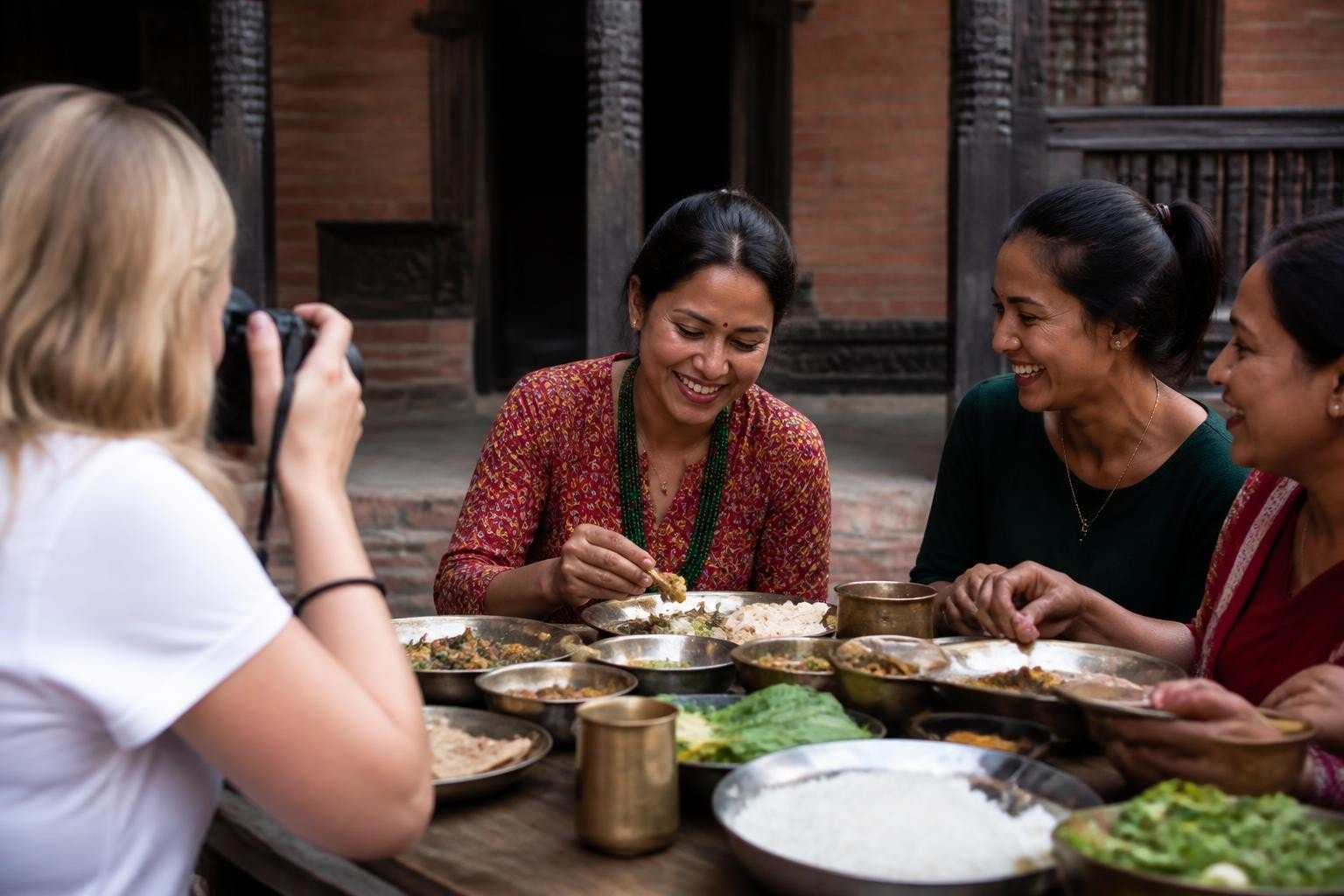
The modern traveler seeks more than photographs and checklists. Today’s journeys demand depth, connection, and meaning that transcends the superficial. As mass tourism saturates destinations worldwide, discerning visitors increasingly prioritize authentic experiences that forge genuine connections with places, people, and cultures. This shift reflects a broader understanding that travel’s true value lies not in ticking boxes but in moments of real engagement that transform both visitor and host community.
Understanding What Makes Experiences Authentic
Authenticity in travel represents a complex interplay of perception, context, and genuine cultural exchange. Psychological research on authenticity demonstrates that people experience authenticity when their external environment aligns with their internal values and when interactions feel unscripted and sincere. In tourism, this translates to experiences where visitors engage with actual local life rather than staged performances designed solely for tourist consumption.
The Psychology Behind Genuine Connection
Travelers recognize authentic experiences through several distinct qualities. First, they involve real people living their actual lives, not performers playing roles. Second, they occur in natural settings rather than purpose-built tourist zones. Third, they create opportunities for meaningful exchange where both parties contribute to the interaction.
The tourism industry’s evolution toward authenticity reflects changing consumer priorities. Visitors increasingly value:
-
Participation in daily activities with local families
-
Learning traditional skills from practicing artisans
-
Sharing meals prepared using ancestral recipes and methods
-
Conversations that reveal cultural values and worldviews
-
Access to places meaningful to communities, not just scenic viewpoints
These elements combine to create moments that feel real because they are real, unmediated by commercial packaging.
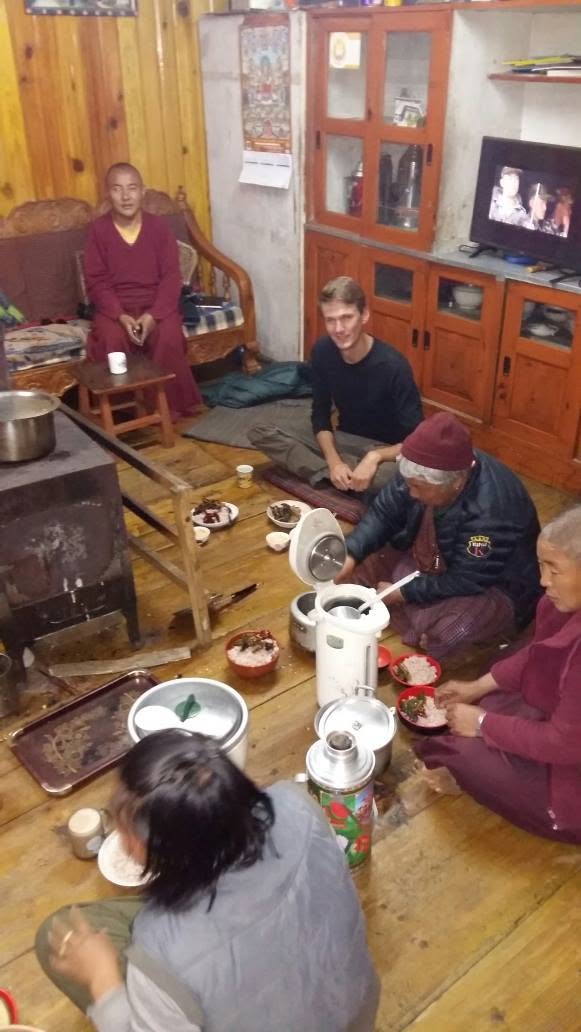
Designing Travel That Prioritizes Genuine Engagement
Creating authentic experiences requires intentional design and deep local knowledge. Tour operators who deliver genuinely meaningful journeys must understand both their destination’s cultural fabric and their clients’ desire for substantive connection. This balance distinguishes transformative travel from conventional tourism.
Small Group Dynamics and Personal Attention
Group size fundamentally impacts experience quality. When operators focus on one group at a time, they can customize interactions, adjust pacing to natural rhythms, and facilitate deeper engagement. Smaller numbers allow:
-
More intimate access to cultural practitioners and experts
-
Flexible itineraries that respond to emerging opportunities
-
Meaningful conversations rather than crowd management
-
Genuine hospitality from hosts not overwhelmed by volume
This approach aligns with UNWTO guidance on sustainable tourism that emphasizes visitor experience quality and community benefit over sheer numbers.
Connecting with Local Knowledge Holders
The most memorable authentic experiences emerge from connections with people who possess specialized knowledge or maintain traditional practices. In Bhutan, this might include monks discussing happiness from Buddhist perspectives, scholars explaining Gross National Happiness philosophy, or farmers demonstrating sustainable agricultural techniques passed through generations.
These interactions gain depth when facilitated by guides who understand both cultures involved. An experienced guide doesn’t merely translate language but bridges worldviews, helping visitors ask meaningful questions and interpret answers within proper cultural context.
|
Experience Type |
Authentic Version |
Staged Alternative |
|---|---|---|
|
Traditional meal |
Family kitchen, regular recipes, shared preparation |
Restaurant “cultural show,” simplified dishes |
|
Spiritual practice |
Monastery visit during actual ceremonies |
Performance scheduled for tourist groups |
|
Craft demonstration |
Artisan’s workshop, ongoing production |
Demonstration center, simplified techniques |
|
Cultural exchange |
Conversation with community members |
Scripted presentation by hired performers |
Regional Authenticity and Place-Based Experiences
Different regions offer distinct authentic experiences rooted in geography, history, and living traditions. Understanding these regional characteristics helps travelers choose destinations aligned with their interests and ensures meaningful engagement rather than generic tourism.
Western Bhutan’s Cultural Heartland
Western Bhutan concentrates many of the kingdom’s most significant cultural sites while maintaining active monasteries, traditional farming communities, and vibrant festival calendars. The region’s valleys each possess unique character shaped by elevation, climate, and historical development.
Phobjikha Valley exemplifies how landscape and culture intertwine. The valley serves as winter habitat for black-necked cranes, which local communities protect through Buddhist principles of compassion toward all living beings. Visitors who time their journey to witness crane migration also experience how spiritual values translate into conservation action.
Thoughtfully designed itineraries in this region create opportunities to engage with these layers of meaning. A journey that includes conversations with monastics about Buddhist happiness, discussions with scholars on governance philosophy, and participation in valley life reveals Bhutan’s depth beyond scenic beauty.
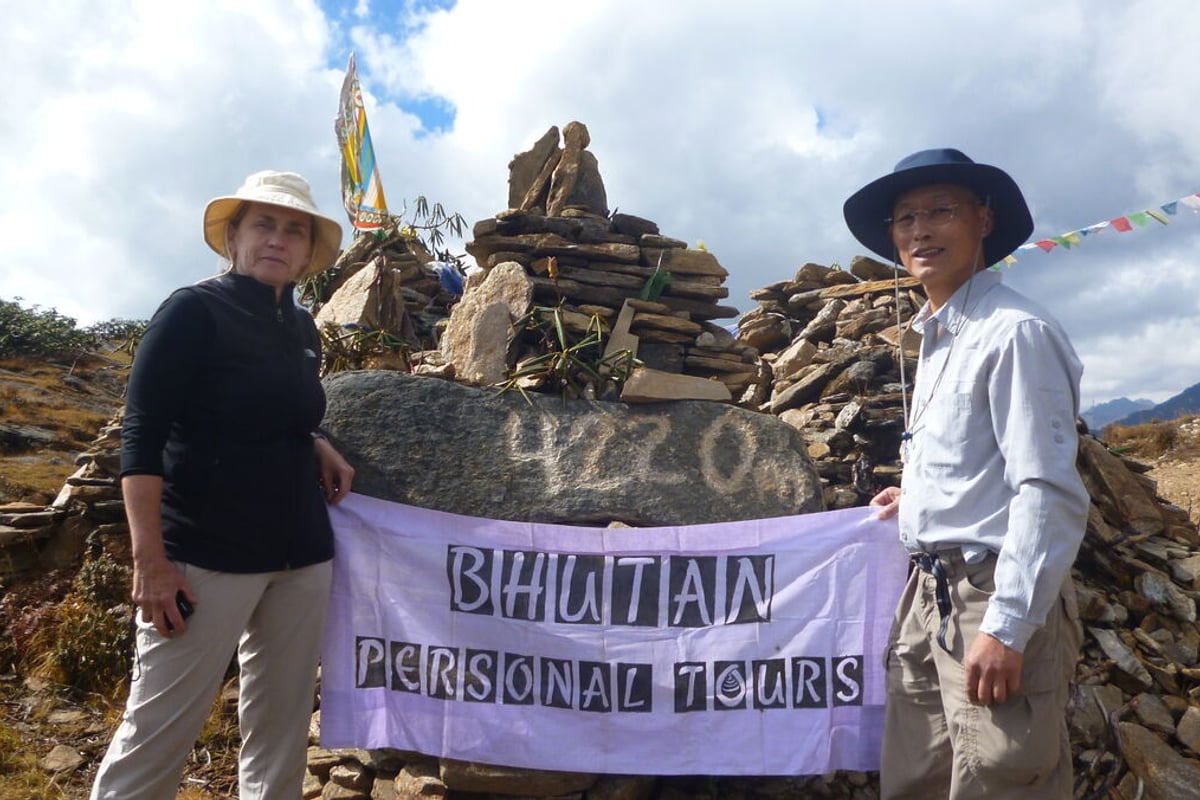
The 6 nights Western Bhutan amusement itinerary demonstrates how authentic experiences emerge from thoughtful sequencing and genuine local connections, moving from Thimphu’s contemporary Buddhist culture through Phobjikha’s pastoral traditions to Paro’s historical significance.
Festival Participation and Ritual Cycles
Bhutanese festivals represent living traditions rather than tourist attractions. Events like Punakha Tshechu or Paro Tshechu occur annually as community religious observances. Locals attend to receive blessings, fulfill spiritual obligations, and strengthen social bonds.
When visitors attend these festivals, they participate in actual cultural practice. The experience feels authentic because it is: the dances carry religious significance, the masks represent deities and protective spirits, and the community’s devotion is genuine. No element exists primarily for tourist viewing.
Activity-Based Authenticity in Natural Settings
Physical activities in natural environments provide another dimension of authentic experiences. When visitors engage landscapes through traditional practices, they connect with place through action and embodied knowledge.
Trekking Traditional Routes
Trekking in Bhutan often follows routes used for centuries by traders, pilgrims, and herders. Trails like the Druk Path Trek or Gangtey Trek traverse landscapes shaped by human and natural history. Each mountain pass, each campsite carries stories.
Winter treks such as the Punakha Winter Trek offer additional authenticity through seasonal rhythms. Lower elevations accessible in winter months reveal how communities adjust activities to climate cycles, demonstrating adaptation strategies developed over generations.
Traditional Skills and Sustainable Practices
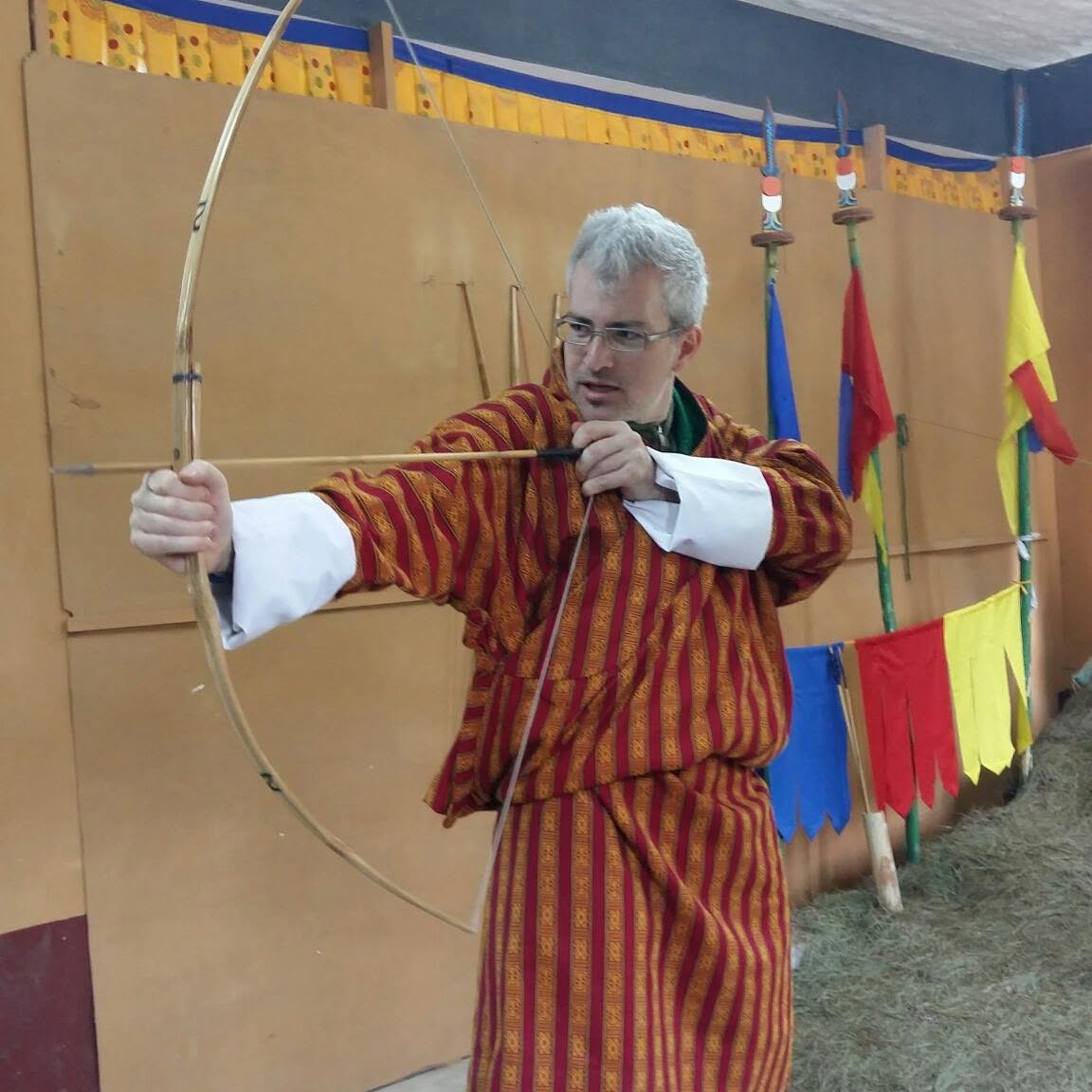
Activities that teach traditional skills create authentic experiences through direct knowledge transfer. Learning traditional archery techniques, participating in farmhouse cheese making, or practicing sustainable fishing methods connects visitors with cultural heritage through active participation.
The key distinction separates genuine skill-sharing from simplified demonstrations. When an artisan teaches actual technique rather than a tourist-friendly approximation, learners gain real knowledge and appreciation for the years required to achieve mastery.
Digital Touchpoints and Authentic Brand Experience
While physical presence in destination creates the most direct authentic experiences, digital interactions shape expectations and perceptions before arrival. User experience design principles demonstrate how digital touchpoints either reinforce or undermine perceived authenticity.
Honest Communication and Realistic Expectations
Tour operators who prioritize authentic experiences must extend that authenticity to all communications. Website content, imagery, and descriptions should accurately represent what visitors will encounter. Overpromising or using misleading images creates disappointment when reality doesn’t match marketing.
Transparency about logistics, limitations, and cultural sensitivities builds trust and prepares visitors for meaningful engagement. Clear communication regarding:
-
Physical requirements for activities
-
Cultural protocols and appropriate behavior
-
Seasonal variations in landscape and wildlife
-
Realistic group sizes and composition
-
Actual accommodation standards and amenities
This honesty attracts visitors who genuinely seek the experiences offered rather than those expecting something different.
Visual Storytelling That Reflects Reality
Photography and video should document actual experiences rather than create artificial scenarios. Images showing real guests engaged in genuine activities, unposed moments of cultural exchange, and authentic settings provide accurate previews while respecting subjects’ dignity.
This approach differs from conventional tourism marketing that often relies on professional models, staged scenarios, and enhanced editing. While less glossy, realistic visual storytelling builds appropriate expectations and attracts visitors aligned with the operator’s values.
Measuring and Maintaining Authenticity Over Time
As tourism operations grow, maintaining authenticity requires conscious effort and regular evaluation. Several factors threaten to dilute genuine experiences as businesses scale.
Balancing Access and Preservation
Increased visitor numbers can transform authentic cultural practices into performances. When communities begin modifying traditions to accommodate tourist schedules or preferences, authenticity erodes. Sustainable operations must balance access with preservation by:
-
Limiting visitor numbers to levels communities can absorb
-
Scheduling experiences around actual community rhythms rather than convenience
-
Compensating communities fairly for hosting visitors
-
Monitoring cultural impacts and adjusting practices accordingly
The introduction to Bhutan’s approach demonstrates how national policy can support authenticity through controlled tourism development that prioritizes cultural preservation over rapid growth.
Quality Metrics Beyond Reviews
Traditional tourism metrics emphasize satisfaction scores and review ratings, but authentic experiences require different measures. More meaningful indicators include:
|
Traditional Metric |
Authenticity-Focused Metric |
|---|---|
|
Number of sites visited |
Depth of engagement at each location |
|
Activities completed |
Skills learned or knowledge gained |
|
Photos taken |
Conversations held with locals |
|
Customer satisfaction |
Cultural understanding developed |
|
Repeat booking rate |
Lasting behavior or perspective changes |
These alternative measures better capture whether experiences achieved genuine cultural exchange and personal transformation rather than simply meeting entertainment expectations.
Seasonal Authenticity and Natural Cycles
Authentic experiences honor natural and cultural rhythms rather than forcing destinations to perform year-round. Seasonal variation provides different authentic experiences rather than representing limitations.
Understanding Regional Seasonal Character
Different seasons in various regions reveal distinct authentic experiences. Central Bhutan in autumn showcases harvest traditions and preparation for winter. Eastern Bhutan in spring demonstrates planting rituals and renewal ceremonies.
Visitors who travel during shoulder seasons often encounter more authentic experiences precisely because fewer tourists compete for attention. Communities resume normal rhythms between peak periods, and interactions feel less transactional.
Festival Calendars and Pilgrimage Timing
Timing visits to coincide with actual festivals and observances creates opportunities for authentic participation. Events like Gangtey Tshechu, Jambay Lhakhang Drup, or the Royal Highland Festival occur on specific dates according to lunar calendars or seasonal transitions.
Planning around these events rather than requesting special performances demonstrates respect for cultural traditions and ensures visitors witness genuine observances.
Expert-Led Experiences and Specialized Knowledge
Depth of authentic experiences depends heavily on guide knowledge and interpretive skill. Generic commentary creates superficial understanding, while expert insight reveals layers of meaning invisible to casual observation.
The Role of Experienced Guides
Guides who have worked in their field for decades develop networks, understanding, and credibility that newer practitioners cannot replicate. Since 2002, experienced guides have witnessed cultural evolution, developed relationships with knowledge holders across regions, and refined their ability to facilitate meaningful exchanges.
This expertise manifests in subtle ways: knowing which monk speaks English and enjoys philosophical discussion, understanding which artisan welcomes students versus those who prefer privacy, or recognizing when to pause for reflection versus when to provide interpretation.
Specialized Regional Expertise
Different regions require specific knowledge for authentic engagement. Understanding Bumthang’s religious history differs from appreciating Punakha’s political significance or Trashigang’s eastern cultural traditions.
Guides with deep regional specialization provide context that transforms observations into understanding. They explain why certain valleys practice particular agricultural techniques, how historical events shaped local architecture, or what contemporary challenges communities navigate.
Personalization and Individual Engagement Styles
Authentic experiences vary by individual preferences and engagement styles. What feels genuine to one traveler might seem contrived to another, requiring personalized approaches rather than standardized itineraries.
Customizing for Learning Styles and Interests
Some visitors prefer active participation and hands-on learning. Others value observation and contemplation. Still others seek intellectual engagement through conversations with experts. Effective operators assess individual preferences and adjust experiences accordingly.
A photographer might spend extended time at a single location capturing light and composition. A spiritual seeker might prioritize meditation sessions and philosophical discussions. An adventurer might emphasize physical challenges in natural settings. All can experience authenticity when itineraries honor their genuine interests.
Pacing and Spontaneity
Overscheduled itineraries prevent the spontaneous moments that often create the most authentic experiences. Building flexibility allows responses to unexpected opportunities: an invitation to a family home, extra time at a festival that captivates visitors, or adjustment when weather reveals particularly beautiful conditions.
This flexibility requires confidence from both operator and guest. Trust that unplanned moments will prove valuable, that “doing nothing” sometimes creates space for genuine connection, and that measuring success by experiences rather than checkboxes leads to more meaningful journeys.
Authentic experiences in travel emerge from genuine cultural exchange, deep local knowledge, and respect for traditions and natural rhythms. They require intentional design that prioritizes depth over breadth, quality over quantity, and real connection over curated performances. When you’re ready to experience Bhutan beyond its scenic beauty through meaningful engagement with its culture, people, and philosophy, Bhutan Personal Tours and Treks offers personalized journeys led by experienced guides who focus on one group at a time, ensuring the personal attention and local connections that transform a trip into a transformative experience.