Walking has emerged as one of the most rewarding ways to experience unfamiliar landscapes and cultures. While trekking demands specialized equipment and advanced fitness, nice walks offer travelers of varying abilities the opportunity to connect authentically with their surroundings. These gentler, more accessible experiences allow visitors to engage with local communities, observe daily rituals, and appreciate natural beauty at a human pace. In destinations like Bhutan, where spiritual traditions and environmental preservation intersect, nice walks become pathways to understanding both the physical landscape and the cultural values that shape it.
The Health Benefits of Regular Walking
Research consistently demonstrates that walking delivers measurable improvements across physical and mental health dimensions. A comprehensive dose-response systematic review published in 2026 analyzed daily step counts and health outcomes, revealing significant reductions in mortality, cardiovascular disease, and diabetes risk among regular walkers. The relationship between steps and benefits follows a clear gradient, with health improvements beginning at modest activity levels and increasing progressively.
Mental health outcomes show equally compelling patterns. According to a 2024 systematic review and meta-analysis, walking interventions produce statistically significant reductions in depressive and anxiety symptoms across diverse populations. These findings hold particular relevance for travelers seeking nice walks as part of broader wellness journeys.
Physical Adaptations from Walking
Regular walking strengthens cardiovascular function, improves bone density, and enhances muscular endurance without the joint stress associated with high-impact activities. For travelers preparing to explore mountainous regions, consistent walking builds the stamina necessary to appreciate longer valley trails and gradual elevation changes comfortably.
Key physiological benefits include:
-
Improved oxygen circulation to muscles and organs
-
Enhanced insulin sensitivity and metabolic function
-
Reduced inflammation markers throughout the body
-
Better balance and coordination from varied terrain exposure
-
Increased bone density through weight-bearing movement
Types of Trails for Nice Walks
The U.S. National Park Service categorizes trails by surface type, difficulty, and intended use, providing a helpful framework for understanding walking options. This classification system translates effectively to international contexts, helping travelers identify experiences matching their capabilities and interests.
Surface and Accessibility Considerations
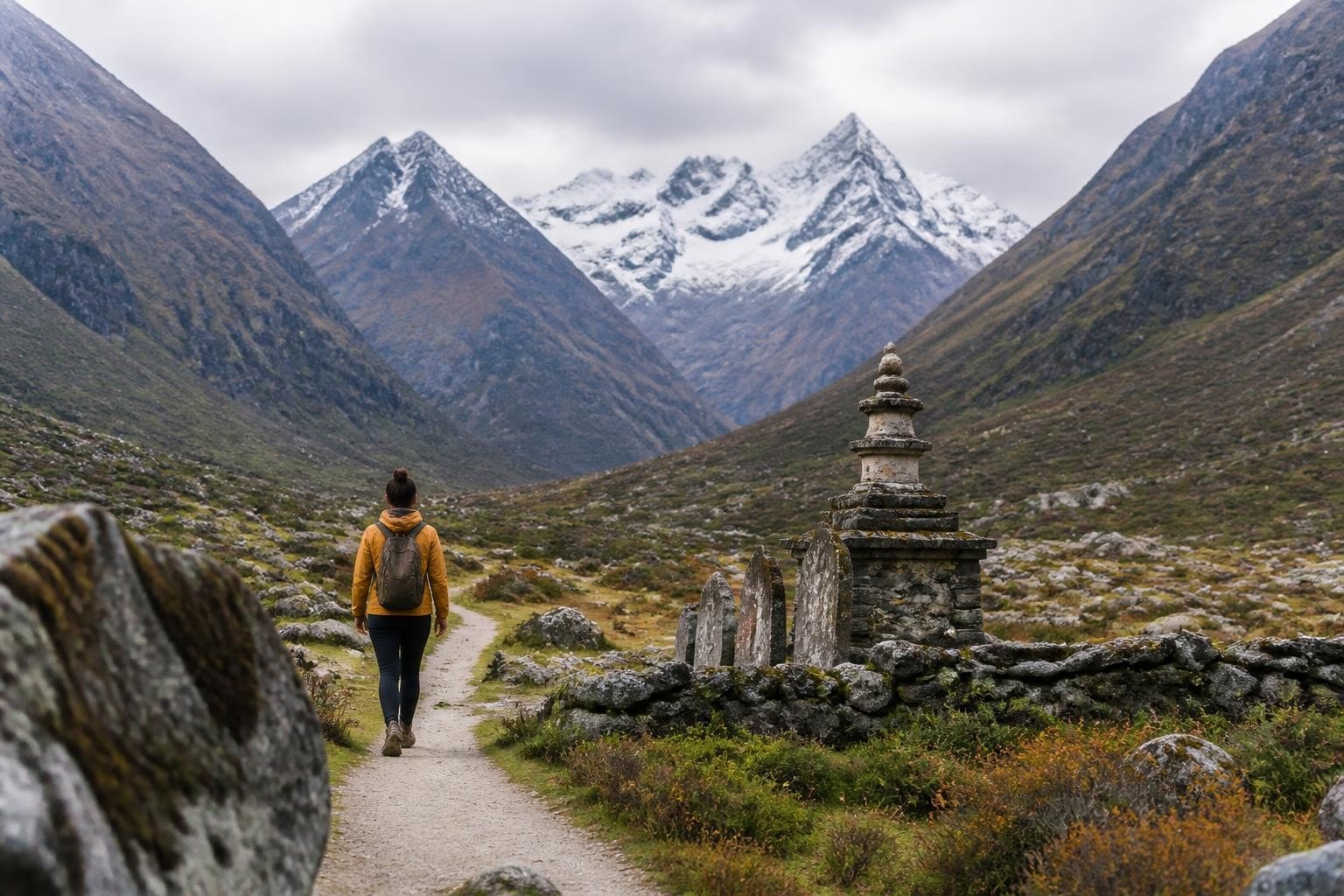
Trail surfaces significantly influence accessibility and experience quality. Paved paths accommodate wheelchairs and strollers, while natural dirt trails offer softer walking surfaces that reduce joint impact. In Bhutan, trekking routes range from challenging high-altitude passes to valley floor paths that qualify as nice walks suitable for most fitness levels.
|
Trail Type |
Surface |
Best For |
Typical Length |
|---|---|---|---|
|
Interpretive |
Paved/gravel |
Cultural learning, accessibility |
0.5-2 miles |
|
Valley floor |
Natural dirt |
Scenic walking, photography |
2-5 miles |
|
Ridge paths |
Compacted earth |
Panoramic views |
3-6 miles |
|
Village circuits |
Mixed surface |
Cultural immersion |
1-4 miles |
The federal accessibility standards for outdoor developed areas provide detailed specifications for trail grades, cross slopes, and resting intervals, ensuring that nice walks remain inclusive to people with varying mobility levels.
Planning Nice Walks in Mountain Environments
Mountain valleys present unique opportunities for nice walks that combine dramatic scenery with manageable terrain. Unlike summit ascents, valley trails maintain relatively consistent elevations while offering access to monasteries, agricultural communities, and riverside landscapes.
Elevation and Acclimatization
When planning nice walks in elevated regions, understanding acclimatization becomes essential. Bhutan’s valleys typically range from 2,000 to 3,000 meters elevation, requiring visitors to adjust gradually. Nice walks during the first days help travelers adapt while experiencing local culture.
The natural vegetation of Bhutan changes dramatically with elevation, creating distinct ecological zones that walkers encounter even on moderate trails. Lower valleys feature subtropical species, while higher paths transition to temperate forests of blue pine and rhododendron.
Acclimatization strategies for valley walks:
-
Schedule easier, shorter walks during the first 48 hours
-
Maintain consistent hydration throughout the day
-
Avoid rapid elevation gains exceeding 300 meters daily
-
Monitor for headache, nausea, or unusual fatigue
-
Build rest days into multi-day itineraries
Cultural Dimensions of Walking in Bhutan
In Bhutan, walking transcends physical exercise, functioning as a spiritual practice and social activity. Pilgrims circumambulate sacred sites, families stroll to festivals, and monks walk meditation paths within monastery grounds. Understanding these cultural contexts enriches nice walks for international visitors.
Monastery Circuits and Sacred Paths
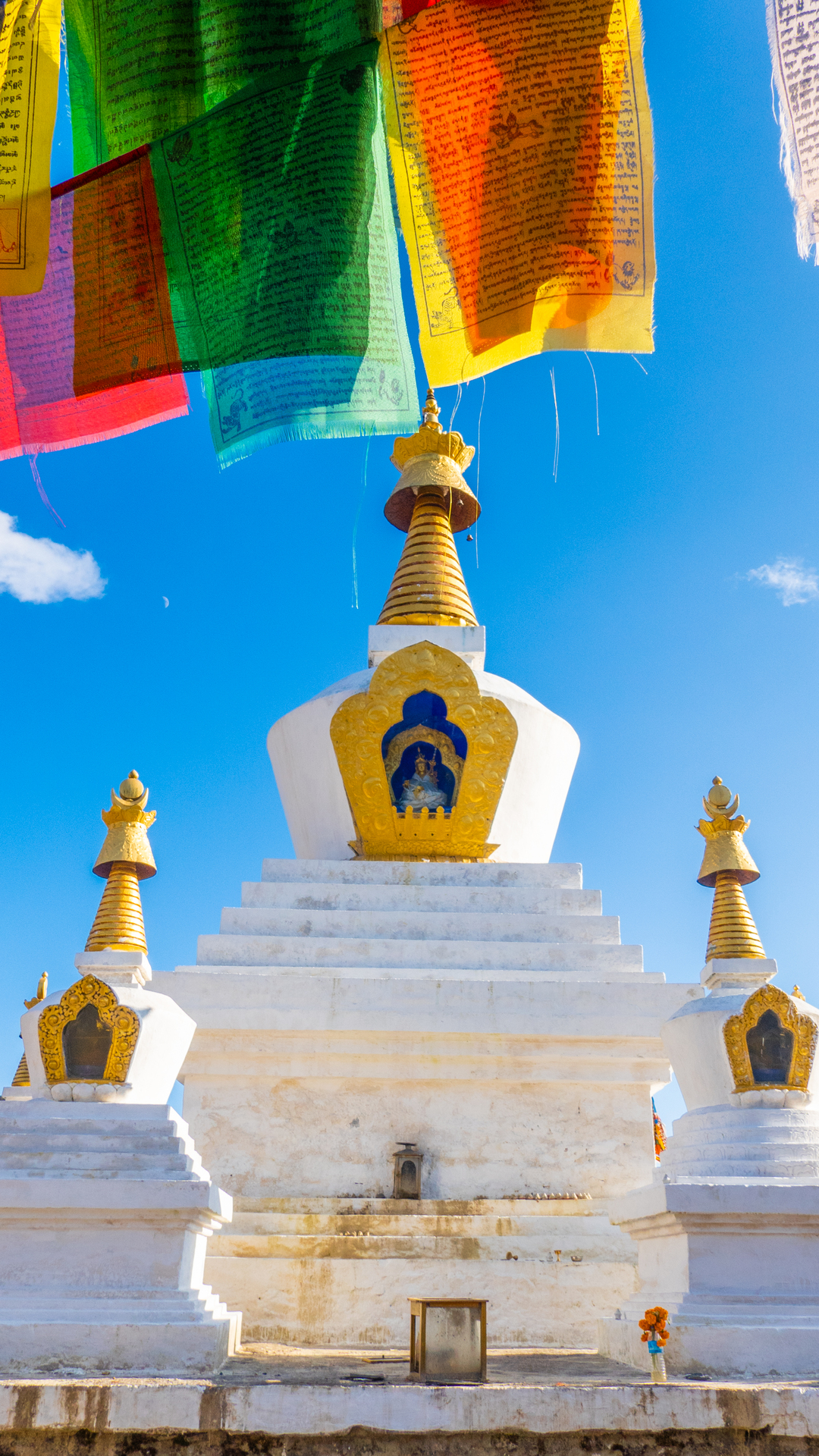
Many of Bhutan’s most meaningful nice walks follow traditional pilgrimage circuits around monasteries and temples. These kora paths, designed for walking meditation, often feature prayer wheels, carved mantras, and designated stopping points for contemplation.
The rhythm of these walks differs substantially from Western hiking culture. Rather than destination-focused marching, kora walking emphasizes presence, repetition, and gradual accumulation of merit. Visitors who adapt to this pace often report deeper satisfaction than from purely recreational walks.
Walking also provides natural opportunities to engage with Gross National Happiness principles, the philosophical framework that guides Bhutanese development policy. Conversations with residents during nice walks frequently explore wellbeing, contentment, and balance rather than purely material concerns.
Seasonal Considerations for Walking
Weather patterns significantly influence walking conditions and experiences. Bhutan’s climate varies by region and elevation, creating distinct seasons that favor different types of nice walks.
Spring and Autumn Advantages
The spring months of March through May offer spectacular rhododendron blooms along forest paths, with clear mountain views and moderate temperatures. Autumn, from September through November, provides exceptional visibility and coincides with major festivals that enhance cultural experiences during valley walks.
|
Season |
Temperature Range |
Trail Conditions |
Cultural Highlights |
|---|---|---|---|
|
Spring (Mar-May) |
10-20°C valleys |
Flowering trails |
Spring festivals |
|
Summer (Jun-Aug) |
15-25°C valleys |
Muddy after rain |
Agricultural activities |
|
Autumn (Sep-Nov) |
8-18°C valleys |
Dry, excellent |
Major festivals |
|
Winter (Dec-Feb) |
0-12°C valleys |
Crisp, clear |
Crane migrations |
Winter presents unique opportunities for nice walks in lower valleys, particularly Western Bhutan where temperate conditions persist. The Punakha Winter Trek exemplifies how strategic planning transforms challenging seasons into advantages, with clear skies and minimal precipitation creating ideal walking conditions.
Designing Sustainable Walking Experiences
Trail sustainability ensures that nice walks remain available to future generations while minimizing environmental impact. The USDA Forest Service trail maintenance guidance emphasizes proper drainage, erosion control, and vegetation management as essential components of durable trail systems.
Minimizing Walker Impact
Even gentle nice walks create cumulative environmental pressure without proper management. Sustainable practices include:
-
Staying on designated paths to prevent vegetation trampling
-
Carrying out all waste, including organic materials
-
Respecting wildlife viewing distances
-
Supporting local communities through guided services
-
Following Leave No Trace principles adapted to cultural contexts
The IMBA sustainable trail development guidelines provide professional standards for trail construction that apply equally to walking paths and multi-use routes.
Bhutan’s tourism policy builds sustainability into its fundamental structure, limiting visitor numbers and requiring licensed guides for most areas. This framework ensures that nice walks contribute positively to local economies while preserving the very qualities that make them meaningful.
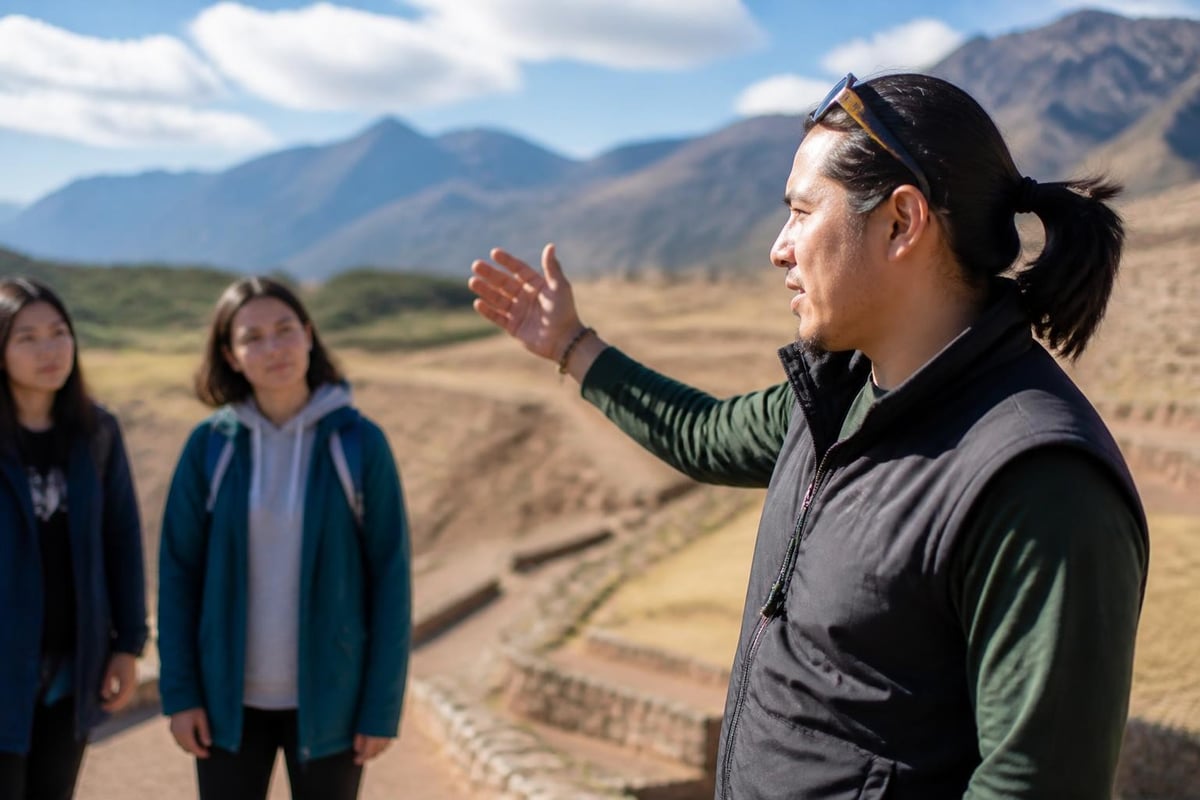
Valley Walks in Key Regions
Each of Bhutan’s regions offers distinctive walking experiences reflecting local geography, culture, and history. Understanding regional characteristics helps travelers select nice walks aligned with their interests.
Paro Valley Experiences
Paro serves as most visitors’ entry point, offering immediate access to excellent nice walks. The valley floor paths connect historic farmhouses, ancient temples, and rice terraces, providing cultural immersion without demanding ascents.
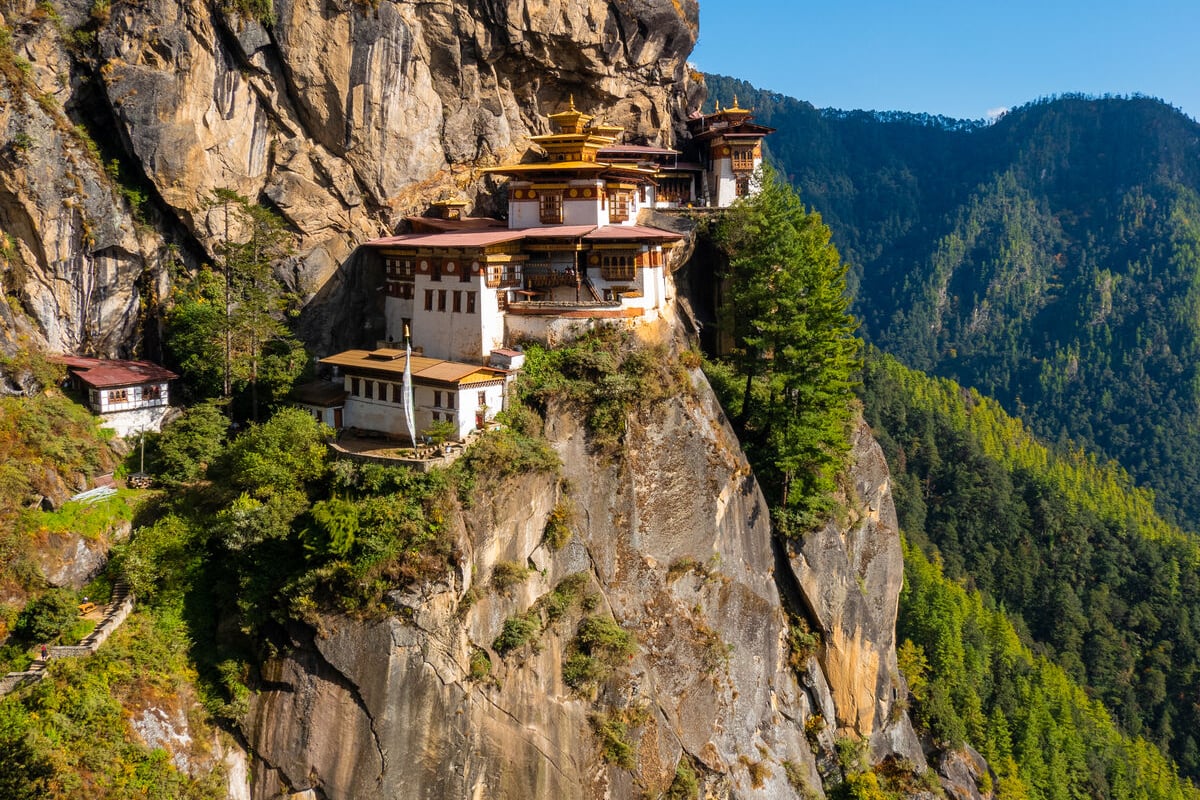
The approach to Taktsang Monastery, while challenging, includes lower sections that qualify as nice walks for those who prefer moderate distances. Alternative paths explore less-visited temples and meditation sites with gentler gradients.
Punakha and Wangdue Valleys
The subtropical Punakha and Wangdue valleys provide winter walking opportunities when higher elevations experience snow. Riverside paths follow the Mo Chhu and Pho Chhu rivers, passing through terraced fields and traditional villages.
The suspension bridge walk to Punakha Dzong represents an iconic nice walk combining architectural appreciation with agricultural landscapes. Winter months bring black-necked cranes to nearby Phobjikha Valley, where observation paths allow wildlife viewing without disturbing these protected birds.
Those interested in deeper cultural engagement often choose the 6 nights Western Bhutan amusement journey, which incorporates multiple valley walks between Thimphu, Phobjikha, Punakha, and Paro. This itinerary balances scenic nice walks with opportunities to discuss Buddhist perspectives on happiness with monks and explore Gross National Happiness concepts with local experts.
Bumthang’s Sacred Trails
Bumthang valley contains Bhutan’s oldest Buddhist sites, with nice walks connecting temples founded by Guru Rinpoche in the 8th century. The relatively flat valley floor allows extended walks between historical sites without steep climbs.
Local guides share narratives connecting landscape features to Buddhist legends, transforming nice walks into immersive storytelling experiences. Spring brings buckwheat blooms, while autumn features harvest activities and religious festivals.
Social and Psychological Benefits of Walking
Beyond individual health improvements, nice walks generate social connections and psychological benefits often absent from solitary indoor exercise. An integrative 2025 review of outdoor hiking and walking examined physical, mental, and socioeconomic outcomes, finding that green exercise delivers benefits exceeding those of equivalent indoor activity.
Group Walking Dynamics
Walking with others creates natural opportunities for conversation, with the shared rhythm and forward movement reducing social pressure compared to face-to-face seated interactions. Many travelers report forming meaningful connections during nice walks that wouldn’t emerge in formal dining or touring settings.
Social benefits of group nice walks:
-
Reduced perceived exertion through distraction and companionship
-
Knowledge exchange about culture, nature, and local practices
-
Mutual encouragement during challenging sections
-
Shared memory creation through common experiences
-
Cross-cultural understanding through informal conversation
The single-group focus of specialized tour operators ensures that nice walks proceed at comfortable paces for all participants, avoiding the frustration of mixed-ability groups where faster walkers wait or slower participants feel pressured.
Preparation and Equipment
While nice walks don’t require specialized trekking gear, appropriate preparation enhances comfort and safety. Equipment needs vary with season, duration, and terrain.
Essential Walking Items
Quality footwear represents the most important equipment decision. Comfortable walking shoes with good tread and ankle support prevent blisters and provide stability on uneven surfaces. Breaking in new shoes weeks before travel prevents painful discoveries on trail.
|
Item |
Purpose |
Season Variation |
|---|---|---|
|
Walking shoes |
Traction, comfort |
Year-round essential |
|
Daypack |
Carry water, layers |
Size varies by duration |
|
Water bottle |
Hydration |
Insulated in winter |
|
Sun protection |
Prevent altitude burn |
Critical at elevation |
|
Rain layer |
Weather changes |
Essential monsoon season |
|
Snacks |
Sustained energy |
Trail length dependent |
Layered clothing systems adapt to temperature changes during walks, with mornings often cool and midday warm, particularly in valleys. Merino wool and synthetic fabrics outperform cotton in moisture management and thermal regulation.
Mindful Walking Practices
Mindful walking techniques, drawn from Buddhist meditation traditions, transform nice walks from purely physical activities into contemplative practices. These approaches align naturally with Bhutan’s cultural emphasis on presence and awareness.
Breath and Pace Coordination
Coordinating breath with steps creates meditative rhythm. Common patterns include four steps per inhalation, four per exhalation, though individual lung capacity and pace determine optimal ratios. This focus anchors attention to present experience rather than destination fixation.
Progressive mindful walking practice:
-
Begin with awareness of feet contacting ground
-
Expand attention to breath patterns
-
Notice surrounding sounds without labeling
-
Observe thoughts without engagement
-
Return focus to physical sensations when mind wanders
Experienced practitioners report that mindful walking reduces mental fatigue while enhancing memory formation of walked routes. The deliberate pace makes nice walks ideal for this practice compared to vigorous hiking.
Photography and Documentation
Nice walks provide excellent opportunities for photography, with manageable paces allowing time to compose images thoughtfully. Morning and late afternoon light creates favorable conditions for landscape and cultural documentation.
Respectful Cultural Photography
In Bhutan, photography requires cultural sensitivity, particularly around religious sites and people engaged in spiritual practices. Always request permission before photographing individuals, and observe restrictions at temples where photography may be prohibited entirely.
Local guides help identify appropriate photography moments and explain cultural context that enriches image meaning. The slower pace of nice walks allows photographers to work carefully rather than rushing past compelling subjects.
Many travelers find that limiting photography during walks enhances presence and memory formation, with designated stops for image-making preventing constant camera distraction. This balanced approach yields stronger photographs and more satisfying walking experiences.
Weather Adaptation Strategies
Mountain weather changes rapidly, requiring flexible approaches to nice walks. Understanding microclimates and seasonal patterns helps anticipate conditions and adjust plans appropriately.
Reading Mountain Weather Signs
Cloud formations, wind direction, and temperature changes provide advance warning of weather shifts. Morning valley fog typically dissipates by mid-morning, revealing clear conditions for walks. Afternoon clouds building on ridges often signal evening precipitation, suggesting earlier walk timing.
Local knowledge proves invaluable for weather interpretation. Guides familiar with regional patterns recognize subtle signs that general forecasts miss, adjusting walking plans to maximize comfort and safety while avoiding unnecessary cancellations.
Winter’s stable high-pressure systems create exceptional conditions for nice walks in lower elevations, with weeks of consecutive clear days common between December and February. These months suit travelers who prioritize visibility and dry conditions over temperature warmth.
Integration with Broader Travel
Nice walks function most effectively when integrated thoughtfully into broader itineraries rather than isolated as discrete activities. Strategic planning creates complementary experiences that build understanding progressively.
Balancing Activity and Rest
Multi-day itineraries benefit from alternating walking days with cultural immersion, allowing physical recovery while maintaining engagement. Thimphu offers museum visits, craft workshops, and market exploration that provide walking breaks while advancing cultural understanding.
The rhythm of walk days, cultural days, and festival attendance creates varied experiences that prevent fatigue while building comprehensive destination knowledge. This approach acknowledges that nice walks represent means to deeper engagement rather than ends themselves.
Transportation between valleys provides rest from walking while revealing landscape transitions and settlement patterns. The journey between regions becomes educational experience rather than merely logistical necessity.
Long-Term Walking Benefits
Travelers who incorporate nice walks into regular routines often maintain practice after returning home, extending benefits beyond single trips. The combination of physical activity, outdoor exposure, and mindful attention creates sustainable wellness practices adaptable to diverse environments.
Habit Formation from Travel Walking
Travel provides ideal circumstances for establishing new behaviors. The novelty, reduced obligations, and environmental cues of destination walking create conditions favoring habit formation that transfers to home contexts.
Research on behavior change suggests that 21-day periods establish preliminary patterns, though true automaticity requires extended practice. Extended journeys incorporating daily nice walks therefore offer opportunities to develop lasting activity habits.
Many travelers report that walking experiences in meaningful landscapes create emotional anchors that motivate continued practice. Remembering specific trails, conversations, or discoveries during home walks reinforces commitment and provides psychological rewards beyond physical benefits.
Nice walks offer accessible pathways to both physical wellbeing and cultural understanding, particularly in destinations where landscape and tradition intertwine meaningfully. Whether exploring valley monasteries, observing wildlife, or engaging with local communities, thoughtfully planned walks create lasting memories and tangible health benefits. For travelers seeking authentic experiences in Bhutan’s extraordinary landscapes, Bhutan Personal Tours and Treks designs personalized itineraries incorporating nice walks tailored to individual capabilities and interests, ensuring comfortable, safe, and culturally rich exploration with expert guidance from experienced professionals who have shared Bhutan’s beauty since 2002.