

Selecting the right travel partner transforms a vacation into a life-changing journey. With international tourism arrivals rising steadily and reaching record levels according to recent UN Tourism data, travelers face an overwhelming array of options when planning international trips. The best international travel companies distinguish themselves not through flashy marketing, but through demonstrated expertise, personalized service, and commitment to authentic cultural experiences. This comprehensive guide examines the essential criteria for evaluating tour operators and highlights what separates exceptional companies from ordinary travel agencies.
Understanding What Defines Excellence in International Travel
The global travel industry encompasses thousands of operators, each claiming to offer superior service. Differentiating genuine quality from marketing rhetoric requires understanding the fundamental characteristics that define exceptional travel companies.
Specialization and Regional Expertise
The best international travel companies typically specialize rather than generalize. Operators who focus on specific regions develop deeper relationships with local communities, maintain better supplier networks, and offer insights impossible for generalist agencies to match. A company dedicating years to one destination understands seasonal nuances, cultural sensitivities, and hidden opportunities that create memorable experiences.
Regional specialization manifests in multiple ways:
-
Direct local ownership or long-term presence in the destination
-
First-hand knowledge from guides who live and work year-round in the region
-
Established relationships with hotels, restaurants, and cultural institutions
-
Language capabilities and cultural fluency beyond basic tourist interactions
-
Understanding of permits, regulations, and logistical requirements specific to the destination
When evaluating tour operators, examine how long they have operated in their specialty regions. Companies with decades of experience, particularly those owned and operated by local experts, offer substantially different value than agencies booking trips through third-party suppliers.

Personalization and Group Size
Mass tourism and personalized travel represent fundamentally different philosophies. The best international travel companies prioritize individual preferences over standardized itineraries, adjusting schedules, activities, and accommodations to match traveler interests rather than forcing clients into predetermined packages.
Group size directly impacts experience quality. Small groups enable flexibility, foster authentic interactions with local communities, and allow guides to adapt to individual interests. Companies limiting themselves to one group at a time ensure undivided attention and organizational excellence that larger operators cannot match.
|
Approach |
Group Size |
Flexibility |
Local Interaction |
Price Point |
|---|---|---|---|---|
|
Mass Tourism |
30-50 people |
Minimal |
Superficial |
Lower |
|
Small Group |
8-15 people |
Moderate |
Good |
Moderate |
|
Personalized |
1-6 people |
High |
Authentic |
Premium |
|
Private |
Custom |
Maximum |
Deep |
Variable |
Consider how companies handle customization requests. Exceptional operators view itinerary adjustments as opportunities rather than inconveniences, crafting experiences around your interests rather than fitting you into existing templates.
Evaluating Safety, Credentials, and Consumer Protection
Professional credentials and safety standards separate reputable operators from risky alternatives. The travel industry’s complexity demands rigorous evaluation of potential partners.
Licensing, Accreditation, and Industry Affiliations
Legitimate tour operators maintain proper licensing in their home countries and destinations. Verify that companies hold required permits, business licenses, and destination-specific authorizations. Many countries require tour operators to register with tourism boards or obtain special permissions for activities like trekking, wildlife viewing, or cultural site access.
Industry affiliations provide additional validation. Membership in recognized trade associations indicates commitment to professional standards, though affiliations alone do not guarantee quality. Research the specific requirements and enforcement mechanisms behind any claimed memberships.
Financial Protection and Transparency
The European Commission’s Package Travel Directive establishes important consumer protections for travelers booking packages. Even when traveling to destinations outside Europe, understanding these standards helps evaluate what protections your chosen operator provides.
Key financial considerations include:
-
Payment security: Credit card processing, escrow arrangements, or travel insurance
-
Cancellation policies: Clear terms explaining refund eligibility and timelines
-
Force majeure provisions: How the company handles disruptions beyond their control
-
Transparency: Itemized pricing showing exactly what is and is not included
-
Insurance requirements: Whether operators maintain liability coverage and what it covers
Request detailed contracts before committing. The best international travel companies provide comprehensive written agreements specifying services, costs, responsibilities, and contingency plans.
Assessing Sustainability and Community Impact
Modern travelers increasingly prioritize responsible tourism that benefits local communities and protects natural environments. Evaluating companies’ sustainability practices reveals their long-term commitment to destinations.
Environmental Stewardship
Responsible operators actively minimize their environmental footprint. This extends beyond superficial “eco-friendly” marketing to concrete practices like waste reduction, energy efficiency, wildlife protection, and supporting conservation initiatives.
Examine specific sustainability measures:
-
Do itineraries avoid overcrowded sites during peak times?
-
Does the company support local conservation projects financially or operationally?
-
Are accommodations chosen based partly on environmental practices?
-
How does the company handle waste in remote areas?
-
Are wildlife viewing activities conducted according to ethical guidelines?
The World Bank’s research on tourism development emphasizes that sustainable tourism practices benefit both destinations and travelers by preserving the authentic character that makes places worth visiting.
Economic and Cultural Benefits to Local Communities
The best international travel companies ensure tourism revenue reaches local communities rather than extracting wealth from destinations. This philosophy manifests through employing local guides, sourcing from local suppliers, supporting community enterprises, and creating opportunities for cultural exchange.
Look for operators who facilitate genuine cultural engagement rather than staged performances. Opportunities to meet with local experts, participate in traditional activities, or visit family homes create meaningful connections while supporting community livelihoods.
When exploring destinations renowned for cultural preservation, such as understanding Bhutan’s unique approach to tourism and Gross National Happiness, partnering with operators who respect and contribute to these philosophies becomes essential.
Comparing Service Models and Booking Channels
The travel industry offers multiple service models, each with distinct advantages and limitations. Understanding these differences helps identify which approach best matches your needs.
Direct Operators Versus Aggregators
Direct tour operators manage trips themselves, employing their own guides, maintaining relationships with accommodations, and taking direct responsibility for all aspects of the journey. Aggregators or online travel agencies (OTAs) connect travelers with third-party suppliers, acting as intermediaries rather than service providers.
|
Aspect |
Direct Operators |
Aggregators/OTAs |
|---|---|---|
|
Expertise |
Deep destination knowledge |
Broad but shallow coverage |
|
Customization |
Highly flexible |
Limited to supplier options |
|
Accountability |
Direct responsibility |
Mediated through third parties |
|
Pricing |
Varies (no middleman markup) |
Commission-based (sometimes higher) |
|
Support |
Direct communication |
Layered support channels |
|
Relationships |
Long-term local partnerships |
Transactional supplier connections |
Skift’s State of Travel 2025 research indicates growing traveler preference for direct bookings with specialized operators, particularly for complex international trips requiring local expertise.
The Value Proposition of Specialized Operators
While aggregators offer convenience for straightforward bookings, specialized operators provide irreplaceable value for destinations requiring cultural sensitivity, complex logistics, or deep local knowledge. The best international travel companies invest years developing expertise that cannot be replicated through supplier databases or booking platforms.
Consider the Himalayan kingdom of Bhutan, where tourism operates under a distinctive high-value, low-impact model detailed in Bhutan’s tourism policy. Navigating such destinations effectively requires operators with established relationships, cultural understanding, and regulatory expertise that generalist platforms cannot provide.
Analyzing Reviews, References, and Digital Presence
Researching a company’s reputation requires moving beyond curated testimonials to comprehensive evaluation of traveler experiences and professional standing.
Beyond Star Ratings: Reading Reviews Critically
Effective review analysis looks for patterns rather than individual opinions. Examine multiple platforms, noting recurring themes in both positive and negative feedback. The best international travel companies demonstrate consistent strengths across many reviews while addressing criticisms professionally.
Pay attention to:
-
Specificity: Detailed reviews describing actual experiences carry more weight than generic praise
-
Recency: Recent reviews reflect current operations more accurately than older feedback
-
Response patterns: How companies handle complaints reveals their commitment to customer satisfaction
-
Photo evidence: Traveler photos provide unfiltered perspectives on accommodations, activities, and conditions
-
Reviewer profiles: Consider whether reviewers have experience with similar destinations or trip styles
Red flags include exclusively perfect reviews (suggesting manipulation), defensive or dismissive responses to criticism, or patterns of complaints about safety, transparency, or unfulfilled promises.
Professional References and Track Record
Request references from past clients with similar travel interests. Reputable operators willingly connect prospective clients with previous travelers who can share candid insights about their experiences.
Investigate the company’s track record through industry sources, tourism boards, and professional networks. How long has the company operated? Has it received industry recognition or awards? Are there documented complaints with consumer protection agencies or travel industry watchdogs?
Regional Considerations and Destination-Specific Factors
Different destinations present unique challenges that require specific operator capabilities and expertise. The best international travel companies demonstrate competence in the particular complexities of their specialty regions.
High-Altitude and Remote Destinations
Destinations involving significant altitude, remote locations, or challenging terrain demand operators with specialized safety protocols, medical preparedness, and logistical expertise. Companies operating trekking expeditions in mountainous regions must demonstrate comprehensive emergency response capabilities, proper acclimatization schedules, and appropriate equipment standards.
Evaluate altitude-specific preparations:
-
What acclimatization protocols does the company follow?
-
Are guides trained in altitude sickness recognition and response?
-
What emergency evacuation procedures exist?
-
Does the company maintain appropriate insurance coverage for high-altitude activities?
-
Are fitness requirements clearly communicated and verified?
Culturally Sensitive Destinations
Some destinations require particular cultural awareness and respect for local customs, religious practices, and social norms. The best international travel companies for such regions employ local guides who can navigate cultural nuances while educating travelers about appropriate behavior and meaningful engagement.
When exploring culturally rich destinations like Western Bhutan or sacred sites throughout Asia, operators who facilitate authentic interactions with monks, scholars, and community members create profoundly different experiences than those offering superficial tourist encounters.
For travelers seeking deep cultural immersion, programs such as a 6 nights Western Bhutan amusement demonstrate how specialized operators craft journeys that go beyond sightseeing to facilitate genuine understanding. Meeting with monks to discuss happiness from a Buddhist perspective or engaging with professors about Gross National Happiness transforms travel into education and personal growth.


Planning Timeline and Booking Considerations
Successful international trips require appropriate planning horizons and strategic booking approaches that balance securing availability with maintaining flexibility.
Optimal Booking Windows
Different destinations and travel styles require different lead times. Popular destinations during peak seasons may require bookings six to twelve months in advance, while more flexible itineraries in off-peak periods may be arranged with shorter notice.
Consider these timeline factors:
-
Permit requirements: Some destinations like Bhutan, Tibet, or certain national parks require permits processed weeks or months in advance
-
Flight availability and pricing: International airfare typically offers best pricing 60-120 days before departure according to IATA industry data
-
Accommodation availability: Unique properties or small boutique hotels in popular areas book far in advance
-
Festival and event schedules: Cultural events like Bhutan’s festivals occur on fixed dates requiring early planning
-
Group trip coordination: Coordinating schedules for multiple travelers extends planning requirements
Flexibility Versus Fixed Itineraries
The best international travel companies offer various flexibility options to match different traveler preferences and risk tolerances. Some travelers prefer every detail confirmed in advance, while others value spontaneity and adaptability.
Clarify flexibility parameters during initial consultations:
-
How easily can itineraries be adjusted before departure?
-
What changes can be made during the trip?
-
How are weather-related or unforeseen disruptions handled?
-
What costs are associated with modifications?
-
Are there built-in buffer days for unexpected opportunities or delays?
Understanding Pricing Models and Value Propositions
Travel pricing varies dramatically based on service models, inclusions, and value philosophies. Evaluating cost requires understanding what is included and recognizing that the cheapest option rarely delivers the best experience.
Comprehensive Pricing Versus À La Carte
Some operators offer all-inclusive pricing while others use base rates with numerous add-ons. Neither approach is inherently superior, but transparency is essential. The best international travel companies provide detailed breakdowns showing exactly what is covered and what requires additional payment.
Typical inclusions to verify:
-
Accommodation (type, quality, location, meal plans)
-
Transportation (domestic flights, private vehicles, drivers)
-
Guide services (language capabilities, expertise level, availability)
-
Activities and entrance fees (which sites, how many activities)
-
Meals (which meals, restaurant quality, dietary accommodations)
-
Permits and documentation (visa assistance, special access permissions)
Understanding Value Beyond Price
The lowest-priced operator frequently delivers the lowest-value experience. According to WTTC economic research, the travel industry’s economic contribution depends on quality experiences that justify premium pricing through superior service, expertise, and authentic access.
Value factors beyond base price include:
-
Guide expertise: Years of experience and specialized knowledge
-
Group size: Smaller groups command higher per-person costs but deliver exponentially better experiences
-
Accommodation quality: Location, character, and service levels
-
Activity quality: Private access, expert instruction, authentic experiences versus mass tourism alternatives
-
Operational support: Dedicated attention, problem-solving capacity, and organizational excellence
Technology, Communication, and Trip Support
Modern travel requires robust communication infrastructure and technology integration while maintaining the human expertise that defines exceptional service.
Pre-Trip Communication and Planning
Responsive, detailed pre-trip communication indicates how a company will perform during your journey. The best international travel companies assign dedicated contacts who answer questions thoroughly, provide comprehensive pre-departure information, and remain accessible throughout the planning process.
Evaluate communication quality through:
-
Response time to inquiries
-
Depth and accuracy of answers
-
Willingness to customize and adjust proposals
-
Clarity of written materials and contracts
-
Availability of video consultations for complex planning
-
Provision of detailed pre-departure documentation
During-Trip Support Systems
Technology enables better trip support through real-time communication, but human expertise remains irreplaceable. The best international travel companies combine technological tools with experienced personnel who can solve problems, adjust plans, and handle emergencies.
Essential support capabilities include:
-
24/7 emergency contact access
-
In-destination management by experienced personnel
-
Clear escalation procedures for issues
-
Backup plans for common disruptions
-
Medical and safety emergency protocols
-
Real-time communication with guides and drivers
Niche Specializations Worth Considering
Beyond general tour operators, specialized companies serve specific interests ranging from adventure activities to wellness retreats, each requiring unique expertise and infrastructure.
Adventure and Activity-Specific Operators
Companies specializing in activities like mountain biking, fly fishing, or high-altitude trekking develop expertise, equipment, and safety protocols that generalist operators cannot match. When activities represent a primary trip focus rather than occasional diversions, specialists deliver substantially better experiences.
Verify activity-specific qualifications:
-
Guide certifications relevant to the activity
-
Equipment quality and maintenance standards
-
Safety records and emergency response capabilities
-
Insurance coverage specific to activity risks
-
Appropriate fitness and skill level assessments
Cultural and Educational Focus
Some travelers prioritize learning and cultural exchange over sightseeing. The best international travel companies serving this market facilitate meaningful interactions with local experts, scholars, artists, and community leaders that transform travel into education.
Educational programming might include:
-
Discussions with local professors or researchers
-
Workshops with traditional artisans
-
Participation in cultural practices or ceremonies
-
Language instruction integrated into travel
-
Historical and cultural context from expert guides
Making Your Final Decision
After researching options, narrowing choices requires systematic comparison and trust in your evaluation process.
Creating a Comparison Framework
Develop a weighted scoring system reflecting your priorities. Not all factors carry equal importance, and your personal preferences should guide the decision.
Sample evaluation framework:
|
Criterion |
Weight |
Operator A |
Operator B |
Operator C |
|---|---|---|---|---|
|
Regional expertise |
25% |
9/10 |
6/10 |
8/10 |
|
Personalization |
20% |
10/10 |
5/10 |
7/10 |
|
Sustainability |
15% |
8/10 |
7/10 |
6/10 |
|
Safety/credentials |
20% |
9/10 |
9/10 |
7/10 |
|
Value proposition |
20% |
8/10 |
6/10 |
9/10 |
|
Weighted Total |
100% |
8.7 |
6.5 |
7.5 |
Adjust weights and criteria to match your specific priorities and concerns.
Trusting Your Research and Instincts
After thorough research, trust your judgment. The best international travel companies distinguish themselves through consistent excellence across multiple evaluation dimensions rather than excelling in one area while failing in others.
According to U.S. outbound traveler research, American international travelers increasingly value authentic experiences and cultural immersion over conventional tourism. Choosing operators aligned with these values ensures your investment delivers memorable, meaningful experiences rather than superficial sightseeing.
Pay attention to how interactions with operators feel throughout the planning process. Companies demonstrating genuine enthusiasm for sharing their destinations, patience in answering questions, and flexibility in accommodating preferences typically deliver those same qualities during trips.
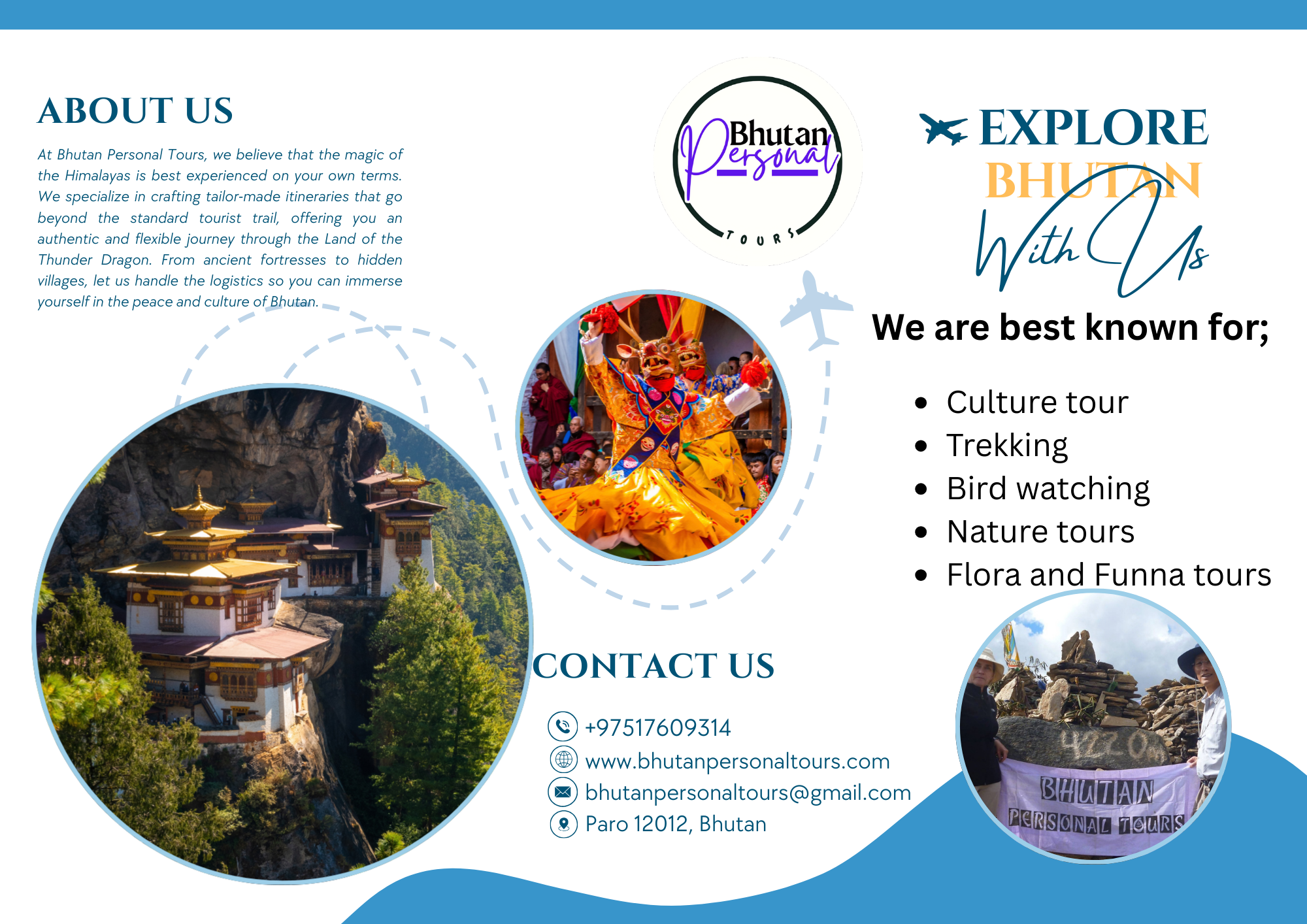
Selecting among the best international travel companies requires evaluating expertise, personalization, safety standards, and commitment to authentic cultural experiences. Whether exploring remote Himalayan kingdoms or other distinctive destinations, partnering with specialized operators who demonstrate deep regional knowledge and dedication to individual attention transforms travel into transformative experiences. Bhutan Personal Tours and Treks, operated by Tsering Penjor with over two decades of guiding experience since 2002, exemplifies this approach by taking one group at a time to ensure personal attention, excellent organization, and authentic connections with local experts throughout Bhutan’s remarkable cultural landscape.