
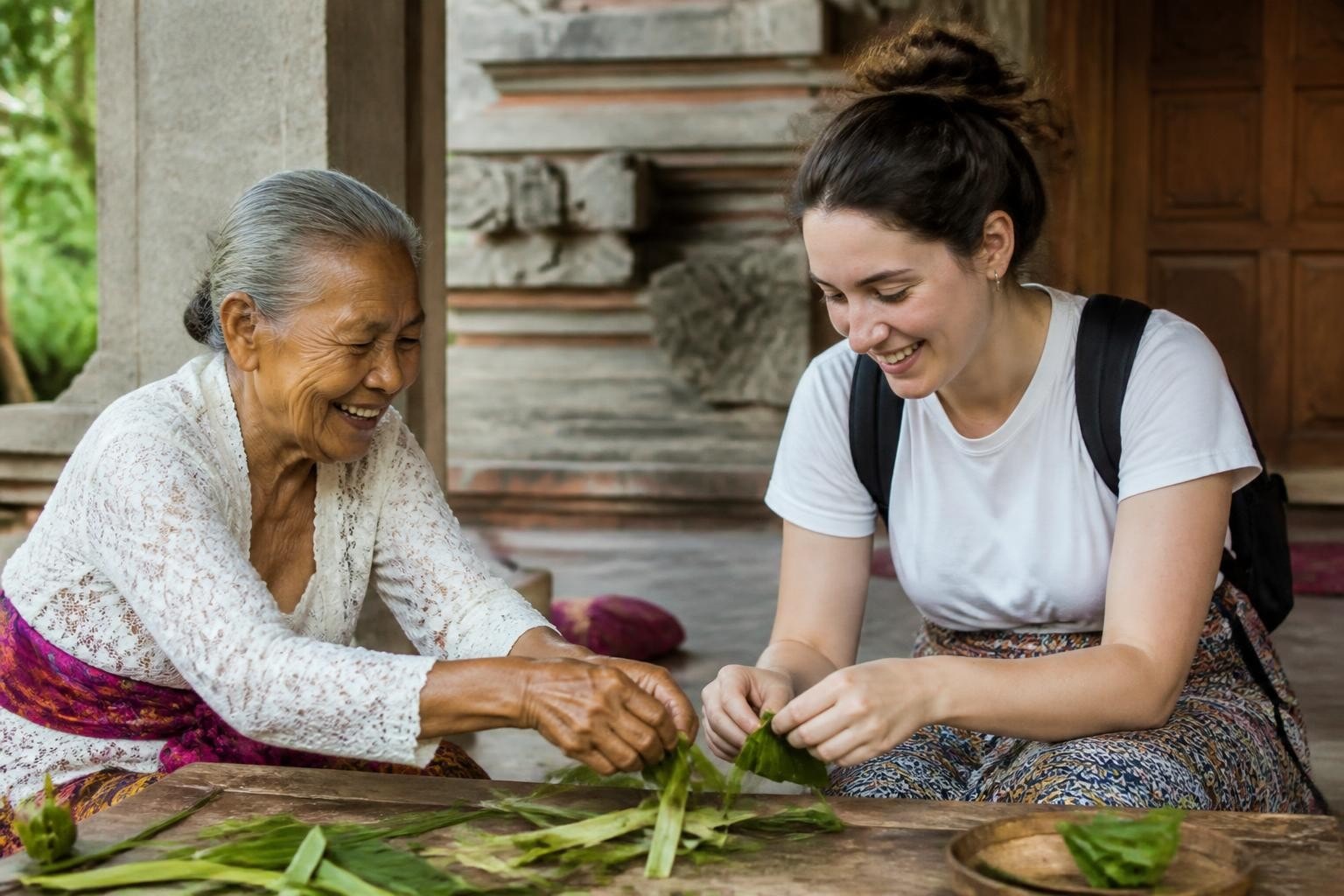
Modern travelers increasingly seek meaningful connections that go beyond conventional sightseeing. The shift toward local experiences represents more than a passing trend; it reflects a fundamental change in how people want to engage with destinations. Rather than observing from a distance, today’s visitors want to participate in daily life, learn traditional skills, and build relationships with the people who call a place home. This approach transforms passive tourism into active cultural exchange, creating memories that resonate long after the journey ends.
Understanding the Evolution of Local Experiences
The tourism industry has witnessed a dramatic transformation over the past decade. What began as small-scale homestays and village tours has evolved into a sophisticated market segment that now shapes the new tourism economy.
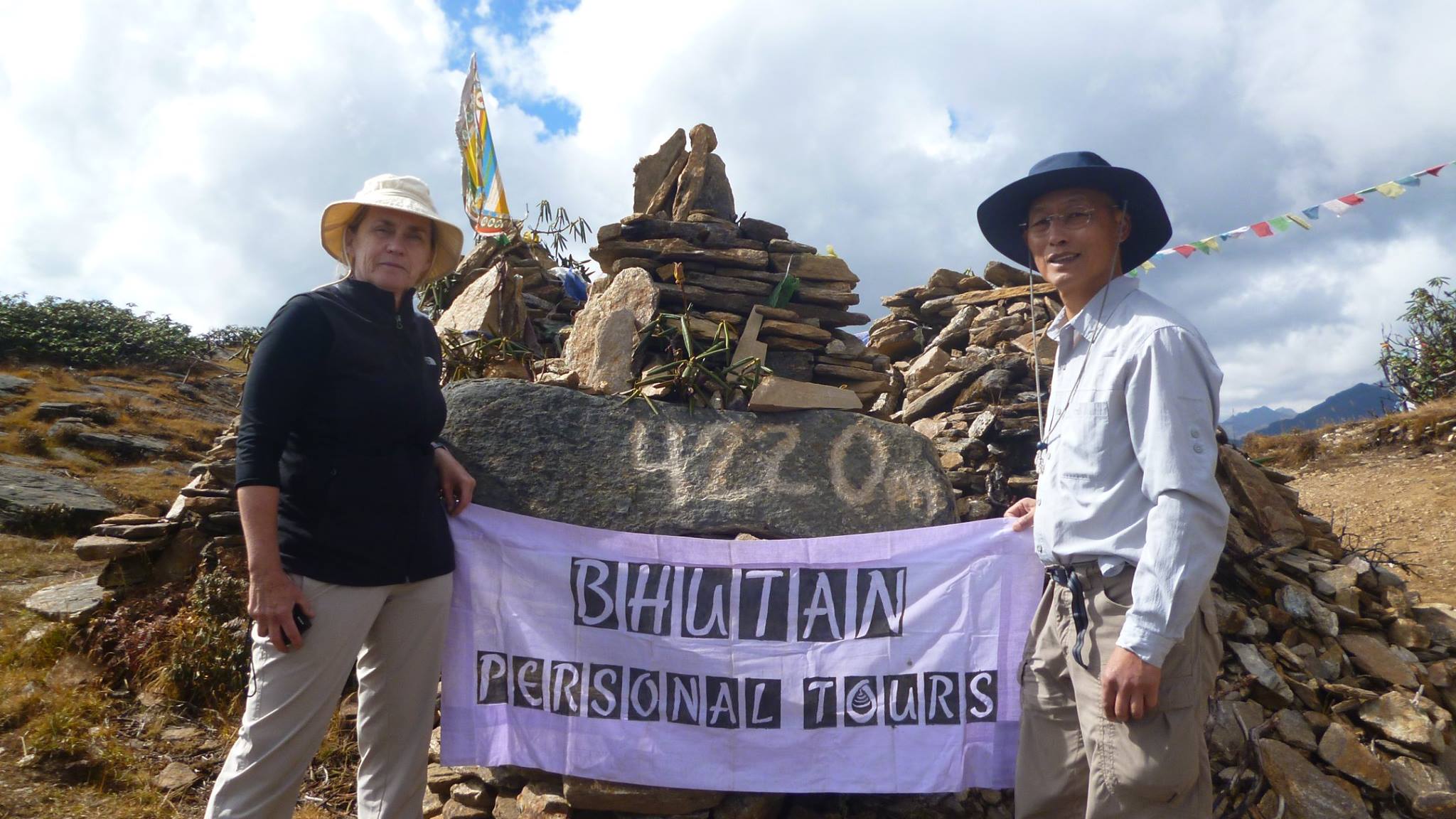
Travelers in 2026 demonstrate clear preferences for authenticity over manufactured attractions. They want to understand how communities function, what challenges locals face, and how traditional knowledge passes between generations. This desire stems from several converging factors: social media fatigue with superficial content, growing environmental consciousness, and a genuine hunger for human connection in an increasingly digital world.
Defining Authentic Cultural Engagement
Local experiences encompass activities where travelers interact directly with community members in their natural environment. The World Bank’s analysis defines these encounters as opportunities for visitors to participate in the daily activities, traditions, and livelihoods of host communities.
Key characteristics of genuine local experiences include:
-
Direct interaction with community members rather than intermediaries
-
Activities that would occur regardless of tourist presence
-
Economic benefits flowing directly to participants
-
Preservation of cultural integrity without commercialization
-
Two-way learning where both hosts and guests gain insights
The most successful programs maintain this delicate balance between accessibility for visitors and authenticity for residents.
Designing Meaningful Cultural Encounters
Creating impactful local experiences requires careful planning and deep community relationships. Tour operators must move beyond transactional thinking to build partnerships rooted in mutual respect and shared goals.
Building Community Partnerships
The foundation of any local experience program lies in strong community relationships. These partnerships take time to develop and require ongoing investment in trust-building. Operators who work with a single group at a time can dedicate the necessary attention to each community relationship, ensuring that arrangements benefit all parties.
Successful collaboration involves several critical steps:
-
Initial consultation with community leaders and potential participants
-
Capacity assessment to identify skills, knowledge, and resources available
-
Economic modeling to ensure fair compensation and sustainable revenue
-
Pilot programs with feedback loops for continuous improvement
-
Long-term agreements that protect community interests
|
Partnership Element |
Traditional Tourism |
Local Experience Model |
|---|---|---|
|
Community role |
Backdrop |
Active participant |
|
Revenue distribution |
Concentrated |
Distributed widely |
|
Cultural impact |
Often dilutive |
Preservative |
|
Visitor interaction |
Superficial |
Deep engagement |
|
Sustainability |
Questionable |
Central focus |
Understanding Gross National Happiness principles can guide operators in creating experiences that prioritize well-being over mere economic gain.
Curating Authentic Activities
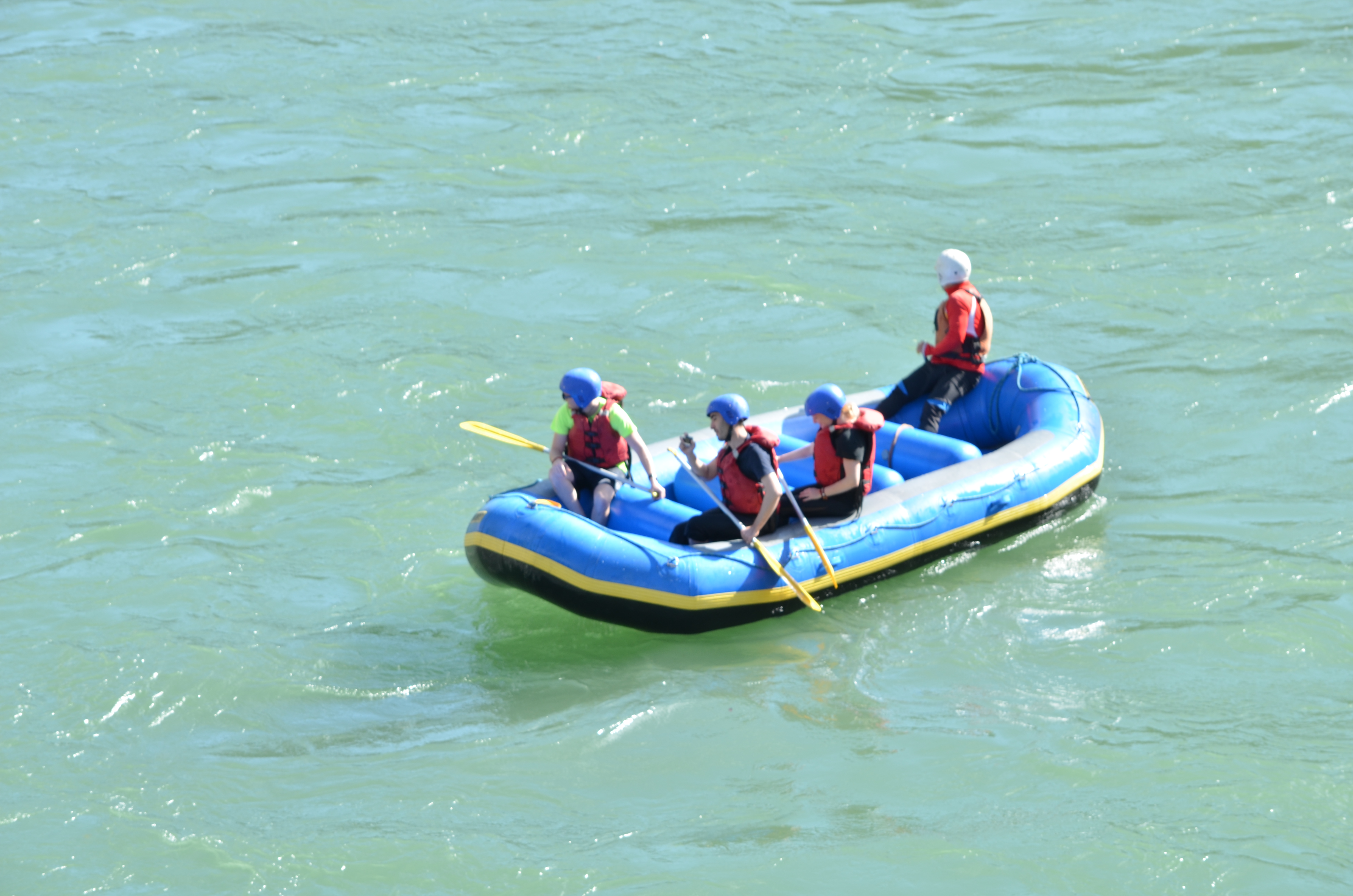
The specific activities offered must reflect genuine aspects of local life. Staged performances or artificial demonstrations undermine the entire premise of authentic engagement. Instead, focus on activities that locals practice regularly and willingly share.
High-impact activity categories include:
-
Traditional craft instruction (weaving, pottery, woodwork)
-
Agricultural participation (planting, harvesting, processing)
-
Culinary experiences (market shopping, home cooking, food preservation)
-
Spiritual practices (meditation, prayer ceremonies, philosophical discussions)
-
Environmental stewardship (conservation projects, traditional ecological knowledge)
Each activity should accommodate small groups to maintain intimacy and enable meaningful conversation. The rising interest in slow travel and traveling like a local supports longer, more immersive programs rather than rushed day trips.
Regional Approaches to Local Experiences
Different destinations require distinct strategies based on their cultural context, existing infrastructure, and community capacity. What works in one region may not translate effectively to another.
Mountain and Rural Communities
Remote areas often possess the strongest traditions and most distinctive cultural practices. However, these same communities may lack tourism infrastructure and experience. Eastern Bhutan exemplifies regions where careful development can create opportunities without overwhelming local systems.
In mountain communities, local experiences often center on:
-
Pastoral traditions and animal husbandry
-
Alpine agriculture and traditional food systems
-
Spiritual practices tied to landscape
-
Artisan crafts using local materials
-
Seasonal migrations and resource management
These activities require physical fitness and flexibility from visitors. Tour operators must screen participants carefully and prepare them for rustic conditions. The reward comes in accessing knowledge systems that have evolved over centuries.
Urban and Peri-Urban Settings
Cities offer different but equally valuable local experiences. The European market for urban experiences continues expanding as travelers seek alternatives to conventional city tours.
Urban local experiences might include:
-
Neighborhood food tours led by residents
-
Workshops with urban artisans and makers
-
Participation in community projects and initiatives
-
Home hospitality and shared meals
-
Local market navigation and shopping guidance
Cities provide easier logistics and often attract visitors already interested in authentic engagement. The challenge lies in avoiding gentrification impacts and ensuring tourism benefits don’t displace existing residents.
Implementing Sustainable Practice Standards
Long-term success requires embedding sustainability into every aspect of local experience programs. This encompasses environmental, social, cultural, and economic dimensions.
Community-Based Tourism Frameworks
Research on community-based tourism demonstrates that programs succeeding over time share common characteristics. They maintain strong local governance, ensure equitable benefit distribution, and preserve cultural integrity while adapting to visitor needs.
Essential framework components:
|
Component |
Description |
Implementation Strategy |
|---|---|---|
|
Governance |
Community decision-making |
Regular councils, transparent processes |
|
Revenue |
Fair compensation |
Direct payment, transparent accounting |
|
Capacity |
Skill development |
Training programs, mentorship |
|
Marketing |
Authentic storytelling |
Community-created content, honest representation |
|
Monitoring |
Impact assessment |
Regular surveys, feedback mechanisms |
These structures protect against exploitation while enabling communities to benefit from tourism.
Environmental and Cultural Protection
Every visitor interaction creates impact. Responsible operators minimize negative effects while enhancing positive outcomes. For destinations focused on natural vegetation and biodiversity, this becomes particularly critical.
Protective measures include group size limits, seasonal restrictions, and activity guidelines that prevent damage to fragile environments or sacred sites. Cultural protection requires similar vigilance, ensuring that sacred knowledge remains protected while shareable aspects reach interested visitors.
Crafting Compelling Itineraries
The best local experiences integrate seamlessly into broader travel programs. Isolated activities feel disconnected; properly sequenced encounters build understanding progressively.
Multi-Day Immersion Programs
Extended programs allow relationships to develop naturally. A 6 nights Western Bhutan journey can weave together conversations with monks about happiness, discussions with professors on Gross National Happiness, and participation in village life, creating a comprehensive understanding that single-day visits cannot achieve.

Effective multi-day programs follow a natural rhythm:
-
Days 1-2: Orientation and initial encounters
-
Days 3-4: Deeper participation and skill learning
-
Days 5-6: Collaborative projects and celebration
-
Day 7: Reflection and farewells
This pacing allows authentic relationships to form while respecting everyone’s energy and emotional capacity.
Balancing Structure and Spontaneity
While itineraries need frameworks, excessive rigidity kills authenticity. The best programs outline key activities but leave space for organic moments. A conversation might extend beyond scheduled time, or weather might require alternative plans.
Tour operators working with small groups can adapt more easily than large operations. When focusing on one party at a time, guides can read the group’s energy and adjust accordingly. This flexibility often produces the most memorable moments.
Marketing and Communication Strategies
Attracting the right visitors requires clear communication about what local experiences entail. Misaligned expectations lead to disappointment for both travelers and hosts.
Setting Accurate Expectations
Marketing materials must honestly represent conditions, activities, and outcomes. Beautiful photography attracts attention, but written descriptions need equal care. Specify physical requirements, accommodation standards, and the nature of interactions visitors will encounter.
Effective communication addresses:
-
Actual living conditions in host communities
-
Physical demands of activities
-
Cultural norms and expected visitor behavior
-
Language barriers and communication methods
-
Weather impacts and seasonal variations
Transparency filters out unsuitable travelers while attracting those who genuinely want these experiences.
Storytelling That Honors Hosts

The most powerful marketing comes from the voices of community members themselves. Rather than operators describing experiences, let participants share their perspectives. This approach maintains authenticity while demonstrating respect for hosts as experts in their own lives.
Video testimonials, blog posts, and social media content featuring community members create compelling narratives. These stories should focus on mutual benefit, highlighting what hosts gain from sharing their knowledge and culture.
Measuring Impact and Success
Quantifying the value of local experiences extends beyond visitor satisfaction scores. True success encompasses community wellbeing, cultural preservation, and environmental protection.
Holistic Impact Assessment
Comprehensive evaluation examines multiple indicators:
-
Economic: Income distribution, employment creation, infrastructure improvement
-
Social: Community cohesion, intergenerational knowledge transfer, pride in culture
-
Cultural: Tradition preservation, language maintenance, artistic vitality
-
Environmental: Ecosystem health, conservation awareness, sustainable practices
-
Visitor: Learning outcomes, behavioral changes, ongoing engagement
Regular assessment helps operators adjust programs to maximize positive impact while minimizing harm. The UNWTO Best Tourism Villages program demonstrates how comprehensive evaluation can guide development.
Long-Term Relationship Building
The most successful local experience programs view each visit as part of an ongoing relationship rather than a one-time transaction. Operators who maintain connections with both communities and past travelers create networks of mutual support.
This might include facilitating ongoing cultural exchange, connecting travelers with specific artisans for commissioned work, or organizing reunion visits. These extended relationships deepen understanding and create lasting benefits for all involved.
Adapting to Future Trends
The local experiences sector continues evolving as traveler preferences shift and communities develop new capacities. Operators must remain flexible while maintaining core principles.
Technology Integration
Digital tools can enhance rather than replace authentic interaction. Virtual pre-trip orientations prepare visitors for cultural norms. Translation apps facilitate deeper conversations. Digital payment systems ensure transparent, direct compensation to community members.
However, technology should support rather than dominate the experience. The goal remains face-to-face human connection, with digital tools smoothing logistics and removing barriers.
Climate Considerations
Environmental changes affect both destinations and travel patterns. Rising temperatures alter festival seasons, shift agricultural cycles, and impact wildlife viewing opportunities. Operators must work with communities to adapt programs while supporting climate resilience.
This might involve developing alternative activities for changing seasons, investing in community adaptation projects, or adjusting visit timing to minimize environmental stress during vulnerable periods.
Local experiences represent the future of meaningful travel, connecting visitors with communities through authentic cultural exchange and shared learning. When designed thoughtfully with genuine community partnership, these encounters benefit everyone involved while preserving the traditions and environments that make destinations unique. Bhutan Personal Tours and Treks specializes in creating these deep connections, working with one group at a time to ensure personal attention and facilitating meaningful conversations with monks, scholars, and community members throughout Bhutan’s valleys and villages.