
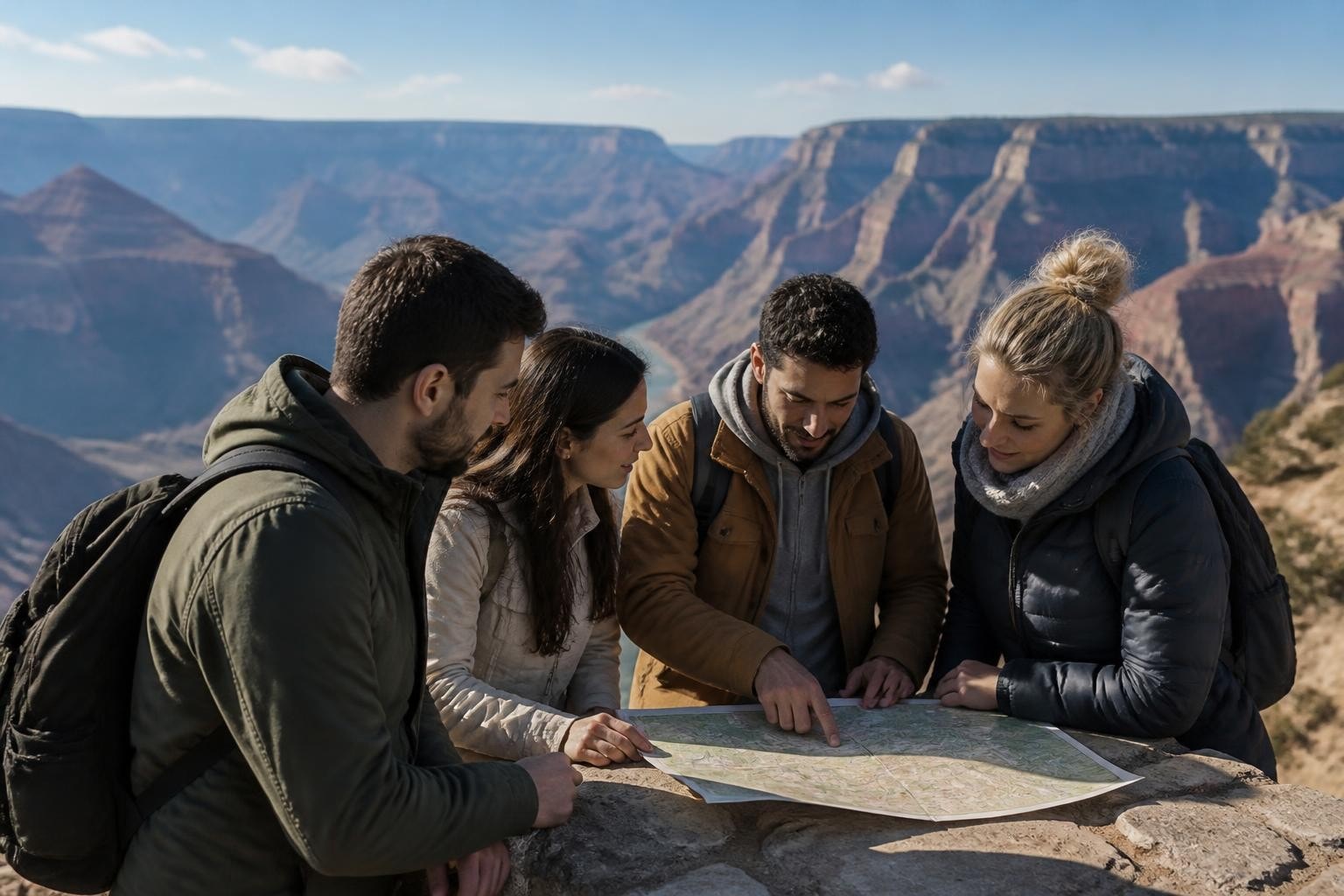
A well-designed day trip tour represents the perfect balance between adventure and accessibility. Whether you’re exploring ancient monasteries, hiking through pristine valleys, or immersing yourself in local culture, a thoughtfully planned single-day excursion can deliver transformative experiences without requiring extended time commitments. For tour operators and travelers alike, understanding the essential elements of successful day trip planning ensures every moment counts while maintaining safety, comfort, and authentic engagement.
Essential Components of a Successful Day Trip Tour
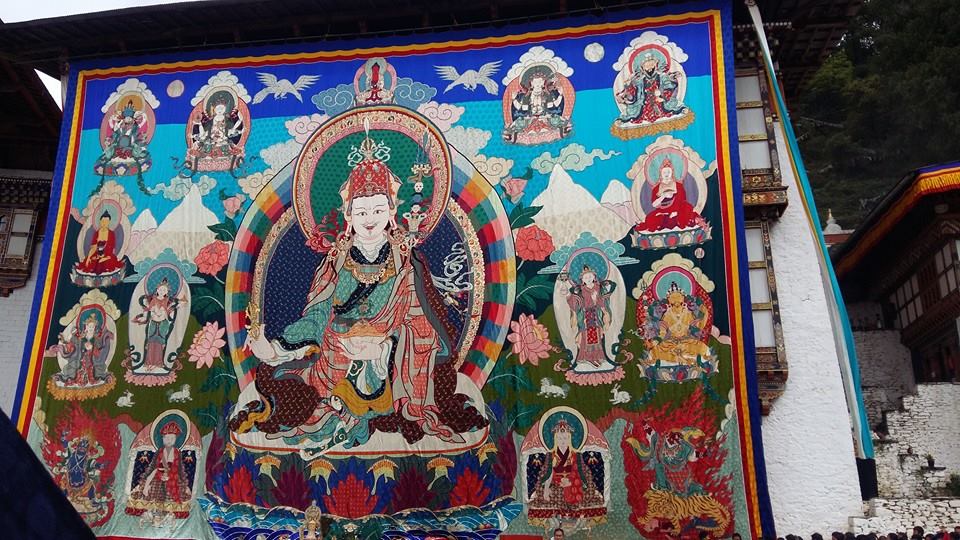
Creating memorable day trip experiences requires careful attention to multiple interconnected factors. The foundation begins with understanding your audience’s physical capabilities, interests, and expectations.
Time management stands as the most critical element. A typical day trip tour spans six to ten hours, including transportation, activities, meals, and rest periods. Operators must account for travel time to and from destinations, allowing adequate buffer for unexpected delays while avoiding rushed schedules that diminish enjoyment.
Building the Perfect Itinerary
Successful itinerary design follows a rhythm that balances activity with rest. Consider these core principles:
-
Front-load high-energy activities when guests are fresh and engaged
-
Schedule meals during natural energy dips, typically mid-morning and early afternoon
-
Include cultural interactions that provide authentic insight without feeling staged
-
Plan photo opportunities at optimal lighting times
-
Build in flexibility for spontaneous discoveries or guest requests
The best day trip tour experiences weave together multiple elements. A morning hike might transition into a traditional lunch with a local family, followed by a monastery visit where guests can engage with monks in meaningful conversation. This varied pacing prevents fatigue while maximizing diverse experiences.
|
Itinerary Element |
Recommended Duration |
Best Timing |
|---|---|---|
|
Transportation (total) |
2-3 hours |
Early morning and late afternoon |
|
Primary activity |
2-3 hours |
Mid-morning |
|
Cultural engagement |
1-2 hours |
After lunch |
|
Meal breaks |
1.5-2 hours |
11:30 AM and optional afternoon snack |
|
Photo stops |
30-45 minutes total |
Throughout, especially golden hours |
Route Planning and Logistics
Geographic considerations shape every aspect of day trip tour design. Understanding terrain, road conditions, and seasonal variations ensures realistic planning and guest safety.
Distance calculations must account for actual driving conditions rather than theoretical map distances. Mountain roads, weather impacts, and seasonal closures can dramatically affect travel times. Working with experienced local guides who know current conditions proves invaluable.
Safety and Health Considerations
Comprehensive safety protocols protect both guests and operators. The CDC Travelers’ Health guidance provides essential frameworks for health preparation and risk management during day trips.
Before departure, operators should:
-
Conduct health screenings appropriate to activity difficulty levels
-
Verify emergency contact information for all participants
-
Prepare comprehensive first aid kits with altitude-specific medications if relevant
-
Brief guests on weather conditions and appropriate clothing requirements
-
Establish communication protocols for areas with limited connectivity
Weather safety deserves particular attention. The National Weather Service provides crucial guidance on UV exposure, heat management, and severe weather preparedness that should inform every outdoor day trip tour.
Cultural Engagement and Authentic Experiences
The most memorable day trip tours transcend sightseeing to offer genuine cultural connection. This requires thoughtful planning that respects local communities while creating meaningful exchange opportunities.
Authentic engagement happens through intentional design. Rather than rushing through multiple sites, consider deeper exploration of fewer locations. A half-day spent at a single monastery where guests can participate in prayer ceremonies, speak with monks about Buddhist perspectives on happiness, and witness daily rituals creates more lasting impact than brief stops at five different temples.
Working with Local Communities
Sustainable tourism practices ensure day trip tours benefit host communities. The Global Sustainable Tourism Council criteria for tour operators establishes measurable standards for responsible tourism that should guide operational decisions.
-
Employ local guides who bring authentic knowledge and language skills
-
Source meals and supplies from community businesses
-
Respect sacred sites by following local protocols and dress codes
-
Limit group sizes to minimize environmental and cultural impact
-
Educate guests on appropriate behavior and cultural sensitivity
Seasonal Considerations and Optimal Timing
Timing dramatically influences day trip tour quality. Understanding seasonal variations helps operators design experiences that showcase destinations at their best while managing guest comfort.
Spring and autumn generally offer ideal conditions across most regions. Moderate temperatures, clear skies, and blooming landscapes or fall colors enhance visual experiences. However, these peak seasons also bring larger crowds that can diminish the intimate feel many day trip guests seek.
Weather-Specific Planning
Different seasons require adapted itineraries. Summer day trips should schedule strenuous activities during cooler morning hours, with afternoon programs focused on shaded locations or indoor cultural experiences. Winter excursions might compress outdoor activities into midday windows when temperatures peak, supplemented by visits to museums or workshops.
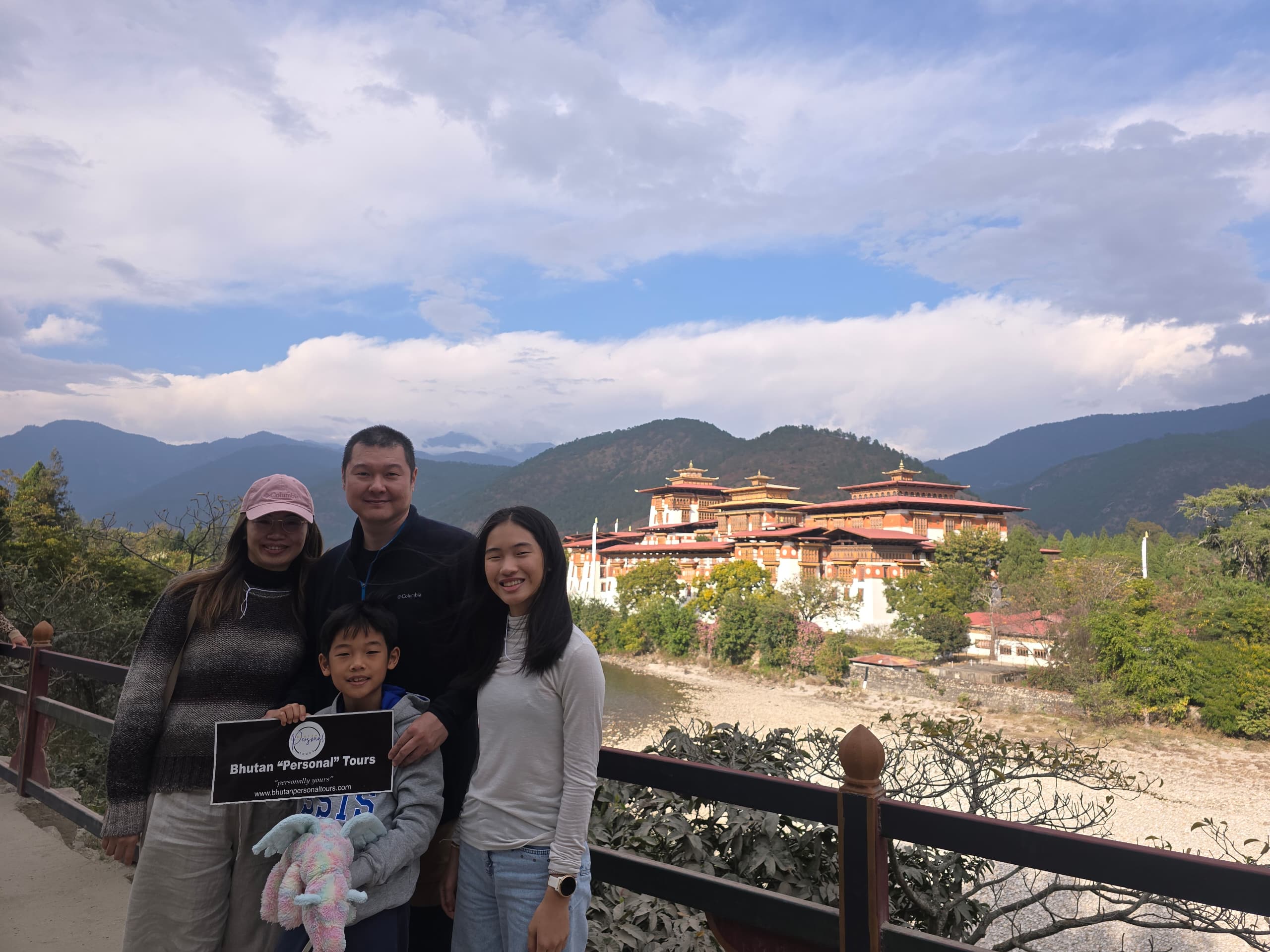
Regions like Western Bhutan demonstrate how geography and season intersect. Valley floors remain accessible year-round, while high mountain passes may close seasonally, requiring route adjustments. Understanding these patterns enables realistic planning and appropriate guest expectations.
Transportation and Vehicle Considerations
Transportation quality directly impacts guest comfort and overall experience. Vehicle selection should match terrain, group size, and activity requirements.
For mountain regions, four-wheel-drive vehicles with proper maintenance prove essential. Comfortable seating, climate control, and adequate storage for gear and purchases enhance the journey. Many operators overlook that transportation time offers valuable opportunities for education, storytelling, and building group rapport.
Driver Expertise
Professional drivers serve as more than transportation providers. The best day trip tour operators employ drivers who understand local conditions, can adapt routes based on real-time factors, and contribute to guest education through regional knowledge.
Driver qualifications should include:
-
Extensive local route experience including alternative paths
-
Defensive driving training specific to mountain or rural conditions
-
Basic first aid certification for emergency situations
-
Cultural sensitivity when interacting with guests and communities
-
Mechanical knowledge sufficient for minor roadside repairs
Meal Planning and Dietary Accommodations
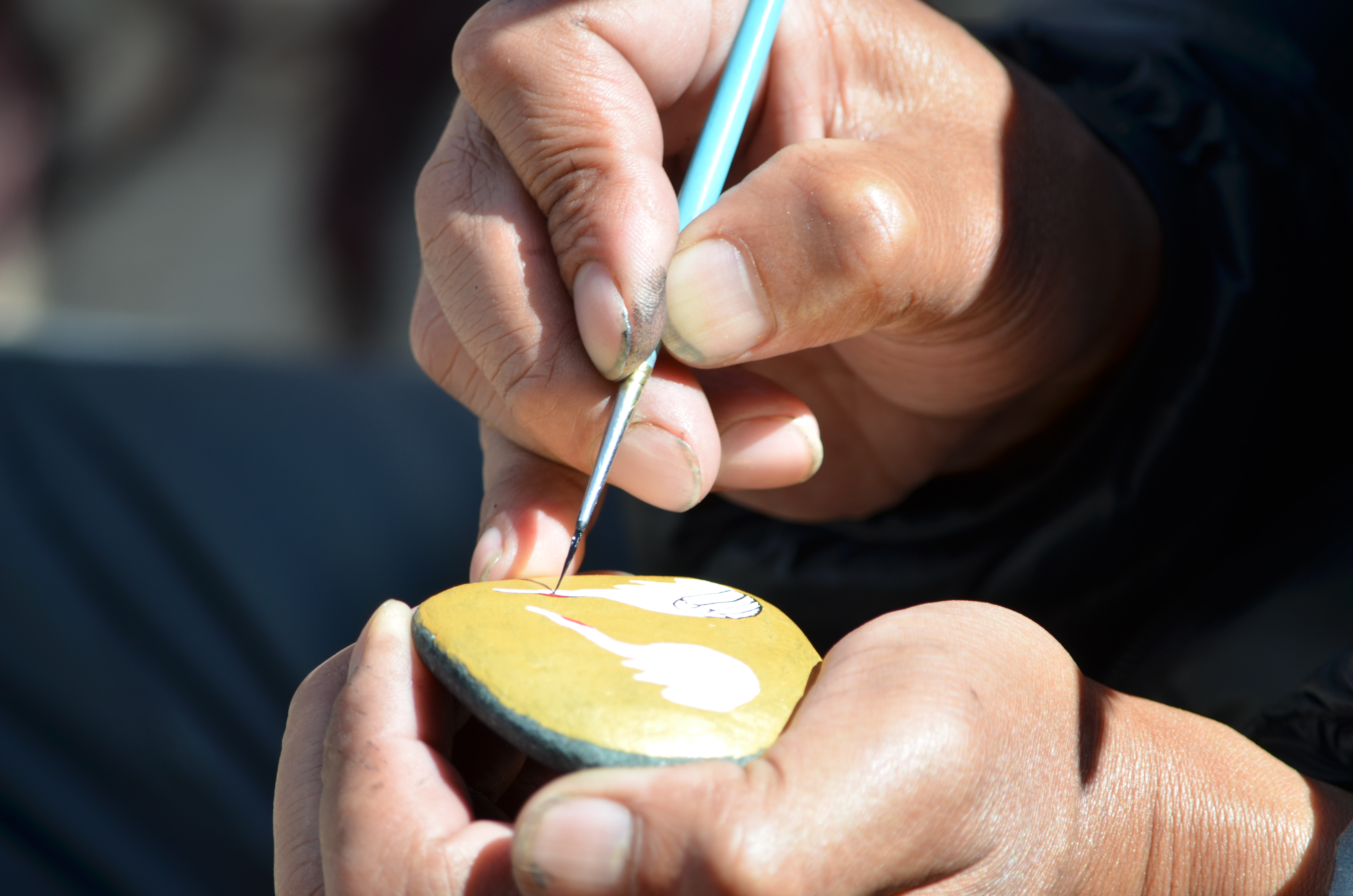
Food experiences constitute memorable highlights of exceptional day trip tours. Moving beyond packed lunches to incorporate authentic local cuisine elevates the entire experience while supporting community economies.
Restaurant selection should balance authenticity with hygiene standards. Family-run establishments often provide the most genuine flavors and cultural atmosphere, but operators must verify food safety practices to protect guest health.
|
Meal Type |
Recommended Approach |
Cultural Benefit |
|---|---|---|
|
Breakfast |
Hotel or guesthouse |
Energy foundation for day |
|
Mid-morning snack |
Local bakery or market |
Spontaneous cultural interaction |
|
Lunch |
Traditional restaurant or home meal |
Authentic cuisine and conversation |
|
Afternoon refreshment |
Tea house or café |
Rest and cultural immersion |
Managing Dietary Restrictions
Professional operators accommodate diverse dietary needs without compromising cultural authenticity. Advance communication with restaurants ensures vegetarian, vegan, gluten-free, or religious dietary requirements are met thoughtfully rather than as afterthoughts.
The challenge becomes balancing special needs with authentic experience. A guest with food allergies should still taste local flavors through adapted traditional recipes rather than generic international alternatives that could be found anywhere.
Dietary accommodation strategy showing how to honor food restrictions while maintaining authentic local cuisine experiences
Group Dynamics and Personalized Attention
Group size fundamentally shapes day trip tour character. Smaller groups enable deeper engagement, flexibility, and personalized attention that larger tours cannot match.
Single-group focus allows operators to adapt on the fly. If guests show particular interest in textile weaving, an operator managing only one group can extend time at a weaving center and adjust the afternoon schedule accordingly. This responsiveness transforms standard tours into personalized journeys.
Creating Connection Among Strangers
Even with small groups, facilitating positive dynamics requires skill. Opening circle introductions, strategic seating rotations during transportation, and group activities that encourage collaboration help solo travelers and couples feel part of a temporary community.
The guide’s role extends beyond information delivery to social facilitation. Reading group energy, identifying quiet members who might appreciate direct engagement, and managing dominant personalities ensures everyone’s experience remains positive.
Economic Impact and Sustainability
Day trip tours generate significant economic benefits for local communities. The National Park Service’s visitor spending analysis demonstrates how even short visits create measurable local economic impact through transportation, food, guide services, and purchases.
Sustainable practices ensure these economic benefits continue long-term. Operators should:
-
Distribute visitor spending across multiple communities rather than concentrating it
-
Pay fair wages to all staff including drivers and support personnel
-
Purchase local products for guest amenities and gifts
-
Minimize environmental impact through waste management and resource conservation
-
Educate guests on responsible spending that benefits communities directly
Specialized Day Trip Tour Formats
Different destinations and audiences call for specialized approaches. Activity-based day trips such as mountain biking excursions require technical skill assessment, appropriate equipment, and backup transportation options.
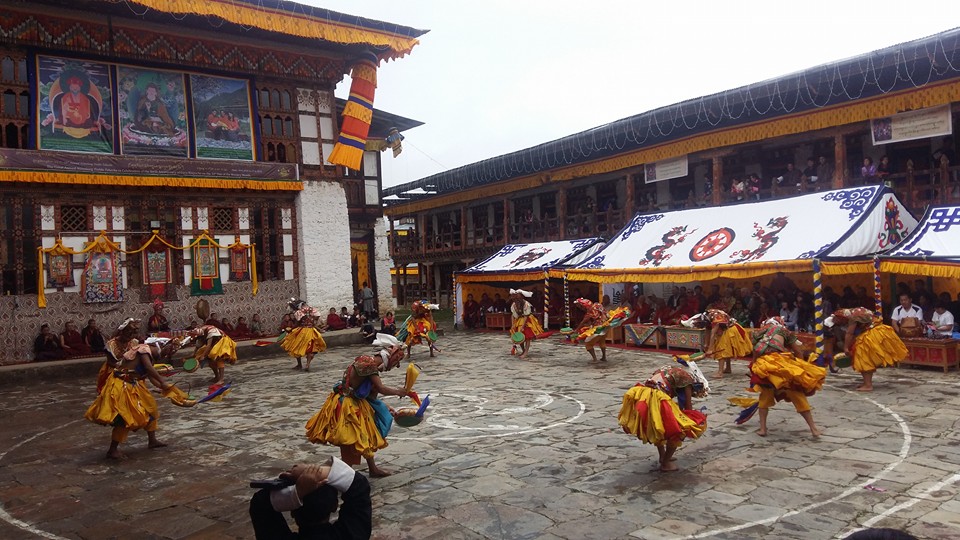
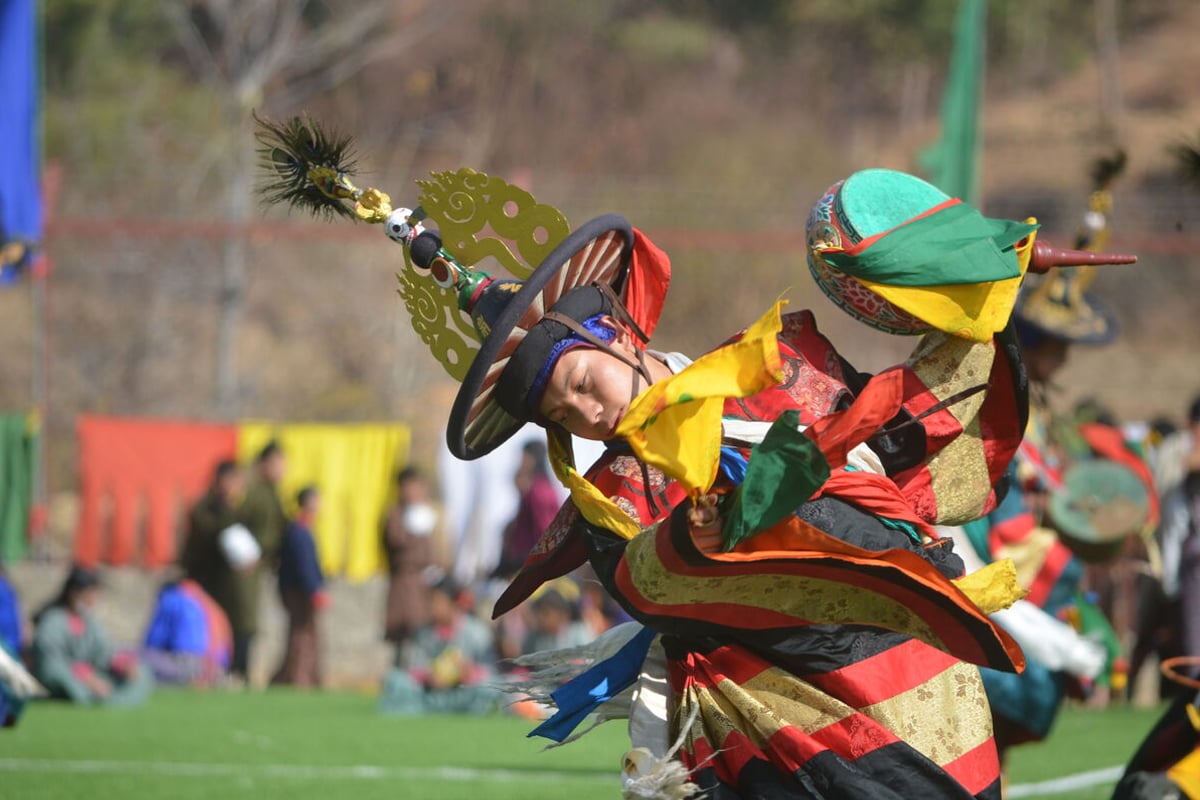
Festival-centered tours build experiences around cultural events. Bhutanese festivals offer extraordinary opportunities for day trip immersion in living traditions, but require advance planning around fixed annual dates and managing larger local crowds.
Nature and Wildlife Focus
Wildlife-viewing day trips demand specialized knowledge and ethical practices. Black-necked crane viewing in winter months exemplifies how seasonal wildlife patterns can anchor compelling single-day experiences when combined with habitat education and conservation messaging.
Nature-focused tours should maintain appropriate distances from wildlife, avoid feeding or disturbing animals, and educate guests on ecosystem relationships. The guide’s naturalist knowledge transforms simple observation into meaningful understanding.
Photography and Memory Creation
Visual documentation increasingly drives travel decisions. Day trip tours should facilitate photography while ensuring the pursuit of images doesn’t override present-moment experience.
Strategic photo stops at optimal lighting times and viewpoints ensure guests capture quality images without constantly interrupting the itinerary. Morning and late afternoon golden hours provide superior lighting for landscape photography, while cultural interactions often photograph best in natural indoor light without flash.
Professional guides understand when photography is appropriate and when it should be restricted. Sacred ceremonies, private moments in local homes, and certain religious sites require sensitivity about image-making. Clear communication about these boundaries prevents uncomfortable situations.
Advanced Booking and Communication
Clear pre-trip communication sets appropriate expectations and prevents disappointment. Detailed itinerary descriptions should specify:
-
Physical difficulty levels with honest assessments
-
Walking distances and terrain types
-
Elevation changes and altitude considerations
-
Bathroom facility availability and standards
-
Weather contingency plans
For those seeking multi-day cultural immersion that builds on day trip experiences, programs like the 6 nights Western Bhutan amusement offer extended opportunities to explore sacred monasteries, dramatic mountain valleys, and engage deeply with monks and scholars about Buddhist philosophy and Gross National Happiness while maintaining the personalized attention that characterizes exceptional day tours.
Emergency Protocols and Risk Management
Comprehensive emergency planning protects guests and operators while enabling confident exploration. Every day trip tour should have documented protocols for medical emergencies, vehicle breakdowns, severe weather, and other potential disruptions.
Emergency communication systems must function even in remote areas. This might include satellite phones, established check-in schedules with base operations, or pre-arranged emergency contacts in communities along the route.
Medical emergency response requires:
-
Identified nearest medical facilities along the route with contact information
-
Pre-arranged evacuation procedures including helicopter access points if relevant
-
Staff trained in wilderness first aid appropriate to the environment
-
Emergency medical information for all guests including allergies and existing conditions
-
Travel insurance verification including evacuation coverage
Quality Control and Continuous Improvement
Exceptional operators treat each day trip tour as an opportunity for refinement. Post-tour debriefs with guides identify what worked well and what needs adjustment. Guest feedback, both solicited and unsolicited, provides invaluable perspective on the experience from the customer viewpoint.
Systematic evaluation should assess:
-
Timing accuracy and appropriate pacing
-
Guide performance and knowledge gaps
-
Guest satisfaction with meals and venues
-
Transportation comfort and reliability
-
Achievement of learning and cultural engagement objectives
This feedback loop drives continuous improvement. A consistently mentioned guest interest in traditional architecture might lead to adding a master craftsman visit. Recurring timing issues on a particular route segment might prompt schedule adjustments.
Training and Guide Development
Guide quality makes or breaks day trip tour experiences. Comprehensive training programs should develop not just factual knowledge but storytelling ability, cultural sensitivity, crisis management skills, and customer service excellence.
Ongoing education keeps guides current on tourism policies, sustainable practices, and emerging guest interests. Senior guides mentoring newer team members transfers tacit knowledge about reading groups, handling difficult situations, and creating magical moments.
The best guides combine encyclopedic local knowledge with genuine enthusiasm. They answer questions thoroughly, admit when they don’t know something, and follow up with researched answers. They facilitate rather than dominate, creating space for guest discovery while providing context that deepens understanding.
Planning an exceptional day trip tour requires balancing logistics, cultural sensitivity, safety, and genuine engagement to create transformative single-day experiences. Whether you’re exploring sacred valleys, engaging with local traditions, or discovering hidden natural wonders, thoughtful preparation ensures every moment delivers meaningful value. Bhutan Personal Tours and Treks specializes in personalized day trip experiences throughout Bhutan, combining over two decades of guiding expertise with one-group-at-a-time attention that ensures your comfort, safety, and authentic cultural connection. Let us craft your perfect Bhutanese day trip adventure.