
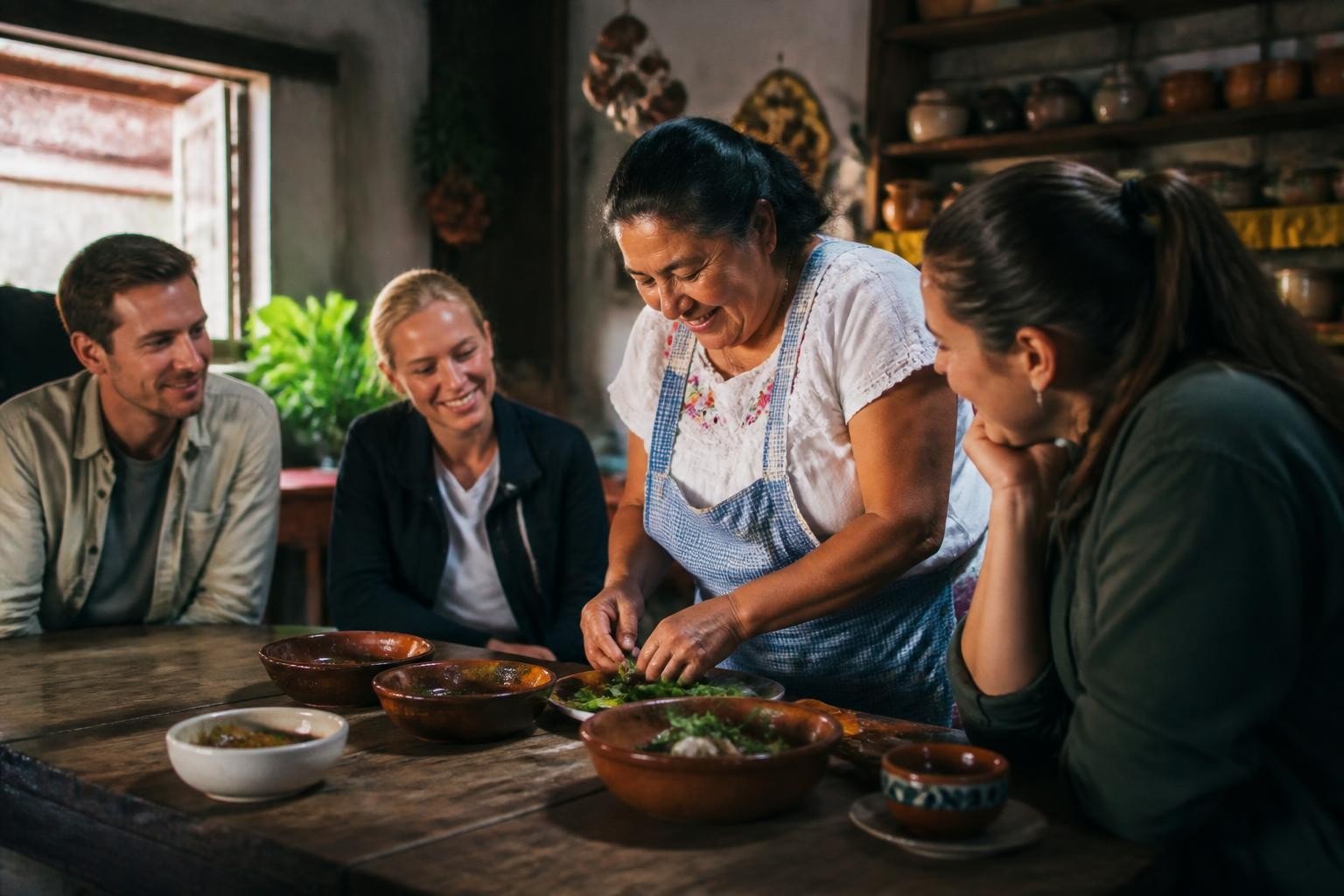
The travel industry has witnessed a remarkable transformation in recent years, with small group travel companies emerging as the preferred choice for discerning travelers seeking authentic, personalized experiences. Unlike mass-market tours that herd dozens of participants through predetermined itineraries, these specialized operators focus on intimate gatherings, typically ranging from four to sixteen travelers, creating opportunities for genuine cultural immersion and meaningful connections. According to ATTA’s Adventure Travel Trends & Insights report, guided small-group itineraries have seen consistent growth as travelers increasingly prioritize quality over quantity, seeking deeper engagement with destinations rather than superficial sightseeing.
Understanding the Small Group Travel Model
Small group travel companies operate on a fundamentally different philosophy than traditional tour operators. These businesses deliberately limit participant numbers to ensure each traveler receives personalized attention, flexible itinerary adjustments, and access to experiences that would be logistically impossible with larger crowds.
The economic model relies on premium pricing that reflects enhanced service levels, expert guides, and exclusive access to cultural sites, artisan workshops, and local communities. This approach attracts travelers willing to invest more for transformative experiences rather than budget-conscious tourists seeking the lowest price point.
Core Characteristics of Small Group Operators
Group Size and Composition
- Maximum capacity typically between 4 and 16 participants
- Careful matching of traveler interests and physical capabilities
- Age-appropriate groupings for specialized demographics
- Solo-friendly policies that eliminate or reduce single supplements
Service Differentiation
- Higher guide-to-traveler ratios ensuring individual attention
- Flexibility to modify itineraries based on group interests
- Access to smaller venues, family-run restaurants, and private homes
- Transportation in comfortable vehicles rather than large coaches
Expertise and Specialization
Most successful small group travel companies develop deep expertise in specific regions or travel styles. This specialization allows them to cultivate relationships with local experts, secure exclusive access to cultural sites, and design itineraries that reflect authentic destination character rather than tourist clichés.
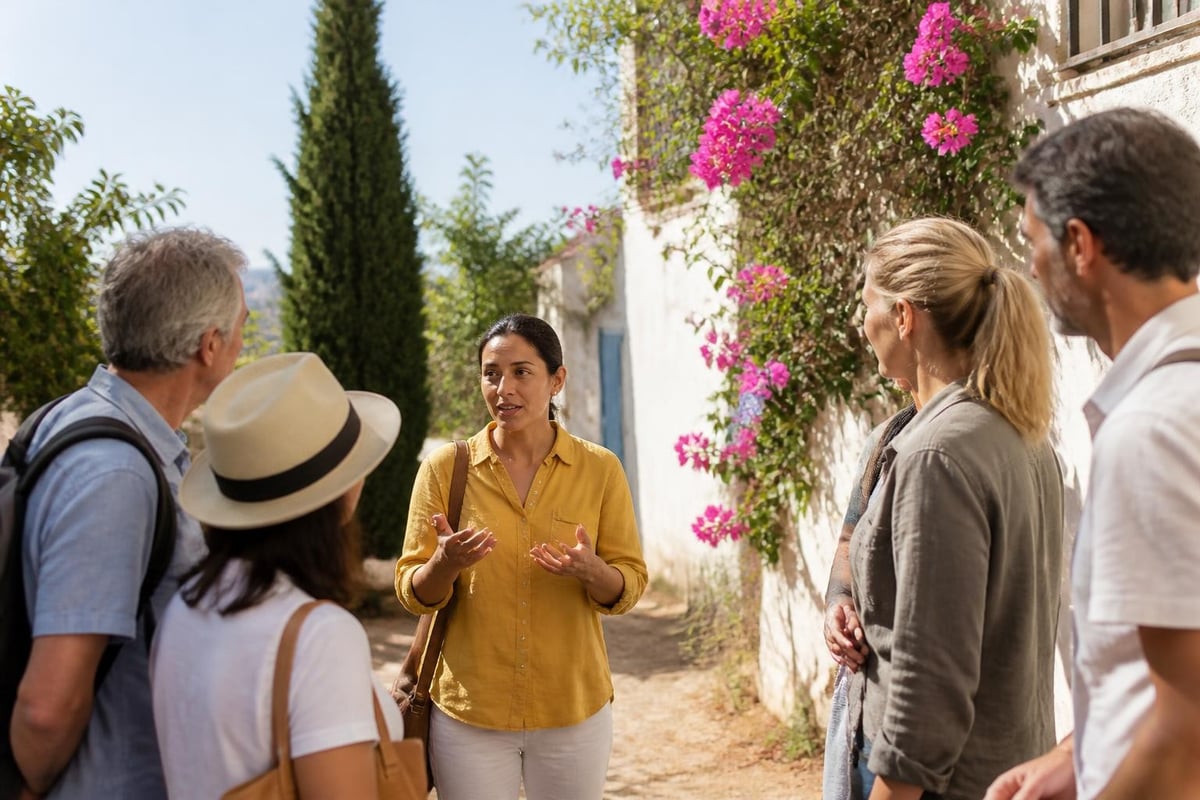
The Business Case for Small Group Travel
The World Travel & Tourism Council Research Hub indicates that experiential and personalized travel segments are outpacing mass-market growth, with small group operators positioned to capture increasing market share. This trend reflects broader shifts in consumer values and travel motivations.
Market Demand Drivers
Post-Pandemic Travel Preferences
Following global health concerns, travelers increasingly prefer smaller gatherings that offer both social connection and personal space. The UN Tourism international arrivals data shows strong recovery in international tourism through 2025, with guided group travel representing a significant portion of bookings as travelers seek the security of professional organization combined with the intimacy of small gatherings.
Addressing Social Connection Needs
Research from Skift on travel and social connection highlights how small group travel addresses modern loneliness by facilitating genuine connections between like-minded travelers. These experiences create natural opportunities for conversation, shared discovery, and lasting friendships that emerge from collaborative exploration.
Demographic Considerations
| Demographic Segment | Primary Motivations | Typical Group Size Preference |
|---|---|---|
| Solo Travelers 35-55 | Connection, Safety, Shared Experience | 8-12 participants |
| Active Retirees 60+ | Cultural Learning, Comfort, Pace Control | 6-10 participants |
| Multi-generational Families | Bonding, Expert Guidance, Stress Reduction | 4-8 participants |
| Professional Couples 40-60 | Authenticity, Exclusivity, Efficiency | 6-12 participants |
Operational Excellence in Small Group Management
Running a successful small group travel company requires distinct operational capabilities that differ significantly from mass-market tour operations. The focus shifts from volume efficiency to service excellence and relationship management.
Itinerary Design and Flexibility
The most effective small group travel companies build flexibility into their itineraries while maintaining structural integrity. This balance allows guides to capitalize on spontaneous opportunities, such as an unexpected festival invitation or a chance encounter with local artisans, without compromising the overall trip framework.
Planning Considerations
- Buffer time built into daily schedules for organic discoveries
- Alternative options researched for weather-dependent activities
- Pre-established relationships with multiple local providers
- Clear communication protocols for real-time adjustments
Guide Selection and Training
Guides represent the crucial differentiator for small group operators. Unlike mass-market tours where guides primarily manage logistics and deliver scripted information, small group guides must balance multiple roles: cultural interpreter, safety manager, conflict mediator, and experience curator.
Professional operators invest significantly in guide development, ensuring staff possess both deep destination knowledge and interpersonal skills necessary for managing group dynamics. The guide becomes the thread connecting all experience elements, from explaining Bhutanese cultural practices to facilitating meaningful conversations with local experts.
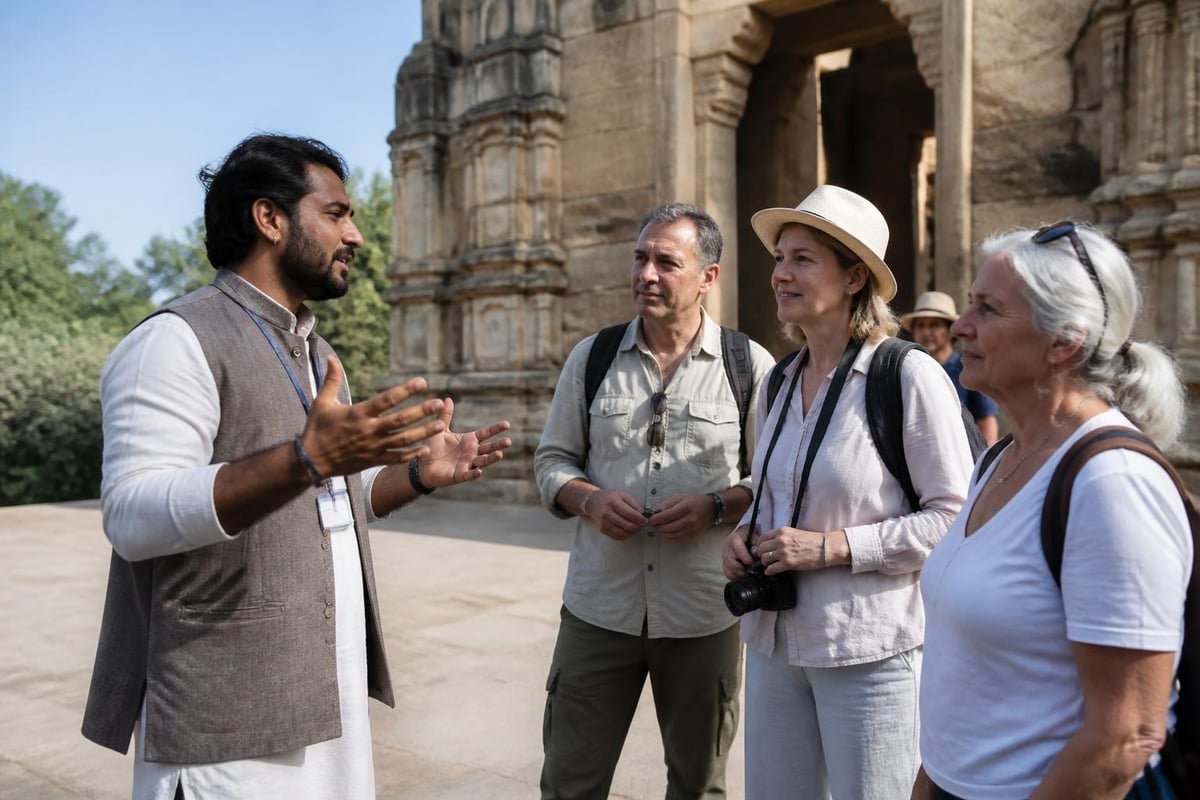
Destination Selection and Access
Small group travel companies often excel in destinations where intimate group size provides competitive advantages. These locations typically reward slower exploration, cultural sensitivity, and relationships with local communities.
Ideal Destination Profiles
Culturally Rich, Infrastructure-Limited Regions
Destinations like Bhutan exemplify ideal territories for small group operators. The country's tourism policy naturally aligns with small group principles, emphasizing high-value, low-impact tourism that preserves cultural integrity and environmental sustainability.
Remote and Fragile Ecosystems
- Limited accommodation capacity favoring smaller groups
- Environmental regulations restricting visitor numbers
- Access to protected areas requiring special permits
- Wildlife viewing enhanced by quiet, small group presence
Destinations Requiring Cultural Sensitivity
Small group travel companies can facilitate deeper engagement with communities where large tour groups would be intrusive or culturally inappropriate. This includes visits to working monasteries, artisan workshops, private homes, and sacred sites where respectful interaction requires limited numbers and proper cultural preparation.
Building Local Partnerships
Successful operators develop long-term relationships with destination communities, creating mutually beneficial arrangements that extend beyond transactional tourism. These partnerships often include:
- Direct collaboration with local families for homestay experiences
- Revenue sharing with village cooperatives and cultural organizations
- Employment of local guides and cultural interpreters
- Support for community development and conservation initiatives
Marketing and Customer Acquisition
Small group travel companies face unique marketing challenges and opportunities. Without the advertising budgets of large tour operators, these businesses rely on reputation, word-of-mouth referrals, and targeted digital marketing to reach their ideal customers.
Digital Presence and Content Strategy
Website Optimization
- Detailed itinerary information with daily breakdowns
- Transparent pricing including what's included and excluded
- Authentic photography featuring real travelers and actual experiences
- Guide profiles highlighting expertise and personality
- Clear policies on group composition and solo travelers
Content Marketing Approaches
| Content Type | Purpose | Example Topics |
|---|---|---|
| Destination Guides | SEO, Education | "Understanding Bhutanese Festival Culture" |
| Travel Stories | Inspiration, Trust-Building | "A Week with Black-Necked Cranes in Phobjikha" |
| Practical Advice | Authority, Customer Service | "Preparing for High-Altitude Trekking" |
| Behind-the-Scenes | Transparency, Differentiation | "How We Select and Train Our Guides" |
Leveraging Past Traveler Relationships
Small group operators benefit from unusually strong customer loyalty. The intimate nature of shared travel experiences creates lasting bonds between travelers and operators, leading to repeat bookings and enthusiastic referrals.
Retention Strategies
- Alumni networks connecting past travelers
- Exclusive advance access to new itineraries
- Reunion trips or special events for previous participants
- Personalized communication acknowledging individual preferences
Pricing Strategy and Value Communication
Small group travel companies must effectively communicate value to justify premium pricing. This requires transparent explanation of cost drivers and clear differentiation from budget alternatives.
Cost Structure Transparency
Travelers increasingly appreciate understanding where their money goes. Progressive operators openly discuss how trip costs break down across accommodation quality, guide compensation, local community support, permits and fees, and operational margins.
Value Drivers to Emphasize
- Expert guide expertise and personalized attention
- Exclusive access to cultural experiences unavailable to independent travelers
- Quality accommodation in character properties versus chain hotels
- Meals at locally-owned restaurants supporting community economies
- Comprehensive logistics eliminating travel stress and uncertainty
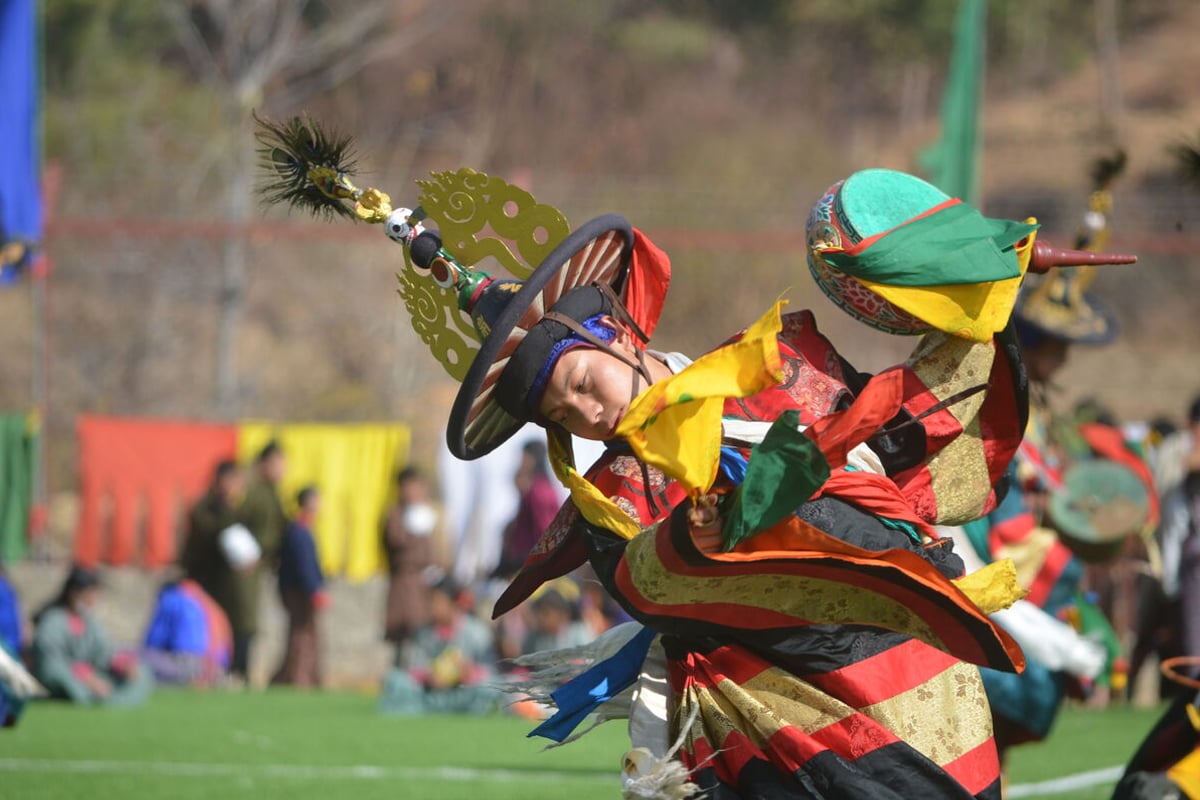
For specialized destinations like Bhutan, a 6 nights Western Bhutan journey offers exceptional value by combining dramatic mountain landscapes, encounters with monks to discuss Buddhist perspectives on happiness, conversations with professors about Gross National Happiness, and intimate cultural immersion impossible in larger group settings. Taking one group at a time ensures deeply personalized experiences with local experts.
Competitive Positioning
Small group travel companies occupy a distinct market position between independent travel and mass-market tours. Effective positioning acknowledges both alternatives while highlighting unique benefits.
Comparison Framework
| Aspect | Independent Travel | Small Group Tours | Mass-Market Tours |
|---|---|---|---|
| Flexibility | High | Moderate-High | Low |
| Cultural Access | Variable | High | Low-Moderate |
| Social Connection | Low | High | Moderate |
| Stress Level | High | Low | Moderate |
| Local Expertise | Self-Researched | Professional | Scripted |
| Cost Efficiency | Variable | Premium | Budget-Moderate |
Operational Challenges and Solutions
Running small group travel companies involves navigating distinct operational challenges that require creative solutions and disciplined management.
Managing Group Dynamics
Even carefully curated small groups can experience interpersonal challenges. Professional operators develop protocols for addressing personality conflicts, managing differing physical capabilities, and ensuring all participants feel included and valued.
Proactive Management Techniques
- Pre-trip questionnaires assessing expectations and preferences
- Clear ground rules established at trip outset
- Private check-ins with individual travelers
- Optional activities allowing personal space
- Guide training in conflict resolution and group facilitation
Financial Sustainability
Small group economics require careful balance. Lower participant numbers mean reduced per-trip revenue, demanding higher margins and consistent booking rates to maintain profitability.
Revenue Optimization Strategies
- Year-round programming across multiple destinations
- Varied price points for different trip styles and durations
- Strategic partnerships with complementary operators
- Ancillary revenue from pre-trip preparation services
- Efficient back-office operations minimizing overhead
Sustainability and Responsible Travel
Small group travel companies are naturally positioned to lead in sustainable tourism practices. The intimate scale allows for meaningful environmental stewardship and genuine community benefit rather than performative sustainability marketing.
Environmental Impact Management
Operational Practices
- Carbon footprint calculation and offset programs
- Waste reduction through reusable water bottles and minimal packaging
- Accommodation selection favoring environmentally responsible properties
- Transportation choices balancing comfort with emissions
- Education about local conservation challenges and solutions
Community Benefit Frameworks
The U.S. Travel Association’s group travel research indicates that travelers increasingly evaluate tour operators on community impact. Small group companies can demonstrate tangible local benefit through transparent practices.
Measurable Community Contributions
- Percentage of trip cost remaining in destination economy
- Local employment numbers and compensation levels
- Direct support for conservation or cultural preservation projects
- Revenue sharing with community organizations
- Skills development and training for local guides and service providers
Technology Integration for Small Operators
While small group travel companies emphasize personal service, strategic technology adoption enhances operational efficiency and customer experience without sacrificing the human touch.
Customer-Facing Technology
Booking and Communication Platforms
- Mobile-responsive websites with secure payment processing
- Customer relationship management systems tracking preferences
- Trip planning apps providing itinerary details and real-time updates
- Video conferencing for pre-trip orientations
- Post-trip feedback collection and review management
Operational Technology
- Guide communication tools for real-time coordination
- Vendor management systems tracking partnerships and contracts
- Financial management software for multi-currency operations
- Documentation systems for permits, insurance, and compliance
- Data analytics tracking booking patterns and customer demographics
Specialized Niches Within Small Group Travel
Many successful small group travel companies further specialize within niche markets, developing deep expertise that attracts specific traveler demographics.
Adventure and Active Travel
Operators focusing on trekking experiences or activities like mountain biking serve travelers seeking physical challenge combined with cultural immersion. These trips require specialized guide skills, safety protocols, and equipment management.
Cultural and Educational Focus
Programs emphasizing learning and cultural exchange appeal to intellectually curious travelers. These might include photography workshops, culinary experiences, or deep dives into specific cultural practices.
Wellness and Transformation
Growing demand for wellness travel has spawned small group operators focusing on yoga retreats, meditation journeys, and holistic health experiences integrated with cultural exploration.
Building a Successful Small Group Travel Company
For entrepreneurs and established operators considering the small group model, several foundational elements determine long-term success.
Essential Success Factors
Authentic Expertise
Credibility in small group travel comes from genuine destination knowledge and cultural understanding. Operators must either possess this expertise directly or partner with local experts who do. Surface-level destination knowledge becomes immediately apparent to discerning travelers in intimate group settings.
Operational Excellence
- Meticulous planning with contingency protocols
- Reliable vendor relationships ensuring consistent quality
- Financial reserves for unexpected challenges
- Insurance and risk management frameworks
- Clear cancellation and modification policies
Brand Identity and Differentiation
Small group travel companies must articulate a clear value proposition that resonates with target audiences. This might emphasize adventure, luxury, cultural immersion, sustainability, or specific destination expertise.
Growth Strategies
Sustainable Scaling Approaches
- Geographic expansion to complementary destinations
- Seasonal programming across different regions
- Partnership models with other small operators
- Franchise or licensing arrangements maintaining quality standards
- Alumni programs generating referral business
Quality Control and Continuous Improvement
Maintaining service excellence requires systematic quality monitoring and responsive improvement processes.
Feedback Integration
Professional small group travel companies implement structured feedback collection at multiple trip stages: mid-journey check-ins, immediate post-trip surveys, and follow-up conversations weeks after return when reflection deepens.
Actionable Metrics
- Net Promoter Score tracking referral likelihood
- Guide performance ratings on specific competencies
- Accommodation and meal quality assessments
- Itinerary pacing and activity balance evaluation
- Value perception relative to investment
Staff Development
Investing in guide training and development pays dividends in service quality and customer satisfaction. This includes destination education, cultural sensitivity training, first aid and safety certification, group management skills, and continuous learning about evolving traveler expectations.
Small group travel companies have established themselves as the preferred choice for travelers seeking authentic cultural immersion, personalized service, and meaningful connections in an increasingly crowded tourism landscape. By focusing on intimate group sizes, expert guides, and deep destination knowledge, these operators deliver transformative experiences that mass-market alternatives simply cannot match.
Bhutan Personal Tours and Treks exemplifies this commitment to excellence, taking just one group at a time to ensure personalized attention and exceptional organization. With Tsering Penjor's extensive experience as a tour guide since 2002, the company creates customized itineraries that showcase Bhutan's stunning beauty and rich culture while facilitating genuine connections with local experts on Buddhist philosophy, Gross National Happiness, and traditional practices. Whether you're drawn to exploring Western Bhutan’s monasteries, witnessing spectacular festivals, or trekking through pristine mountain landscapes, discover how truly personalized small group travel can transform your journey into an unforgettable experience.