
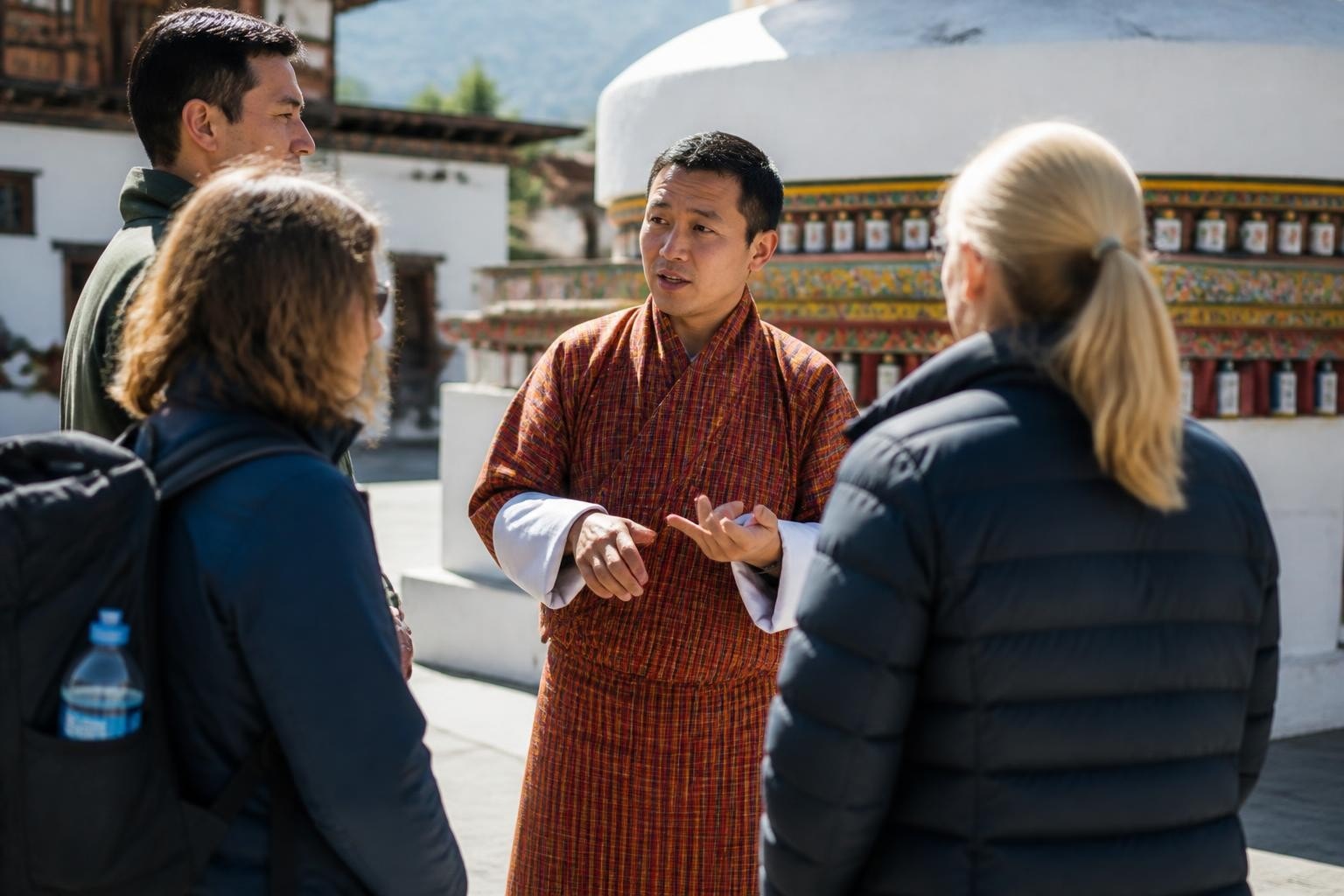
Exploring a new destination brings excitement and anticipation, but it also raises practical questions about logistics, cultural etiquette, and maximizing your travel experience. For destinations as culturally rich and geographically diverse as Bhutan, many travelers wonder whether they truly need a guide or can navigate independently. The answer depends on what you hope to gain from your journey, how deeply you wish to engage with local culture, and whether you value authentic connections over surface-level sightseeing. Professional guidance transforms travel from simple tourism into meaningful cultural exchange, particularly in destinations where traditional values, spiritual practices, and community customs shape daily life.
Understanding the Role of Professional Travel Guides
The value of professional travel guidance extends far beyond basic navigation and itinerary management. When you need a guide, you're seeking someone who serves as cultural interpreter, logistical coordinator, safety advocate, and knowledge resource all in one. This multifaceted role proves especially critical in destinations where language barriers, cultural protocols, and specialized access requirements create challenges for independent travelers.
Professional guides bring years of accumulated knowledge about local history, ecology, spiritual practices, and community dynamics. According to the World Federation of Tourist Guide Associations, qualified guides undergo rigorous training in cultural interpretation, risk management, and visitor communication to meet international standards. This certification process ensures they can deliver accurate information while respecting local sensitivities and conservation priorities.
Credentials and Professional Standards
The International Field Guide Association establishes clear benchmarks for guide qualifications, covering everything from first aid certification to environmental ethics. These standards help travelers identify guides who maintain professional competence and commit to ongoing education.
When evaluating whether you need a guide, consider these professional attributes:
- Formal training in cultural interpretation and visitor management
- Deep familiarity with local ecosystems, wildlife, and conservation issues
- Language skills that enable nuanced cultural exchange
- Emergency response training and safety protocols
- Established relationships with local communities and institutions
Cultural Access and Authentic Experiences
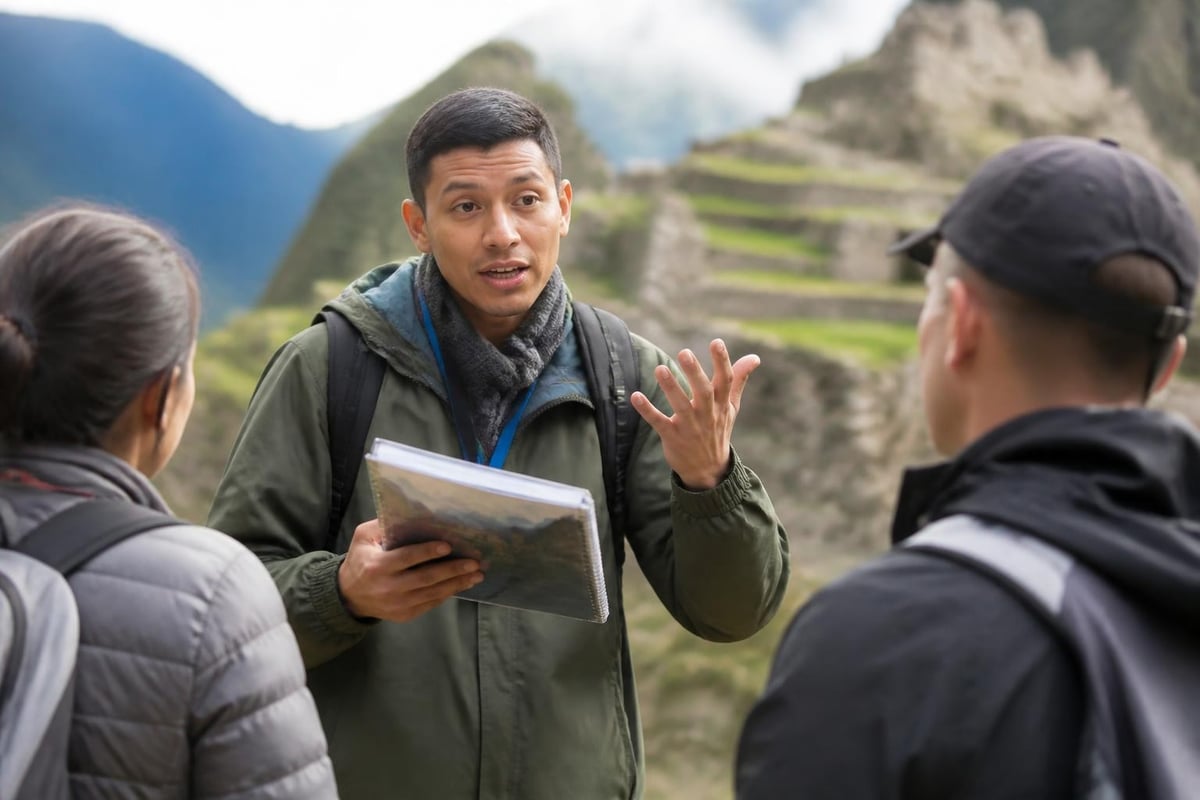
Perhaps the most compelling reason you might need a guide relates to cultural access and authenticity. In Bhutan specifically, the preservation of traditional Buddhist practices, architectural heritage, and community customs means that many meaningful experiences require proper introduction and contextual understanding. A knowledgeable guide facilitates these connections in ways that self-guided exploration simply cannot match.
Professional guides maintain relationships with monks, artisans, farmers, and community leaders who welcome respectful visitors but may not engage with unaccompanied tourists. These connections open doors to monastery discussions, traditional craft demonstrations, and family homestays that provide genuine insight into Bhutanese life. When you need a guide with established community trust, you gain access to experiences that honor local customs while satisfying your curiosity about Bhutanese culture and traditions.
Sacred Sites and Spiritual Protocol
Buddhist temples, dzongs (fortress-monasteries), and meditation sites throughout Bhutan follow specific protocols regarding dress codes, photography restrictions, and visitor behavior. Professional guides ensure you understand and respect these requirements while explaining the spiritual significance behind architectural details, ritual objects, and religious artwork.
Research from the Visitor Studies Association demonstrates that guided interpretation significantly enhances visitor comprehension and emotional connection at cultural heritage sites. The presence of a knowledgeable guide increases both factual learning and personal meaning-making, particularly when interpreting complex spiritual concepts or historical narratives.
| Aspect | Self-Guided | Professionally Guided |
|---|---|---|
| Cultural protocol adherence | Variable, often incomplete | Consistent and respectful |
| Access to restricted areas | Limited or none | Negotiated through relationships |
| Depth of interpretation | Surface-level observation | Historical and spiritual context |
| Community interaction | Minimal or transactional | Meaningful and reciprocal |
Logistical Expertise and Safety Considerations
Beyond cultural interpretation, practical logistics represent another crucial reason you might need a guide. Bhutan's mountainous terrain, variable weather patterns, and limited infrastructure in remote areas create challenges that experienced guides navigate with expertise developed over years of operation.
Professional tour operators understand seasonal considerations affecting road conditions, festival schedules, and wildlife viewing opportunities. They coordinate permits, accommodations, transportation, and meal arrangements while maintaining contingency plans for weather delays or altitude-related health concerns. This logistical foundation allows you to focus on experiencing Bhutan rather than troubleshooting travel complications.
Risk Management and Emergency Response
Mountain trekking, high-altitude travel, and remote area exploration carry inherent risks that professional guides mitigate through preparation and real-time decision-making. When you need a guide for challenging terrain or extended wilderness journeys like the Druk Path Trek, you benefit from their emergency training, communication equipment, and established evacuation protocols.
Adventure travel data from the Adventure Travel Trade Association shows that professionally guided trips maintain significantly lower incident rates than independent travel in similar environments. This safety advantage stems from guides' ability to assess conditions, recognize early warning signs of altitude sickness or weather changes, and modify plans when necessary.
Personalized Itinerary Design
The question of whether you need a guide often centers on flexibility and personalization. Many travelers assume independent travel offers more freedom, but working with an experienced guide actually enables deeper customization based on your specific interests, physical abilities, and travel philosophy.
Professional guides excel at balancing structure with spontaneity. They design base itineraries incorporating must-see destinations while remaining responsive to emerging interests, unexpected opportunities, and your energy levels day by day. This adaptive approach proves particularly valuable during extended journeys where interests may evolve as you learn more about local culture and landscape.
Specialized Interest Accommodation
Whether you're passionate about photography, birding, textile arts, Buddhist philosophy, or alpine flora, specialized guides connect you with experts, locations, and experiences aligned with your interests. When you need a guide who understands your specific passion, you transform generic sightseeing into focused exploration that satisfies your curiosity and builds genuine expertise.
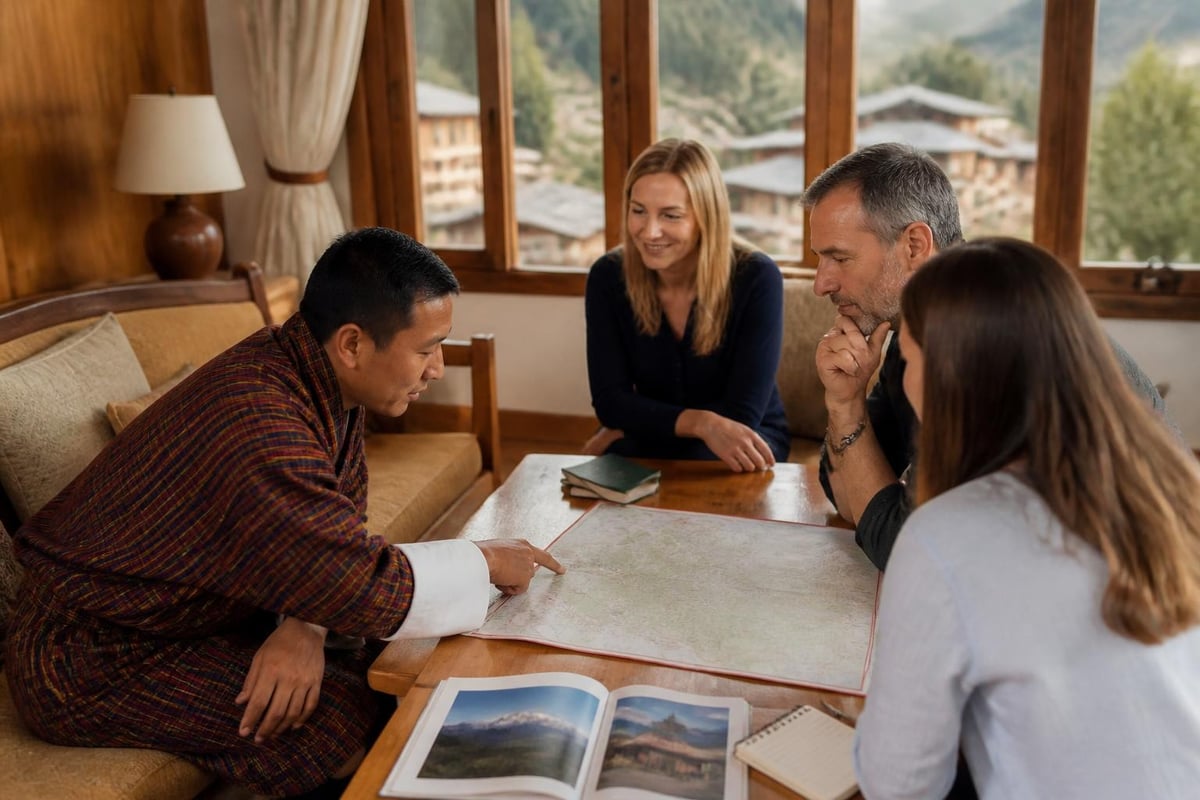
For travelers interested in understanding Gross National Happiness beyond the popular catchphrase, guides arrange conversations with policy experts, teachers, and community leaders who can explain this philosophy's practical application in governance and daily life.
Accessibility and Inclusive Travel
Another dimension of the "need a guide" question relates to accessibility for travelers with mobility limitations, sensory impairments, or other specific requirements. Professional guides create inclusive experiences that might otherwise prove challenging or impossible in a destination with limited accessibility infrastructure.
According to VisitBritain’s accessibility guidance, trained guides significantly improve access for disabled visitors through advance preparation, alternative routing, and on-the-ground problem-solving. This support extends beyond physical accessibility to include pacing adjustments, communication adaptations, and ensuring dignity throughout the travel experience.
When you need a guide who understands accessibility, you work with someone who can:
- Research site-specific accessibility features before your arrival
- Arrange appropriate transportation and accommodation modifications
- Communicate effectively with local service providers about your needs
- Develop contingency plans for accessibility barriers
- Maintain your independence while providing necessary support
Economic and Ethical Considerations
The decision to hire a professional guide also carries economic and ethical implications worth considering. When you need a guide in destinations like Bhutan, you directly support local livelihoods, contribute to community development, and help sustain the very cultural traditions you've come to experience.
Bhutan's tourism model emphasizes high-value, low-impact travel that distributes economic benefits throughout local communities. Professional guides, drivers, hotel staff, and artisans all benefit from your visit when you work with locally operated tour companies. This economic model aligns with Bhutan’s tourism policy of sustainable development that preserves cultural heritage while improving living standards.
Supporting Cultural Preservation
Your choice of guide influences how tourism impacts local culture. Guides who educate visitors about respectful behavior, explain the significance of traditions, and facilitate genuine cultural exchange help ensure tourism strengthens rather than erodes cultural identity. When you need a guide committed to preservation, you become part of sustainable tourism that benefits both visitors and host communities.
Technology Versus Human Expertise
The rise of audio guides, smartphone apps, and AI-powered travel assistants raises questions about whether modern technology reduces or eliminates the need for human guides. Recent research published in Information Technology & Tourism examines synthetic voice technology in audio tours, revealing both capabilities and limitations of digital alternatives.
While technology excels at delivering scripted information consistently, it cannot replicate the adaptive intelligence, emotional awareness, and relationship-building that characterize excellent human guides. When you need a guide who responds to your questions, adjusts explanations based on your background knowledge, or navigates unexpected situations, technology falls short.
| Feature | Digital Tools | Human Guides |
|---|---|---|
| Information delivery | Consistent, scripted | Adaptive, conversational |
| Cultural nuance | Limited context | Deep interpretation |
| Real-time adjustment | Minimal | Highly responsive |
| Relationship building | None | Central to experience |
| Problem-solving | Absent | Expert and creative |
The most effective approach combines technological convenience with human expertise, using apps for basic navigation while relying on guides for interpretation, access, and authentic connection.
Regional Expertise and Specialized Knowledge
Bhutan's diverse regions each possess distinct cultural characteristics, dialects, architectural styles, and historical narratives. When you need a guide with deep regional knowledge, you access interpretation that generic guidebooks or general tour operators cannot provide. Western Bhutan, Central Bhutan, and Eastern Bhutan each offer unique experiences best understood through guides familiar with local communities and traditions.
Specialized guides also possess expertise in particular domains, whether that's identifying rare bird species, explaining architectural evolution across centuries, or interpreting religious iconography. This specialized knowledge transforms observation into understanding, allowing you to grasp the significance of what you're experiencing.
Seasonal and Festival Expertise
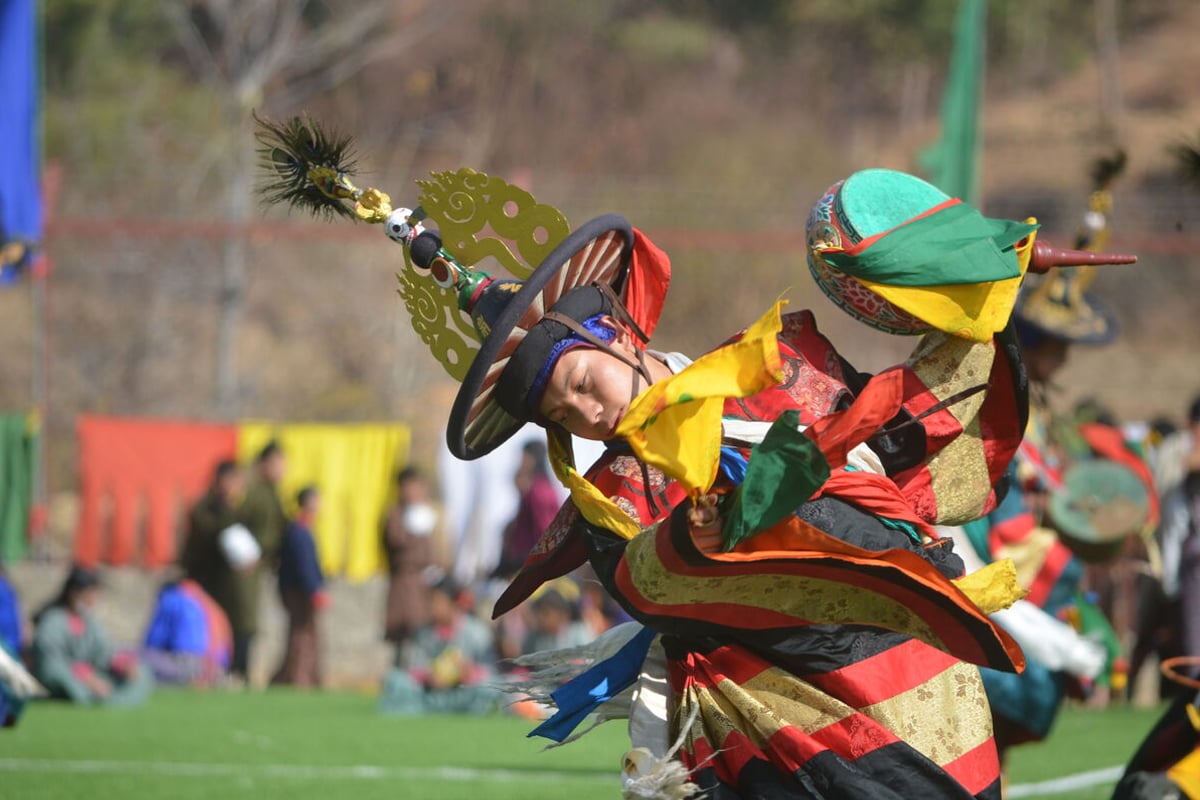
Bhutanese festivals represent some of the country's most vibrant cultural expressions, but their spiritual significance, ceremonial structure, and proper viewing etiquette require explanation for full appreciation. When you need a guide for festival attendance, you learn the stories behind masked dances, understand the blessing rituals, and know when photography is appropriate.
A comprehensive journey like the 6 nights Western Bhutan amusement showcases how expert guides create multi-layered experiences. This journey combines visits to sacred sites in Thimphu, Phobjikha, Punakha, and Paro with opportunities to discuss happiness from a Buddhist perspective with monks and explore Gross National Happiness concepts with academic experts. These meaningful conversations happen because the guide has cultivated relationships and understands how to facilitate cross-cultural dialogue that enlightens both visitors and hosts.
Small Group Dynamics and Personal Attention
The structure of your guided experience significantly affects its quality. When you need a guide who can provide personalized attention and adapt to individual preferences, small group or private touring offers substantial advantages over large group tours.
Single-group-at-a-time operators ensure guides remain fully present and responsive rather than divided among multiple simultaneous tours. This focused attention allows for spontaneous detours, extended conversations, pacing adjustments, and the flexibility to spend more time at locations that particularly resonate with you.
Research on guided interpretation consistently shows that smaller groups enable deeper engagement with content, more participant questions, and stronger guide-visitor relationships. These factors collectively enhance learning outcomes, satisfaction, and the likelihood of behavior change regarding cultural sensitivity or environmental conservation.
Building Cross-Cultural Understanding
Perhaps the most profound reason you might need a guide relates to cross-cultural understanding and meaningful human connection. Travel at its best transcends sightseeing to foster empathy, challenge assumptions, and build bridges between different worldviews.
Professional guides serve as cultural translators who help you understand not just what people do but why, explaining the values, beliefs, and historical experiences that shape contemporary life. When you need a guide who can facilitate genuine dialogue, you create space for learning that extends far beyond factual knowledge to include emotional understanding and perspective-taking.
These conversations might explore topics like:
- How Buddhist philosophy influences approaches to work-life balance
- Traditional ecological knowledge and conservation practices
- Family structures and changing gender roles in modern Bhutan
- Educational priorities and their connection to cultural preservation
- Community decision-making processes and local governance
Long-Term Learning and Post-Travel Engagement
The impact of excellent guidance extends beyond your actual travel dates. When you need a guide who provides context, reading recommendations, and frameworks for understanding what you experience, you continue learning and processing long after returning home.
Many travelers maintain contact with guides who became mentors and friends, seeking their perspective on news from Bhutan, recommendations for further reading, or advice for return visits. This ongoing relationship represents the highest expression of what guided travel can achieve: lasting connection that enriches both parties and deepens cross-cultural understanding over time.
Professional guides often share resources like documentaries, academic articles, or cultural newsletters that help you continue your education about Bhutan. This post-travel learning cements memories, allows you to appreciate experiences more fully in retrospect, and often inspires advocacy for the places and communities you've come to care about.
Evaluating Your Personal Travel Style
Ultimately, the question of whether you need a guide requires honest self-assessment about your travel style, goals, and comfort with uncertainty. Some travelers thrive on independent exploration and view challenges as adventures, while others prefer structured experiences with expert support.
Consider these questions when deciding:
- Do you value efficiency or prefer discovering things through trial and error?
- Is cultural understanding or simple sightseeing your priority?
- How comfortable are you with language barriers and cultural ambiguity?
- Do you want to maximize meaningful local interactions?
- Are safety, logistics, and contingency planning sources of stress or excitement for you?
Neither approach is inherently superior, but understanding your preferences helps you make choices aligned with how you actually enjoy travel rather than how you think you should travel.
Professional guidance transforms travel from tourism into cultural exchange, particularly in destinations as rich and complex as Bhutan. Whether you prioritize safety, cultural access, personalized pacing, or meaningful connections, the right guide elevates every aspect of your journey. Bhutan Personal Tours and Treks specializes in single-group-at-a-time service that ensures personal attention throughout your adventure, connecting you with monasteries, communities, and landscapes through two decades of local expertise and carefully cultivated relationships. Discover how personalized guidance creates travel experiences that resonate long after you return home.