
Nestled in the eastern Himalayas, Bhutan offers travelers a journey through pristine landscapes, ancient monasteries, and vibrant cultural traditions that remain remarkably intact. The kingdom's approach to tourism prioritizes sustainability and authentic experiences, making every destination meaningful and carefully preserved. Whether you're drawn to iconic cliff-side monasteries, remote valleys inhabited by endangered species, or festivals celebrating centuries-old traditions, understanding the range of bhutan travel destinations helps you craft an itinerary that matches your interests and travel style. This guide explores the essential regions and specific locations that define Bhutan's appeal, from the western gateway cities to the seldom-visited eastern reaches.
Western Bhutan: Gateway to the Kingdom
Western Bhutan serves as the entry point for most visitors, combining accessibility with some of the country's most celebrated cultural sites. This region encompasses the Paro, Thimphu, and Punakha valleys, each offering distinct experiences while remaining connected by well-maintained roads.
Paro: Where Journeys Begin
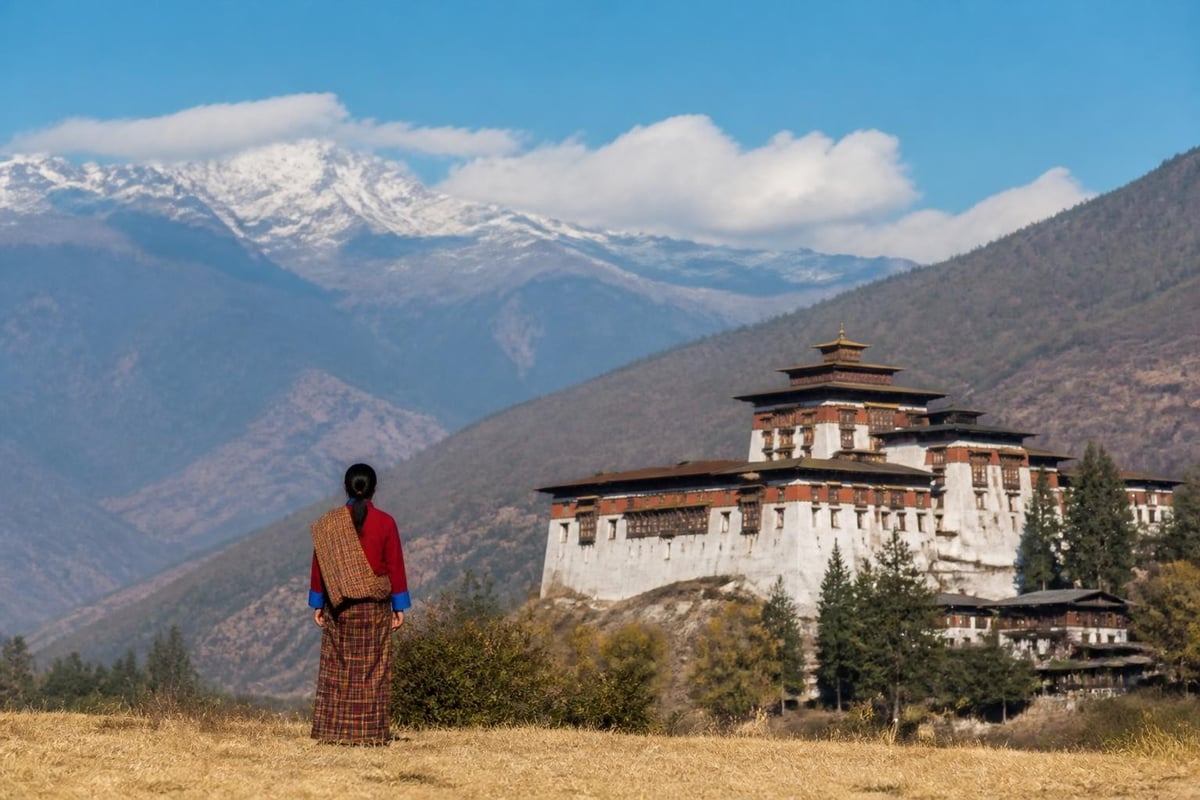
Paro Valley hosts the country's only international airport and immediately immerses visitors in Bhutanese architecture and spirituality. The valley stretches beneath terraced rice fields and traditional farmhouses, with Paro Dzong (Rinpung Dzong) standing as a masterpiece of fortress architecture overlooking the Paro Chhu river.
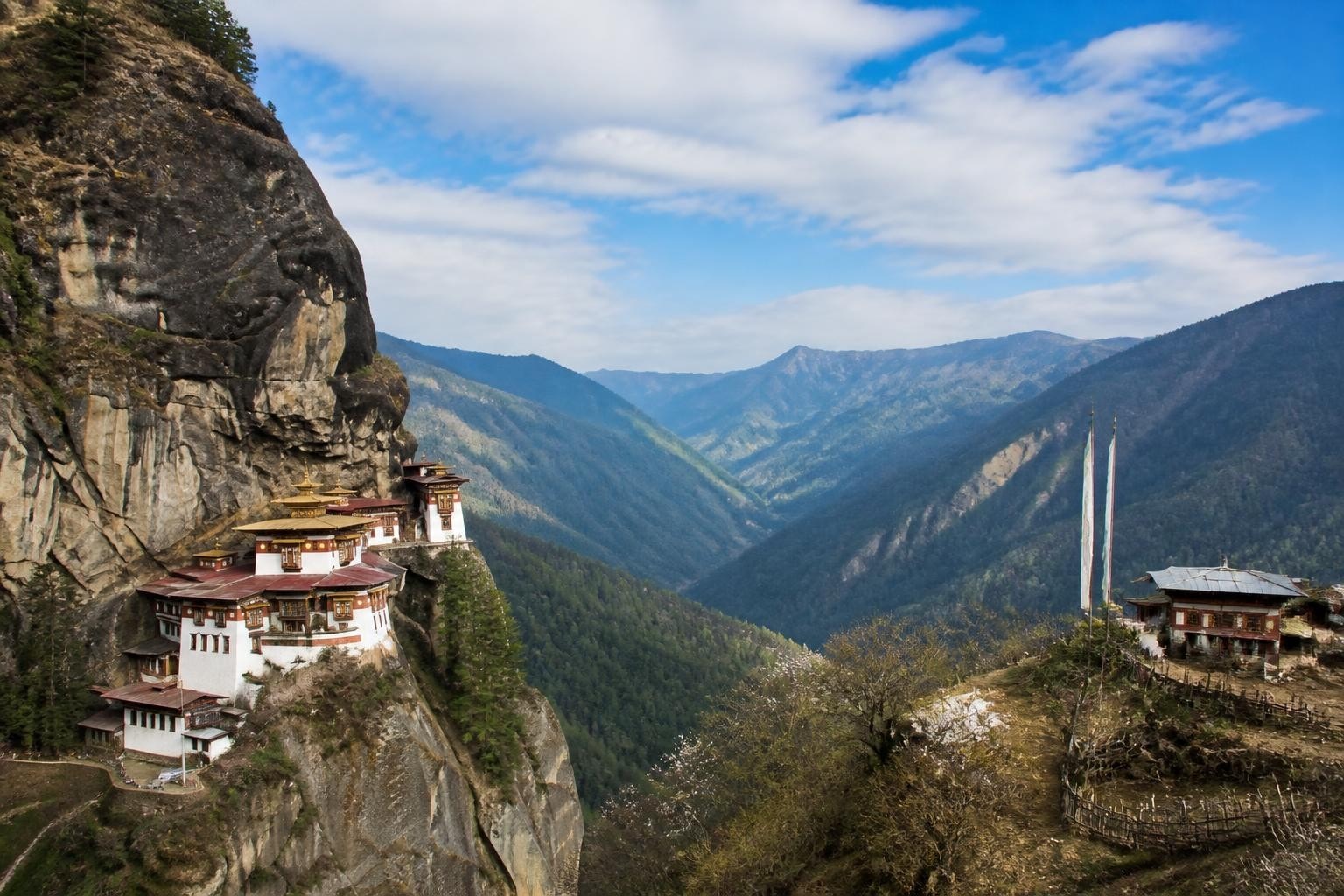
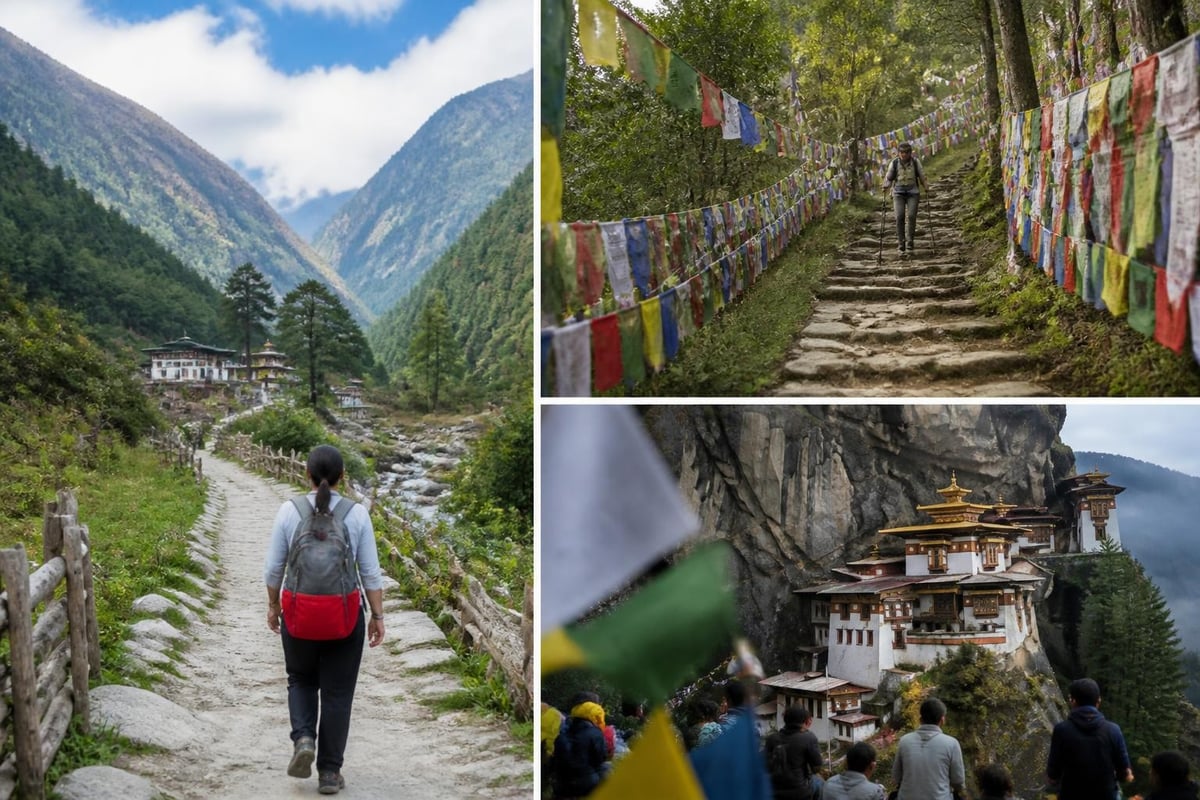
The iconic Tiger's Nest Monastery (Paro Taktsang) clings to a cliff face 900 meters above the valley floor. This sacred site, where Guru Rinpoche meditated in the 8th century, requires a challenging hike but rewards visitors with profound spiritual atmosphere and panoramic views. Early morning departures help avoid crowds and capture the monastery emerging from mountain mist.
Key experiences in Paro include:
- Hiking to Tiger's Nest Monastery at dawn
- Exploring Kyichu Lhakhang, one of Bhutan's oldest temples
- Walking through Paro town's traditional architecture
- Visiting the National Museum housed in an ancient watchtower
Thimphu: Capital City Culture
Thimphu, Bhutan's capital, blends government functions with traditional culture, notably without traffic lights. The city spreads along a valley where monasteries share space with government buildings, all adhering to traditional architectural standards.
Tashichho Dzong serves dual purposes as monastic quarters and government offices, opening to visitors during evening hours. The weekend market brings farmers from surrounding valleys, selling organic produce, traditional textiles, and handcrafted items. The National Memorial Chorten attracts locals performing daily circumambulations, offering genuine glimpses into Buddhist devotional practice.
| Thimphu Highlights | Best Time to Visit | Experience Type |
|---|---|---|
| Buddha Dordenma Statue | Year-round | Spiritual, Photography |
| Weekend Market | Saturday-Sunday | Cultural, Shopping |
| National Textile Museum | April-October | Educational, Craft |
| Simply Bhutan Museum | Year-round | Interactive Cultural |
Punakha and Wangdue: Valley Splendor
Punakha Valley's subtropical climate supports rice cultivation and creates lush landscapes distinct from higher elevations. Punakha Dzong, positioned at the confluence of two rivers, ranks among Asia's most beautiful fortress-monasteries. Winter brings the Je Khenpo and monastic body here from Thimphu, adding spiritual significance.
The suspension bridge near Punakha Dzong provides river views and connects to nearby villages. Chimi Lhakhang, the "fertility temple," sits atop a hill reached through rice fields, drawing pilgrims seeking blessings. Wangdue district extends the valley experience with traditional farmhouses available for homestays.
Central Bhutan: Cultural Heartland
Central Bhutan encompasses the Bumthang valleys and Trongsa, considered the spiritual heartland where Buddhism first took root in the kingdom. These bhutan travel destinations require longer journeys but reward travelers with profound cultural encounters.
Bumthang's Sacred Valleys
Bumthang comprises four valleys (Chokhor, Tang, Ura, and Chhume) each maintaining distinct character and sacred sites. Jambay Lhakhang and Kurjey Lhakhang temples date to the 7th and 8th centuries, predating the Bhutanese state itself.
Bumthang experiences:
- Visiting Jambay Lhakhang's sacred flame
- Exploring Tang Valley's remote monasteries
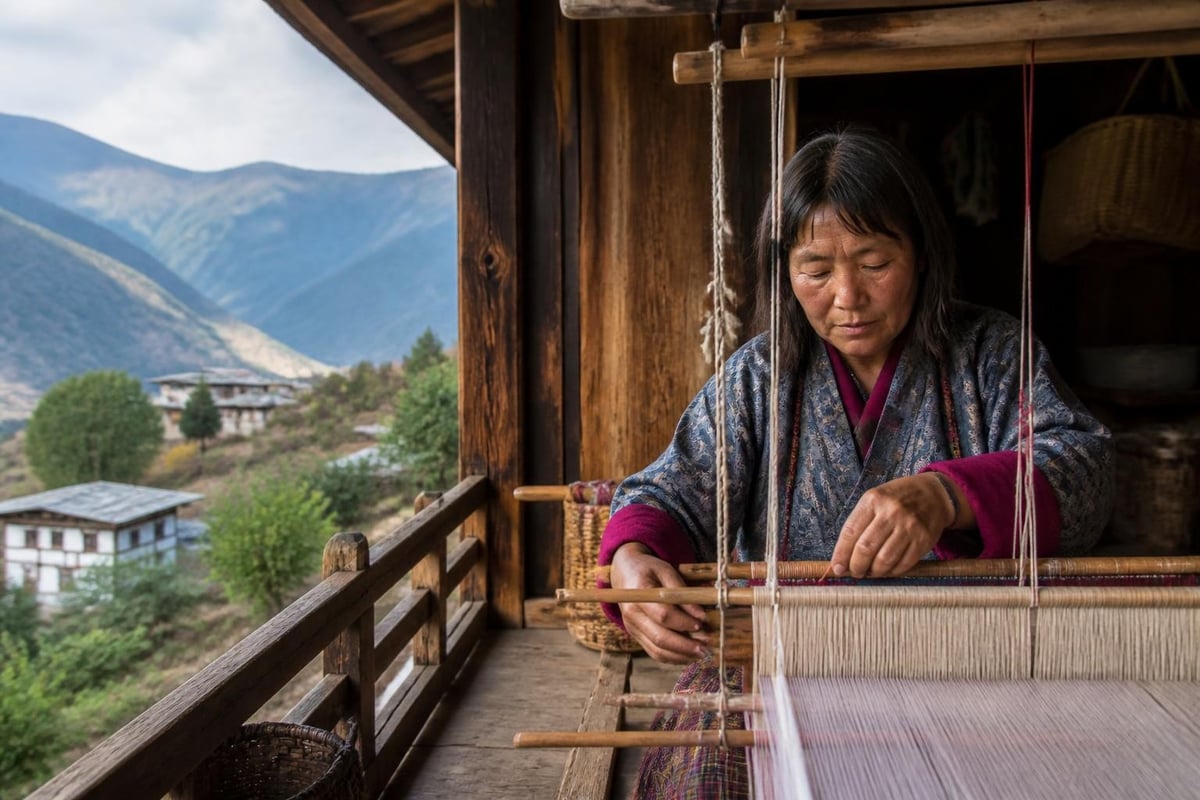
- Witnessing traditional weaving in Chhume
- Hiking through apple orchards and buckwheat fields
The annual Jambay Lhakhang Drup festival features sacred masked dances and, uniquely, a midnight fire ceremony. Bumthang's elevation (2,600-4,000 meters) creates crisp air and clear night skies exceptional for stargazing.
Trongsa: Strategic Crossroads
Trongsa Dzong commands the ridge above the only east-west route, historically controlling travel through central Bhutan. The fortress-monastery's architecture cascades down the mountainside through multiple levels, courtyards, and temples. The adjacent watchtower now houses a museum dedicated to Bhutan's monarchy.
Trongsa's position makes it a natural overnight stop between western and central Bhutan, but the dzong and surrounding landscapes deserve dedicated exploration time.
Eastern Bhutan: Remote Authenticity
Eastern Bhutan remains among the least-visited regions, offering authentic cultural encounters away from established tourist circuits. The journey itself becomes part of the experience, winding through diverse ecosystems and traditional villages.
Mongar and Lhuentse: Mountain Communities
Mongar serves as the eastern region's hub, with its dzong built in 1930s displaying newer (by Bhutanese standards) architectural interpretations. The drive from Bumthang crosses Thrumshingla Pass (3,800 meters) through rhododendron forests.
Lhuentse district, ancestral home of Bhutan's royal family, produces the kingdom's finest textiles. Kishuthara weaving, passed through generations of women, creates intricate patterns requiring months per piece. Village visits here connect travelers with traditional life largely unchanged by modernization.
Trashigang and Trashiyangtse: Frontier Life
Trashigang sits above the Drangme Chhu river valley, serving as eastern Bhutan's commercial center. The dzong overlooks the valley from a strategic ridge, while the town below bustles with traders from India and surrounding villages.
Trashiyangtse specializes in traditional wood crafts and handmade paper. The Chorten Kora festival draws pilgrims from across eastern Bhutan and neighboring Arunachal Pradesh, creating vibrant cultural exchanges. The district's biodiversity supports rare species including the white-bellied heron.
Phobjikha Valley: Conservation and Culture
Phobjikha Valley (also called Gangtey) represents Bhutan's commitment to conservation while offering visitors extraordinary natural experiences. This glacial valley remains free of electricity poles and development, preserving habitat for endangered black-necked cranes.
These cranes migrate from Tibet each November, wintering in Phobjikha until March. The Royal Society for the Protection of Nature coordinates conservation efforts and community-based tourism. The annual Black-Necked Crane Festival celebrates conservation through traditional dances and environmental education.
Gangtey Monastery overlooks the valley from a ridge, its architecture perfectly integrated into the landscape. Nature trails wind through the valley floor, passing through marshland where cranes feed. The valley's remoteness and conservation status create exceptional opportunities for bird watching and photography.
For travelers seeking immersive experiences connecting cultural heritage with natural conservation, the 6 nights Western Bhutan amusement itinerary includes dedicated time in Phobjikha Valley alongside Thimphu, Punakha, and Paro, with opportunities to engage with monks and professors on Buddhist perspectives and Gross National Happiness philosophy.
Planning Your Bhutan Journey
Understanding bhutan travel destinations requires considering practical logistics alongside interests. Before traveling to Bhutan, visitors must arrange permits through licensed tour operators, as independent travel remains restricted.
Regional Combinations
| Itinerary Type | Duration | Destinations | Best For |
|---|---|---|---|
| Essential Western | 5-7 days | Paro, Thimphu, Punakha | First-time visitors |
| Cultural Deep Dive | 10-14 days | Western + Bumthang + Phobjikha | Cultural enthusiasts |
| Eastern Exploration | 14-21 days | Full east-west traverse | Adventure seekers |
| Festival Focus | 7-10 days | Region hosting major festival | Cultural immersion |
The best places to visit in Bhutan vary by season, with spring (March-May) and autumn (September-November) offering optimal weather. Summer monsoons green the landscapes but complicate travel, while winter provides clear skies at the cost of cold temperatures at higher elevations.
Seasonal Considerations
- March-May: Rhododendron blooms, spring festivals, comfortable temperatures
- June-August: Monsoon rains, lush landscapes, fewer visitors
- September-November: Clear skies, autumn festivals, ideal trekking
- December-February: Winter clarity, Punakha festivals, high-altitude cold
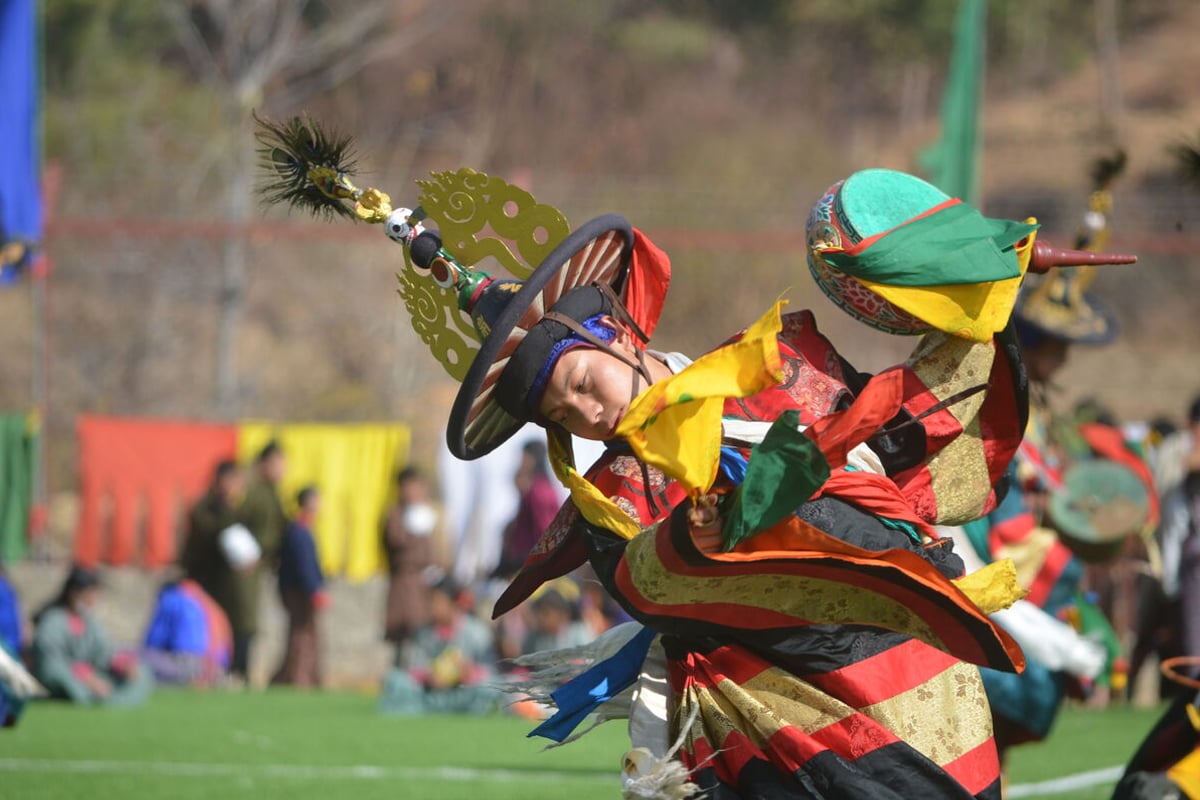
Festival timing significantly impacts experiences, as mask dances and celebrations draw communities together in remarkable displays of living culture. Festival calendars follow the lunar calendar, requiring flexible planning.
Trekking and Adventure Destinations
Beyond cultural sites, bhutan travel destinations include remarkable trekking routes ranging from day hikes to multi-week expeditions. The recently restored Trans-Bhutan Trail connects the kingdom east to west, reviving ancient pilgrimage routes.
Popular Trekking Routes
Trekking in Bhutan accesses pristine wilderness, high-altitude lakes, and remote monasteries unreachable by road. Each trek showcases different ecosystems and cultural zones.
Western Bhutan treks:
- Druk Path Trek: 5-6 days connecting Paro to Thimphu via high lakes
- Jomolhari Trek: 8-9 days to Jomolhari base camp
- Gangtey Trek: 2-3 days through Phobjikha Valley
Central Bhutan options:
- Bumthang cultural trek: Village-to-village walking
- Samtengang Winter Trek: Lower-altitude winter option
These routes require physical preparation but operate with full camping support, guides, and porters, making wilderness experiences accessible to motivated travelers.
Specialized Activities
Beyond temples and trekking, Bhutan offers niche activities for specific interests:
- Fly fishing in pristine rivers for endemic species
- Mountain biking along valley roads and trails
- Overnight camping in designated wilderness areas
- Photography tours targeting festivals, landscapes, or wildlife
These specialized options work best integrated into broader itineraries, adding diversity to temple visits and cultural encounters.
Regional Deep Dives
Haa Valley: Off the Beaten Path
Haa Valley opened to tourists relatively recently, maintaining traditional life without heavy visitation. Located west of Paro near the Tibetan border, Haa's three temples (Lhakhang Karpo, Lhakhang Nagpo, and Lhakhang Karpo) anchor local spiritual practice. The annual Haa Summer Festival celebrates nomadic culture, featuring yak products, traditional games, and highland food.
Samtse and Samdrup Jongkhar: Southern Gateways
Samdrup Jongkhar on the eastern border and Samtse in the southwest serve as alternative entry points for overland arrivals from India. These subtropical zones differ dramatically from the mountain heartland, showcasing Bhutan's ecological diversity.
Understanding Bhutan's Tourism Approach
Introduction to Bhutan’s tourism philosophy reveals how the kingdom balances visitation with cultural preservation. The Sustainable Development Fee (SDF) funds free education, healthcare, and infrastructure while naturally limiting visitor numbers.
This approach means bhutan travel destinations remain uncrowded compared to other Himalayan regions. Tourism policy requires travelers to engage licensed operators who ensure sustainable practices, fair wages, and authentic experiences.
Recent data shows Bhutan welcomed increasing numbers of international visitors in 2026, yet destinations maintain their character through careful management. The emphasis on quality over quantity aligns with Gross National Happiness principles that prioritize wellbeing over purely economic metrics.
Crafting Your Ideal Itinerary
Selecting among bhutan travel destinations depends on available time, interests, and physical capacity. First-time visitors often focus on western highlights, while return travelers explore central and eastern regions or pursue specialized interests like textiles, Buddhism, or nature.
Sample frameworks:
- Cultural immersion (10 days): Paro → Thimphu → Punakha → Phobjikha → Bumthang → return
- Trekking focus (12 days): Paro → Druk Path Trek → Thimphu → Punakha with day hikes
- Festival celebration (8 days): Build around major festival plus key cultural sites
- East-west traverse (18 days): Comprehensive journey from Paro to Trashigang
Working with experienced guides who know regional nuances, seasonal variations, and current conditions proves essential. Bhutan Personal Tours and Treks' approach of focusing on one group at a time ensures personalized attention and flexibility to adjust itineraries based on interests emerging during travel.
The emphasis on Western Bhutan, Central Bhutan, or Eastern Bhutan shapes trip character significantly. Western regions offer easier logistics and iconic sites, central areas provide spiritual depth, and eastern destinations deliver authentic cultural encounters away from tourism infrastructure.
Beyond the Guidebook
The most meaningful experiences often emerge between planned activities, during conversations with monks, farmers, and artisans who share their perspectives on tradition, change, and happiness. Market visits, temple rest stops, and tea breaks in farmhouses reveal daily life's rhythms.
Understanding Bhutan at a glance provides context, but depth comes through engagement. The kingdom's modest size (roughly 300 kilometers east to west) belies its diversity, from subtropical plains to 7,000-meter peaks, from ancient Bon animism to Vajrayana Buddhism, from subsistence farming to modern technology.
This complexity makes selecting bhutan travel destinations both challenging and rewarding. Each valley, monastery, and community offers distinct perspectives on Bhutanese culture and landscape. The absence of mass tourism infrastructure means experiences remain genuine, interactions feel authentic, and destinations retain their essential character.
Exploring Bhutan's diverse destinations, from western monasteries to eastern villages and conservation-focused valleys, reveals a kingdom balancing tradition with modernity in remarkable ways. Whether drawn to spiritual sites, cultural festivals, pristine nature, or authentic community encounters, thoughtful itinerary planning ensures meaningful experiences across this Himalayan kingdom. With two decades of guiding experience and a commitment to personalized, one-group-at-a-time service, Bhutan Personal Tours and Treks crafts itineraries that match individual interests while ensuring authentic engagement with Bhutan's culture, landscapes, and communities.