
The travel landscape has shifted dramatically toward more meaningful, personalized experiences. Travelers increasingly seek authentic connections with destinations rather than superficial sightseeing, and this demand has elevated the importance of choosing the right tour operator. The best small group tour companies distinguish themselves not through flashy marketing, but through their commitment to intimate experiences, local expertise, and sustainable practices that benefit both travelers and host communities.
Understanding What Defines Excellence in Small Group Travel
Small group touring represents a fundamental departure from mass tourism. These operators limit group sizes to create environments where genuine learning and cultural exchange can flourish. The distinction between adequate and exceptional small group operators lies in their operational philosophy and execution.
Group Size and Personalization Standards
The most reputable companies cap their groups between 6 and 16 travelers. This sizing isn't arbitrary-it reflects careful consideration of multiple factors. Smaller groups access locations unavailable to buses, move efficiently through experiences, and foster meaningful interactions among participants and with local communities.
Elite operators customize experiences even within set itineraries. They recognize that travelers within the same group may have different interests, energy levels, or curiosity areas. The flexibility to accommodate these variations without disrupting the overall journey separates exceptional companies from merely competent ones.
| Group Size | Advantages | Limitations |
|---|---|---|
| 4-8 people | Maximum flexibility, intimate discussions, access to small venues | Higher per-person cost, fewer departure dates |
| 8-12 people | Balanced intimacy and viability, good group dynamics | Moderate vehicle constraints |
| 12-16 people | More departure options, diverse perspectives | Less individual attention, venue restrictions |
Local Expertise and Guide Quality
The guide makes or breaks any small group experience. The best small group tour companies employ guides who are cultural interpreters, not simply information deliverers. These professionals possess deep regional knowledge, language fluency, and established relationships within communities.
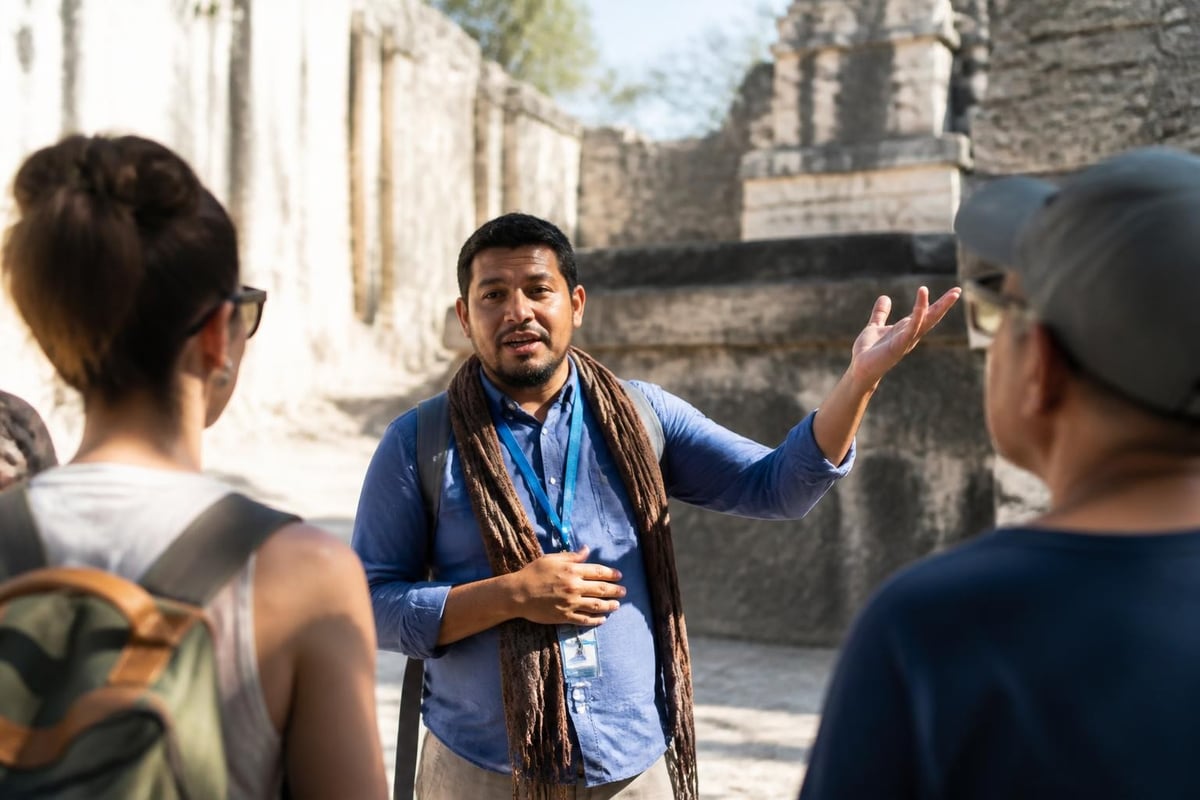
Exceptional guides demonstrate several core competencies:
- Cultural fluency extending beyond tourist-facing traditions to everyday life nuances
- Storytelling ability that contextualizes history within contemporary realities
- Established relationships enabling authentic local interactions
- Crisis management skills and regional safety awareness
- Passion for continuous learning about their destinations
Top-tier companies invest heavily in guide training and compensation. They recognize that underpaid, overworked guides cannot deliver transformative experiences. When evaluating operators, investigate their guide hiring practices, training programs, and retention rates.
Sustainable and Responsible Tourism Practices
The conversation around tourism's impact has matured significantly. According to industry analysis tracking demand and experiences, travelers increasingly prioritize operators committed to positive environmental and social outcomes. The best small group tour companies integrate sustainability throughout their operations rather than treating it as marketing language.
Responsible operators demonstrate commitment through concrete actions:
- Partnering with locally-owned accommodations and restaurants to ensure tourism revenue stays within communities
- Limiting visitor numbers to sensitive sites to prevent degradation
- Contributing to conservation and community development projects beyond token donations
- Training staff in environmental stewardship and cultural sensitivity
- Transparent reporting on their sustainability metrics and challenges
Companies that take only one group at a time, like specialized operators in destinations such as Bhutan, exemplify this commitment by ensuring concentrated attention and minimizing their footprint while maximizing benefit to local communities.
Itinerary Design and Flexibility
Thoughtful itinerary construction balances structure with spontaneity. The best small group tour companies craft journeys that flow naturally, avoiding the exhaustion of overpacked schedules while ensuring travelers experience a destination's essential elements.
Pacing and Experience Depth
Superior itineraries incorporate varied pacing throughout the journey. They understand that meaningful travel requires time for processing experiences, not just accumulating them. This might mean spending three nights in one location rather than moving daily, or scheduling afternoon breaks that allow travelers to explore independently or simply rest.
Depth over breadth characterizes premium small group experiences. Rather than rushing through a dozen sites superficially, exceptional companies facilitate deeper engagement with fewer locations. This approach enables travelers to develop genuine understanding and connection.
The five key trends shaping travel experiences highlight how travelers increasingly value these immersive, slower-paced journeys over whirlwind tours. Companies responding to this shift design itineraries that honor this preference while maintaining engaging variety.
Unique Access and Exclusive Experiences
Premium operators distinguish themselves through access unavailable to independent travelers or larger groups. This might include private viewings of cultural sites, meals in local homes, workshops with traditional artisans, or meetings with community leaders and experts.
These experiences stem from relationships cultivated over years. When operators maintain long-term partnerships with communities, they create opportunities for travelers to engage authentically rather than performing staged cultural exchanges.
For instance, specialized cultural journeys in destinations like Bhutan might include conversations with monks about Buddhist philosophy or discussions with scholars on unique national development approaches such as Gross National Happiness, creating intellectual depth alongside visual beauty.

Logistics, Safety, and Support Infrastructure
Behind memorable experiences lies robust operational infrastructure. The best small group tour companies excel at invisible logistics-travelers enjoy seamless experiences without confronting the complexity making them possible.
Transportation and Accommodation Standards
Vehicle quality, driver professionalism, and accommodation selection reveal operator priorities. Premium companies select accommodations for character, location, and service quality rather than merely star ratings. They might choose a family-run heritage property over a generic chain hotel, recognizing that where travelers stay shapes their destination understanding.
Transportation reliability proves critical in remote or challenging regions. Top operators maintain well-serviced vehicles, employ experienced drivers familiar with regional conditions, and build buffer time into itineraries to accommodate unexpected delays without stress.
| Quality Indicator | What to Look For | Red Flags |
|---|---|---|
| Accommodations | Character properties, excellent locations, mentioned by name | "3-4 star hotels," vague descriptions, frequent changes |
| Transportation | Vehicle type specified, driver experience mentioned | No details provided, age/condition unclear |
| Group Leadership | Named guide/tour leader with bio | "Local guides throughout," anonymous staff |
Emergency Preparedness and Communication
Exceptional operators maintain comprehensive safety protocols and crisis management procedures. They provide travelers with clear emergency contact information, outline evacuation procedures for relevant regions, and maintain adequate insurance coverage.
Communication standards before, during, and after travel distinguish professional operators. Premium companies respond promptly to inquiries, provide detailed pre-departure information, maintain connectivity during tours when possible, and follow up post-journey to gather feedback and address any concerns.
Evaluating Company Reputation and Track Record
Research separates excellent choices from disappointing ones. The best small group tour companies demonstrate consistency across multiple verification channels, not just curated testimonials on their websites.
Beyond Surface-Level Reviews
Investigate beyond star ratings to review substance. Look for detailed accounts describing specific experiences, guide names, problem resolution, and how the journey compared to expectations. Be wary of exclusively perfect reviews or patterns suggesting incentivized feedback.
- Check multiple platforms including TripAdvisor, Google Reviews, and specialized travel forums
- Read critical reviews carefully to understand how companies respond to problems
- Verify awards and certifications through issuing organizations
- Research company longevity and leadership experience
- Request references from past travelers with similar interests
Specialization Versus Generalization
Many exceptional small group operators specialize in specific regions or travel styles. This specialization enables depth of knowledge, stronger local partnerships, and refined operational expertise that generalist companies cannot match.
When exploring destinations with unique characteristics or requirements-such as Bhutan’s distinctive tourism approach-specialized operators often deliver superior experiences. Their focused expertise translates into access, insights, and service quality impossible for companies spreading attention across dozens of destinations.
Value Proposition and Transparent Pricing
Cost and value differ fundamentally. The best small group tour companies may not be the cheapest, but they deliver clear value through inclusion quality, experience authenticity, and operational excellence.
Understanding What's Included
Premium operators provide transparent, detailed pricing that outlines exactly what travelers receive. They specify meals included, entrance fees covered, tipping expectations, and any activities requiring additional payment.
Comprehensive inclusions typically feature:
- All accommodations throughout the journey
- Most meals, often emphasizing local cuisine
- Internal transportation and qualified drivers
- Expert guide services for the entire duration
- Entrance fees to sites and experiences
- Some operators include international flights or offer assistance booking them
Hidden costs and ambiguous inclusions indicate operational corners being cut elsewhere. If pricing seems unusually low, investigate what's excluded or where quality compromises might exist.
Deposits, Cancellations, and Flexibility
Review cancellation policies and payment structures carefully. Reasonable operators require deposits to secure bookings but offer fair refund policies acknowledging that unexpected circumstances arise. During the post-2020 travel environment, flexibility regarding postponements and credits has become standard among customer-focused companies.
Insurance recommendations also signal operator professionalism. Companies should strongly encourage comprehensive travel insurance and clearly explain what their policies cover versus traveler responsibility.
Regional Expertise and Destination-Specific Considerations
Different destinations demand different operator strengths. Mountain trekking companies require different capabilities than cultural touring specialists. The best small group tour companies align their expertise with destinations they serve.
Cultural Sensitivity and Ethical Practices
In culturally rich destinations, operator cultural competence proves essential. This extends beyond superficial respect to deep understanding of local customs, appropriate behavior, and meaningful engagement protocols.
Companies should demonstrate clear ethical guidelines regarding photography, gift-giving, community visits, and cultural site behavior. They educate travelers before and during journeys about respectful engagement, religious site protocols, and cultural context.
For travelers seeking transformative cultural experiences, itineraries that include meaningful exchanges-such as the 6 nights Western Bhutan amusement offering conversations with monks about happiness from Buddhist perspectives and discussions with professors on national development philosophy-exemplify depth-focused programming that creates lasting impact beyond typical sightseeing.

Adventure and Activity Expertise
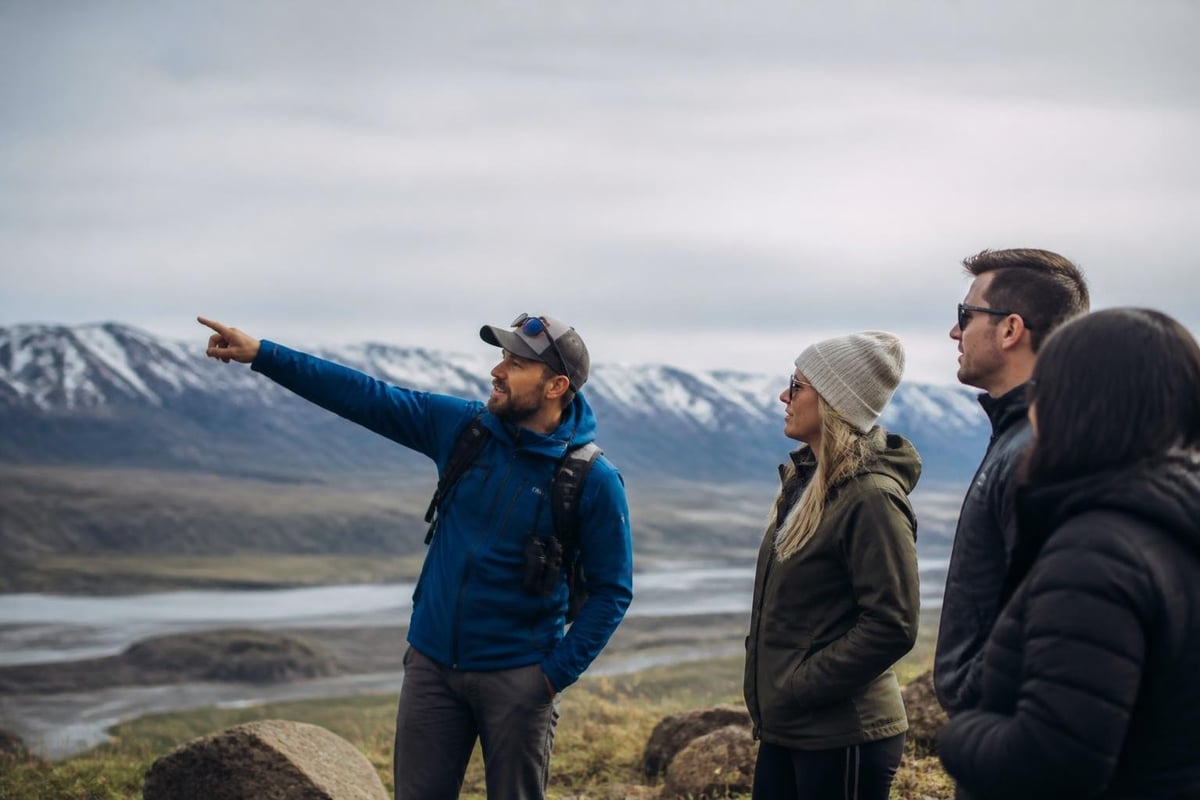
For active journeys involving hiking, cycling, or adventure activities, verify operator safety standards, guide qualifications, and equipment quality. The best companies maintain current certifications, employ guides with wilderness medicine training, and use well-maintained, appropriate gear.
Research their emergency evacuation procedures for remote regions, staff-to-traveler ratios for challenging activities, and contingency planning for weather or condition changes. Companies with established trekking programs in mountainous regions should demonstrate clear expertise in altitude management, route selection, and participant preparation.
Communication Style and Customer Service Philosophy
Initial interactions predict the overall experience quality. The best small group tour companies demonstrate professionalism, responsiveness, and genuine interest in matching travelers with appropriate experiences from first contact.
Pre-Departure Support
Exceptional operators provide comprehensive pre-departure information including packing lists, cultural briefings, health recommendations, and logistical details. They answer questions thoroughly, offer planning assistance, and ensure travelers feel prepared and excited.
This support should feel personalized rather than automated. While templated information serves efficiency, companies should adapt advice to individual circumstances, travel experience levels, and specific concerns.
During-Trip Responsiveness
Problems occasionally arise during travel. Superior operators address issues promptly, creatively, and with traveler satisfaction as priority. They empower guides to make decisions, maintain communication channels for concerns, and follow through on resolution commitments.
The company's problem-solving approach reveals their values. Do they prioritize protecting their reputation over traveler satisfaction? Do they acknowledge mistakes and make meaningful amends? These situations distinguish companies genuinely committed to excellence from those merely marketing it.
Technology Integration and Booking Experience
While small group travel emphasizes human connection, operational technology shapes customer experience. The best small group tour companies balance technological efficiency with personal service.
Modern booking systems should function smoothly while maintaining human accessibility. Travelers should easily research options, understand itineraries, complete reservations, and access support without frustration.
Effective technology integration includes:
- Clear, detailed itinerary information with maps and day-by-day breakdowns
- Secure, straightforward booking and payment systems
- Accessible customer service through multiple channels
- Pre-departure portals with travel documents and preparation resources
- Post-trip feedback mechanisms and community connection opportunities
However, technology should enhance rather than replace personal interaction. Companies that balance digital efficiency with human responsiveness create optimal customer experiences.
Company Values and Long-Term Vision
The most meaningful differentiator among small group operators may be their foundational values and long-term vision. The best small group tour companies operate from clear principles about travel's purpose, their role in destinations, and their responsibility to travelers and communities.
These values manifest in hiring practices, partnership selection, environmental commitments, community investment, and how they navigate growth decisions. Companies prioritizing short-term profit maximization over sustainable relationships eventually compromise quality.
Investigate whether operators publicly articulate their values and demonstrate consistency between stated principles and operational practices. Certifications like B Corporation status, memberships in responsible tourism organizations, and transparent impact reporting indicate serious commitment beyond marketing claims.
Owner-Operator Versus Corporate Models
Many exceptional small group companies remain owner-operated or maintain founder involvement. This structure often correlates with quality prioritization, operational consistency, and genuine passion for destinations served.
When exploring personalized experiences, operators who personally lead or closely oversee every departure bring irreplaceable depth and commitment. Their reputation directly depends on each journey's quality, creating powerful alignment between company success and traveler satisfaction.
Choosing among the best small group tour companies requires research, self-awareness about travel preferences, and attention to indicators revealing operational quality beneath marketing polish. The most successful matches occur when traveler values align with operator philosophy, creating partnerships that deliver transformative experiences rather than transactional services. Bhutan Personal Tours and Treks embodies this approach through personalized journeys crafted with extensive regional expertise, taking only one group at a time to ensure exceptional attention to detail and authentic cultural connections throughout the kingdom. Discover how specialized, personal guidance transforms travel into meaningful cultural exchange and lasting understanding.