
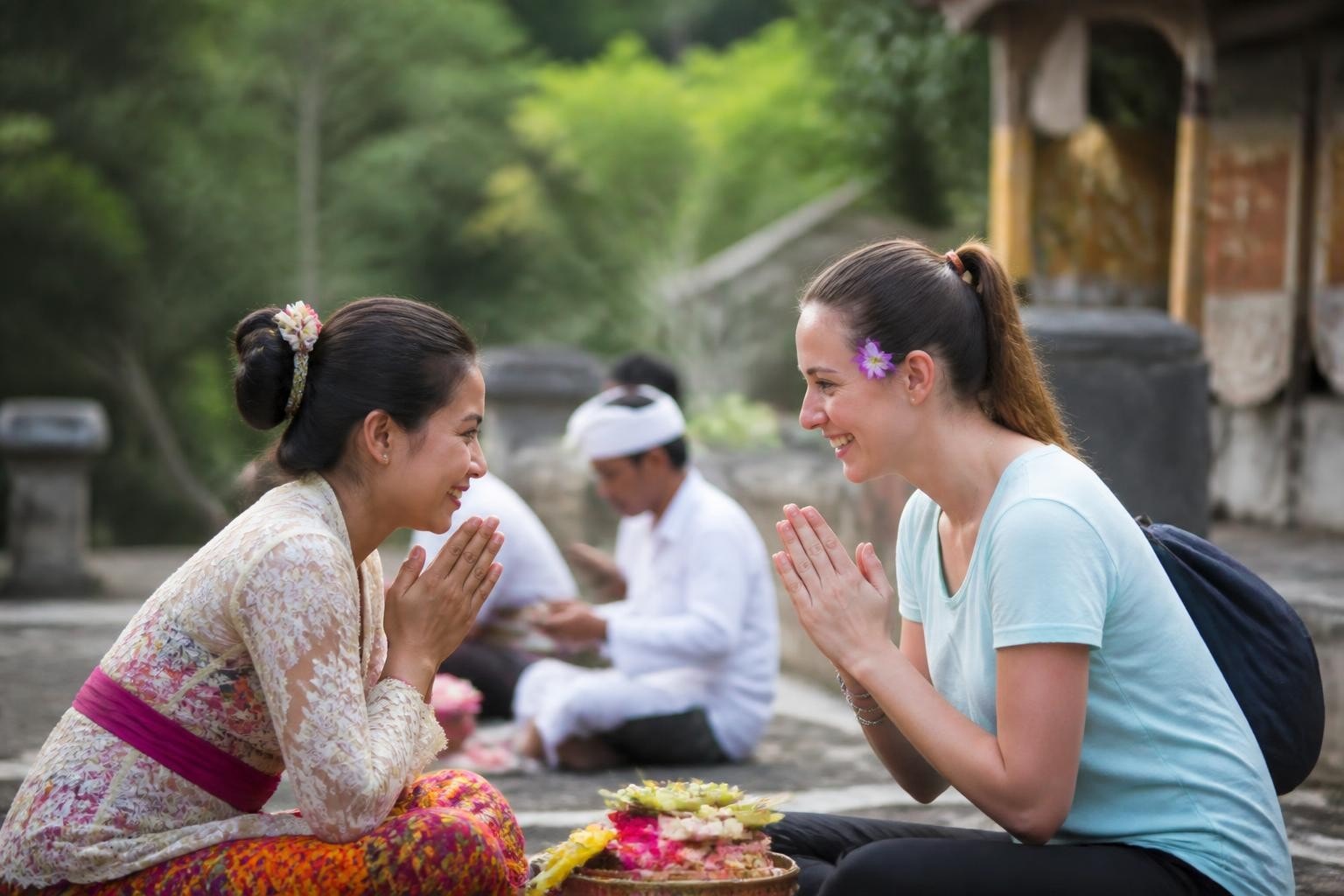
Traveling to a new destination offers far more than scenic landscapes and memorable photographs. The true depth of any journey lies in understanding and respecting the local customs that shape daily life, guide social interactions, and preserve cultural identity. Whether you're visiting sacred sites, sharing meals with families, or participating in community celebrations, knowledge of traditional practices transforms you from a casual observer into a respectful participant. This awareness not only prevents unintended offense but creates meaningful connections that enrich both traveler and host community alike.
The Foundation of Cultural Respect
Local customs serve as the invisible framework supporting every society. These traditions encompass everything from greeting rituals and dining etiquette to dress codes and religious observances. UNESCO’s Intangible Cultural Heritage recognizes thousands of cultural practices worldwide, highlighting how communities transmit values, knowledge, and identity through generations.
Understanding these practices before you travel demonstrates respect and cultural sensitivity. Many destinations have specific expectations regarding behavior in religious spaces, appropriate clothing, photography permissions, and acceptable gestures. What seems perfectly normal in one culture might carry offensive connotations in another.
Why Local Customs Matter for Travelers
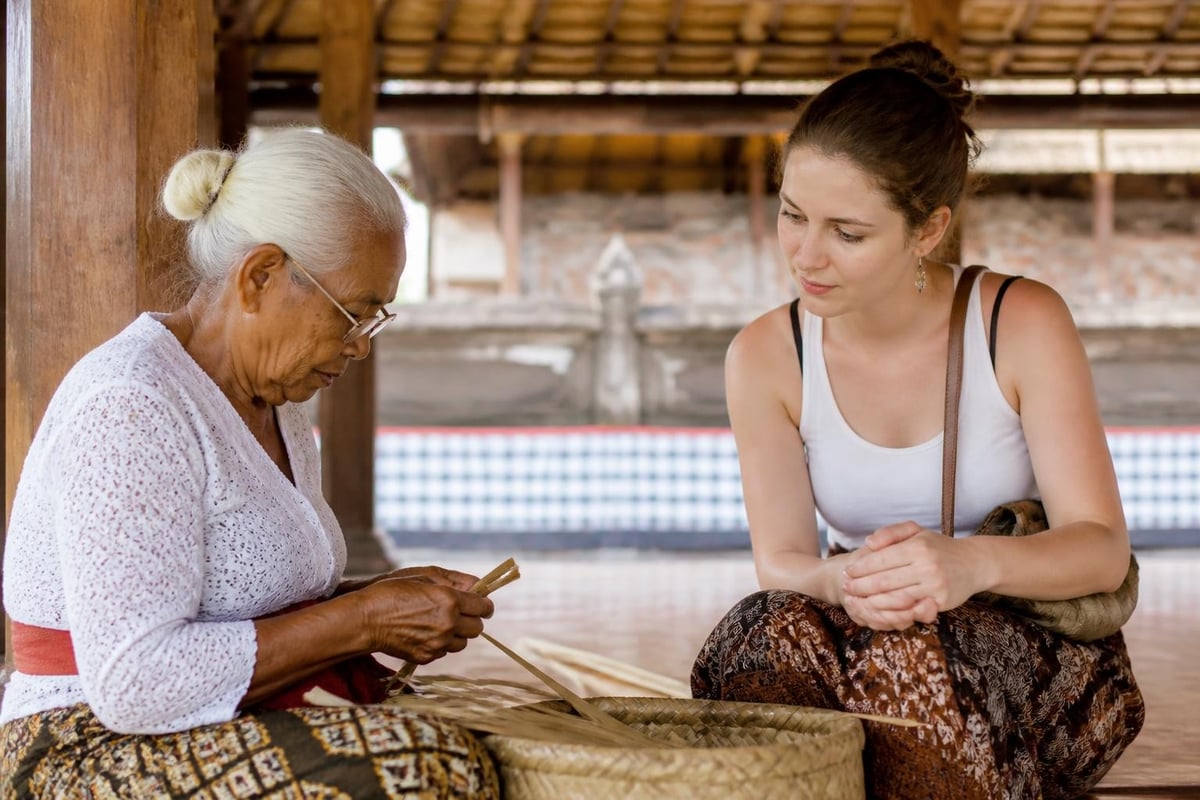
Respecting local customs directly impacts your travel experience quality. Communities that feel respected by visitors typically offer warmer hospitality, more authentic interactions, and greater willingness to share their culture. Conversely, travelers who ignore or dismiss traditional practices often find themselves isolated from genuine cultural experiences.
Key benefits of understanding local customs include:
- Deeper, more meaningful cultural connections with local people
- Enhanced safety through awareness of behavioral expectations
- Access to experiences closed to disrespectful visitors
- Contribution to sustainable tourism practices
- Personal growth through expanded cultural perspective
The relationship between respect and access cannot be overstated. Sacred sites, private ceremonies, and cultural performances often welcome respectful outsiders while excluding those perceived as insensitive.
Essential Categories of Local Customs
Greeting and Social Etiquette
First impressions matter universally, but the specific gestures, words, and behaviors that convey respect vary dramatically across cultures. In Bhutan, for example, offering and receiving items with both hands shows respect, while pointing with a single finger toward sacred objects or people is considered rude.
Personal space expectations, eye contact norms, and physical touch during greetings all fall under this category. Some cultures embrace enthusiastic handshakes, while others prefer bows, slight nods, or pressing palms together. Learning these nuances prevents awkward encounters and demonstrates cultural awareness.
| Greeting Custom | Region/Culture | Proper Practice |
|---|---|---|
| Namaste | South Asia | Press palms together at chest level, slight bow |
| Wai | Thailand | Similar to Namaste, deeper bow shows more respect |
| Bowing | Japan, Korea | Depth and duration indicate level of respect |
| Cheek kissing | Europe, Middle East | Number of kisses varies by country (1-4) |
Religious and Spiritual Practices
Religious sites often carry the most stringent local customs. Dress codes typically require modest clothing covering shoulders, knees, and sometimes heads. Removing shoes before entering temples, mosques, or monasteries is standard practice across many faiths.
Photography restrictions protect both spiritual sanctity and worshipper privacy. Always ask permission before photographing religious ceremonies, monks, or people at prayer. Some sites prohibit photography entirely during specific rituals or in certain areas.
Buddhist-majority countries like Bhutan maintain particular customs around sacred objects and religious figures. Never point feet toward Buddha statues, religious texts, or monks. Walk clockwise around stupas and prayer wheels. These practices reflect deep spiritual beliefs about respect and proper energy flow.
Dining and Hospitality Traditions
Food customs reveal much about cultural values. Refusing food offered by hosts can cause offense in many cultures, while in others, finishing everything on your plate suggests the host didn't provide enough. Understanding these nuances prevents unintended insults.
Common dining customs to research:
- Utensil usage (chopsticks, hands, forks, or specific combinations)
- Proper ways to receive and pass dishes
- Toasting protocols and drinking etiquette
- Appropriate topics for mealtime conversation
- Tipping expectations and practices
In Bhutan, for instance, traditional meals served in homes often include very spicy dishes. Hosts appreciate when visitors try local food but understand if certain items prove too challenging. The key lies in showing appreciation for hospitality while being honest about dietary limitations.
Practical Application for Travelers
Pre-Trip Research Strategies
Thorough preparation begins weeks before departure. National Geographic’s travel intelligence resources offer practical guidance on cultural etiquette across destinations. Government travel advisory sites, including official country-specific pages, provide authoritative information on local laws and customs that might affect visitors.
Beyond general guides, seek destination-specific resources. Cultural blogs, traveler forums, and tour operator websites often provide nuanced insights into local customs. When planning your journey to Bhutan, understanding the country's unique approach to tourism and cultural preservation helps set appropriate expectations.

Dress Code Awareness
Appropriate clothing goes beyond religious site requirements. Many cultures maintain conservative dress standards for daily life, particularly in rural areas or traditional communities. Women and men both should research expectations for their destination.
In Buddhist cultures, including Bhutan, modest dress shows respect for spiritual values pervading daily life. This means covering shoulders and knees at minimum, avoiding overly tight or revealing clothing, and choosing subdued colors when visiting religious sites.
Consider packing versatile items that can be layered or adapted to different situations. Lightweight scarves serve multiple purposes: head coverings, shoulder wraps, and respectful additions to outfits that might otherwise seem too casual for formal occasions.
Learning Basic Language and Gestures
Even a few words in the local language demonstrate respect and effort. "Hello," "thank you," "please," and "excuse me" open doors to positive interactions. Combine these with understanding cultural gestures to avoid unintended offense.
Research body language specific to your destination. In some cultures, the "thumbs up" gesture considered positive in Western countries carries offensive connotations. Similarly, the "OK" hand sign, beckoning motions, and even nodding yes or no vary in meaning across regions.
Festivals and Traditional Celebrations
Understanding Festival Etiquette
Cultural festivals offer incredible opportunities to witness local customs in their most vibrant form. However, these celebrations also require heightened cultural sensitivity. Bhutanese festivals like the famous Paro Tsechu showcase sacred masked dances and religious teachings through performance.
During such events, observe before participating. Notice where locals stand, how they behave, and what activities welcome visitor participation. Many festivals have specific viewing protocols, particularly for sacred dances or religious ceremonies.
Festival participation guidelines:
- Arrive early to secure respectful viewing positions
- Follow local lead regarding photography and video
- Dress more conservatively than usual
- Avoid blocking locals' views or access to ceremonies
- Ask permission before joining group activities or dances
The 6 nights Western Bhutan amusement offers travelers the opportunity to experience Bhutanese culture through expert guidance, including interactions with monks discussing happiness from a Buddhist perspective and conversations with professors about Gross National Happiness, providing authentic insights into the philosophical underpinnings of local customs.
Religious Ceremonies and Pilgrimages
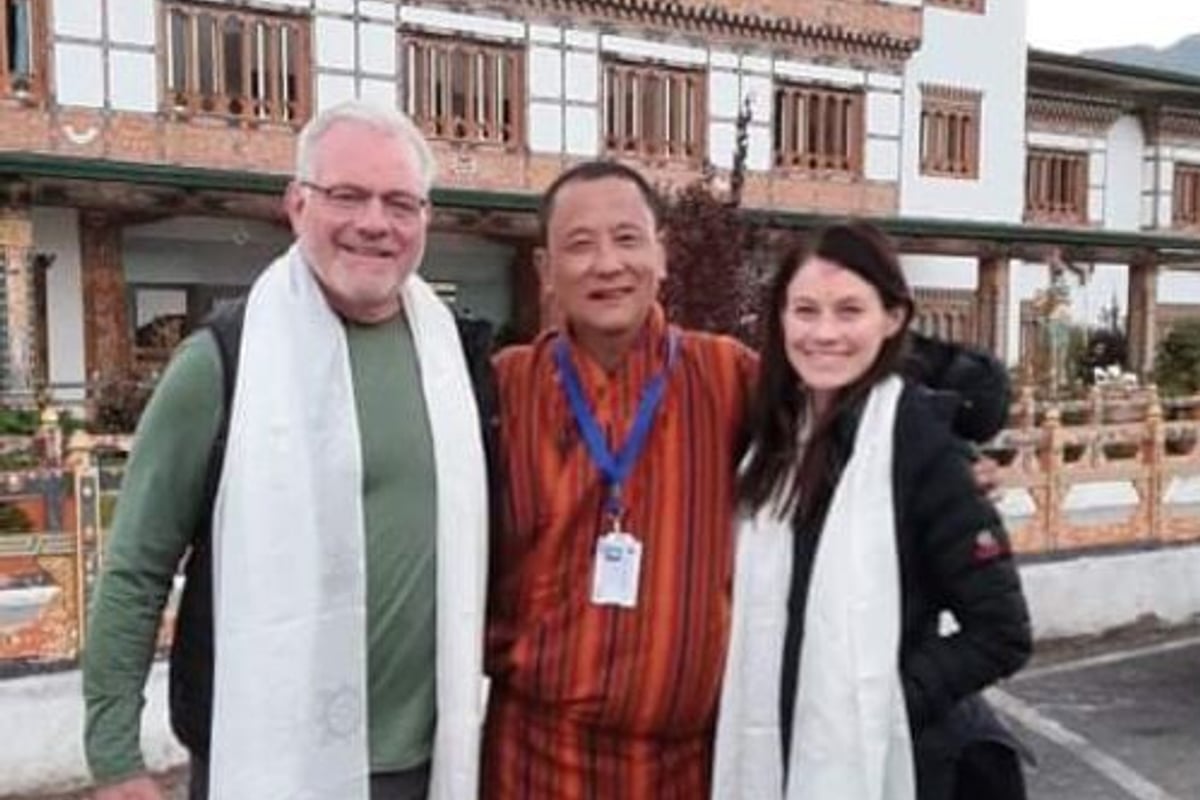
Participating in or observing religious ceremonies represents one of the most sensitive aspects of cultural travel. Many communities welcome respectful observers to public religious events, while others maintain ceremonies exclusively for community members.
Always inquire about visitor protocols before attending religious services. Some faiths require specific clothing, head coverings, or ritual cleansing before entry. Others designate separate areas for visitors or limit access to certain ceremony portions.
In Bhutan, understanding Buddhist traditions enhances appreciation for daily rituals and major ceremonies alike. Prayer flags, prayer wheels, and stupas all carry specific meanings and proper interaction protocols. Spinning prayer wheels clockwise, not touching sacred texts with unwashed hands, and walking clockwise around religious monuments show understanding and respect.
Environmental and Social Consciousness
Sustainable Tourism and Local Customs
Modern travelers increasingly recognize connections between respecting local customs and practicing sustainable tourism. Infrastructure development that honors local sensitivities supports both cultural preservation and economic development, creating tourism models that benefit communities rather than exploit them.
Bhutan's tourism policy exemplifies this balance, maintaining high-value, low-impact tourism that preserves cultural traditions while providing economic benefits. Understanding this approach helps travelers appreciate why certain customs and practices receive protection and active promotion.
| Sustainable Practice | Cultural Benefit | Traveler Action |
|---|---|---|
| Support local guides | Preserves traditional knowledge | Book locally-operated tours |
| Buy authentic crafts | Sustains traditional artisans | Purchase directly from makers |
| Respect photo boundaries | Protects cultural dignity | Always ask permission |
| Follow site guidelines | Preserves sacred spaces | Observe posted rules strictly |
Gift-Giving and Exchange Customs
Gift-giving customs vary significantly across cultures. In some societies, gifts should be refused initially before acceptance. Others expect immediate, gracious acceptance. The type of gift, its wrapping, presentation method, and timing all carry cultural significance.
Research appropriate gifts for your destination. Some items considered thoughtful in Western contexts might prove inappropriate or offensive elsewhere. Number symbolism, color meanings, and item associations all factor into gift appropriateness.
When visiting Bhutanese homes or communities, small gifts from your home country often prove welcome, particularly items representing your culture that can be shared with families or children. However, avoid creating dependency or expectation through excessive gift-giving, particularly to children, as this can disrupt community dynamics.
Professional and Business Customs
Meeting and Communication Protocols
Business travelers face additional layers of local customs. Meeting punctuality expectations, hierarchy recognition, business card exchange rituals, and negotiation styles all reflect cultural values. Understanding these nuances prevents deal-breaking mistakes.
In many Asian cultures, business cards receive two-handed presentation and should be studied carefully rather than immediately pocketed. Hierarchical cultures expect recognition of seniority through seating arrangements, speaking order, and decision-making processes.
Hospitality and Entertainment
Business entertainment often follows specific protocols. Who pays for meals, appropriate conversation topics, alcohol consumption expectations, and after-hours socializing norms all require cultural awareness. What constitutes relationship-building in one culture might seem unprofessional in another.
Navigating Cultural Mistakes
Responding to Unintended Offense
Despite best intentions, cultural misunderstandings occur. How you respond matters significantly. Immediate, sincere apologies often repair minor offenses. Acknowledge the mistake, express genuine regret, and ask for guidance on proper behavior.
Steps for handling cultural mistakes:
- Recognize the error quickly
- Offer a sincere, specific apology
- Ask for clarification on correct practice
- Thank the person for their patience
- Adjust behavior moving forward
Most communities forgive honest mistakes from travelers who demonstrate genuine respect and willingness to learn. The key lies in approaching cultural differences with humility rather than defensiveness.
Learning from Local Guidance
Engaging local guides provides invaluable insights into customs that guidebooks might miss. These cultural interpreters explain not just what to do, but why certain practices matter, offering context that deepens understanding.
Traveling with knowledgeable guides who understand both their culture and visitor perspectives creates ideal learning environments. They can explain nuances, answer questions without judgment, and facilitate authentic interactions that might otherwise prove challenging for independent travelers.
Regional Variations and Microcultures
Understanding Geographic Diversity
National borders rarely contain cultural uniformity. Regional variations in local customs exist within virtually every country. Urban and rural areas often maintain different practices. Mountain communities might preserve traditions that coastal regions have modernized.
Exploring different regions of Bhutan, from Western Bhutan to Eastern Bhutan and Central Bhutan, reveals fascinating variations in architecture, dialect, dress, and celebration styles while maintaining core Buddhist values and national identity.
Ethnic and Religious Minorities
Respecting customs extends beyond majority populations. Many countries host ethnic minorities, religious communities, and indigenous groups maintaining distinct traditions. Understanding these diverse perspectives enriches travel experiences and demonstrates comprehensive cultural respect.
Research specific communities you'll encounter. Minority groups often face pressure to assimilate, making respectful recognition of their distinct customs particularly meaningful. This awareness also prevents unintentional disrespect through assumptions that majority customs apply universally within a country.
Long-Term Cultural Impact
Preserving Traditions Through Tourism
Thoughtful tourism can strengthen local customs rather than erode them. When travelers demonstrate genuine interest and respect for traditional practices, communities often feel motivated to preserve and share their heritage. Economic benefits from cultural tourism can fund preservation efforts and create incentives for younger generations to learn traditional arts, crafts, and practices.
However, this positive cycle only functions when tourism respects authentic traditions rather than creating performative versions designed solely for visitors. Supporting genuine cultural experiences over staged entertainment helps maintain tradition integrity.
Education and Cultural Exchange
The ultimate value of understanding local customs extends beyond individual trips. Travelers who return home with deeper cultural knowledge become ambassadors, sharing insights that broaden perspectives within their own communities. This cultural exchange builds global understanding and respect across borders.
Sharing experiences thoughtfully, without exoticizing or oversimplifying complex cultures, contributes to breaking down stereotypes and building cross-cultural appreciation. Social media and travel writing carry responsibility to represent cultures accurately and respectfully.
Understanding local customs transforms travel from surface-level sightseeing into meaningful cultural exchange that benefits both visitors and host communities. By researching traditions, observing respectful practices, and approaching differences with genuine curiosity and humility, travelers create connections that transcend language barriers and geographic distances. Bhutan Personal Tours and Treks specializes in facilitating these authentic cultural encounters, offering personalized guidance through Bhutan's rich traditions with expert knowledge accumulated since 2002, ensuring every interaction honors local customs while providing visitors with profound insights into Bhutanese culture, philosophy, and daily life through carefully crafted, one-group-at-a-time experiences.