

Choosing the bhutan best time to travel shapes every aspect of your Himalayan experience, from the clarity of mountain views to the richness of cultural encounters. Nestled in the Eastern Himalayas, Bhutan’s climate varies dramatically by season and altitude, creating distinct windows for trekking, festival participation, and cultural immersion. Understanding the nuances of each season helps you align your journey with your priorities, whether you seek pristine weather for photography, vibrant religious celebrations, or quieter paths through ancient dzongs and monasteries. This comprehensive guide examines weather patterns, festival calendars, trekking conditions, and visitor trends to help you determine when your visit will deliver the most rewarding experience.
Understanding Bhutan’s Climate Patterns and Seasons
Bhutan’s weather divides into four distinct seasons, each offering unique advantages and challenges for travelers. The kingdom’s topography, ranging from subtropical plains in the south to alpine peaks exceeding 7,000 meters, creates microclimates that vary significantly across regions.
Spring (March through May) brings moderate temperatures and the gradual awakening of vegetation across valleys. Daytime temperatures in Paro and Thimphu typically range from 15°C to 20°C, while nights remain cool at 5°C to 10°C. Rhododendrons bloom spectacularly across higher elevations during April and May, painting hillsides in brilliant reds, pinks, and whites.
Autumn Excellence for Photography and Trekking
Autumn (September through November) represents the most popular period for international visitors, with clear skies following the monsoon withdrawal. The National Geographic’s seasonal guide highlights autumn’s exceptional visibility for mountain photography and comfortable trekking temperatures. October typically delivers the most stable weather, with daytime temperatures around 18°C to 23°C in central valleys and minimal precipitation.
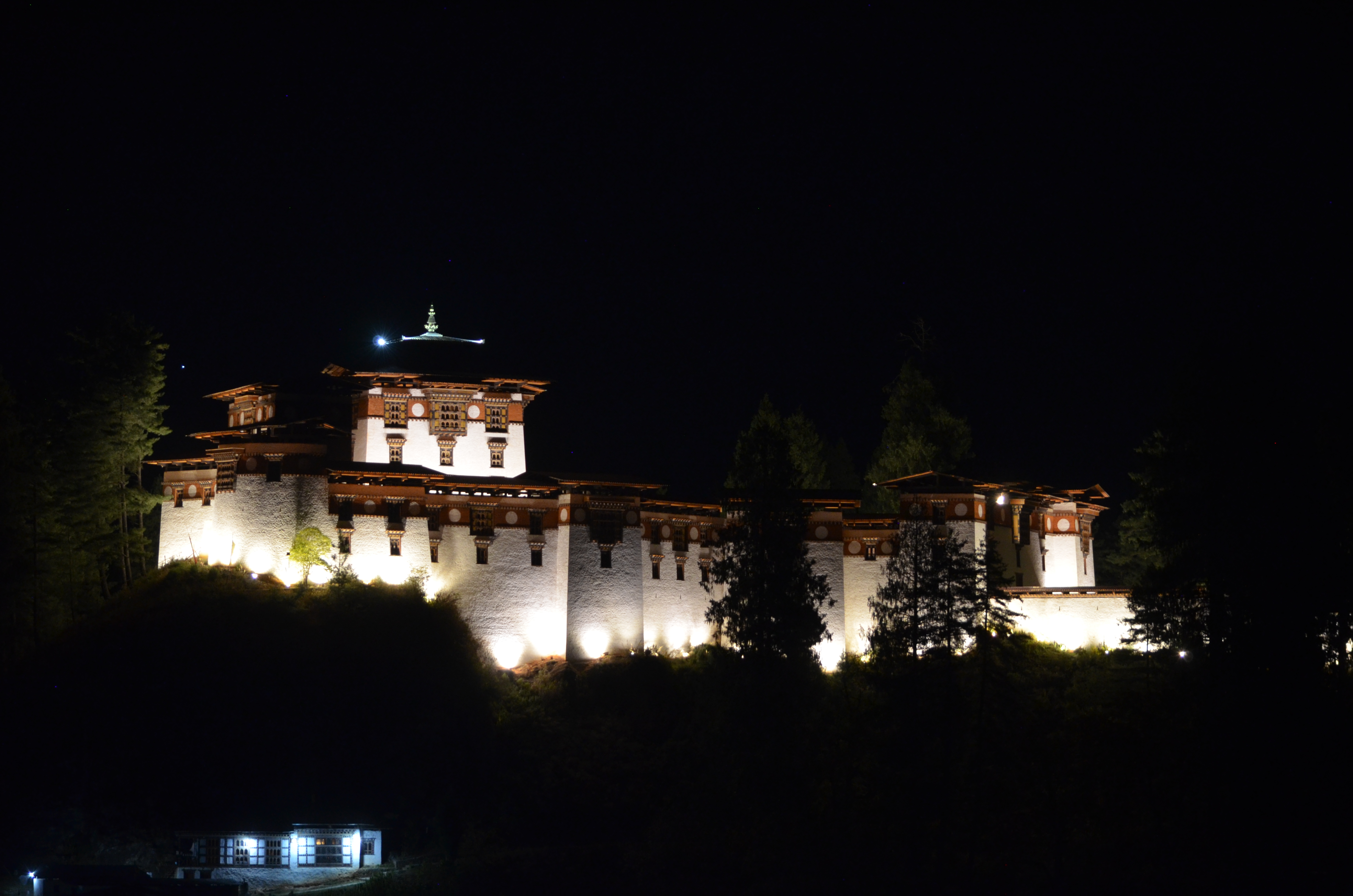
According to the State of Climate 2025 report, autumn months show the lowest rainfall probability and highest sunshine hours, making this period ideal for high-altitude treks and panoramic photography. The crisp air following monsoon rains enhances visibility of Himalayan peaks like Jomolhari and Gangkar Puensum.
Winter Considerations and Hidden Advantages
Winter (December through February) offers a different perspective on the bhutan best time to travel. While temperatures drop significantly, particularly in northern regions, the season brings exceptional clarity and fewer international visitors. Paro and Thimphu experience daytime temperatures of 10°C to 15°C, with nights frequently dropping below freezing.
|
Month |
Average High (°C) |
Average Low (°C) |
Precipitation (mm) |
Visibility |
|---|---|---|---|---|
|
December |
12 |
1 |
8 |
Excellent |
|
January |
11 |
-1 |
6 |
Excellent |
|
February |
13 |
2 |
12 |
Very Good |
Winter provides unique opportunities for cultural immersion with reduced crowds at major dzongs and monasteries. The Punakha Drubchen and Tsechu in February/March draws substantial local participation, offering authentic cultural encounters. Lower-altitude regions like Punakha remain comfortably warm, while winter treks through central valleys present manageable conditions for experienced hikers.
Monsoon Season Realities and Opportunities
Summer monsoon (June through August) receives the heaviest rainfall, particularly in southern regions. The official Bhutan tourism guidance notes that while western valleys receive moderate monsoon impact, southern border areas can experience substantial precipitation affecting road conditions.
Despite weather challenges, summer offers distinct advantages for specific traveler profiles. Lush green landscapes emerge following consistent rainfall, wildflowers proliferate, and accommodation availability increases significantly with reduced visitor numbers. Budget-conscious travelers benefit from off-season flexibility, though road travel requires patience due to occasional landslides.
Aligning Your Visit with Festival Calendars
Religious festivals, particularly Tsechus, represent cornerstone experiences of Bhutanese culture. These multi-day celebrations feature masked dances (cham), traditional music, and community gatherings at dzongs and monasteries across the kingdom. The bhutan best time to travel often aligns with major festival dates for travelers prioritizing cultural immersion.
Spring Festival Highlights
Spring hosts several significant celebrations worth planning around. The renowned Paro Tsechu typically occurs in March or April (dates follow the lunar calendar), culminating with the unfurling of a massive thangka at Rinpung Dzong before dawn. This five-day festival attracts Bhutanese from across the country, dressed in finest traditional attire, creating exceptional photographic opportunities and cultural encounters.
Other notable spring festivals include:
-
Gasa Tsechu (March): Remote northern festival with authentic local participation
-
Nimalung Tsechu (June): Central Bhutan celebration with unique mask dances
-
Kurjey Tsechu (June): Significant Bumthang festival at one of Bhutan’s most sacred sites
The BTCL festival calendar provides current-year dates, essential for planning since festivals shift annually according to the Bhutanese lunar calendar.
Autumn Festival Richness
Autumn concentrates the highest number of major festivals, coinciding with harvest season and optimal weather. The Thimphu Tsechu in September or October ranks among the kingdom’s largest celebrations, held in the capital’s Tashichho Dzong with elaborate performances and the participation of the central monastic body.
Key autumn festivals include:
-
Thimphu Tsechu (September/October) – Capital’s premier celebration
-
Wangdue Phodrang Tsechu (September/October) – Major western Bhutan festival
-
Gangtey Tsechu (September) – Intimate valley festival
-
Jambay Lhakhang Drup (October/November) – Ancient Bumthang celebration with sacred fire ceremony
-
Black-Necked Crane Festival (November) – Phobjikha Valley environmental celebration
UNESCO recognizes several aspects of Bhutanese festivals on its Intangible Cultural Heritage list, underscoring their cultural significance. Witnessing these masked dances and rituals provides insight into Bhutan’s living Buddhist traditions that have remained largely unchanged for centuries.
Winter and Summer Festival Options
Winter festivals offer more intimate experiences with predominantly local audiences. The previously mentioned Punakha festivals in February/March provide excellent cultural immersion opportunities, while the Nomad Festival in February showcases highland culture and traditional yak herding practices.
Summer sees fewer major festivals, but regional celebrations continue. The Haa Summer Festival in July celebrates nomadic heritage and Bhutanese military traditions, while smaller monastery festivals occur throughout eastern regions, offering off-the-beaten-path experiences for adventurous travelers.
Trekking Season Optimization
Determining the bhutan best time to travel for trekking requires matching your physical capabilities and altitude preferences with weather patterns. Bhutan offers treks ranging from comfortable valley walks to challenging high-altitude expeditions exceeding 5,000 meters.
Prime Trekking Windows
September through November delivers optimal trekking conditions across all difficulty levels. Clear post-monsoon skies provide exceptional mountain visibility, stable weather patterns reduce precipitation risk, and moderate temperatures keep exertion comfortable. Popular routes like the Druk Path Trek connecting Paro and Thimphu showcase pristine alpine lakes and rhododendron forests during this period.
High-altitude expeditions such as the Jomolhari Trek benefit from autumn’s stability, with clearer views of 7,000-meter peaks and reduced afternoon cloud cover. The Lonely Planet guide specifically recommends October for demanding treks requiring sustained good weather.
Spring Trekking Advantages
March through May represents the second-best trekking window, with several unique advantages. Wildflower blooms transform higher elevations into botanical gardens, particularly along routes traversing 3,000 to 4,000-meter passes. Blue poppies, Bhutan’s national flower, emerge in April and May at appropriate altitudes.
Spring trekking considerations include:
-
Warmer daytime temperatures compared to autumn
-
Occasional afternoon clouds reducing mountain visibility
-
Excellent conditions for moderate-altitude treks
-
Less stable weather than autumn requiring flexible itineraries
The Gangtey Trek through central Bhutan valleys performs exceptionally well in spring, combining comfortable temperatures with cultural encounters in farming villages preparing for planting season.
Winter and Monsoon Trekking
Winter trekking (December through February) suits experienced hikers comfortable with cold conditions and limited facilities. Routes like the Punakha Winter Trek and Samtengang Winter Trek traverse lower elevations, avoiding extreme cold while providing winter clarity and solitude.
|
Trek Category |
Spring |
Summer |
Autumn |
Winter |
|---|---|---|---|---|
|
Valley Treks (under 3,000m) |
Excellent |
Fair |
Excellent |
Good |
|
Moderate Altitude (3,000-4,000m) |
Excellent |
Poor |
Excellent |
Fair |
|
High Altitude (over 4,000m) |
Good |
Poor |
Excellent |
Challenging |
|
Multi-day Expeditions |
Very Good |
Not Recommended |
Excellent |
Experienced Only |
Monsoon trekking presents significant challenges, with trail conditions deteriorating rapidly during heavy rainfall. Leeches become prevalent below 3,000 meters, and landslide risks increase substantially. Only highly experienced trekkers with flexible schedules should consider summer treks, focusing on rain-shadow areas in central and eastern regions.
Visitor Trends and Crowd Management
Understanding visitor patterns helps determine the bhutan best time to travel based on your preference for social interaction versus solitude. The Monthly Tourism Bulletin provides official arrival statistics demonstrating clear seasonal trends.
Peak Season Dynamics
October consistently records the highest international arrivals, with September and November close behind. Popular sites like Tiger’s Nest Monastery in Paro can see several hundred visitors daily during peak autumn weeks. Major festivals attract additional domestic travelers, creating bustling atmospheres at dzongs and festival grounds.
Peak season advantages include:
-
Maximum availability of domestic flights
-
All hotels and restaurants fully operational
-
Easiest group trek organization
-
Enhanced festival atmosphere with international participation
The primary disadvantage centers on reduced intimacy at major sites and higher demand for premium accommodations. However, Bhutan’s sustainable tourism policy limits overall visitor numbers, preventing the overcrowding seen in other Himalayan destinations.
Shoulder and Off-Season Benefits
April and May, along with March and early December, represent excellent shoulder periods. These months deliver good weather without peak-season crowds, often providing the bhutan best time to travel for photographers seeking iconic shots without tour groups in frame.
Winter (January through February) and summer (June through August) offer the quietest experiences. For travelers seeking deep cultural immersion through extended conversations with monks, artisans, and local families, off-season travel provides unparalleled opportunities. The Western Bhutan region remains accessible year-round, with major cultural sites operating normally regardless of season.
When planning a comprehensive cultural journey that balances accessibility with authentic experiences, the 6 nights Western Bhutan amusement itinerary showcases how thoughtful timing through Thimphu, Phobjikha, Punakha, and Paro can provide intimate encounters with monks discussing Buddhist happiness principles and experts explaining Gross National Happiness, particularly effective during shoulder seasons when personal attention flourishes.
Regional Weather Variations Across Bhutan
Bhutan’s topographical diversity creates significant weather variations between regions, affecting optimal travel timing beyond general seasonal patterns. Understanding these regional differences helps refine the bhutan best time to travel for specific itineraries.
Western Bhutan Weather Characteristics
Western valleys including Paro, Thimphu, and Punakha experience moderate climate variations. Punakha, at lower elevation (1,200 meters), maintains warmer temperatures year-round compared to Paro (2,200 meters) and Thimphu (2,300 meters). Winter visitors often find Punakha comfortably warm while higher valleys require heavier clothing.
The UK government travel advice notes that western regions receive less monsoon impact than southern areas, making summer travel more feasible in these primary tourist zones. Rain typically arrives as afternoon showers rather than sustained downpours, clearing by evening.
Central and Eastern Regions
Central Bhutan districts like Trongsa and Bumthang sit at higher elevations, experiencing colder temperatures and earlier snowfall. Bumthang valleys (2,600-4,000 meters) can see snow from October through March, creating stunning winter landscapes but limiting some higher-elevation monastery access.
Eastern Bhutan, while less visited, offers fascinating cultural experiences with distinct seasonal considerations:
-
Warmer winters compared to western and central regions
-
Higher monsoon rainfall requiring careful summer planning
-
Spring (March-May) provides optimal conditions for eastern exploration
-
Autumn festivals in Mongar, Trashigang, and Trashiyangtse occur during good weather
The remote Lhuentse region in the northeast requires special consideration for travel timing, as road conditions deteriorate significantly during monsoon, occasionally requiring multi-day delays.
High-Altitude Considerations
High-altitude areas above 3,500 meters follow distinct patterns regardless of region. Snow can fall any month above 4,500 meters, with passes frequently closing from December through March. Trekkers planning high routes must schedule within the September-November or April-May windows, with October offering the most reliable conditions.
Understanding these regional variations allows sophisticated itinerary planning. A well-designed route might combine high-altitude trekking in autumn with lower-elevation cultural exploration, or leverage Punakha’s winter warmth while experiencing Bumthang’s crisp autumn clarity weeks earlier due to elevation differences.
Practical Planning Considerations
Beyond weather and festivals, several practical factors influence determining the bhutan best time to travel for your specific circumstances and priorities.
Flight Availability and Accessibility
Druk Air and Bhutan Airlines operate more frequent international flights during peak seasons (September through November, March through May). Winter schedules reduce frequency, particularly on routes beyond Bangkok and Delhi. Early booking becomes essential during peak festival periods, when both flights and premium hotels reach capacity months in advance.
Domestic helicopter services expand access to remote regions, but weather dependence makes winter operations unpredictable. Travelers prioritizing eastern regions or multi-region itineraries benefit from spring and autumn scheduling when domestic transport reliability peaks.
Activity-Specific Timing
Different activities optimize during specific periods:
Bird watching: March through May for resident species, November for Black-Necked Crane arrivals in Phobjikha Fishing: March through May and September through November (monsoon swells rivers excessively) Mountain biking: October through November for dry trails and clear views Photography: October for landscapes, April for wildflowers, winter for cultural intimacy Wildlife observation: Spring and autumn when animals descend to lower elevations
Specialized activities like fly fishing or mountain biking require precise seasonal timing to match water levels and trail conditions respectively.
Health and Acclimatization
Altitude considerations affect timing decisions for travelers with health sensitivities. Autumn’s stable weather provides optimal conditions for gradual acclimatization on high-altitude treks, while spring’s warmer temperatures may ease altitude adjustment for some individuals.
Monsoon humidity can aggravate respiratory conditions, making this period less suitable for travelers with asthma or similar concerns. Winter’s dry air, while harsh at high elevations, proves comfortable for most visitors in lower valleys with appropriate preparation.
Personal Priorities and Trade-offs
Ultimately, the bhutan best time to travel reflects individual priorities and acceptable trade-offs:
Choose spring (March-May) if you prioritize: Wildflower photography, warmer trekking temperatures, fewer visitors than autumn, Paro Tsechu
Choose autumn (September-November) if you prioritize: Maximum weather stability, clearest mountain views, peak festival season, optimal high-altitude trekking
Choose winter (December-February) if you prioritize: Solitude and intimacy, cultural depth over outdoor activities, winter festivals, budget flexibility
Choose summer (June-August) if you prioritize: Lush landscapes, minimal crowds, off-season rates, flexibility with weather challenges
Year-Round Destination with Seasonal Characters
While autumn and spring dominate discussions of the bhutan best time to travel, Bhutan rewards visitors year-round when expectations align with seasonal realities. Each period delivers distinct experiences, from autumn’s technical perfection for photography and trekking to winter’s contemplative monastery visits and summer’s verdant valleys.
The kingdom’s commitment to sustainable tourism ensures quality experiences regardless of season, with infrastructure and services maintaining high standards throughout the year. Working with experienced guides familiar with seasonal nuances transforms potential weather challenges into opportunities for authentic cultural engagement and unexpected discoveries off standard itineraries.
Understanding Bhutan’s seasonal rhythms through weather patterns, festival calendars, regional variations, and activity-specific considerations allows informed decisions matching your travel style and priorities. Whether witnessing masked dances at autumn festivals, trekking spring-blooming valleys, or exploring winter dzongs in solitude, timing your journey thoughtfully enhances every aspect of experiencing this remarkable Himalayan kingdom.
Planning your Bhutan journey around optimal seasonal conditions ensures experiences aligned with your personal priorities, whether cultural festivals, Himalayan trekking, or intimate cultural immersion. With over two decades of guiding experience since 2002, Bhutan Personal Tours and Treks specializes in crafting personalized itineraries that leverage seasonal advantages while providing the flexibility to adapt to your interests. Taking only one group at a time guarantees focused attention from Tsering Penjor and direct connections with local experts who bring Bhutan’s culture, spirituality, and landscapes to life regardless of when you choose to visit.