
Selecting the right tour company can transform a vacation into a life-changing journey. As travel rebounds and evolves in 2026, popular tour companies distinguish themselves through personalized service, sustainability commitments, and deep destination expertise. Understanding what separates exceptional operators from the rest helps travelers make informed choices that align with their values and expectations. Whether you're planning a multi-day adventure or an intimate cultural immersion, knowing the hallmarks of quality tour operators ensures your investment delivers meaningful experiences and lasting memories.
Characteristics That Define Popular Tour Companies
The most successful tour operators in 2026 share several defining characteristics that elevate them above competitors. Personalized attention stands at the forefront, with leading companies crafting bespoke itineraries rather than one-size-fits-all packages. This approach recognizes that modern travelers seek authentic experiences tailored to their interests, fitness levels, and cultural curiosities.
Small Group Sizes and Individual Focus
Popular tour companies increasingly limit group sizes to enhance the quality of each experience. According to the Adventure Travel Trade Association’s 2024 industry snapshot, travelers now prioritize intimate group dynamics over mass tourism. Companies that handle one group at a time deliver superior organization and personal connections.
Benefits of smaller group tours include:
- Direct access to local experts and guides
- Flexibility to adjust itineraries based on group interests
- Enhanced safety protocols and easier logistics
- Deeper cultural engagement with communities
- More meaningful interactions with fellow travelers
This model also allows guides to address individual questions, dietary requirements, and mobility considerations without compromising the group's overall experience.

Expert Knowledge and Cultural Authenticity
The value of destination expertise cannot be overstated when evaluating popular tour companies. Operators with decades of on-ground experience navigate logistical challenges seamlessly while providing insights that guidebooks cannot capture. A guide who has lived in the destination, speaks local languages, and maintains relationships with communities offers access to experiences unavailable through less established companies.
Cultural authenticity separates memorable tours from superficial experiences. The best operators facilitate genuine interactions-whether attending local festivals like Paro Tsechu, meeting with monks to discuss Buddhist philosophy, or dining with families in their homes. These connections transform tourists into respectful guests and create cross-cultural understanding.
Sustainability and Responsible Tourism Standards
Environmental and social responsibility have become non-negotiable factors for discerning travelers in 2026. Popular tour companies demonstrate commitment through certifications, operational practices, and community partnerships.
Third-Party Certifications and Standards
The Global Sustainable Tourism Council (GSTC) provides tour operator standards that address sustainable management, social and economic benefits, cultural heritage, and environmental protection. Companies that pursue GSTC certification or similar credentials signal serious commitment beyond marketing claims.
Additionally, the World Travel & Tourism Council’s sustainability roadmap offers frameworks that tour operators can adopt to measure and report their impact transparently. As mandatory sustainability reporting becomes more common, these standards help travelers distinguish genuine efforts from greenwashing.
| Sustainability Factor | What to Look For | Why It Matters |
|---|---|---|
| Waste Management | Reusable water bottles, composting, recycling programs | Reduces environmental footprint in fragile ecosystems |
| Local Employment | Local guides, drivers, cooks from destination communities | Ensures economic benefits reach local populations |
| Cultural Preservation | Support for heritage sites, traditional crafts, language programs | Protects intangible cultural assets for future generations |
| Carbon Offset Programs | Verified offset projects, low-emission vehicles, tree planting | Addresses climate impact of travel activities |
Community Engagement and Economic Impact
Popular tour companies increasingly structure operations to benefit local economies directly. This means sourcing supplies from local vendors, employing community members in meaningful roles, and supporting social enterprises. When tourism revenue stays within communities, it creates sustainable development opportunities and ensures hosts welcome visitors warmly.
For example, tour operators in Bhutan work within the country's unique tourism policy that emphasizes high-value, low-impact travel. This model prioritizes quality over quantity, ensuring tourism supports cultural preservation and environmental conservation while providing authentic experiences.
Service Quality and Operational Excellence
Behind every exceptional tour experience lies meticulous planning, reliable logistics, and professional service delivery. Popular tour companies invest heavily in operational systems that prioritize comfort, safety, and seamless execution.
Safety Protocols and Health Considerations
Modern tour operators maintain comprehensive safety protocols addressing both routine concerns and extraordinary circumstances. This includes:
- Pre-departure health screening and vaccination verification
- Emergency response plans with evacuation procedures and medical contacts
- Travel insurance guidance ensuring adequate coverage for activities
- Local health resources including partnerships with medical facilities
- Risk assessment for each activity and alternative options
The CDC’s travel health guidance provides frameworks that responsible operators incorporate into their planning, particularly for group travel in remote areas or during festivals with large gatherings.

Transparent Communication and Support
The best tour companies maintain clear communication throughout the customer journey. This begins with detailed itinerary descriptions that set realistic expectations and continues through pre-departure briefings, daily updates during tours, and post-trip follow-up.
Transparent pricing is equally important. Popular tour companies itemize what's included and excluded, explain any additional costs, and clarify tipping customs. This honesty builds trust and prevents unpleasant surprises that can sour otherwise excellent experiences.
Technology Integration and Modern Conveniences
While maintaining traditional hospitality values, successful tour operators in 2026 leverage technology to enhance service delivery and customer convenience. Digital tools streamline booking processes, facilitate pre-trip planning, and improve on-ground experiences without sacrificing the human touch.
Booking Platforms and Customer Portals
Modern travelers expect user-friendly booking systems that provide instant confirmation, secure payment processing, and accessible documentation. Popular tour companies invest in platforms that allow customers to:
- Review detailed itineraries with maps and photos
- Access packing lists and preparation guides
- Connect with other group members before departure
- Download documents and travel vouchers
- Submit special requests and dietary requirements
However, technology should complement rather than replace personal service. The most effective operators balance digital efficiency with responsive human support, ensuring travelers can reach knowledgeable staff when questions arise.
On-Ground Technology and Communication
During tours, technology enhances safety and convenience through GPS tracking for trekking groups, weather monitoring systems, and reliable communication equipment in remote areas. Some operators provide photography services, creating professional documentation of experiences that travelers can access digitally after returning home.
According to Skift Research’s State of Travel 2024 report, the tour and activities sector continues investing in distribution technology while maintaining the personalized service that defines premium experiences.
Specialization and Niche Expertise
Popular tour companies often excel through specialization rather than attempting to be everything to everyone. Focus allows operators to develop deep expertise, cultivate specialized partnerships, and refine itineraries based on continuous feedback.
Geographic and Cultural Specialization
Operators who concentrate on specific regions or countries offer unmatched insights. A company exclusively focused on Himalayan destinations, for instance, understands seasonal variations, cultural calendars, altitude considerations, and regional festivals far better than generalists. This expertise translates to better timing, superior local connections, and the ability to navigate unexpected challenges.
Geographic specialists also maintain year-round presence in destinations, allowing them to monitor changing conditions, discover new sites, and maintain relationships with communities. When you work with specialists, you benefit from their continuous learning and adaptation.
Activity-Based Specialization
Some popular tour companies build reputations around specific activities-trekking, wildlife photography, culinary experiences, or spiritual journeys. This focus attracts like-minded travelers and allows companies to refine logistics around specialized equipment, skill levels, and participant expectations.
Activity specialists often include:
- Trekking companies with expertise in route planning, altitude management, and porter support
- Cultural tour operators facilitating deep engagement with traditions, arts, and spiritual practices
- Wildlife specialists employing naturalist guides and utilizing optimal timing for animal observations
- Adventure operators certified in technical activities like climbing, rafting, or mountaineering
- Wellness tour companies integrating meditation, yoga, and holistic practices
For travelers seeking immersion in Bhutan’s unique culture and natural beauty, working with operators who specialize exclusively in the kingdom ensures access to experiences that showcase its distinctive approach to development and happiness.
Value Proposition and Pricing Transparency
Understanding what constitutes value in tour pricing helps travelers evaluate popular tour companies fairly. The lowest price rarely delivers the best experience, while the highest price doesn't guarantee superior service. Instead, value emerges from the relationship between cost and the quality, uniqueness, and comprehensiveness of what's delivered.
What's Included Matters More Than Base Price
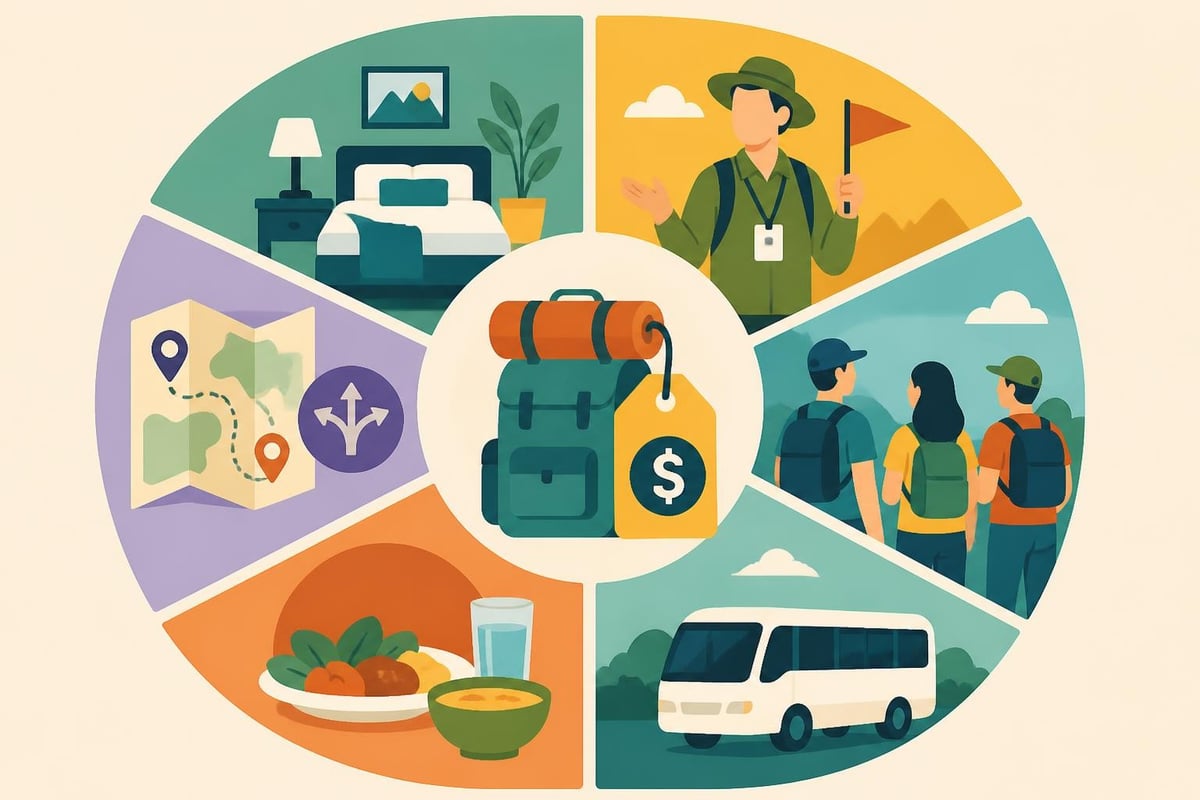
Comprehensive tour packages that include accommodations, meals, guides, entrance fees, permits, and transportation often represent better value than cheaper alternatives requiring numerous add-ons. When comparing options, consider:
| Package Element | Premium Operators | Budget Operators |
|---|---|---|
| Accommodations | Carefully selected hotels with character and comfort | Generic budget hotels, often far from attractions |
| Meals | Local cuisine at quality restaurants, dietary accommodations | Limited options, basic meals, hidden costs for upgrades |
| Guides | Experienced, certified, multilingual professionals | Entry-level guides with basic training |
| Group Size | 6-12 participants maximum | 20-40+ participants |
| Transportation | Private vehicles, comfortable and well-maintained | Shared buses, minimal comfort standards |
| Flexibility | Itinerary adjustments possible | Rigid schedules, no customization |
Sustainable Pricing Models
Ethical tour operators price their services to ensure fair wages for staff, sustainable practices, and community contributions. When prices seem too low, it often indicates exploitation of workers, environmental shortcuts, or hidden costs that emerge later. Popular tour companies maintain transparent pricing that reflects the true cost of responsible operations.
The UNWTO’s 2025 tourism highlights show that travelers increasingly prioritize value and sustainability over bargain hunting, recognizing that quality experiences require fair investment.
Regulatory Compliance and Consumer Protection
Operating legally and maintaining proper certifications protects both travelers and destinations. Popular tour companies navigate complex regulatory environments, maintain required licenses, and comply with consumer protection laws.
Licensing and Industry Certifications
Legitimate tour operators hold necessary business licenses, tourism board registrations, and activity-specific certifications. In destinations like Bhutan, operators must be licensed by the Tourism Council and adhere to strict regulations governing daily rates, guide qualifications, and operational standards.
Beyond basic licensing, memberships in industry associations signal commitment to professional standards. Organizations like the Adventure Travel Trade Association, International Association of Tour Managers, and regional tourism boards establish codes of conduct that members must follow.
Package Travel Regulations
For tours involving European customers, the EU Package Travel Directive establishes critical consumer protections. This regulation requires operators to provide specific information, maintain insolvency protection, and assume responsibility for all services included in packages. Understanding these protections helps travelers recognize reputable operators who comply with international standards.
Reviews, Testimonials, and Reputation Management
In 2026's connected world, popular tour companies build reputations through consistent excellence validated by independent reviews. While testimonials on company websites provide insights, third-party platforms offer unfiltered perspectives from past clients.
Evaluating Online Reviews
When researching tour companies, look beyond star ratings to read detailed reviews that describe:
- Guide knowledge and personality
- Accommodation quality and location
- Food variety and quality
- Pace and physical demands
- Group dynamics and size
- Value for money
- Company responsiveness to issues
Patterns matter more than individual outliers. Companies with consistently positive feedback across multiple platforms demonstrate reliability, while those with polarized reviews may deliver inconsistent experiences.
Direct References and Past Client Connections
Many popular tour companies facilitate connections between prospective clients and past participants. Speaking directly with someone who has completed a tour provides candid insights unavailable in written reviews. Questions about unexpected challenges, what exceeded expectations, and what they would change offer valuable planning guidance.
Customization and Personalized Itineraries
The shift toward personalized travel experiences represents one of the most significant trends among popular tour companies in 2026. Rather than forcing travelers into preset itineraries, leading operators craft journeys around individual interests, physical abilities, and time constraints.
The Consultation Process
Quality customization begins with thorough consultation. Operators should ask about:
- Travel motivations-what you hope to experience and learn
- Physical fitness levels and activity preferences
- Cultural interests-history, religion, arts, cuisine, nature
- Pace preferences-leisurely exploration versus packed schedules
- Special occasions requiring accommodations or celebrations
- Previous travel experiences informing expectations
This information allows operators to propose itineraries that balance must-see highlights with off-beaten-path discoveries aligned with your specific interests. For travelers interested in Bhutan's distinctive approach to measuring national success through happiness rather than GDP, specialized itineraries might include conversations with Gross National Happiness scholars and visits to communities implementing these principles.
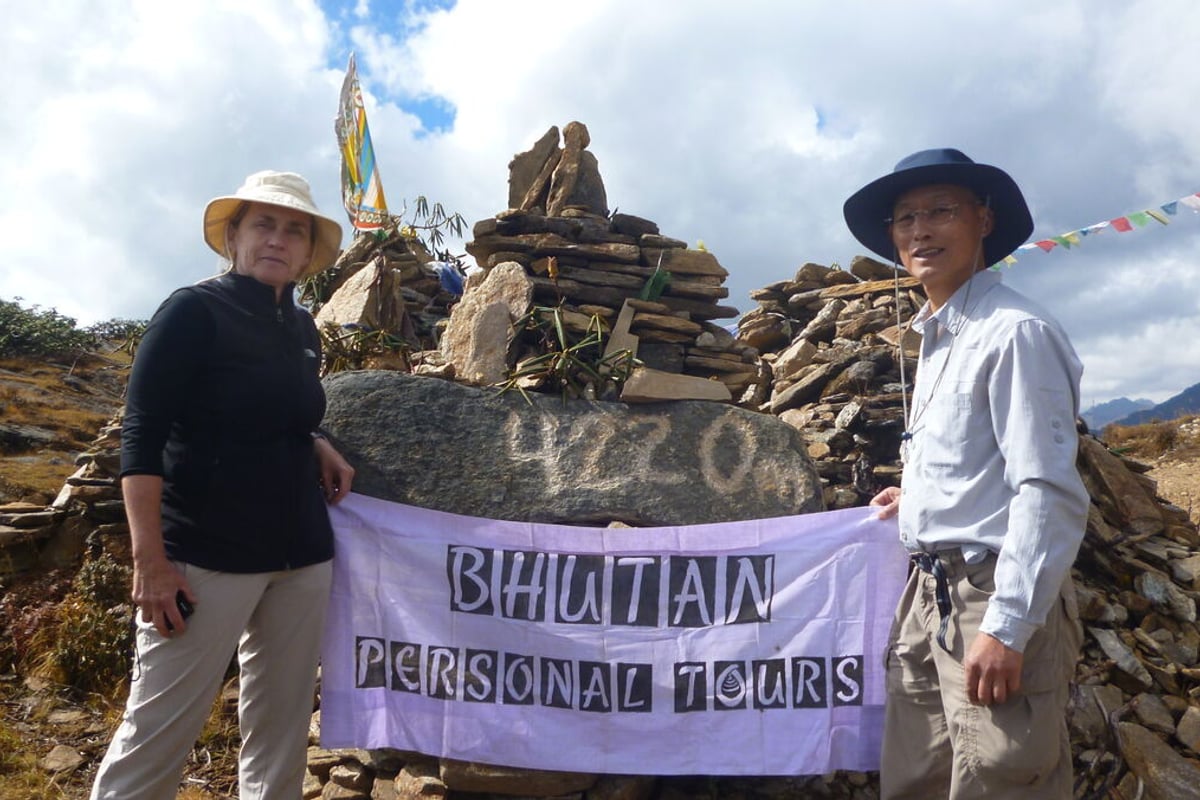
A journey like the 6 nights Western Bhutan amusement exemplifies thoughtful itinerary design that weaves together spectacular landscapes, sacred monasteries, and meaningful cultural encounters. This carefully paced tour moves through Thimphu, Phobjikha, Punakha, and Paro, offering opportunities to meet monks for discussions on Buddhist perspectives of happiness and engage with professors specializing in Gross National Happiness philosophy-experiences that transcend typical sightseeing to deliver genuine cultural understanding.
Flexibility During Tours
Even well-planned itineraries benefit from flexibility. Popular tour companies empower guides to make real-time adjustments based on weather, group energy, unexpected opportunities, or participant interests. This adaptive approach requires experienced guides confident in their destination knowledge and operators who trust their judgment.
Building Long-Term Relationships
The most successful tour operators view each journey as the beginning of an ongoing relationship rather than a one-time transaction. This perspective drives superior service and creates communities of travelers who return for new adventures and refer friends and family.
Repeat Traveler Programs
Popular tour companies often develop programs recognizing loyal clients through:
- Priority booking for limited-availability tours
- Alumni networks facilitating connections among past participants
- Exclusive itineraries designed for returning travelers
- Discounts or special amenities
- Invitations to destination-focused events and presentations
These programs acknowledge that experienced travelers bring valuable perspectives to groups while creating sustainable business models that don't depend solely on acquiring new customers.
Post-Tour Engagement
The relationship doesn't end when you return home. Exceptional operators maintain engagement through newsletters sharing destination updates, photo galleries documenting tours, and information about conservation initiatives supported by tour proceeds. This communication reinforces the impact of travel choices and keeps destinations alive in travelers' minds.
Selecting the Right Company for Your Journey
With countless operators competing for attention, choosing among travel companies requires systematic evaluation. Start by clarifying your priorities-whether cultural immersion, adventure activities, comfort level, sustainability commitment, or budget constraints top your list.
Research multiple operators specializing in your target destination, comparing their experience, group sizes, included services, and reviews. Don't hesitate to contact companies directly with questions about their sustainability practices, guide qualifications, or flexibility in customizing itineraries. Responsive, informative answers indicate the level of service you'll receive throughout your journey.
For destinations requiring specialized knowledge and logistics, like small group tours in remote regions, prioritize operators with deep local roots, long-standing community relationships, and guides who call the destination home. This ensures your tour supports local economies while accessing authentic experiences unavailable through international operators without on-ground presence.
Identifying popular tour companies that align with your values and travel style transforms how you experience the world. The best operators combine personalized service, destination expertise, sustainability commitment, and operational excellence to create journeys that enrich both travelers and host communities. When you're ready to explore destinations that prioritize cultural preservation and meaningful connections, Bhutan Personal Tours and Treks offers personalized itineraries crafted from two decades of guiding experience. By focusing on one group at a time, we ensure the individual attention, authentic cultural engagement, and expert organization that define truly exceptional travel experiences.