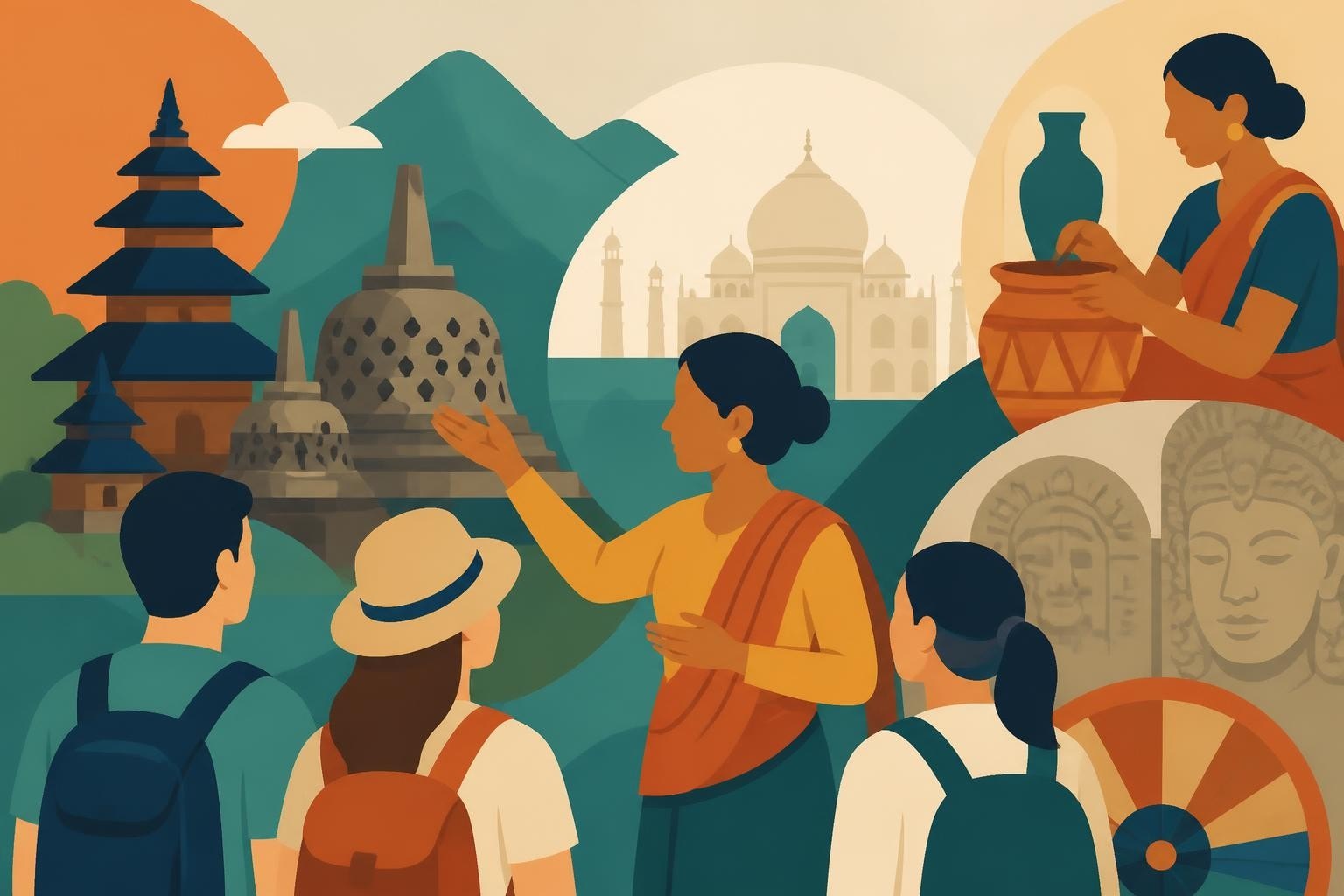
A well-planned guide visit transforms a simple sightseeing trip into an immersive cultural journey that resonates long after you return home. Whether exploring ancient monasteries, navigating remote mountain trails, or understanding complex cultural traditions, the quality of your guided experience directly impacts the depth of understanding and authentic connections you make. This comprehensive resource explores how to maximize the value of professionally led tours, from selecting qualified guides to ensuring ethical, safe, and enriching experiences that respect both visitors and host communities.
Understanding the Value of Professional Guided Tours
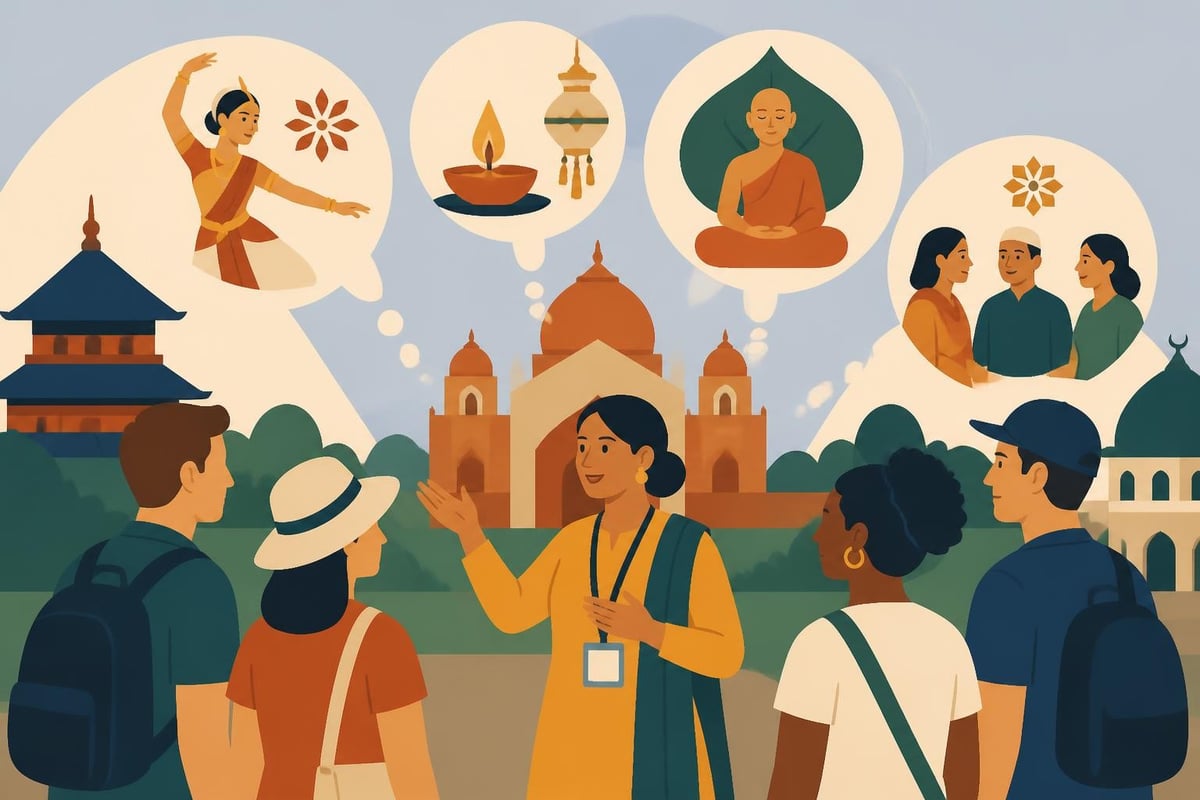
A guide visit offers far more than directional assistance or historical facts. Professional guides serve as cultural interpreters, safety managers, and connection facilitators who bridge the gap between visitors and local communities. Their expertise transforms unfamiliar landscapes into comprehensible narratives.
The most effective guides possess deep local knowledge combined with communication skills that adapt to diverse audiences. They understand context, read group dynamics, and adjust pacing based on visitor interests and physical capabilities. This personalized approach ensures every participant gains meaningful insights rather than passive information consumption.
Knowledge Depth and Cultural Translation
Qualified tour guides invest years developing expertise in history, ecology, culture, and language. They continuously update their understanding through ongoing education and direct community engagement. This foundation enables them to answer complex questions, provide nuanced explanations, and connect seemingly isolated facts into coherent cultural narratives.
Cultural translation extends beyond language interpretation. Skilled guides help visitors understand behavioral norms, religious practices, and social contexts that influence everything from dress codes to photography etiquette. This guidance prevents unintentional disrespect while fostering genuine appreciation for local traditions, particularly important when visiting sacred sites or participating in religious festivals where specific protocols apply.
Selecting Qualified Guides and Tour Operators
Choosing the right guide or operator determines the success of your entire experience. Several key factors distinguish exceptional providers from mediocre ones.
Certification and credentials represent baseline qualifications. Many destinations require guides to complete formal training programs and maintain active licenses. Verify these credentials before booking, as they ensure guides meet minimum knowledge and safety standards.
Evaluating Experience and Specialization
Experience matters significantly in guided tourism. Guides who have worked in specific regions for extended periods develop intimate knowledge of seasonal variations, hidden locations, and trusted local contacts. They navigate logistics efficiently and handle unexpected situations with practiced calm.
Specialization adds another dimension. Some guides focus on specific interests such as wildlife observation, adventure activities, cultural immersion, or spiritual exploration. Matching guide expertise to your primary interests enhances the relevance and depth of information you receive throughout your guide visit.
| Credential Type | Verification Method | Importance Level |
|---|---|---|
| National Guide License | Government tourism board database | Essential |
| First Aid/Wilderness Medicine | Current certification copy | Critical for remote areas |
| Language Proficiency | Professional assessment or certification | High for international visitors |
| Specialized Training | Documented coursework or apprenticeship | Important for niche interests |
Preparing for Your Guided Experience
Preparation significantly enhances the value extracted from any guide visit. Thoughtful advance planning creates conditions for deeper engagement and more satisfying outcomes.
Research and Question Development
Familiarize yourself with basic destination information before departure. Understanding fundamental geography, history, and current events provides context that helps you ask more sophisticated questions during your tour. Guides appreciate engaged visitors who move beyond superficial inquiries.
Prepare specific questions about topics that genuinely interest you. Rather than expecting guides to deliver monologues, active dialogue creates richer learning experiences. Note questions as they arise during pre-trip research, then share them with your guide to help shape the visit structure.
The U.S. National Park Service interpretive guidelines emphasize visitor preparation as a key component of successful educational experiences, recommending advance research to maximize on-site learning.
Physical and Logistical Preparation
Assess physical requirements honestly. Guide visits vary dramatically in exertion levels, from gentle walking tours to demanding multi-day treks. Communicate fitness levels accurately when booking to ensure appropriate itinerary matching. Guides can adjust pacing and routes when they understand participant capabilities, but surprises create problems.
Logistical preparation includes appropriate gear, medications, and documentation. Guides provide equipment lists, but responsibility for personal items remains with travelers. Pack thoughtfully, considering climate variations, activity requirements, and cultural appropriateness. When exploring diverse regions like Western Bhutan, elevation and weather changes demand versatile clothing options.
Maximizing Cultural Immersion During Tours
The quality of cultural immersion during a guide visit depends heavily on visitor attitude and guide facilitation. Both parties contribute to the depth of authentic engagement achieved.
Active Participation and Respectful Curiosity
Approach cultural experiences with genuine curiosity rather than judgment. Ask questions to understand rather than to confirm preconceptions. Guides recognize authentic interest and respond by sharing deeper insights and facilitating connections that transcend standard tour narratives.
Participate actively in offered experiences. Whether learning traditional dances, attempting local crafts, or sharing meals with families, hands-on involvement creates memorable connections. These moments often generate the most lasting impressions and meaningful understanding of daily life in host communities.
Building Relationships with Local Communities
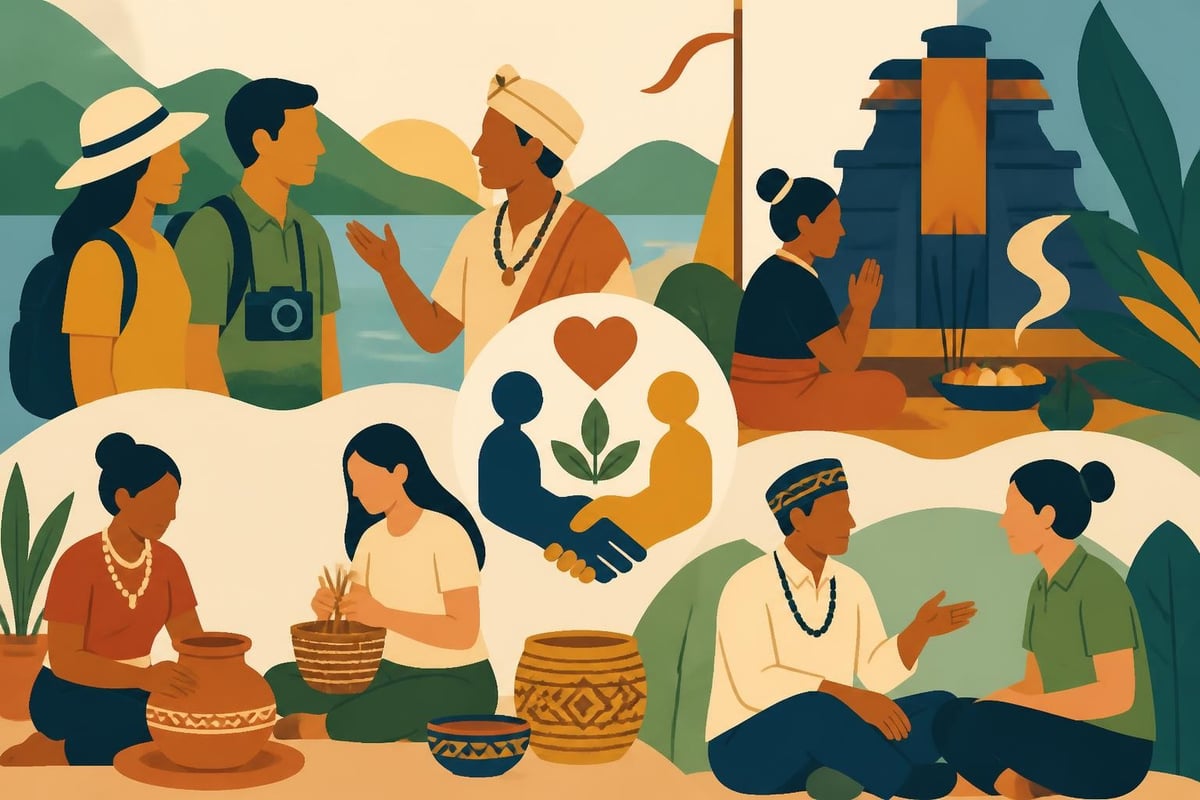
Exceptional guides facilitate genuine interactions between visitors and community members. These connections humanize destinations, transforming abstract cultural concepts into personal relationships. When guides introduce you to artisans, farmers, or religious practitioners, take time to engage thoughtfully.
Photography requires particular sensitivity during community interactions. Always ask permission before photographing people, religious ceremonies, or sacred objects. Guides familiar with local customs provide clear guidance on appropriate and inappropriate photography contexts. Respect these boundaries consistently.
Consider how meaningful cultural engagement unfolds during programs like the 6 nights Western Bhutan amusement, where structured opportunities to meet monks and discuss happiness from Buddhist perspectives, or conversations with professors about Gross National Happiness, create profound understanding that extends far beyond surface-level tourism.
Safety and Risk Management in Guided Tours
Professional guides prioritize participant safety throughout every guide visit. Understanding their safety protocols and your own responsibilities ensures secure experiences even in challenging environments.
Health and Emergency Preparedness
Qualified guides maintain current first aid certifications and carry appropriate medical supplies for anticipated conditions. They monitor participant well-being, recognize early warning signs of altitude sickness, dehydration, or exhaustion, and adjust plans accordingly. This vigilance prevents minor issues from escalating into serious problems.
The World Health Organization provides guidance on public health considerations for travel and group activities, establishing frameworks that professional operators incorporate into their safety protocols, particularly relevant for post-pandemic planning in 2026.
Communication systems represent critical safety infrastructure. Guides working in remote areas maintain satellite communication devices, emergency evacuation plans, and established protocols with local rescue services. Understand these systems before departing on extended expeditions.
Environmental and Activity-Specific Risks
Different activities and environments present unique hazards. Guides conduct thorough safety briefings before commencing activities like trekking, river crossings, or visits to high-altitude locations. Pay close attention to these briefings and ask questions about anything unclear.
Weather conditions significantly impact safety, particularly in mountainous regions. Professional guides monitor forecasts closely and modify itineraries when conditions warrant. Trust their judgment on weather-related decisions even when cancellations feel disappointing. Safety always supersedes scheduled activities.
- Verify guide certifications in wilderness first aid or medical training
- Understand emergency communication systems before remote expeditions
- Disclose all relevant health conditions during pre-trip consultations
- Follow guide instructions during technical activities or challenging terrain
- Carry personal insurance covering medical evacuation from remote areas
Ethical Considerations in Guided Tourism
Ethical guide visits benefit both visitors and host communities while preserving cultural heritage and natural environments for future generations. Several principles guide responsible tourism practices.
Cultural Respect and Sacred Space Protocol
Sacred sites require particular sensitivity and adherence to established protocols. Guides familiar with religious customs ensure visitors understand appropriate behavior, dress requirements, and restricted areas. Violations of sacred space protocols can deeply offend communities and damage long-term tourism relationships.
The ICOM Code of Ethics addresses interpretation, inclusivity, and responsible presentation at heritage sites, establishing standards that professional guides incorporate when facilitating visits to museums, monasteries, and cultural landmarks.
Remove shoes when required, dress modestly in religious contexts, maintain appropriate noise levels, and refrain from touching sacred objects unless explicitly permitted. These simple behaviors demonstrate respect and facilitate welcome returns.
Environmental Stewardship and Leave No Trace
Responsible guides model and enforce environmental best practices. Leave No Trace principles apply universally, from disposing of waste properly to staying on established trails and minimizing wildlife disturbance. Your guide visit should leave natural areas pristine for subsequent visitors.
Support local conservation efforts through responsible behavior and, where appropriate, direct contributions. Many protected areas depend on tourism revenue for maintenance and protection. Understanding these connections helps visitors appreciate their role in conservation systems.
Group Dynamics and Communication Strategies
Successful guide visits require effective communication and positive group dynamics. Both guides and participants contribute to these social conditions.
Establishing Clear Expectations
Communication begins during the booking process. Share relevant information about interests, limitations, dietary requirements, and special requests early. This transparency allows guides to customize experiences appropriately and avoid last-minute adjustments.
Guides should clearly communicate daily schedules, physical demands, and cultural contexts before each activity. When both parties understand expectations, disappointments decrease and satisfaction increases. Ask for clarification whenever explanations seem vague or incomplete.
Managing Different Learning Styles and Paces
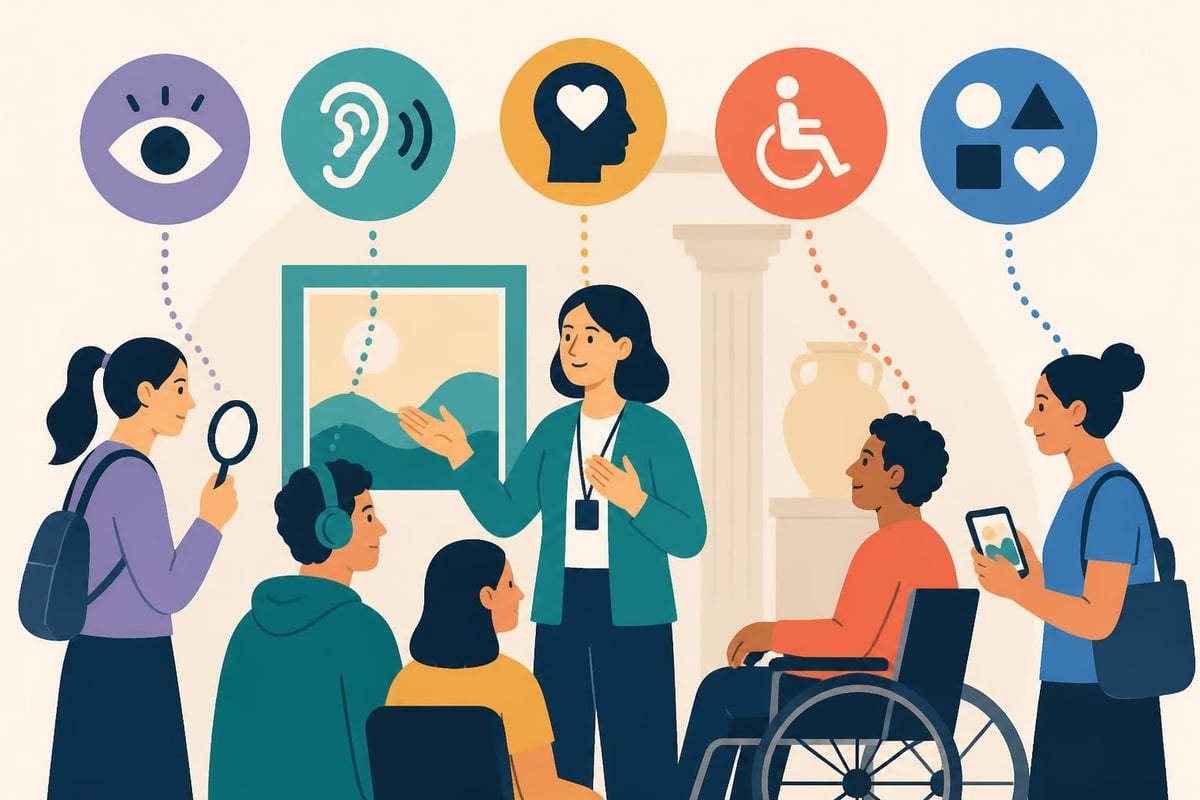
Group tours accommodate diverse learning preferences and physical capabilities. Effective guides vary their presentation methods, combining verbal explanations with visual demonstrations, hands-on experiences, and quiet observation periods. They pace information delivery to prevent cognitive overload while maintaining engagement.
The T-GUIDE project provides practical training on inclusive tourist guiding, particularly for visitors with intellectual or learning disabilities, demonstrating how professional adaptation ensures meaningful experiences for all participants regardless of individual needs.
Solo travelers and small groups enjoy more flexibility in customizing pace and content. Operators like Bhutan Personal Tours and Treks work with one group at a time, enabling highly personalized attention and seamless organization that adapts to individual preferences throughout the journey.
Post-Tour Engagement and Knowledge Integration
The conclusion of a guide visit marks the beginning of knowledge integration and ongoing engagement with the destination and culture experienced.
Reflection and Documentation
Take time after returning to review notes, photographs, and memories while they remain fresh. Reflection deepens understanding and helps identify areas for further exploration. Many travelers discover that their most profound insights emerge during this reflective period rather than during the actual visit.
Maintain connections with guides and local contacts when appropriate. Social media and email enable ongoing cultural exchange and friendship that extends beyond commercial transactions. These relationships enrich both parties and sometimes lead to return visits or reciprocal hosting.
Sharing Experiences Responsibly
Share your experiences thoughtfully, avoiding stereotypes or oversimplifications. Destinations and cultures resist reduction to simple narratives. Nuanced sharing educates others while respecting the complexity you encountered during your guide visit.
The American Alliance of Museums offers resources on measuring and demonstrating visitor value, which helps tour operators understand impact and continuously improve experiences based on meaningful feedback rather than superficial reviews.
Technology Integration in Modern Guided Experiences
Contemporary guide visits incorporate technology thoughtfully to enhance rather than replace human interaction and direct experience.
Digital Tools for Enhanced Understanding
GPS devices, translation apps, and digital field guides supplement guide expertise without substituting for it. Augmented reality applications overlay historical reconstructions on current landscapes, helping visitors visualize past contexts. Photography and video capabilities enable documentation that aids later reflection and sharing.
However, excessive screen time detracts from presence and direct sensory engagement. Balance documentation desires with lived experience. Trust that memories and selective photographs capture sufficient detail without constant recording.
Virtual Preparation and Follow-Up
Pre-visit virtual tours and webinars provide valuable context before departure. Post-visit online resources, including recorded lectures, document archives, and expert interviews, support continued learning. This blended approach extends the educational value far beyond the physical guide visit duration.
Continuous Improvement in Guided Tourism
The guided tourism industry evolves continuously, incorporating new research on interpretation, accessibility, safety, and cultural sensitivity. Professional guides commit to ongoing education and skill development.
Feedback Mechanisms and Quality Enhancement
Provide detailed, constructive feedback to guides and operators after each experience. Specific observations about what worked well and what could improve help professionals refine their practices. Many operators actively solicit feedback to drive continuous improvement.
- Complete post-tour surveys thoroughly and honestly
- Highlight specific moments of exceptional guidance or facilitation
- Suggest improvements diplomatically with constructive framing
- Recognize outstanding guides through public reviews and recommendations
- Share feedback privately for sensitive issues before posting public reviews
Industry Standards and Professional Development
Professional guide associations establish standards, provide training, and facilitate knowledge sharing among practitioners. These organizations drive industry-wide improvements in interpretation quality, safety protocols, and ethical practices. Supporting operators who participate in professional development demonstrates value for excellence in guided experiences.
Thoughtful planning and engaged participation transform a guide visit from a scheduled activity into a transformative cultural journey that expands understanding and creates lasting connections. When travelers approach guided experiences with preparation, curiosity, and respect while selecting qualified professionals committed to authentic engagement, they unlock profound insights unavailable through independent exploration alone. Bhutan Personal Tours and Treks specializes in creating exactly these personalized, deeply meaningful experiences, drawing on decades of expertise to craft itineraries that connect travelers with Bhutan's authentic culture, sacred traditions, and welcoming communities through one-group-at-a-time attention that ensures every journey receives the focus and customization it deserves.