

Choosing the best time to visit Bhutan can transform your journey from memorable to extraordinary. This Himalayan kingdom's dramatic landscapes, vibrant festivals, and unique cultural experiences shift with the seasons, making timing a critical factor in planning your adventure. Understanding Bhutan's climate patterns, festival calendar, and seasonal advantages helps you align your travel goals with the optimal visiting window. Whether you're drawn to colorful masked dances at ancient monasteries, high-altitude trekking routes, or intimate cultural exchanges with local communities, the timing of your visit shapes every aspect of your experience.
Understanding Bhutan's Climate and Seasons
Bhutan's climate varies significantly by elevation and region, creating distinct seasonal patterns that influence travel conditions throughout the year. The country experiences four primary seasons, each offering unique advantages for different types of travelers and activities.
Spring Season (March to May)
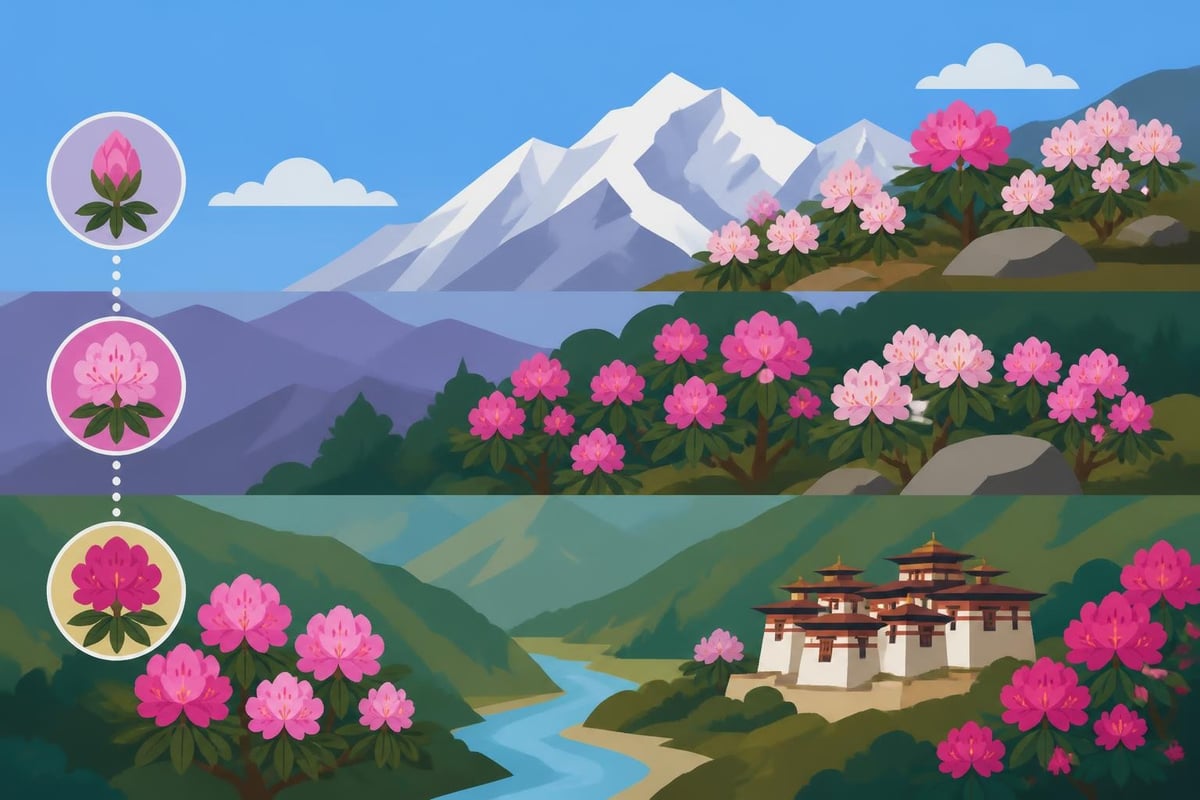
Spring emerges as one of the best time to visit Bhutan for nature enthusiasts and photographers. Temperatures range from 15°C to 25°C in the valleys, creating comfortable conditions for sightseeing and outdoor exploration. The hillsides burst into color as rhododendrons bloom across the landscape, painting the mountains in shades of red, pink, and white.
This season offers several compelling advantages:
- Clear mountain views with excellent visibility before monsoon clouds arrive
- Moderate temperatures ideal for both cultural tours and trekking
- Blooming flora throughout valleys and mountain passes
- Spring festivals including Paro Tsechu, one of Bhutan's most celebrated events
The Paro Tsechu festival typically falls in March or April, drawing visitors who want to witness sacred mask dances and unfurling of the giant thangka. According to National Geographic’s travel guide, spring represents peak season for cultural tourism, combining favorable weather with significant religious celebrations.
Summer and Monsoon (June to August)
Summer coincides with monsoon season, when the National Centre for Hydrology & Meteorology reports that Bhutan receives the majority of its annual precipitation. Rainfall typically arrives in pulses rather than continuous downpours, with clearer mornings and afternoon showers common.
| Aspect | Advantage | Consideration |
|---|---|---|
| Tourism volume | Fewer crowds, peaceful sites | Limited high-altitude trekking |
| Vegetation | Lush green landscapes | Occasional travel delays |
| Pricing | Lower accommodation rates | Some mountain passes may close |
| Photography | Dramatic cloud formations | Reduced mountain visibility |
While not traditionally considered the best time to visit Bhutan for trekking, summer offers unique experiences for travelers interested in Bhutan’s natural vegetation and agricultural traditions. Rice paddies shimmer bright green, wildflowers carpet meadows, and waterfalls cascade with impressive volume.
Autumn Season (September to November)
Autumn consistently ranks as the best time to visit Bhutan for most travelers. Post-monsoon conditions deliver crystal-clear skies, stable weather patterns, and comfortable temperatures ranging from 10°C to 20°C in the valleys. The air quality reaches its peak, offering unobstructed views of the snow-capped Himalayan peaks.
Peak season advantages include:
- Exceptional visibility for mountain photography and scenic flights
- Perfect trekking conditions on routes like the Druk Path and Jomolhari
- Major festivals including Thimphu Tsechu and Wangdue Tsechu
- Harvest season showcasing agricultural traditions
- Stable weather with minimal rainfall
Lonely Planet’s seasonal guide emphasizes autumn's combination of cultural festivals and outdoor activities, making it ideal for comprehensive itineraries. The Thimphu festival in particular attracts significant visitor numbers, requiring advance booking.
Autumn's popularity means higher demand for accommodations and tour services. Macroeconomic reports from the Royal Government of Bhutan consistently show September through November as peak arrival months, reflecting travelers' preference for this season.
Winter Season (December to February)
Winter transforms Bhutan into a serene destination with crisp, clear days and fewer international visitors. Daytime temperatures in valleys like Paro and Punakha remain pleasant (10°C to 15°C), though nights turn cold with temperatures dropping near freezing.
This season presents compelling opportunities:
- Peaceful temple visits without crowds at iconic sites
- Winter festivals including unique celebrations in smaller villages
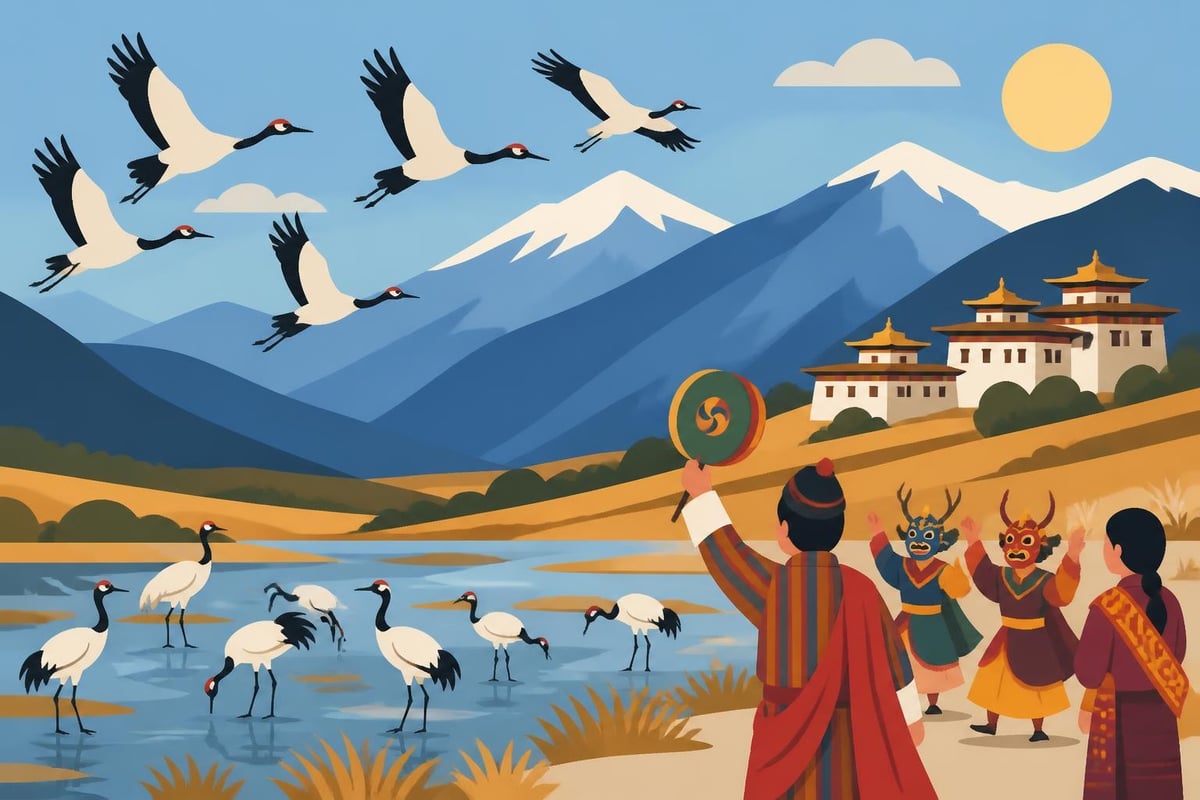
- Black-necked crane migration to Phobjikha Valley (November to March)
- Lower-elevation trekking on routes that remain snow-free
- Cultural immersion with more intimate interactions
The Black-necked Crane Festival in November celebrates these rare birds that migrate from Tibet, as documented by the Royal Society for Protection of Nature. Winter can be an excellent choice for travelers seeking solitude and authentic cultural experiences, though high-altitude passes may close due to snow.
Matching Your Travel Goals with Season
Different travel objectives align with specific seasons, making the best time to visit Bhutan a personalized decision based on your priorities and interests.
Trekking and Adventure Activities
Spring (March to May) and Autumn (September to November) provide optimal windows for trekking in Bhutan. High-altitude routes become accessible as snow melts in spring, while autumn offers the most stable weather patterns.
Popular trekking routes and their ideal timing:
- Druk Path Trek: September to November, March to May
- Jomolhari Trek: April to June, September to October
- Snowman Trek: September to October (narrow window)
- Gangtey Trek: October to November, March to April
Western Bhutan trekking routes remain accessible longer than eastern trails due to lower elevations and different weather patterns. Winter treks like the Punakha Winter Trek offer unique experiences when traditional high routes close.
Festival Tourism
Bhutan's religious festivals (tshechus) occur year-round on the lunar calendar, with dates shifting annually. Planning around major festivals helps you determine the best time to visit Bhutan for cultural immersion.
| Season | Major Festivals | Location |
|---|---|---|
| Spring | Paro Tsechu, Gom Kora | Paro, Trashigang |
| Summer | Kurjey Tsechu, Nimalung Tsechu | Bumthang |
| Autumn | Thimphu Tsechu, Wangdue Tsechu, Jakar Tsechu | Thimphu, Wangdue, Bumthang |
| Winter | Punakha Drubchen, Black-necked Crane Festival | Punakha, Phobjikha |
The Festivals page provides detailed timing for planning around these sacred celebrations. Booking accommodations three to six months in advance becomes essential during major festival periods.
Photography and Landscape
Autumn emerges as the undisputed best time to visit Bhutan for photographers seeking Himalayan vistas. September through November delivers the clearest atmospheric conditions, with minimal haze and maximum visibility extending to distant peaks.
Spring offers the second-best photographic window, particularly for capturing:
- Blooming rhododendrons against mountain backdrops
- Agricultural activity in terraced rice fields
- Festival colors and ceremonial details
- Architectural details in sharp morning light
Winter provides unique opportunities for photographers comfortable with cold conditions, including snow-dusted dzongs, frost-covered landscapes, and dramatic winter light. Summer's monsoon clouds create moody, atmospheric images but challenge landscape photography.
Regional Variations in Climate
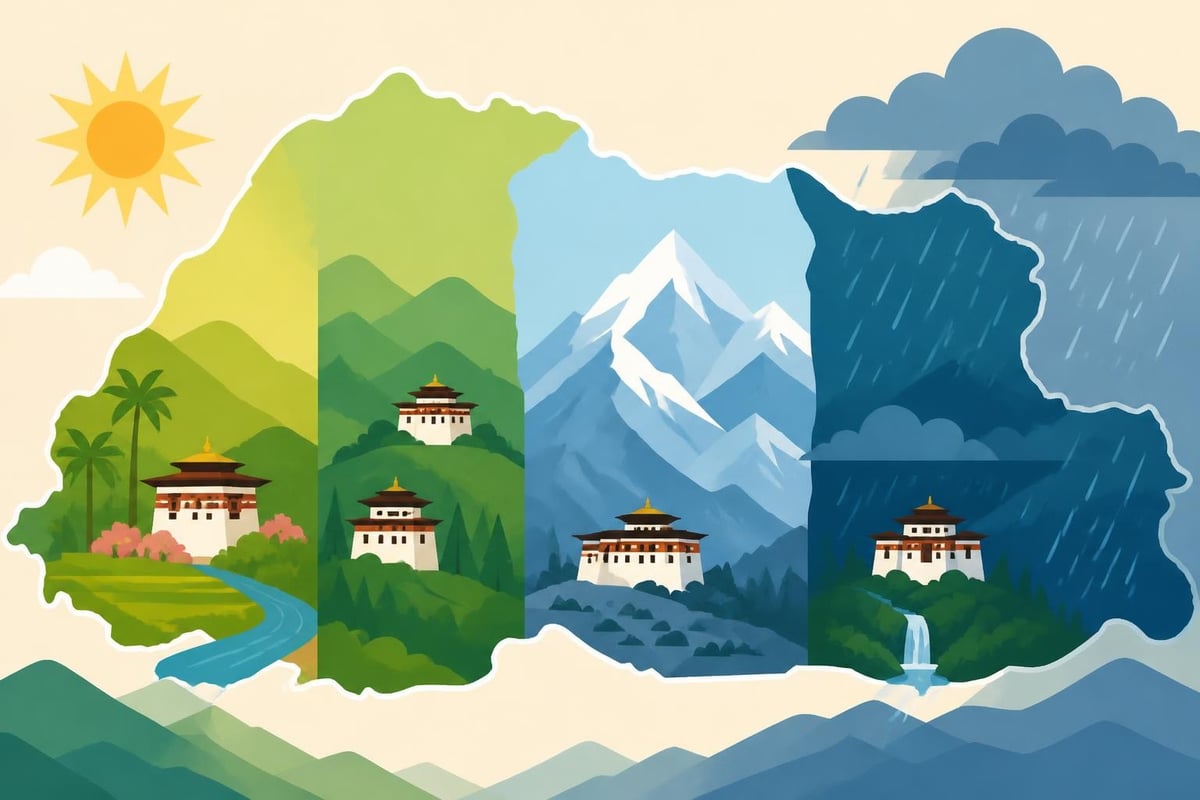
Bhutan's geography creates microclimates that influence the best time to visit different regions within the country.
Western Bhutan
Western Bhutan, including the popular destinations of Paro, Thimphu, Punakha, and Phobjikha, experiences the most moderate climate. Punakha sits at a lower elevation (1,200m) compared to Paro (2,200m) and Thimphu (2,320m), creating warmer conditions year-round.
Winter advantages in western valleys:
- Punakha remains warm and comfortable even in January
- Citrus fruits ripen in Punakha valley during winter months
- Lower elevation means accessible exploration without altitude concerns
The 6 nights Western Bhutan amusement itinerary takes advantage of these varied elevations, combining Thimphu's cultural sites, Phobjikha's crane migration, and Punakha's subtropical climate for a comprehensive experience. This route works exceptionally well from October through March when temperature variations between valleys create diverse experiences within a single journey.
Central and Eastern Bhutan
Central Bhutan, centered on the Bumthang valleys, sits at higher elevations (2,600m to 4,000m) and experiences colder temperatures. Eastern Bhutan receives different monsoon patterns due to its orientation and proximity to the Indian plains.
Spring and autumn remain optimal for visiting these regions, though summer brings particular beauty to Bumthang's alpine meadows. Eastern regions like Trashigang and Mongar can experience extended monsoon periods, making autumn the most reliable season for exploration.
Practical Considerations for Timing Your Visit
Beyond weather and festivals, several practical factors influence the best time to visit Bhutan for individual travelers.
Booking Windows and Availability
Peak season (September through November and March through May) requires booking three to six months in advance. Specialized tour operators working with one group at a time need even longer lead times to ensure personalized attention and expert guide availability.
Off-season advantages (June through August, December through February):
- Greater flexibility in booking accommodations
- More intimate interactions at cultural sites
- Potentially lower rates at hotels (though Bhutan's Sustainable Development Fee remains constant)
- Easier access to senior guides with extensive experience
Health and Safety Timing
The World Health Organization’s travel health guidance recommends consulting healthcare providers six to eight weeks before international travel for necessary vaccinations. Timing your visit during dry seasons (autumn and spring) reduces certain health risks associated with monsoon conditions.
Altitude considerations matter year-round, but spring's gradual temperature increase and autumn's stable conditions make acclimatization more comfortable than winter's cold nights or summer's variable weather.
Climate Change Considerations
Recent climate studies, including reports from the Asian Development Bank on regional climate patterns, indicate shifting seasonal patterns across the Himalayas. Traditional monsoon onset dates show greater variability, while winter temperatures trend slightly warmer.
Implications for travelers:
- Traditional "shoulder season" windows may expand
- High-altitude trekking seasons could extend earlier in spring
- Monsoon intensity may increase during peak months
- Winter accessibility to certain regions may improve
Staying informed through Bhutan’s official tourism resources helps travelers understand current seasonal conditions and any climate-related travel advisories.
Month-by-Month Breakdown
Understanding each month's characteristics helps identify the best time to visit Bhutan based on specific travel dates and flexibility.
January: Clear skies, cold nights, minimal crowds. Excellent for Bumthang winter festivals and valley exploration. High passes may close.
February: Similar to January with gradually warming temperatures. Good for photography and cultural tours in lower elevations. Black-necked cranes still present in Phobjikha.
March: Spring begins, rhododendrons start blooming at lower elevations. Paro Tsechu often falls in March. Tourism increases.
April: Peak spring conditions, full rhododendron bloom, excellent trekking weather. High season pricing and booking demand.
May: Late spring warmth, occasional pre-monsoon showers. Good for high-altitude treks before monsoon. Some festivals in eastern regions.
June: Monsoon begins, lush landscapes, fewer tourists. Suitable for cultural tours and lower-elevation exploration. Mountain views become limited.
July: Peak monsoon, verdant valleys, agricultural activity visible. Best for travelers seeking solitude and comfortable with rain.
August: Late monsoon, still green but drier than July. Good shoulder month for travelers comfortable with occasional showers.
September: Post-monsoon clarity begins, excellent visibility returns. Early autumn festivals start. Tourism increases rapidly.
October: Peak season, best overall conditions, major festivals including Thimphu Tsechu. Advance booking essential.
November: Continued excellent conditions, Black-necked Crane Festival, decreasing crowds toward month end. Still peak season pricing.
December: Winter begins, clear days, cold nights. Good for valley exploration and cultural immersion. Fewer international visitors.
Making Your Final Decision
Determining the best time to visit Bhutan ultimately depends on balancing your priorities across weather, activities, festivals, and personal preferences. Travelers seeking the most reliable conditions and widest range of activities should target October through November or March through April. Those prioritizing unique experiences, peaceful exploration, and intimate cultural encounters might prefer winter months or early autumn.
Working with experienced tour operators who understand seasonal nuances ensures your chosen timing aligns with your goals. The depth of local knowledge becomes particularly valuable when planning around festivals, weather windows for specific activities, or regional variations within Bhutan.
Consider your flexibility with dates, tolerance for varying weather conditions, and primary travel objectives. A well-timed visit to Bhutan creates opportunities for profound cultural connections, spectacular natural beauty, and memories that extend far beyond typical tourist experiences. The kingdom's commitment to sustainable tourism and preservation of cultural heritage means that whenever you visit, you'll encounter authentic traditions and breathtaking landscapes, with seasonal timing simply enhancing different aspects of this extraordinary destination.
The best time to visit Bhutan varies with your interests, but understanding seasonal patterns, festival calendars, and regional climate differences ensures you experience the kingdom at its finest. Whether you're drawn to spring's blooming rhododendrons, autumn's crystal-clear mountain views, or winter's peaceful solitude, proper timing transforms your journey into an unforgettable adventure. Bhutan Personal Tours and Treks specializes in crafting personalized itineraries that align with your preferred travel season, leveraging two decades of guiding experience to connect you with local experts and ensure every day of your journey delivers authentic cultural engagement and meaningful experiences.