

Operating successful guided travel experiences requires more than local knowledge and passion. Tour operators must establish and follow comprehensive operational standards that protect travelers, preserve cultural heritage, and ensure every journey meets professional benchmarks. A well-executed guidelines tour framework creates consistency across all aspects of service delivery, from initial booking through final departure, while addressing safety, ethics, accessibility, and environmental responsibility. These standards distinguish professional operations from casual ventures and build trust with discerning travelers seeking authentic experiences.
Understanding the Foundation of Tour Guidelines
Professional tour operations demand structured frameworks that address every touchpoint in the traveler journey. These guidelines encompass legal compliance, safety protocols, cultural sensitivity, environmental stewardship, and service quality standards. The foundation begins with understanding regulatory requirements in your operating territory and extends to self-imposed standards that reflect organizational values and commitment to excellence.
Regulatory Compliance and Legal Frameworks
Tour operators must navigate complex regulatory environments that vary by destination and market. European consumer protection standards provide comprehensive guidance on package travel requirements, cancellation policies, and traveler rights. These regulations shape how operators structure contracts, communicate terms, and handle disruptions.
Understanding tourism policy frameworks specific to your destination ensures compliance with local licensing, permitting, and operational requirements. In Bhutan, sustainable tourism principles are embedded in national policy, requiring operators to balance visitor access with cultural preservation and environmental protection.
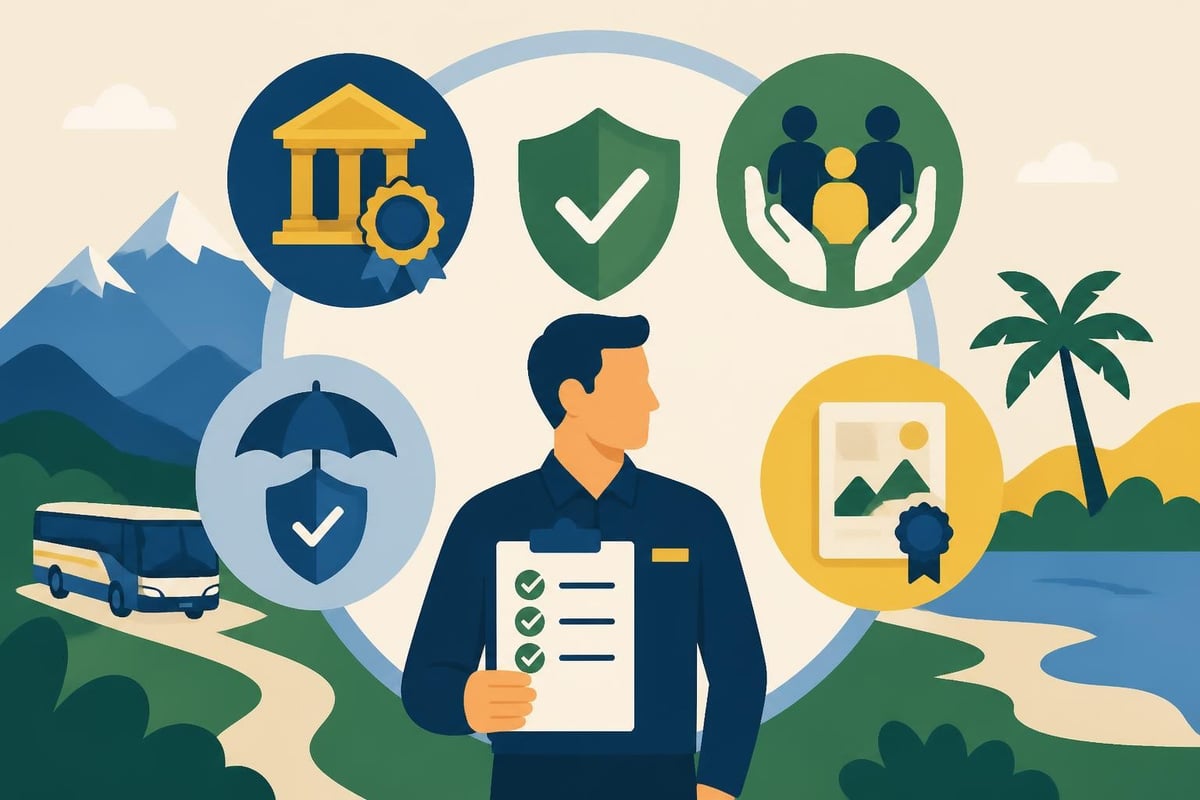
Key regulatory considerations include:
- Business licensing and tour operator permits
- Insurance requirements for liability and traveler protection
- Contract law and booking terms compliance
- Tax obligations and financial reporting
- Employment law for guides and support staff
- Health and safety regulations
- Data protection and privacy requirements
Safety Protocols and Risk Management
Safety forms the cornerstone of any guidelines tour framework. Comprehensive protocols address pre-trip planning, on-ground operations, emergency response, and post-incident review. Professional operators develop layered safety systems that anticipate risks and establish clear response procedures.
Pre-Trip Planning and Assessment
Risk assessment begins during itinerary development. Operators evaluate route conditions, seasonal hazards, accommodation safety, transportation reliability, and medical facility access. The National Park Service provides practical guidance on safety protocols, permitting, and interpretation standards that serve as useful models for comprehensive operational guidelines.
Weather monitoring, political stability tracking, and health advisory reviews must occur continuously. In 2026, mass gathering guidance remains relevant for tour operators planning group visits and festival attendance, requiring contingency plans for infectious disease scenarios.
| Risk Category | Assessment Actions | Mitigation Strategies |
|---|---|---|
| Medical emergencies | Facility mapping, evacuation routes | First aid training, emergency contacts, insurance verification |
| Natural hazards | Weather patterns, terrain assessment | Alternative routes, seasonal adjustments, proper equipment |
| Transportation | Vehicle maintenance, driver credentials | Backup arrangements, safety inspections, insurance coverage |
| Cultural sensitivity | Local custom research, restricted area identification | Guide training, visitor briefings, protocol documentation |
On-Ground Operational Safety
Daily safety procedures protect travelers during active tour operations. Morning briefings establish expectations, review daily routes, identify potential hazards, and confirm emergency procedures. Group management protocols ensure accurate headcounts at transitions, maintain communication systems, and monitor participant wellbeing.
Guide training represents a critical investment in safety standards. Experienced operators ensure guides possess current first aid certifications, navigation skills, cultural knowledge, and crisis management capabilities. When exploring Western Bhutan, guides must understand altitude considerations, monastery protocol, and road conditions that vary significantly by season.
Ethical Standards and Cultural Responsibility
A comprehensive guidelines tour framework addresses ethical considerations that extend beyond basic legal compliance. These standards protect vulnerable populations, respect cultural traditions, and ensure tourism benefits local communities.
Safeguarding and Child Protection
Tour operators working in destinations where travelers interact with children must implement robust safeguarding protocols. ECPAT provides essential resources on codes of conduct to prevent exploitation, offering frameworks for staff training, reporting procedures, and partnership vetting.
Ethical guidelines should prohibit visits to orphanages or institutional care settings, as these can inadvertently support harmful practices. Instead, operators can facilitate authentic cultural exchanges through community-based tourism initiatives that respect dignity and privacy.
Cultural Sensitivity and Heritage Preservation
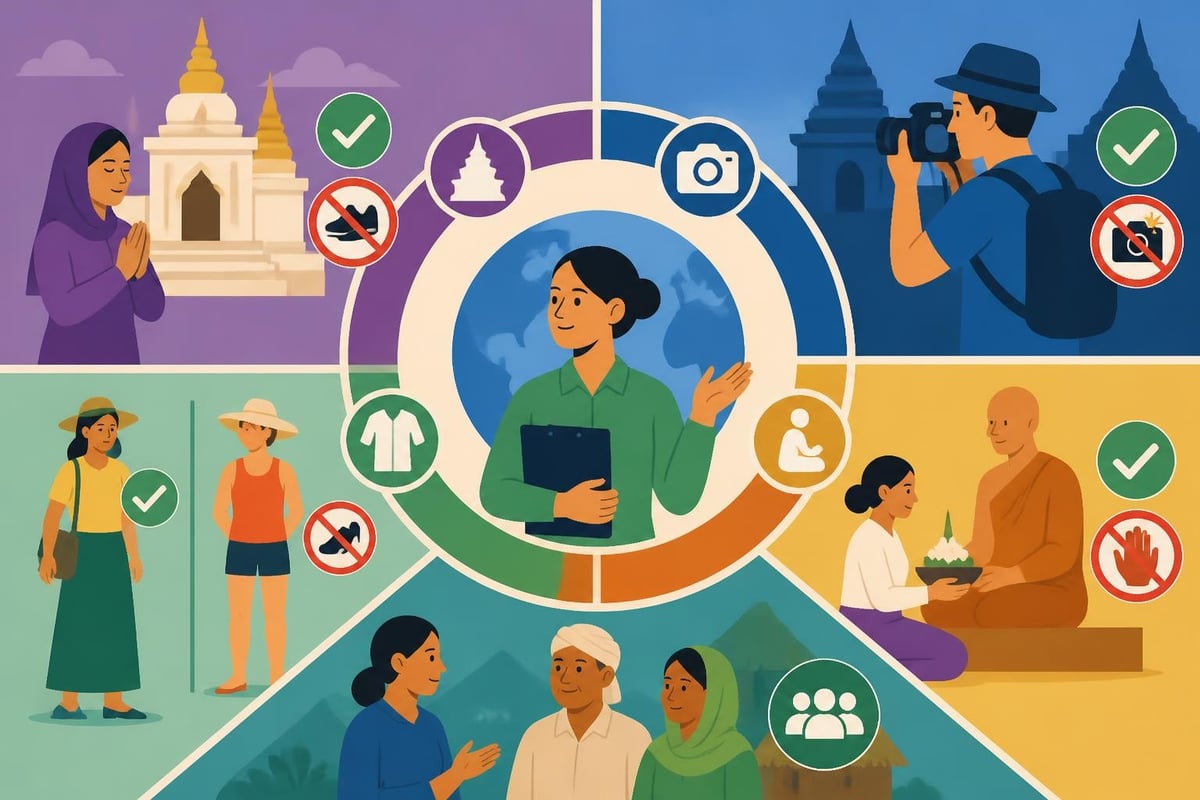
Respecting local customs, religious practices, and sacred spaces requires detailed knowledge and careful communication. Guidelines must specify appropriate behavior at monasteries and religious sites, dress code requirements, photography restrictions, and ceremonial protocol.
Operators should establish clear expectations for travelers:
- Dress modestly at religious sites, covering shoulders and knees
- Remove shoes and hats when entering temples
- Walk clockwise around stupas and prayer wheels
- Request permission before photographing people or ceremonies
- Maintain quiet, respectful behavior during religious observances
- Follow guide instructions regarding sacred objects and spaces
Service Quality and Customer Experience Standards
Consistency in service delivery builds reputation and generates referrals. A guidelines tour approach to quality establishes measurable standards for every aspect of the traveler experience, from initial inquiry through post-trip follow-up.
Communication and Information Delivery
Clear, accurate information management prevents misunderstandings and builds trust. Pre-trip communication should include detailed itineraries, packing lists, physical fitness requirements, altitude considerations, and cultural preparation materials. The WELCOME Framework offers practical guidance on presenting information clearly and accommodating diverse visitor needs.
Operators should establish communication protocols that specify response timeframes for inquiries, booking confirmations, payment processing, and itinerary modifications. Transparency about inclusions, exclusions, and optional activities prevents confusion and manages expectations effectively.
Accommodation and Transportation Standards
Service quality extends to vendor partnerships. Guidelines should specify minimum standards for accommodation cleanliness, safety features, location accessibility, and amenity provision. Transportation standards address vehicle condition, driver qualifications, safety equipment, and comfort features.
Regular vendor audits ensure partners maintain agreed standards. When quality issues arise, documented procedures guide resolution and, if necessary, partner replacement. This systematic approach protects brand reputation and traveler satisfaction.
Environmental Responsibility and Sustainable Practices
Modern tour operators recognize environmental stewardship as both ethical obligation and competitive advantage. Guidelines tour frameworks must integrate sustainability across operations, from itinerary design through waste management.
Minimizing Environmental Impact
Trail etiquette, waste disposal protocols, and energy conservation practices should be clearly documented and communicated to both staff and travelers. Trekking operations particularly require comprehensive environmental guidelines addressing camping practices, human waste management, and Leave No Trace principles.
Specific environmental protocols include:
- Pack out all non-biodegradable waste
- Use designated toilet facilities or follow proper human waste disposal
- Minimize water usage and avoid contaminating water sources
- Stay on established trails to prevent erosion
- Respect wildlife viewing distance guidelines
- Support conservation initiatives through fees or donations
Supporting Local Economies
Sustainable tourism directs economic benefits to local communities. Guidelines should specify sourcing priorities for accommodation, meals, transportation, and cultural experiences. Partnering with local providers, purchasing regional products, and hiring community members as guides creates distributed benefits beyond traditional tourism enclaves.
For operations like the 6 nights Western Bhutan amusement, engaging local experts for discussions on topics like Gross National Happiness or Buddhist philosophy creates authentic experiences while supporting knowledge-based livelihoods.
Accessibility and Inclusive Travel Guidelines
Professional tour operators increasingly recognize that inclusive design benefits all travelers, not just those with specific accessibility needs. A guidelines tour framework should address physical, sensory, cognitive, and cultural accessibility considerations.
Physical Accessibility Assessment
Honest assessment of physical requirements protects both travelers and operators. Itineraries should clearly specify fitness levels needed, elevation gains, walking distances, and terrain characteristics. When accessibility modifications are possible, operators should document available accommodations and communicate limitations transparently.
Accessibility considerations extend beyond mobility to include dietary accommodations, cultural or religious requirements, and sensory sensitivities. Creating frameworks for discussing individual needs during booking processes enables customization while managing realistic expectations.
Age-Appropriate Adaptations
Family travel and senior-focused itineraries require specialized guidelines. Pace adjustments, activity modifications, rest period scheduling, and emergency protocols must address age-specific considerations. Operators serving diverse age groups benefit from documented adaptation strategies that maintain safety while maximizing engagement.
Staff Training and Professional Development
Guidelines remain theoretical without properly trained staff to implement them. Comprehensive training programs ensure guides, drivers, support staff, and administrative personnel understand standards and possess skills for consistent execution.
Guide Competency Standards
Professional guides require diverse competencies spanning natural history, cultural knowledge, first aid, group management, interpretation skills, and crisis response. Training programs should establish certification requirements, continuing education expectations, and performance evaluation criteria.
Experienced operators maintain detailed training curricula covering:
- Destination geography, ecology, and natural history
- Cultural traditions, religious practices, and social customs
- Safety protocols and emergency response procedures
- Customer service and conflict resolution techniques
- Language skills and interpretation methods
- Environmental conservation principles
Quality Assurance Through Evaluation
Regular performance evaluation ensures standards adherence and identifies improvement opportunities. Traveler feedback systems, guide assessments, and operational audits create accountability while recognizing excellence. Documented evaluation processes support professional development and reinforce organizational culture around quality.
Emergency Response and Crisis Management
Comprehensive guidelines tour frameworks prepare organizations for low-probability, high-impact events. Crisis management protocols address medical emergencies, natural disasters, political instability, transportation failures, and other disruptions requiring rapid, coordinated response.
Emergency Communication Systems
Reliable communication infrastructure enables effective crisis response. Operators should establish primary and backup communication methods, emergency contact hierarchies, and notification procedures for travelers, families, and relevant authorities. Satellite phones, emergency beacons, and redundant communication devices provide essential connectivity in remote areas.
| Emergency Type | Immediate Response | Communication Protocol | Escalation Trigger |
|---|---|---|---|
| Medical emergency | First aid, assess severity | Contact medical facilities, notify family | Life-threatening condition, evacuation needed |
| Natural disaster | Account for all travelers, move to safety | Contact authorities, update stakeholders | Imminent danger, evacuation required |
| Political instability | Shelter in place or relocate | Monitor official channels, contact embassy | Civil unrest, travel restrictions |
| Transportation failure | Secure safe location, arrange alternative | Inform affected parties, adjust itinerary | Extended delay, safety concerns |
Insurance and Liability Management
Adequate insurance coverage protects both operators and travelers. Guidelines should specify minimum coverage requirements, claims procedures, and documentation protocols. Traveler insurance verification during booking processes prevents coverage gaps that complicate emergency response.
Professional liability insurance, vehicle coverage, property insurance, and business interruption policies create comprehensive protection. Regular policy reviews ensure coverage remains adequate as operations evolve and risks change.
Documentation and Continuous Improvement
Effective guidelines tour systems require meticulous documentation and regular refinement. Standard operating procedures, incident reports, feedback analysis, and performance metrics create foundations for evidence-based improvement.
Standard Operating Procedures
Written procedures provide consistent reference points for routine operations and unusual situations. SOPs should cover booking processes, pre-trip preparation, daily operations, emergency response, quality control, and administrative functions. Accessibility and regular updates ensure procedures remain relevant and useful.
Feedback Integration and System Refinement
Post-trip surveys, guide debriefs, and operational reviews generate insights for continuous improvement. Systematic analysis identifies patterns requiring guideline adjustments, training enhancements, or partnership changes. Organizations committed to excellence treat feedback as valuable intelligence rather than criticism.
Annual guideline reviews ensure frameworks evolve with changing regulations, traveler expectations, industry best practices, and operational experience. This living document approach maintains relevance and effectiveness while demonstrating commitment to professional standards.
Implementing comprehensive operational guidelines distinguishes professional tour operators from casual providers while ensuring traveler safety, cultural respect, and memorable experiences. These frameworks require ongoing commitment, regular refinement, and organization-wide buy-in to deliver consistent excellence. Bhutan Personal Tours and Treks demonstrates this commitment through personalized attention, taking one group at a time to ensure meticulous adherence to safety protocols, cultural sensitivity, and quality standards developed through decades of guiding experience. Connect with experienced professionals who understand that exceptional travel experiences emerge from thoughtful preparation and unwavering dedication to comprehensive operational excellence.