
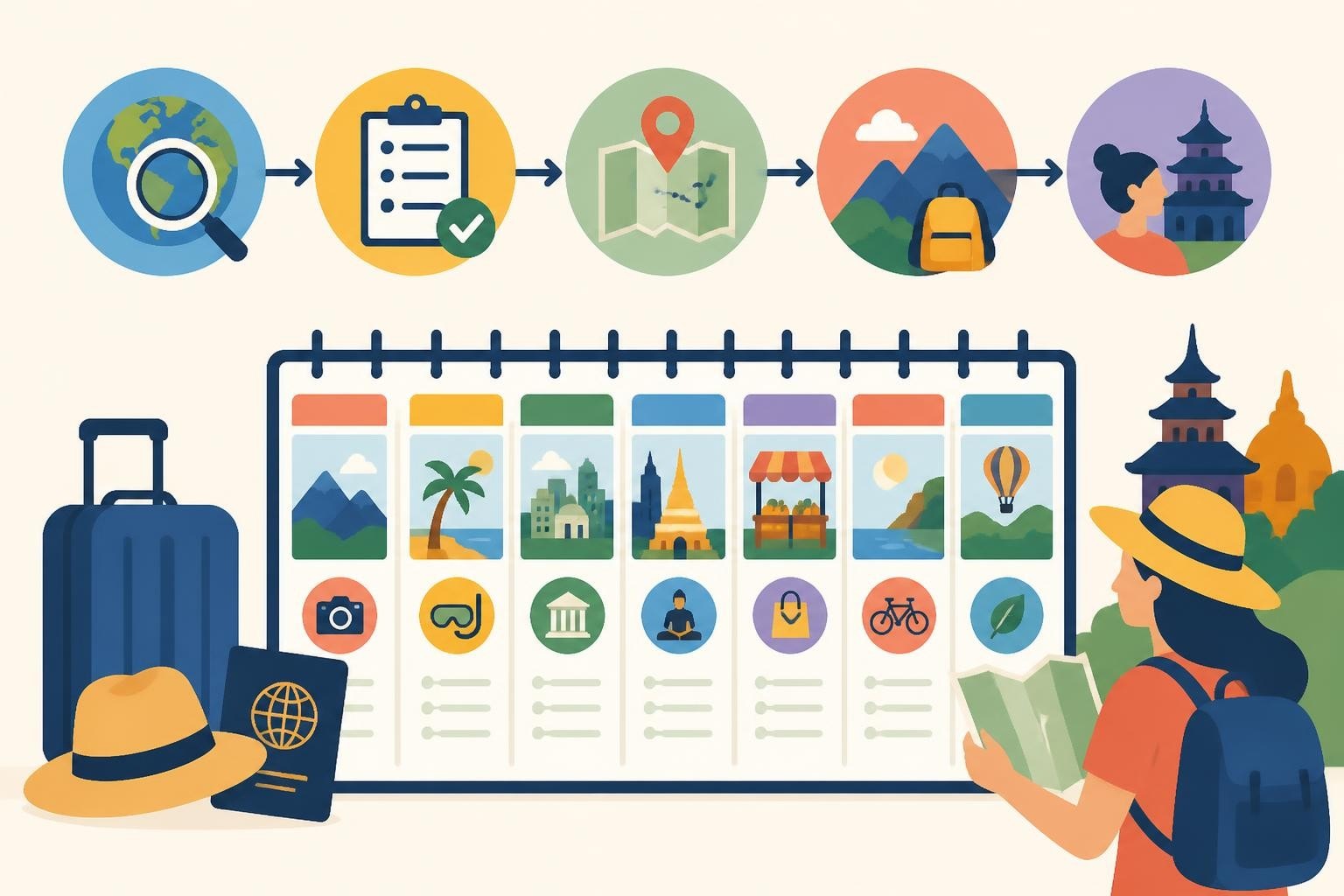
Crafting a well-structured 7 day itinerary transforms a simple vacation into an unforgettable journey. Whether you're planning an adventure through remote mountain kingdoms or exploring iconic cultural landmarks, a thoughtfully designed week-long schedule balances exploration with relaxation, allowing you to experience a destination's essence without burnout. The art of itinerary planning lies not just in listing attractions, but in understanding pacing, cultural rhythms, and the logistics that turn ambitious plans into seamless reality.
Understanding the Foundation of Effective Itinerary Design
The difference between a memorable trip and an exhausting checklist sprint often comes down to foundational planning principles. A successful 7 day itinerary requires strategic thinking about your destination's geography, cultural calendar, and seasonal considerations before you book a single hotel or flight.
Geographic Clustering and Realistic Travel Times
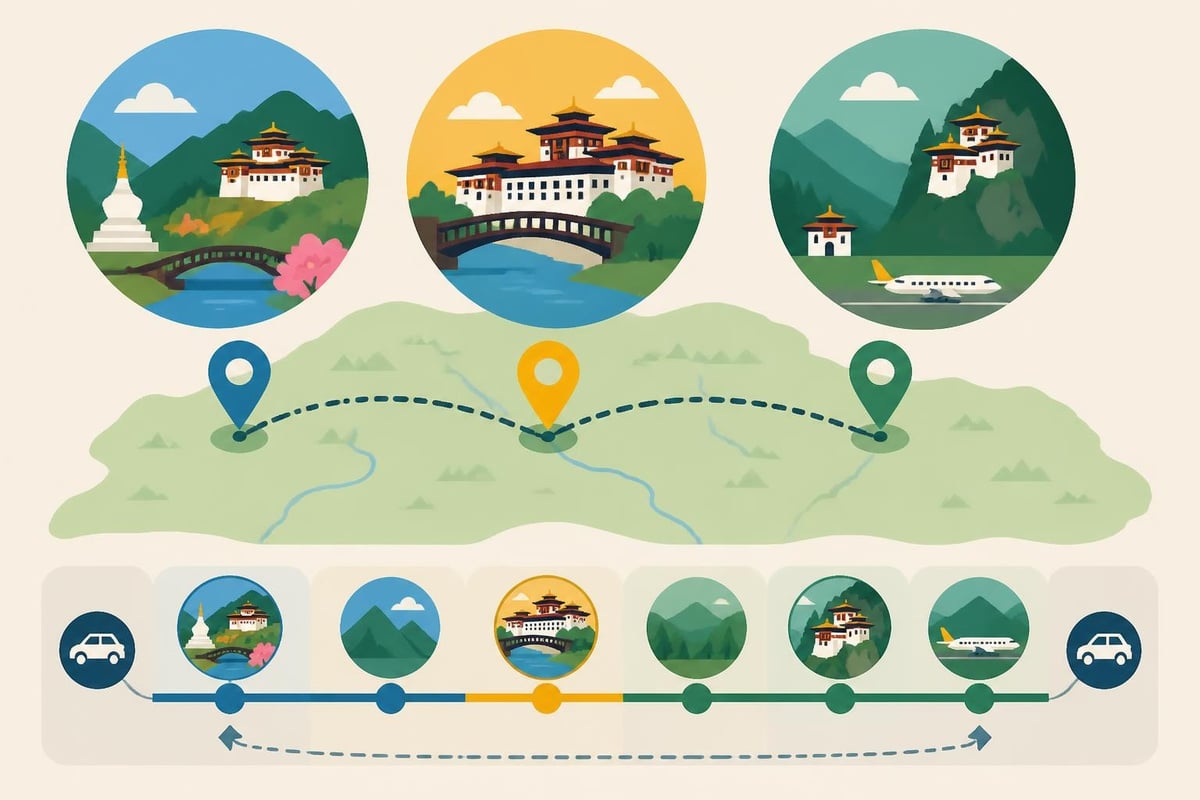
One of the most common mistakes in week-long planning involves underestimating travel time between destinations. When designing your schedule, group activities and sites by geographic proximity to minimize transit hours. Research actual driving times, flight schedules, and road conditions rather than relying on map distances alone.
Consider these geographic planning principles:
- Limit base changes to 2-3 locations maximum during a seven-day trip
- Account for elevation changes and terrain that affect travel speed
- Build in buffer time for unexpected delays or spontaneous discoveries
- Reserve the first and last days for arrivals and departures rather than ambitious sightseeing
Mountain destinations particularly require careful attention to altitude acclimatization and road conditions. Weather and safety considerations should inform your daily scheduling, especially during monsoon seasons or winter months when mountain passes may close unexpectedly.
Cultural Calendar Integration
Timing your visit to coincide with local festivals, markets, or seasonal events adds irreplaceable depth to any 7 day itinerary. Research your destination's cultural calendar months in advance, as major celebrations often require accommodation bookings well before your departure date.
| Planning Timeline | Action Items | Considerations |
|---|---|---|
| 6-12 months ahead | Research festival dates, book accommodations | Major festivals fill hotels quickly |
| 3-6 months ahead | Confirm permits, visas, health requirements | Some destinations require advance approval |
| 1-3 months ahead | Book internal flights, reserve guides | Shoulder season offers fewer crowds |
| 2-4 weeks ahead | Finalize daily activities, check weather forecasts | Build flexibility for weather changes |
The cultural festivals of Bhutan demonstrate how traditional celebrations can anchor an entire itinerary, with masked dances and religious ceremonies offering insights unavailable during ordinary travel periods.
Structuring Your Seven Days for Balance and Flow
A well-paced 7 day itinerary follows a natural rhythm that prevents exhaustion while maximizing meaningful experiences. The most successful week-long trips balance active exploration with cultural immersion and necessary recovery time.
The Three-Act Structure for Week-Long Journeys
Professional tour planners often structure seven-day trips in three distinct phases, each serving specific purposes in your overall experience:
Days 1-2: Arrival and Orientation
Use your opening days for settling in, overcoming jet lag, and getting oriented to local customs. Schedule lighter activities that introduce you to the destination without overwhelming your senses. Walking tours, market visits, and orientation meetings with local guides build foundation knowledge for deeper experiences ahead.
Days 3-5: Peak Experiences and Immersion
The middle section of your 7 day itinerary should feature your most significant activities, from challenging hikes to full-day cultural excursions. Your energy peaks during these days, and you've gained enough context to appreciate complex experiences. This is when you schedule that sunrise viewpoint hike, all-day monastery circuit, or immersive craft workshop.
Days 6-7: Reflection and Flexibility
Reserve your final days for revisiting favorite spots, purchasing meaningful souvenirs, or pursuing unexpected interests that emerged earlier in your trip. Build significant buffer time before departure flights to avoid travel stress.
Daily Pacing and Energy Management
Each day within your itinerary requires internal structure that respects human energy patterns and local rhythms. Early mornings offer cooler temperatures and fewer crowds at popular sites, while afternoons might be better suited for indoor museums or rest periods.
Consider this sample daily structure:
- Morning (6:00-11:00 AM): Primary sightseeing activities requiring good light and energy
- Midday (11:00 AM-2:00 PM): Cultural meals, travel between locations, or rest
- Afternoon (2:00-6:00 PM): Secondary activities, workshops, or market exploration
- Evening (6:00 PM onward): Dinner, cultural performances, or relaxation
This framework adapts to different destinations and personal preferences while maintaining sustainable energy throughout your week.
Logistics Planning: The Invisible Framework
The most polished 7 day itinerary appears effortless because extensive logistical planning happens behind the scenes. Transportation coordination, accommodation selection, and practical details create the infrastructure that supports memorable experiences.
Transportation Coordination Across Multiple Modes
Week-long trips often involve multiple transportation types, from international flights to local taxis, each requiring different booking timelines and confirmation processes. Create a master transportation document listing every journey with confirmation numbers, departure times, and backup contact information.
Key transportation elements to schedule:
- Airport transfers upon arrival and before departure
- Internal flights or long-distance bus journeys between regions
- Daily vehicle arrangements for sightseeing circuits
- Walking route planning for pedestrian exploration
- Backup plans for weather-dependent transportation
The Transportation Security Administration guidelines help you prepare for airport security processes and pack appropriately for different flight segments within your itinerary.
Accommodation Strategy for Maximum Efficiency
Where you sleep significantly impacts your daily schedule and overall experience. Strategic accommodation choices place you near key morning activities, reduce transit time, and provide appropriate rest environments after active days.
| Accommodation Type | Best For | Considerations |
|---|---|---|
| City center hotels | Cultural exploration, nightlife access | Higher prices, potential noise |
| Valley lodges | Nature activities, tranquility | Longer drives to services |
| Heritage properties | Cultural immersion, unique experiences | Limited modern amenities |
| Strategic locations | Multi-day regional exploration | Balance of access and atmosphere |
Health, Safety, and Preparedness Planning
A comprehensive 7 day itinerary incorporates health preparation and safety protocols that protect you without creating anxiety. Proper planning allows you to focus on experiences rather than worrying about potential problems.
Pre-Departure Health Preparation
Consult the CDC travel health resources at least six weeks before departure to understand destination-specific vaccination requirements, medication recommendations, and health advisories. Some immunizations require multiple doses over several weeks, making early planning essential.
Critical health planning elements:
- Altitude considerations for mountain destinations requiring acclimatization days
- Food safety protocols to prevent digestive issues from disrupting your schedule
- Travel insurance covering medical evacuation and trip interruption
- Medication management including prescriptions and altitude sickness prevention
- First aid supplies tailored to your planned activities
Building Flexibility for the Unexpected
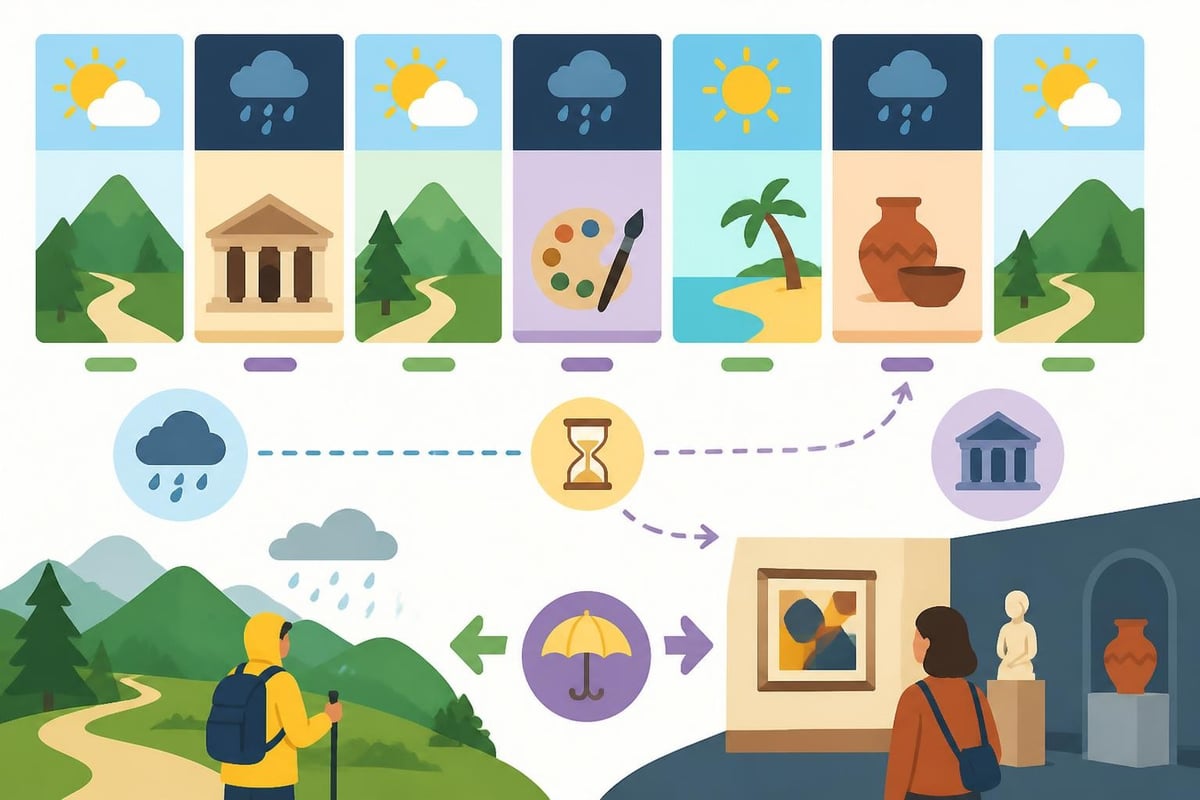
The paradox of itinerary planning is that rigid schedules often lead to frustration, while thoughtful flexibility creates better experiences. Build contingency time into your 7 day itinerary for weather delays, spontaneous opportunities, or simply needing extra rest.
Reserve at least one "flex day" or several half-day buffers that can absorb delays or pivot toward newly discovered interests. This breathing room transforms potential stress into welcomed spontaneity.
Cultural Immersion Within Limited Time
Seven days provides sufficient time for meaningful cultural engagement when you approach immersion intentionally. Moving beyond surface-level tourism requires specific strategies that create authentic interactions within your schedule.
Depth Over Breadth Approach
Rather than attempting to see every landmark, a well-designed 7 day itinerary selects fewer experiences and explores them thoroughly. Spending three hours at a single monastery engaging with monks and understanding Buddhist philosophy creates more lasting impact than rushing through five temples for photos.
Immersion activities that enhance week-long itineraries:
- Cooking classes that reveal culinary traditions and family dynamics
- Multi-hour guided walks with local historians or naturalists
- Attendance at religious ceremonies with cultural context provided
- Craft workshops teaching traditional skills from master artisans
- Homestay experiences or extended family meal invitations
The philosophy behind Gross National Happiness illustrates how deeper cultural understanding enriches travel beyond conventional sightseeing metrics, transforming a simple itinerary into a transformative journey.
Local Expert Integration
Connecting with knowledgeable local guides, subject matter experts, and community members elevates your 7 day itinerary from tourist activities to educational experiences. Professional guides with years of experience provide context, access, and insights impossible to gain from guidebooks alone.
When selecting tour operators, prioritize those offering personalized attention and expert connections. Companies that take only one group at a time ensure you receive undivided focus and authentic access to local knowledge networks.
For travelers seeking comprehensive cultural immersion in Bhutan's western valleys, the 6 nights Western Bhutan amusement exemplifies how a structured week can blend sacred monasteries, conversations with monks about happiness from a Buddhist perspective, meetings with Gross National Happiness professors, and exploration of dramatic mountain landscapes while maintaining comfortable pacing.

Sample Framework: Adapting Principles to Your Destination
While every destination requires unique considerations, successful 7 day itinerary frameworks share common structural elements. Understanding how to adapt these principles creates better trips regardless of location.
Regional Exploration Models
Different geographic regions demand distinct itinerary approaches. Island destinations might center on a single base with day trips, while linear routes like ring roads require progressive movement between overnight locations.
Detailed 7-day sample itineraries from established travel authorities demonstrate how day-by-day structure, timing decisions, and logistical coordination come together in specific destinations.
Common 7-day patterns:
- Hub-and-Spoke: One base location with daily excursions returning each evening
- Progressive Loop: Circuit route visiting different locations each night, returning to start
- Two-Region Split: Four days in one area, three in another contrasting region
- Linear Progression: Journey from point A to point B, experiencing locations along the route
Activity Distribution and Rest Integration
Distribute physically demanding activities throughout your week rather than clustering them consecutively. Alternate active days with culturally immersive but less physically taxing experiences to maintain energy and prevent injury.
| Day | Activity Intensity | Sample Activities | Recovery Elements |
|---|---|---|---|
| 1 | Low | Arrival, orientation walk, welcome dinner | Early sleep, jet lag recovery |
| 2 | Moderate | Cultural sites, museums, market exploration | Leisurely lunch, evening rest |
| 3 | High | Full-day hike or extensive temple circuit | Massage, early dinner |
| 4 | Low-Moderate | Craft workshops, shorter walks, photography | Afternoon tea, reflection time |
| 5 | High | Challenging trek or adventure activity | Hot bath, protein-rich meal |
| 6 | Moderate | Revisit favorites, shopping, cultural performance | Packing time, relaxation |
| 7 | Low | Morning reflection, departure preparations | Buffer for delays |
Specialized Itineraries for Specific Interests
Tailoring your 7 day itinerary around specific passions creates more satisfying trips than generic sightseeing circuits. Whether you're drawn to adventure activities, photography, spiritual exploration, or natural history, focused itineraries deliver deeper experiences.
Adventure and Outdoor Recreation Planning
Adventure-focused week-long itineraries require additional safety planning, equipment considerations, and physical preparation. Multi-day treks need to account for acclimatization, porter coordination, and weather contingencies.
For trekking itineraries, consider these essential elements:
- Fitness preparation beginning 2-3 months before departure
- Gear testing of boots, backpacks, and technical clothing
- Emergency protocols including evacuation insurance and communication devices
- Local guide engagement familiar with route conditions and safety procedures
Resources like the National Park Service trip planning guides provide authoritative frameworks for building park-focused 7-day itineraries with proper safety considerations.
Bhutan's diverse trekking options range from gentle valley walks to challenging high-altitude routes, each requiring different preparation levels and itinerary structures.
Photography-Centered Travel Schedules
Photography itineraries optimize for light quality, seasonal conditions, and compositional opportunities. This often means very early mornings for sunrise shots and late evenings for golden hour, with midday rest periods while harsh light dominates.
Photography itinerary considerations:
- Sunrise and sunset timing research for each location
- Moon phase planning for night sky or illuminated architecture photography
- Weather pattern understanding for your specific travel dates
- Local festival or event timing for cultural documentation
- Equipment transportation and backup gear strategies
Spiritual and Wellness Journey Design
Week-long spiritual retreats or wellness-focused itineraries balance active practices with contemplative time, creating space for internal transformation alongside external exploration. These specialized 7 day itinerary formats might include daily meditation sessions, philosophical discussions, or healing practices.
Destinations rich in spiritual traditions offer unique opportunities to explore Buddhist perspectives on happiness through monastery visits, meditation instruction, and conversations with religious scholars.
Practical Tools and Documentation Systems
Organizing your 7 day itinerary through effective documentation systems ensures smooth execution and provides valuable references during your trip. Digital and physical backup systems protect against technology failures while traveling.
Master Itinerary Document Structure
Create a comprehensive master document containing every detail of your week-long journey. This single reference should include:
- Daily schedules with specific timing, locations, and activity descriptions
- Transportation details with confirmation numbers and contact information
- Accommodation data including addresses, phone numbers, and check-in procedures
- Emergency contacts for your destination, tour operators, and embassy
- Important documents like visa copies, insurance cards, and medical information
- Expense tracking section for managing budget throughout the trip
Backup Systems and Offline Access
Technology failures happen, especially while traveling through remote regions with limited connectivity. Maintain multiple formats of your itinerary:
- Cloud storage of all documents accessible from any device
- Printed copies of essential information in waterproof folders
- Offline mobile apps with downloaded maps and saved locations
- Shared access with family members who can assist in emergencies
- Local currency and backup payment methods for technology-independent transactions
National Geographic’s trip planning resources offer practical frameworks for organizing complex itineraries and maintaining flexible documentation systems.
Sustainable and Responsible Travel Integration
Modern 7 day itinerary planning incorporates sustainability principles that minimize negative impacts while supporting local communities. Responsible travel choices enhance rather than diminish destinations for future visitors.
Environmental Consideration in Activity Selection
Choose activities and service providers committed to environmental protection. This might mean selecting smaller group sizes, avoiding attractions that exploit wildlife, or supporting eco-certified accommodations. Natural vegetation preservation efforts in protected areas demonstrate how tourism can support rather than threaten ecological integrity.
Sustainable travel practices for week-long trips:
- Minimize plastic use through reusable water bottles and shopping bags
- Support locally owned accommodations and restaurants over international chains
- Choose overland transportation when practical to reduce carbon footprint
- Respect wildlife viewing distances and habitat protection guidelines
- Purchase handicrafts directly from artisans rather than import shops
Cultural Respect and Community Benefits
Responsible itineraries build in time for understanding local customs, learning basic phrases in the regional language, and supporting community initiatives. Research appropriate dress codes, photography etiquette, and behavioral expectations before visiting sacred sites.
Direct engagement with local guides and family-run businesses ensures more of your travel spending benefits destination communities. Operators offering personalized attention create employment for local experts while providing you with superior cultural access.
Post-Trip Reflection and Future Planning
The end of your 7 day itinerary marks not just the conclusion of one journey, but the foundation for future travel planning. Systematic reflection captures lessons that improve subsequent trips.
Documentation and Memory Preservation
Beyond photographs, maintain a travel journal recording experiences, conversations, and insights that cameras cannot capture. Note which activities exceeded expectations, what you would skip in future itineraries, and recommendations for fellow travelers.
Valuable post-trip documentation:
- Daily highlights and unexpected discoveries
- Restaurant and accommodation quality assessments
- Transportation efficiency and alternative route ideas
- Cultural insights and conversations with locals
- Weather patterns and seasonal considerations
- Budget accuracy and expense surprises
Applying Lessons to Future Itinerary Design
Each completed trip teaches planning lessons applicable to future adventures. Perhaps you discovered you prefer slower pacing with fewer daily activities, or that cultural workshops provide more satisfaction than traditional sightseeing. These personal insights refine your itinerary design process.
Review what worked well in your 7 day itinerary structure and what created stress or disappointment. Did you build sufficient flexibility? Were transportation times realistic? Did you achieve meaningful cultural engagement or merely check boxes?
Working with experienced tour operators who understand individual preferences allows you to communicate these lessons and receive customized recommendations. The best personalized travel experiences emerge from dialogue between traveler insights and local expertise, creating itineraries that balance structure with spontaneity, ambition with relaxation, and novelty with cultural depth.
Designing an effective 7 day itinerary requires balancing ambition with realism, structure with flexibility, and personal interests with cultural respect. The frameworks and principles outlined here apply across destinations while allowing for the unique characteristics that make each journey distinctive. Bhutan Personal Tours and Treks specializes in crafting personalized week-long experiences that showcase Bhutan's sacred monasteries, dramatic landscapes, and rich cultural traditions while ensuring comfort and authentic engagement. With individualized attention focused on one group at a time, your customized itinerary connects you with local experts, from monks discussing Buddhist happiness to professors explaining Gross National Happiness, creating journeys that transcend conventional tourism.