
Choosing the right travel partner transforms a trip from ordinary to extraordinary. When you explore tour company options for your next adventure, you're not simply booking transportation and hotels. You're selecting a partner who will shape your entire experience, from the guides who share local stories to the itineraries that reveal hidden cultural treasures. The decision requires careful consideration of multiple factors, including expertise, personalization capabilities, safety standards, and the ability to deliver authentic connections with destinations. Understanding what distinguishes exceptional operators from average ones empowers travelers to make informed choices that align with their values and travel goals.
Understanding Modern Tour Operator Models
The tour industry has evolved significantly over the past two decades. Traditional group tours with rigid schedules and large buses have given way to more diverse operating models. Today's landscape includes mega-operators handling thousands of travelers annually, boutique companies focusing on niche experiences, and specialized operators offering deep regional expertise.
When you explore tour company alternatives, you'll encounter several distinct business models:
- High-volume operators that leverage economies of scale for competitive pricing
- Specialist operators focusing on specific regions, activities, or travel styles
- Luxury tour companies emphasizing premium accommodations and exclusive access
- Adventure tour providers concentrating on active and outdoor experiences
- Cultural immersion specialists prioritizing authentic local engagement
Each model serves different traveler needs. According to the Adventure Travel Trade Association’s industry research, specialized operators focusing on authentic experiences have seen sustained growth, reflecting traveler preferences for meaningful connections over checkbox tourism.
The Personalization Advantage
One crucial differentiator when you explore tour company offerings is the level of personalization available. Mass-market operators typically offer fixed departures with predetermined itineraries. While these trips provide structure and predictability, they rarely accommodate individual preferences or interests.

Smaller specialized operators often excel at customization. They can adjust pace, incorporate specific interests, and modify schedules based on weather, local events, or traveler energy levels. This flexibility proves particularly valuable in destinations with rich cultural calendars or variable conditions.
Key personalization elements to evaluate:
- Pre-trip consultation depth and detail
- Flexibility to modify standard itineraries
- Accommodation options across price ranges
- Activity substitution possibilities
- Dietary requirement handling
- Solo traveler and private group options
The ability to tailor experiences directly correlates with group size and operator specialization. Companies taking one group at a time can dedicate full attention to individual needs, ensuring nothing falls through organizational cracks.
Evaluating Operator Expertise and Experience
Expertise separates competent operators from exceptional ones. When you explore tour company credentials, look beyond marketing claims to substantive indicators of knowledge and experience. The operator's history, guide qualifications, and depth of destination knowledge all contribute to trip quality.
Measuring Destination Knowledge
Genuine destination expertise manifests in multiple ways. Operators with deep regional knowledge create itineraries that flow naturally, timing visits to avoid crowds and capturing optimal lighting for photography. They understand seasonal variations, festival calendars, and local customs that affect travel logistics.
For specialized destinations like Bhutan, where cultural understanding and local connections prove essential, operator experience becomes even more critical. Years of guiding experience translate into relationships with local experts, access to authentic experiences, and problem-solving capabilities when unexpected situations arise.
| Experience Indicator | What to Look For | Why It Matters |
|---|---|---|
| Years in Operation | Continuous operation for 5+ years | Demonstrates sustainability and reliability |
| Guide Background | Professional certification and ongoing training | Ensures knowledge quality and safety standards |
| Local Partnerships | Established relationships with communities | Enables authentic access and cultural respect |
| Language Capabilities | Native or fluent language skills | Facilitates deeper conversations and insights |
Safety Standards and Operational Excellence
Professional operators maintain comprehensive safety protocols covering transportation, activities, health emergencies, and environmental conditions. When you explore tour company safety records, investigate their approach to risk management, insurance coverage, and emergency response procedures.
Reputable operators should clearly communicate:
- Insurance requirements for travelers and coverage they provide
- Emergency contact protocols including 24/7 availability
- Health and fitness prerequisites for specific activities
- Equipment standards for adventure activities
- Transportation safety including vehicle maintenance and driver qualifications
The World Travel & Tourism Council’s recovery analysis highlights how safety and health protocols have become primary decision factors for travelers in 2026, making transparent communication essential.
The Value of Single-Group Focus
Operational structure significantly impacts service quality. When you explore tour company organizational models, consider how they allocate resources and attention. Operators handling multiple simultaneous departures face divided attention, potentially compromising service quality and responsiveness.

Single-group operators dedicate their full organizational capacity to one party at a time. This model offers distinct advantages:
- Complete focus from the operator and guides
- Flexibility to adjust plans based on group dynamics
- Simplified logistics without juggling multiple departures
- Deeper relationship building between travelers and guides
- Higher accountability for service quality
This approach aligns with evolving consumer expectations for personalized service and authentic experiences. Travelers increasingly value quality over quantity, preferring focused attention to rushed, factory-style tourism.
Building Authentic Cultural Connections
Meaningful cultural engagement requires time, relationships, and intentionality. When you explore tour company cultural programming, assess whether itineraries create genuine interaction opportunities or simply stage tourist-oriented performances.
Authentic cultural experiences include:
- Conversations with local experts on specialized topics
- Home visits and meals with local families
- Participation in daily activities rather than observation
- Festival attendance timed to actual community celebrations
- Craft demonstrations by practicing artisans
For destinations emphasizing unique cultural frameworks like Gross National Happiness, access to knowledgeable locals who can explain concepts beyond tourist-level interpretation becomes invaluable. These conversations transform intellectual curiosity into genuine understanding.
Itinerary Design Philosophy
How operators structure itineraries reveals their priorities and expertise. When you explore tour company sample itineraries, analyze pacing, variety, and the balance between structured activities and free time. Well-designed itineraries build logically, managing energy levels while maintaining engagement.
Pacing and Energy Management
Professional itinerary design accounts for traveler energy patterns. Front-loading intensive activities without recovery time leads to exhaustion and diminished enjoyment. Thoughtful operators alternate active days with lighter programming, incorporate rest periods, and allow schedule flexibility.
Effective pacing strategies:
- Morning activities during peak energy periods
- Afternoon rest options during heat or post-lunch lulls
- Gradual altitude acclimatization for mountain destinations
- Recovery time after long travel days
- Buffer periods for weather or schedule disruptions
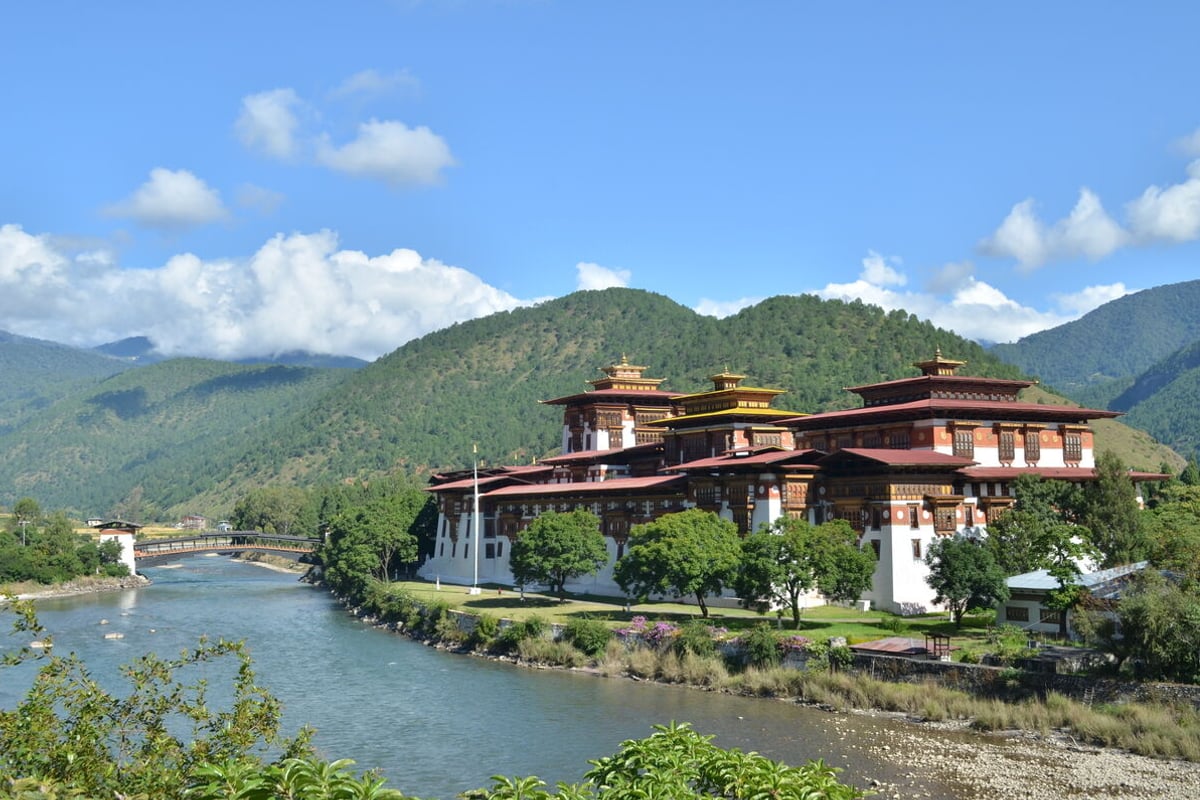
The six-night Western Bhutan journey exemplifies thoughtful pacing through diverse landscapes from Thimphu's vibrant capital to Phobjikha's serene valley and Paro's cultural richness, allowing travelers to absorb each region's distinct character without exhausting rush.
Balancing Structure and Spontaneity
Rigid schedules eliminate opportunities for spontaneous discoveries. When you explore tour company flexibility policies, determine how they handle unexpected opportunities like impromptu festivals, local celebrations, or favorable weather for optional activities.
| Itinerary Element | Structured Approach | Flexible Approach |
|---|---|---|
| Daily Schedule | Fixed times for all activities | Core activities with flexible timing |
| Meal Planning | Pre-selected restaurants only | Mix of planned meals and exploration time |
| Activity Selection | Non-negotiable program | Optional alternatives available |
| Free Time | Minimal unscheduled periods | Intentional exploration windows |
The best operators provide structure that ensures key experiences while permitting adaptation. This balance requires deep destination knowledge and confident leadership from guides who can evaluate opportunities and make sound decisions.
Technology and Communication Standards
Modern travelers expect sophisticated communication throughout the booking and travel process. When you explore tour company technology capabilities, assess their booking systems, pre-trip communication, and in-destination connectivity support.
Pre-Trip Communication Quality
Professional operators establish clear communication channels from initial inquiry through trip completion. Responsive pre-trip communication indicates organizational efficiency and customer service priorities. Look for:
- Prompt initial responses (within 24-48 hours)
- Detailed answers to specific questions
- Proactive information sharing about preparation
- Clear payment terms and cancellation policies
- Regular updates as departure approaches
In-Destination Support Systems
Communication capabilities during travel directly impact problem resolution and traveler peace of mind. Operators should provide emergency contact information, clarify check-in protocols, and explain connectivity expectations for destinations with limited infrastructure.
Advanced operators leverage technology for enhancing experiences without overwhelming the travel experience. According to IATA’s distribution standards, modern distribution capabilities enable richer content and more detailed service descriptions, helping travelers make informed decisions before booking.
Environmental and Social Responsibility
Sustainable tourism practices increasingly influence operator selection. When you explore tour company environmental policies, investigate their approach to minimizing negative impacts while supporting local communities. Responsible operators articulate clear commitments and demonstrate measurable actions.
Community Impact and Benefits
Ethical operators ensure tourism revenue reaches local communities. This includes hiring local guides, using locally-owned accommodations and restaurants, sourcing supplies from local producers, and supporting community development initiatives.
Positive community impact indicators:
- Employment of local guides and staff
- Partnerships with locally-owned businesses
- Support for cultural preservation projects
- Fair compensation above local minimums
- Educational opportunities for staff development
For small-group operations, choosing tour companies with strong local ties ensures more tourism revenue benefits destination communities rather than distant corporate headquarters.
Environmental Stewardship
Responsible environmental practices extend beyond avoiding obvious damage. Professional operators actively minimize ecological footprints through waste reduction, energy conservation, and support for conservation initiatives.
Environmental responsibility includes:
- Waste management protocols for remote areas
- Preference for eco-certified accommodations
- Carbon offset programs for transportation
- Wildlife observation guidelines respecting animal welfare
- Education about environmental challenges and solutions
Pricing Transparency and Value Assessment
Understanding tour pricing requires looking beyond headline costs. When you explore tour company pricing structures, identify exactly what's included, what requires additional payment, and how value compares across operators.
Inclusions and Exclusions
Transparent operators clearly itemize inclusions and exclusions. Hidden costs erode trust and create budget surprises. Comprehensive pricing disclosure should cover:
| Cost Category | Typical Inclusions | Common Exclusions |
|---|---|---|
| Accommodation | All nights per itinerary | Hotel extras (minibar, laundry) |
| Meals | Specified meals (e.g., all breakfasts, some dinners) | Alcoholic beverages, unscheduled meals |
| Transportation | All itinerary transportation | Airport transfers if arriving early/late |
| Activities | Listed experiences and entry fees | Optional activities, tips for service providers |
| Guides | Professional guide services throughout | Personal expenses, medical costs |
Value Beyond Price
The lowest price rarely delivers the best value. When you explore tour company offerings comparatively, consider what differentiates higher-priced options. Superior guides, smaller groups, better accommodations, exclusive access, and comprehensive inclusions justify premium pricing.
Value assessment questions:
- What's the maximum group size?
- What are guide qualifications and experience levels?
- Which accommodation categories are used?
- Are entrance fees and activities included?
- What flexibility exists for dietary needs or activity preferences?
Reviews and Reputation Research
Third-party validation provides objective insights into operator performance. When you explore tour company reputations, consult multiple review sources and look for patterns rather than isolated comments.
Evaluating Online Reviews
Sophisticated review analysis distinguishes legitimate feedback from anomalies. Look for:
- Consistency across platforms (TripAdvisor, Google, specialized travel forums)
- Recent reviews reflecting current operations
- Detailed feedback providing specific examples
- Operator responses demonstrating engagement and problem-solving
- Photos from actual travelers showing real experiences
Single negative reviews matter less than patterns. Repeated mentions of specific issues (poor communication, inexperienced guides, hidden costs) warrant serious consideration.
Industry Recognition and Affiliations
Professional affiliations indicate commitment to industry standards. Memberships in organizations like the Adventure Travel Trade Association, local tourism boards, or specialized associations demonstrate ongoing professional development and ethical commitments.
Certifications and awards worth noting:
- Sustainable tourism certifications
- Safety and guide training accreditations
- Industry excellence awards
- Destination-specific quality designations
- Professional association memberships

Making Your Final Selection
Synthesizing research into a decision requires balancing multiple factors. When you explore tour company finalists, create a comparison framework evaluating your highest priorities. Different travelers weight factors differently based on their values, experience levels, and trip objectives.
Decision Framework
Structure your decision process around key criteria:
Essential Requirements (must-haves)
- Destination expertise and experience
- Safety standards and insurance
- Pricing within your budget
- Dates matching your availability
Important Preferences (strong preferences)
- Group size limits
- Personalization capabilities
- Cultural immersion depth
- Environmental responsibility
Nice-to-Have Features (differentiators)
- Photography support
- Special interest connections
- Specific accommodation preferences
- Extended pre/post trip services
Rank operators against these criteria, noting where each excels and where compromises exist. The right choice aligns with your priorities while delivering confidence in safety, quality, and value.
Questions to Ask Before Booking
Direct conversation with operators reveals information websites can't convey. Prepare specific questions addressing your concerns and priorities. Professional operators welcome detailed inquiries and provide thorough, honest answers.
Final clarification questions:
- How do you handle medical emergencies in remote areas?
- What happens if weather prevents planned activities?
- Can you provide references from recent travelers?
- What's your cancellation and refund policy?
- How do you ensure cultural sensitivity and respect?
- What distinguishes your approach from competitors?
Responses reveal organizational competence, guide expertise, and cultural alignment between your expectations and their delivery capabilities.
Selecting the right tour operator fundamentally shapes your travel experience, determining whether you simply visit a destination or truly understand it. The research process to explore tour company options requires time and careful evaluation, but the investment pays dividends through authentic experiences, safety, and meaningful connections. Bhutan Personal Tours and Treks brings over two decades of guiding experience to create personalized journeys throughout Bhutan, taking one group at a time to ensure complete attention and excellent organization while connecting travelers with local experts who share deep insights into Bhutanese culture and philosophy.