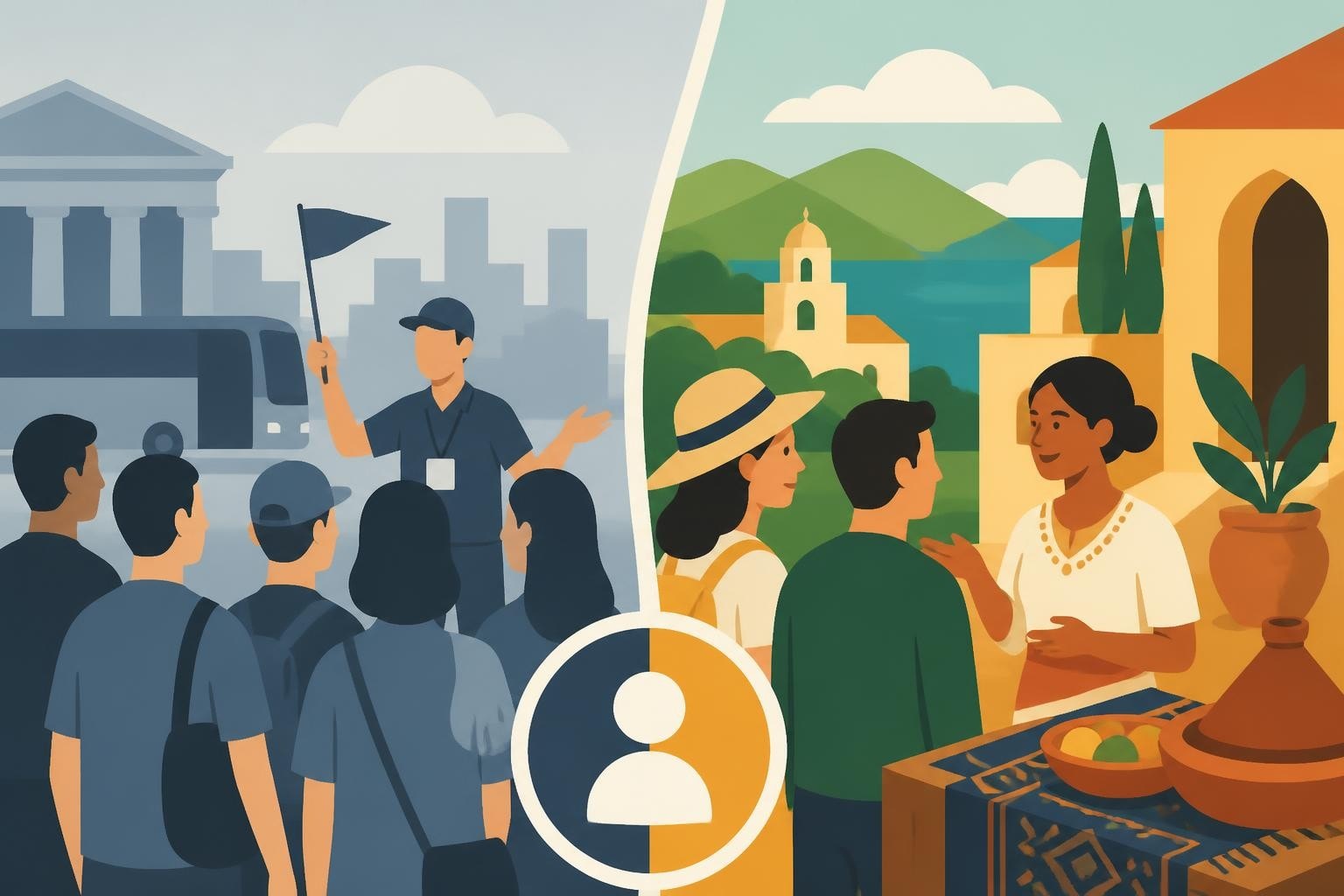
The travel industry has witnessed a significant shift over the past decade, with discerning travelers increasingly seeking experiences that go beyond standard itineraries and crowded group tours. Private tour companies have emerged as the preferred solution for those who value personalized attention, authentic cultural engagement, and the flexibility to explore destinations at their own pace. These specialized operators craft unique journeys that reflect individual interests, dietary preferences, physical abilities, and personal curiosities, transforming travel from a commodity into a deeply personal adventure.
The Evolution of Personalized Travel Experiences
The demand for private touring has grown substantially, driven by travelers who recognize that memorable journeys require more than checking off landmark attractions. According to Skift’s analysis of luxury travel trends, privacy and bespoke experiences now rank among the top priorities for discerning travelers in 2026. This shift reflects a broader understanding that authentic cultural engagement requires intimate settings, expert guidance, and the freedom to pursue spontaneous discoveries.
Private tour companies distinguish themselves through several key characteristics:
- Dedicated guides who serve one group at a time rather than juggling multiple parties
- Customized itineraries built around specific interests, from culinary traditions to spiritual practices
- Flexible scheduling that allows for longer stays at compelling locations
- Exclusive access to experiences unavailable to larger tour groups
- Personal attention to dietary needs, mobility considerations, and comfort preferences
The model contrasts sharply with traditional group tours, where fixed schedules, large numbers, and standardized experiences limit meaningful engagement with local cultures and environments.
Understanding Client Needs and Preferences
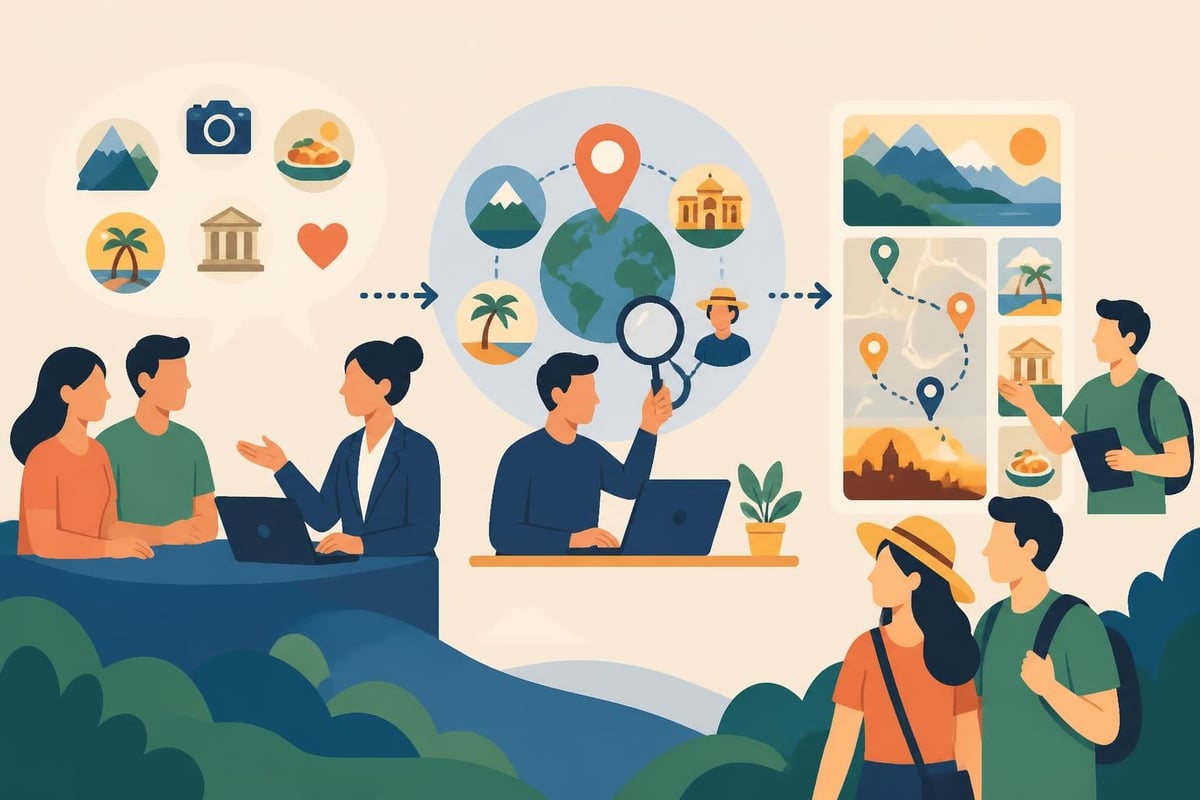
Successful private tour companies begin every engagement with comprehensive discovery conversations. These consultations explore not only destination preferences but also travel philosophy, past experiences, physical capabilities, and the deeper motivations driving the journey. A family seeking multi-generational bonding requires entirely different planning than solo travelers pursuing spiritual growth or couples celebrating milestone anniversaries.
The best operators ask probing questions about pace preferences, tolerance for adventure versus comfort, interest in local cuisine, desire for cultural immersion versus observation, and preferred learning styles. This information shapes every element of the journey, from accommodation selections to activity sequencing and guide expertise matching.
Key Advantages of Choosing Private Tour Companies
Flexibility and Spontaneity
Private touring eliminates the rigid constraints of group schedules. When a festival appears unexpectedly in a village, or weather conditions favor a particular hike, or a local artisan invites you to observe their craft, private tour companies can pivot immediately. This responsiveness creates opportunities for serendipitous experiences that often become the most treasured memories.
Unlike package tours where every minute is predetermined, private arrangements allow travelers to linger at sites that resonate personally while bypassing attractions that don't align with their interests. Morning preferences, meal timing, rest breaks, and daily pacing all adapt to individual rhythms rather than group averages.
Depth of Cultural Engagement
Group tourism inherently creates a bubble between travelers and local communities. Private tour companies break through this barrier by facilitating genuine interactions. Smaller footprints allow access to family homes, artisan workshops, monastic communities, and rural villages where large groups would overwhelm local hospitality.
For destinations like Bhutan, where Gross National Happiness philosophy emphasizes cultural preservation and authentic engagement, the private touring model aligns perfectly with national values. Visitors can engage in meaningful conversations with monks about Buddhist perspectives on happiness, discuss sustainability with conservation experts, or learn traditional crafts from master artisans without the pressure and superficiality that group settings create.
Expert Knowledge and Local Insights
| Benefit Category | Private Tour Advantage | Group Tour Limitation |
|---|---|---|
| Guide Expertise | Specialist knowledge matched to interests | Generalist coverage for diverse group |
| Question Access | Unlimited inquiry and discussion | Limited time per person |
| Local Connections | Personal introductions to experts | Institutional relationships only |
| Customization | Daily adjustments based on discoveries | Fixed program regardless of interest |
The quality of guiding differs fundamentally when an expert dedicates full attention to one party. Guides can gauge comprehension, adjust explanations to knowledge levels, pursue tangential interests, and share nuanced insights that time constraints prohibit in group settings.
Essential Criteria for Selecting Private Tour Companies
Operator Credentials and Experience
Vetting private tour companies requires examining multiple indicators of professionalism and expertise. Years of operation provide one measure, but equally important is the depth of destination knowledge, relationships with local communities, and track record of successful customization.
Critical evaluation points include:
- Licensing and regulatory compliance – Verify appropriate permits and adherence to industry standards
- Safety protocols – Review emergency procedures, insurance coverage, and risk management systems
- Guide qualifications – Assess training, language capabilities, and specialized expertise
- Client references – Examine detailed testimonials and third-party reviews
- Transparent pricing – Understand what's included, optional add-ons, and cancellation policies
The World Travel & Tourism Council provides valuable guidance on responsible travel practices and safety standards that reputable operators should follow. In Europe, tour organizers must comply with package travel regulations that protect consumer rights and establish clear liability frameworks.
Commitment to Sustainable and Responsible Tourism
Private tour companies operating in sensitive cultural and environmental contexts bear special responsibility for minimizing negative impacts. Quality operators demonstrate this commitment through specific practices:
- Limited group sizes that reduce environmental footprint and cultural disruption
- Support for local economies through employment, purchasing, and equitable partnerships
- Cultural sensitivity training for both guides and travelers
- Conservation contributions that support preservation of natural and cultural heritage
- Waste management protocols appropriate to destination infrastructure
For regions like Western Bhutan, where delicate ecosystems and traditional communities coexist, responsible touring practices protect the very authenticity that attracts thoughtful travelers.
Planning and Customization Process
Initial Consultation and Itinerary Development
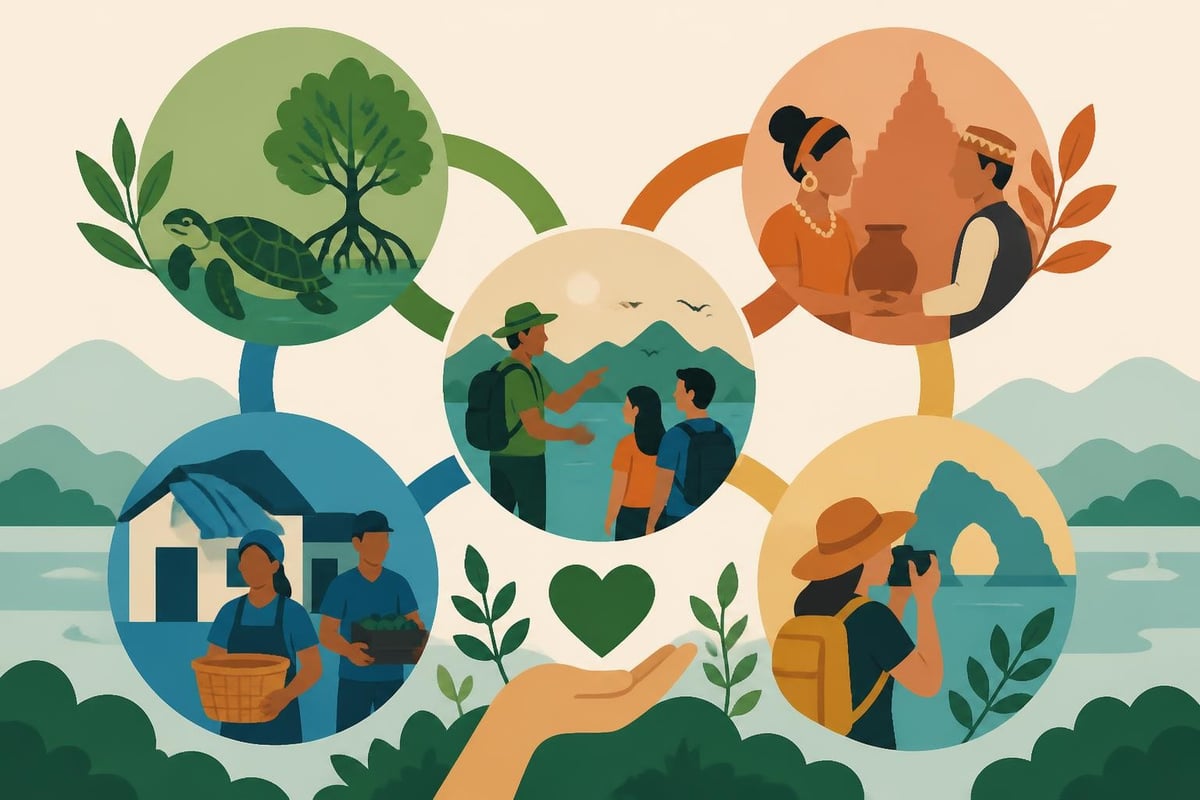
Professional private tour companies invest substantial time in pre-trip planning. The process typically begins three to six months before departure, allowing adequate time for research, customization, and securing specialized access or permits.
During initial consultations, operators should explore:
- Previous travel experiences and what worked or didn't
- Physical fitness levels and any mobility considerations
- Dietary restrictions, allergies, or strong preferences
- Photography interests or other specialized hobbies
- Desired balance between activity and relaxation
- Interest in particular cultural aspects (cuisine, religion, arts, nature)
- Budget parameters and value priorities
This information feeds into draft itinerary development, which quality operators present as a starting point for collaborative refinement rather than a final product. The best companies anticipate questions, provide context for recommendations, and explain trade-offs when timing or logistics require choices between competing interests.
Building in Flexibility and Contingency
Experienced private tour companies design itineraries with strategic flexibility. While maintaining a coherent narrative arc and ensuring logistical feasibility, they build buffers for weather-dependent activities, rest days for acclimatization, and open spaces where spontaneous opportunities can emerge.
Effective itineraries balance:
- Core experiences that define the journey's purpose
- Optional activities based on interest and energy levels
- Unscheduled time for independent exploration
- Weather alternatives for outdoor-dependent plans
- Contingencies for illness, fatigue, or changed circumstances
This approach requires confidence in the operator's destination knowledge and problem-solving capabilities. Rather than rigid hour-by-hour schedules, sophisticated itineraries establish rhythms and frameworks that accommodate human variability and environmental unpredictability.
Digital Discovery and Booking Trends
Travel planning behavior has evolved dramatically, with Google’s travel insights research revealing that travelers now conduct extensive digital research before engaging tour operators. Potential clients explore dozens of sources, compare approaches, and seek detailed information about experiences before making contact.
Private tour companies must therefore maintain strong digital presences that communicate their unique value propositions, showcase expertise through detailed content, and provide transparent information about processes and pricing. Travelers expect to find comprehensive destination insights, sample itineraries, guide profiles, and clear booking procedures online.
The research phase often extends over weeks or months, with travelers returning multiple times to websites, reading detailed content about specific destinations, and evaluating how operators describe their approach to personalization and cultural engagement.
Specialized Private Tour Categories
Cultural Immersion and Educational Tours
Some private tour companies specialize in deep cultural engagement, designing experiences around specific themes like Buddhist philosophy, traditional arts, indigenous knowledge systems, or culinary traditions. These journeys prioritize learning and understanding over sightseeing, arranging extended interactions with scholars, practitioners, and community members.
For travelers seeking profound cultural understanding, particularly in destinations with rich spiritual traditions, specialized cultural tours offer access to monasteries, meditation retreats, conversations with teachers, and participation in daily practices. Bhutan Personal Tours and Treks exemplifies this approach by arranging meetings with monks to discuss happiness from Buddhist perspectives and connecting travelers with professors specializing in Gross National Happiness philosophy, creating opportunities for engagement that transcend superficial cultural tourism.
Adventure and Active Travel
Private tour companies serving active travelers design itineraries around trekking, cycling, climbing, or wildlife observation. The private format allows matching difficulty levels precisely to capabilities, adjusting daily distances based on fitness and acclimatization, and providing expert guides with technical skills appropriate to activities.
Adventure-focused operators emphasize safety systems, equipment quality, and guide certifications specific to activities. Whether organizing multi-day treks through Himalayan valleys or arranging mountain biking expeditions, these companies combine logistical expertise with technical knowledge and emergency preparedness.
| Activity Type | Private Tour Benefits | Planning Considerations |
|---|---|---|
| Trekking | Pace matching, route flexibility, porter ratios | Fitness assessment, acclimatization time |
| Cultural Tours | Expert access, extended conversations, spontaneous invitations | Language support, cultural briefings |
| Photography | Timing optimization, location patience, guide composition knowledge | Equipment support, early/late access |
| Wildlife Observation | Small groups, expert naturalists, patient waiting | Seasonal timing, habitat sensitivity |
The Economics of Private Touring
Understanding Cost Structures
Private tour companies operate on fundamentally different economics than group tours. Per-person costs appear higher because fixed expenses like guide salaries, vehicle rentals, and permits distribute across fewer participants. However, value assessment requires comparing what's actually included and the quality of experience delivered.
Transparent operators clearly itemize costs and explain pricing logic. Typical elements include:
- Professional guide fees and expertise
- Private transportation appropriate to group size
- Accommodation quality and location
- Meals, particularly those featuring local specialties
- Entry fees and activity costs
- Permits and regulatory fees
- Support staff (drivers, porters, assistants)
- Emergency contingency and insurance
Quality private tour companies typically recommend group sizes of two to six travelers for optimal experience and cost-sharing. Single travelers pay premiums, while small groups achieve reasonable per-person rates without sacrificing the intimacy that defines private touring.
Value Beyond Price Comparison
Evaluating private tour companies solely on price comparisons misses critical value dimensions. The elimination of wasted time in large group management, the depth of cultural access, the flexibility to optimize each day, and the personalized attention collectively create experiences impossible at any price point in group settings.
Furthermore, responsible operators ensure that tourism revenue flows appropriately to local communities through fair wages, local purchasing, and equitable partnerships. Understanding Bhutan’s tourism policy illustrates how thoughtful regulation can ensure tourism benefits preservation and community welfare rather than extracting value.
Building Long-Term Relationships
The finest private tour companies view client relationships as ongoing rather than transactional. First journeys often lead to subsequent trips exploring different regions or dimensions of a destination. Operators who invest in understanding client preferences, maintain communication between trips, and suggest relevant new opportunities create lasting partnerships.
This relationship orientation manifests in several practices:
- Post-trip follow-up to gather feedback and maintain connection
- Personalized updates about destinations, seasonal highlights, or new access opportunities
- Alumni benefits like priority scheduling or special rates
- Referral programs that reward client recommendations
- Continuous learning from client feedback to improve services
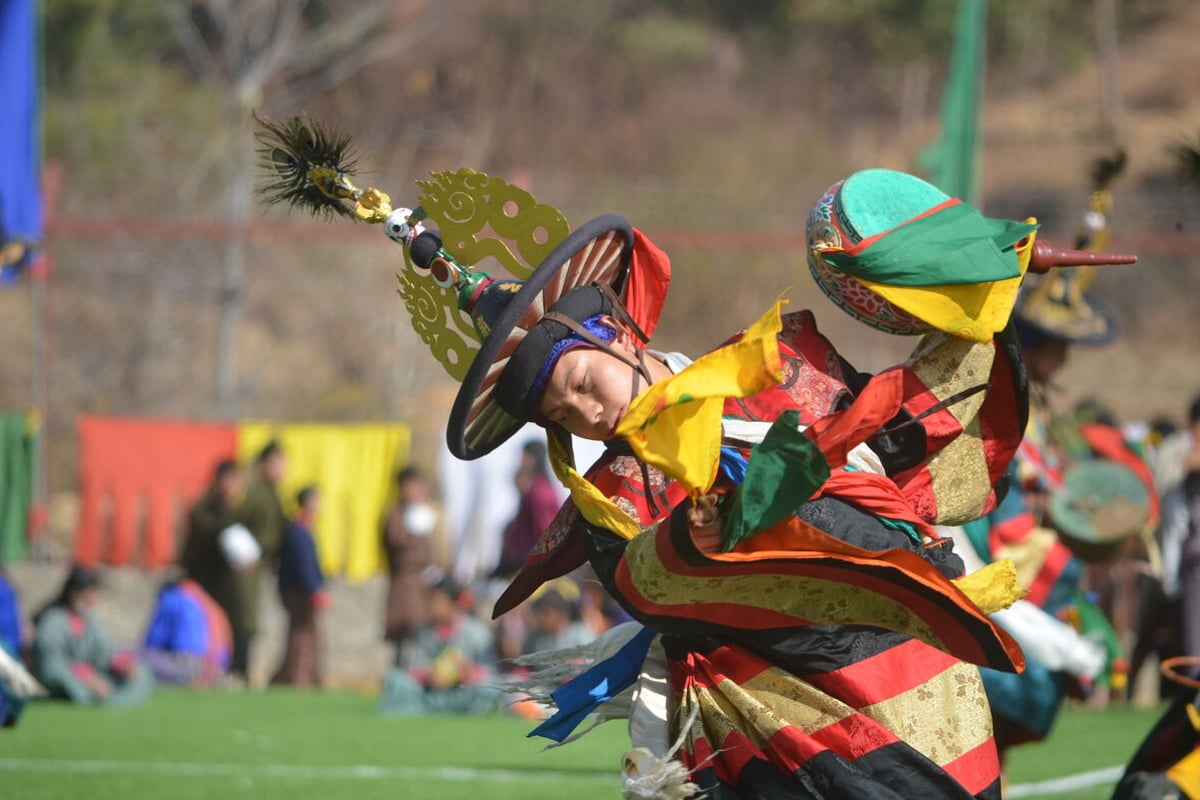
For destinations that reward repeated visits, like Bhutan’s diverse regions from Paro to Eastern valleys, this relationship model allows progressive deepening of understanding. First visits might focus on core cultural sites, while subsequent journeys explore specialized interests, remote regions, or seasonal events like traditional festivals.
Technology and Modern Private Tour Operations
Contemporary private tour companies leverage technology to enhance service quality while maintaining the personal touch that defines their value. Digital tools support planning collaboration, real-time communication during trips, and post-journey sharing, but the most sophisticated operators ensure technology serves human connection rather than replacing it.
Effective technology applications include:
- Interactive itinerary planning platforms for client input
- Mobile communication for schedule adjustments and updates
- Photo and memory sharing systems
- Emergency support and tracking capabilities
- Post-trip feedback collection and relationship management
However, the essence of private touring remains fundamentally human. Technology facilitates but never replaces the expert guide who reads subtle cues, adjusts explanations to comprehension levels, facilitates genuine cultural exchange, and creates the safe container within which transformative experiences unfold.
Preparing for Your Private Tour Experience
Pre-Departure Preparation
Quality private tour companies provide comprehensive pre-departure support, helping travelers prepare physically, mentally, and practically for their journeys. This preparation phase covers equipment recommendations, fitness suggestions, cultural briefings, reading lists, and logistical details.
Essential preparation elements include:
- Physical conditioning appropriate to planned activities
- Vaccinations and health precautions specific to destinations
- Cultural orientation including customs, etiquette, and basic phrases
- Packing guidance tailored to season, activities, and accommodation styles
- Documentation requirements (visas, permits, insurance)
The preparation phase also establishes communication protocols, clarifies expectations, and builds rapport before departure. Experienced operators use this time to ensure travelers arrive ready to engage fully from day one rather than spending precious travel time adjusting to unexpected conditions or cultural norms.
Setting Intentions and Expectations
Thoughtful travelers approach private tours with clear intentions about what they hope to gain. Whether seeking adventure, cultural understanding, spiritual growth, family bonding, or artistic inspiration, articulating these intentions helps operators fine-tune experiences and helps travelers stay open to unexpected gifts the journey offers.
Simultaneously, realistic expectations about pace, comfort levels, cultural differences, and inherent uncertainties create the psychological flexibility that allows travelers to embrace rather than resist the inevitable surprises that make journeys memorable. The best private tour companies help shape appropriate expectations through honest communication about destinations, logistics, and the realities of cross-cultural travel.
Selecting the right private tour company transforms travel from sightseeing into genuine discovery, from tourist observation into authentic cultural exchange. By prioritizing expertise, personalization, and responsible practices, travelers create journeys that resonate long after returning home. Bhutan Personal Tours and Treks offers exactly this level of personalized attention, with operator Tsering Penjor's two decades of guiding experience ensuring each journey reflects individual interests while honoring Bhutan's cultural authenticity. Taking only one group at a time guarantees the focused attention and flexibility that defines meaningful private touring, whether exploring ancient monasteries, trekking Himalayan trails, or engaging in conversations about happiness philosophy with local experts.