Planning a bhutan trip requires careful consideration of unique entry requirements, cultural protocols, and seasonal variations that distinguish this Himalayan kingdom from other destinations. As one of the world's most distinctive travel experiences, Bhutan offers visitors an opportunity to explore ancient monasteries, pristine landscapes, and a culture deeply rooted in Buddhist traditions. The country's approach to tourism prioritizes sustainability and cultural preservation, making every journey both meaningful and memorable. Understanding the logistics, best practices, and cultural nuances before departure ensures travelers maximize their time in this enchanting destination.
Understanding Bhutan's Unique Tourism Framework
Bhutan operates under a distinctive tourism model designed to protect its cultural heritage and natural environment while welcoming international visitors. The Sustainable Development Fee, introduced in 2022, replaced the previous minimum daily package system and provides travelers with greater flexibility in planning their stay. This fee supports the country's commitment to high-value, low-impact tourism and funds infrastructure, education, and environmental conservation projects throughout the kingdom.
The official Bhutan tourism site provides comprehensive guidance on visa requirements and permit procedures. Most international visitors must obtain a visa before arrival, with applications processed through licensed tour operators. However, citizens of India, Bangladesh, and the Maldives enjoy visa-exempt status, though they still need entry permits. The application process typically takes several business days, so planning ahead is essential.

Navigating Entry Requirements and Documentation
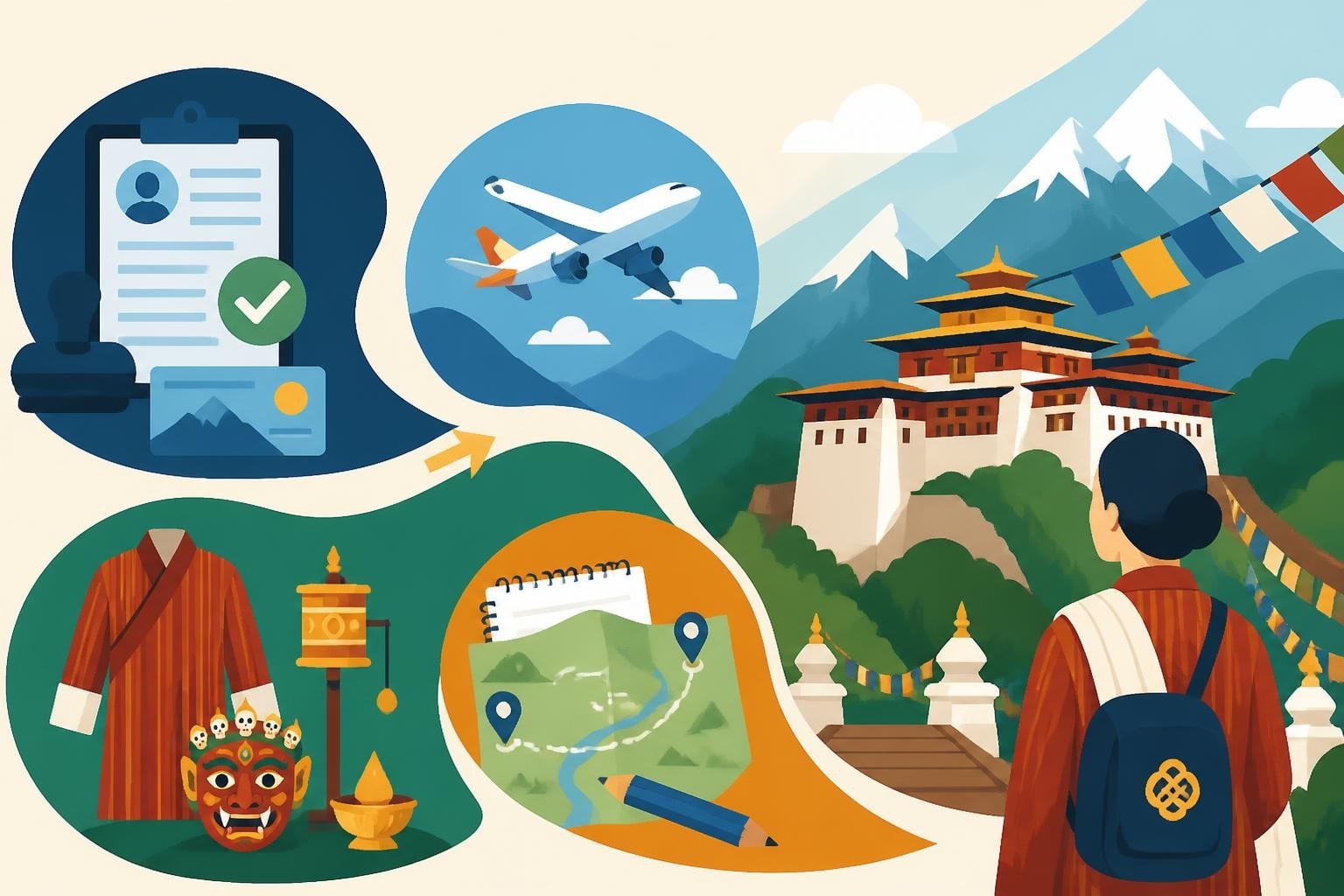
Before embarking on your bhutan trip, gather all necessary documentation well in advance. A passport valid for at least six months beyond your planned departure date is mandatory. Tour operators handle visa clearance letters, which you'll need to present upon arrival at Paro International Airport or land border crossings. The UK Foreign Travel Advice offers regularly updated information on entry protocols and safety considerations.
Essential documents for your journey include:
- Valid passport with minimum six-month validity
- Visa clearance letter from your tour operator
- Confirmed hotel reservations
- Travel insurance documentation
- Return flight tickets
Flight options into Bhutan are limited but spectacular. Drukair and Bhutan Airlines operate flights from regional hubs including Delhi, Bangkok, Singapore, and Kathmandu. The approach into Paro Airport ranks among the world's most challenging and visually stunning, with pilots navigating between mountain peaks to reach the valley floor.
Timing Your Visit for Optimal Experiences
Selecting the right season for your bhutan trip significantly impacts your experience. The kingdom experiences four distinct seasons, each offering unique advantages and challenges. Spring and autumn traditionally attract the most visitors due to favorable weather conditions and major festival schedules, but each season reveals different aspects of Bhutanese life and landscape.
| Season | Months | Weather | Advantages | Considerations |
|---|---|---|---|---|
| Spring | March-May | Mild, blooming rhododendrons | Clear skies, vibrant flora, festivals | Peak season pricing |
| Summer | June-August | Monsoon rains | Lush valleys, fewer crowds | Wet conditions, leeches on treks |
| Autumn | September-November | Clear, cool | Best visibility, major festivals | High demand, advance booking required |
| Winter | December-February | Cold, dry | Budget-friendly, snow-capped peaks | High-altitude passes may close |
National Geographic’s guide explores how seasonal variations affect different regions and activities. Western Bhutan remains accessible year-round, while certain high-altitude treks operate only during specific months. The festivals throughout the year provide extraordinary cultural experiences, with each district celebrating its own tshechu at different times.
Planning Around Cultural Festivals
Cultural festivals represent highlights of any bhutan trip, offering intimate glimpses into spiritual traditions and community celebrations. These multi-day events feature masked dances, religious ceremonies, and social gatherings where locals don their finest traditional dress. The Paro Tshechu, typically held in spring, draws thousands of pilgrims and visitors to witness sacred dances performed by monks and laypeople.
Festival attendance requires advance planning, as accommodations fill months ahead. Working with an experienced operator ensures proper logistics and cultural context for these events. Beyond the major festivals in Paro and Thimphu, smaller district celebrations offer more intimate experiences with fewer international visitors.
Crafting Your Ideal Itinerary
The typical bhutan trip spans seven to fourteen days, allowing sufficient time to explore major cultural sites while absorbing the kingdom's relaxed pace. Most first-time visitors focus on western Bhutan, where key attractions cluster in the valleys of Paro, Thimphu, and Punakha. This region offers excellent infrastructure, diverse experiences, and manageable travel distances between destinations.
Western Bhutan Highlights
Western Bhutan concentrates the country's most iconic sites and accessible cultural experiences. Paro valley serves as the entry point for most visitors and houses the legendary Taktsang Monastery, known internationally as Tiger's Nest. This sacred site clings to a cliff face 900 meters above the valley floor, requiring a challenging but rewarding three-hour hike.
Must-visit locations in Western Bhutan:
- Paro: Tiger's Nest Monastery, National Museum, Rinpung Dzong, traditional farmhouses
- Thimphu: Buddha Dordenma statue, National Memorial Chorten, Tashichho Dzong, weekend markets
- Punakha: Punakha Dzong, Chimi Lhakhang fertility temple, Khamsum Yulley Namgyal Chorten
- Phobjikha Valley: Black-necked crane habitat, Gangtey Monastery, pristine glacial valley
The interconnected cultural and spiritual sites of Western Bhutan: Paro's Tiger's Nest pilgrimage, Thimphu's administrative and spiritual centers, Punakha's historic dzong, and Phobjikha's conservation landscape
The 6 nights Western Bhutan amusement itinerary exemplifies how thoughtful planning creates depth beyond sightseeing. This journey incorporates meetings with monks to discuss happiness from a Buddhist perspective and conversations with professors about Gross National Happiness, revealing the philosophical foundations that distinguish Bhutan from other destinations.
Extending to Central and Eastern Regions
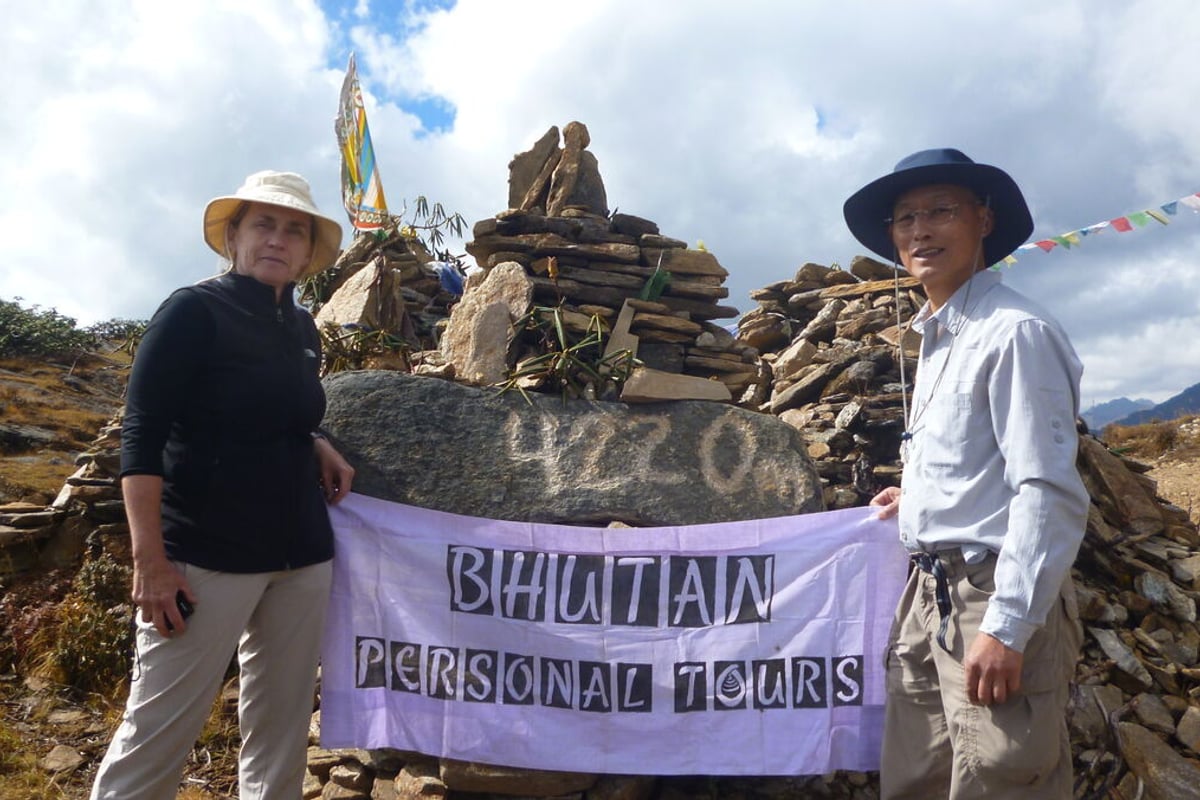
For travelers with additional time, Central Bhutan and Eastern Bhutan offer richer cultural immersion and fewer tourists. Bumthang, the spiritual heartland, contains some of Bhutan's oldest temples and monasteries. The eastern districts preserve distinct dialects, textile traditions, and architectural styles, providing contrast to the more developed western valleys.
Journey times increase significantly when traveling east, with winding mountain roads requiring patience and flexibility. The rewards include authentic village encounters, remote dzongs, and landscapes rarely seen by international visitors. These regions demand more time and adventurous spirit but deliver unparalleled cultural authenticity.
Engaging with Bhutanese Culture Authentically
A successful bhutan trip balances scheduled activities with spontaneous cultural encounters. Bhutanese people are remarkably welcoming, often inviting visitors for tea or conversation. Respect for customs and traditions opens doors to genuine connections that transcend typical tourist experiences.
Cultural Etiquette and Expectations
Understanding basic cultural protocols demonstrates respect and enhances interactions. Buddhism permeates daily life, influencing everything from architecture to social customs. Visitors should dress modestly when entering religious sites, removing shoes and hats before entering temples. Photography restrictions apply in many sacred spaces, with signs clearly indicating where cameras are prohibited.
Key cultural considerations:
- Dress modestly: Cover shoulders and knees, especially at religious sites
- Circumambulate clockwise: Walk around chortens and monasteries in the auspicious direction
- Accept offerings with both hands: Use both hands or the right hand supported by the left when receiving items
- Remove shoes: Take off footwear before entering homes and temples
- Ask permission: Request permission before photographing people or religious objects
The concept of Gross National Happiness extends beyond policy framework to lived experience. Conversations with locals often reveal how this philosophy influences daily decisions, community relationships, and development priorities. Research on integrating GNH with climate-resilient development demonstrates how Bhutan translates abstract values into concrete policy.
Culinary Experiences and Dietary Considerations
Bhutanese cuisine centers on rice, chilies, and cheese, with dishes often fiery by international standards. Ema datshi, the national dish combining chilies and local cheese, appears on nearly every menu. Red rice, buckwheat, and wheat serve as staples, while yak meat features prominently in higher elevations. Vegetarians find ample options, though communicating dietary restrictions through your tour operator ensures proper arrangements.
Most meals during a bhutan trip occur at hotel restaurants or specially arranged farmhouse visits. Hotel dining typically offers both Bhutanese and international options, accommodating various preferences and spice tolerances. Farmhouse meals provide intimate cultural experiences, with families sharing traditional dishes in their homes while explaining ingredients and preparation methods.
Adventure Activities Beyond Cultural Tourism
While temples and monasteries form the foundation of most itineraries, Bhutan offers diverse outdoor pursuits for active travelers. The kingdom's pristine environment and varied topography create opportunities for trekking, mountain biking, river sports, and specialized activities that complement cultural exploration.
Trekking Through Pristine Landscapes
Trekking in Bhutan ranges from moderate day hikes to challenging high-altitude expeditions spanning several weeks. The Druk Path Trek connects Paro and Thimphu through alpine lakes and rhododendron forests, offering spectacular Himalayan views without extreme technical difficulty. More demanding routes like the Snowman Trek traverse remote regions at altitudes exceeding 5,000 meters, requiring excellent fitness and proper acclimatization.
Popular trekking routes include:
- Druk Path Trek: 4-6 days, moderate difficulty, Paro to Thimphu
- Jomolhari Trek: 6-9 days, challenging, base camp views of sacred peak
- Dagala Thousand Lakes: 5-7 days, moderate to challenging, pristine alpine region
- Gangtey Trek: 1 day, easy to moderate, through Phobjikha Valley
- Punakha Winter Trek: 3 days, moderate, lower altitude option
Winter treks operate at lower elevations where conditions remain manageable, while summer monsoon affects trail conditions significantly. The Lonely Planet guide provides practical advice on gear requirements and physical preparation.
Specialized Activities for Diverse Interests
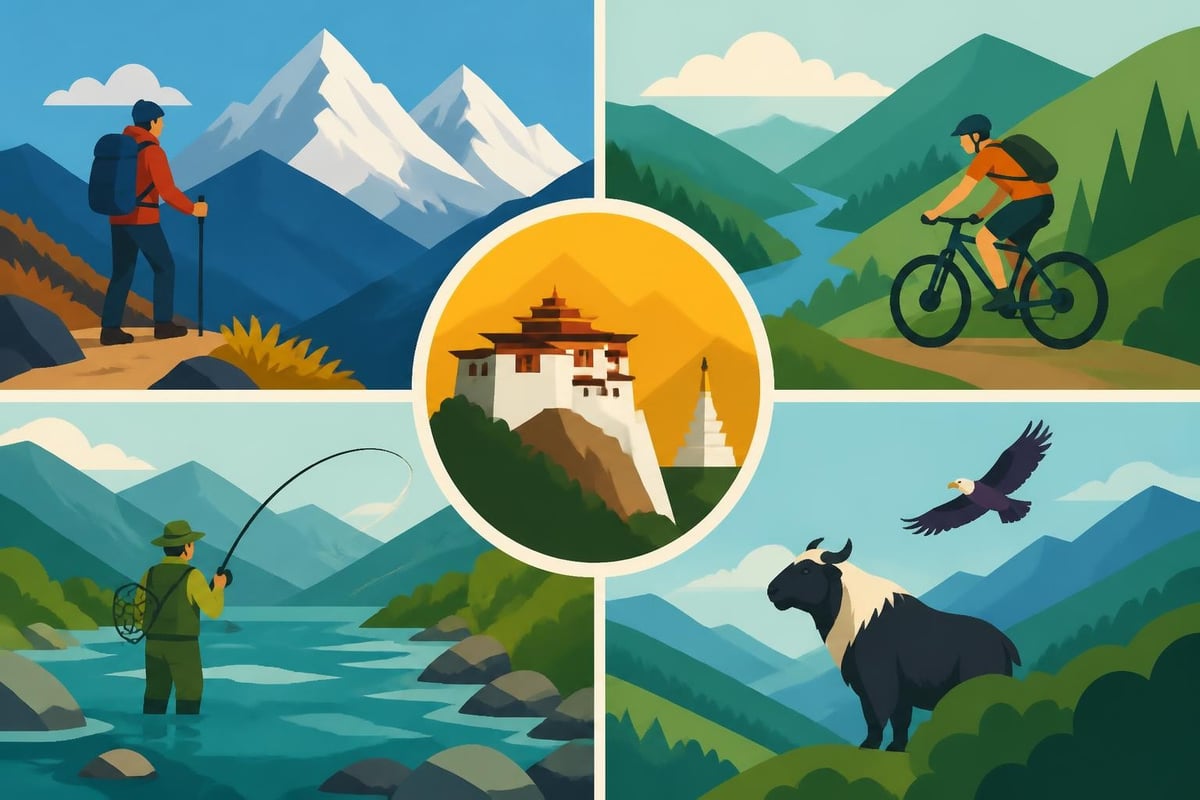
Beyond standard sightseeing, specialized interests find accommodation in Bhutan's tourism framework. Fly fishing tours target pristine rivers holding brown trout and indigenous species. Mountain biking along valley roads and rural trails offers alternative perspectives on landscapes and villages. Birdwatchers pursue rare Himalayan species including the endangered black-necked crane that winters in Phobjikha Valley.
These activities require specialized equipment and expertise, making operator selection crucial. Experienced guides ensure safety while maximizing success rates and environmental stewardship. Many visitors combine adventure activities with cultural programs, creating well-rounded itineraries that satisfy multiple interests.
Practical Considerations for Travel Planning
Successful bhutan trip execution depends on addressing practical details well before departure. From health preparations to communication options, thorough planning prevents complications and allows focus on experiences rather than logistics.
Health and Safety Preparations
Bhutan requires no mandatory vaccinations, though CDC travel health recommendations suggest routine immunizations remain current. Hepatitis A and typhoid vaccinations are recommended for most travelers, while those visiting rural areas or engaging in adventure activities should consider additional precautions. Altitude sickness affects some visitors at higher elevations, making proper acclimatization essential for trekking itineraries.
| Health Consideration | Recommendation | Notes |
|---|---|---|
| Routine vaccinations | Update before travel | MMR, DPT, influenza |
| Hepatitis A | Recommended for all | Food and water transmission |
| Typhoid | Recommended for most | Contaminated food/water risk |
| Altitude medication | Consult physician | For treks above 3,000m |
| Travel insurance | Mandatory | Include medical evacuation |
Comprehensive travel insurance covering medical evacuation is essential, as specialized treatment requires transfer to Thailand or India. Most tour operators require proof of insurance before confirming bookings. Pharmacies in Thimphu and Paro stock basic medications, but bringing personal prescriptions and familiar over-the-counter remedies ensures continuity of care.
Connectivity and Communication
Mobile coverage and internet access have expanded significantly across Bhutan in recent years, though connectivity remains limited in remote areas. Hotels in major towns offer WiFi, while local SIM cards provide affordable data for unlocked smartphones. However, embracing reduced connectivity often enhances the bhutan trip experience, allowing fuller immersion in surroundings and interactions.
International calling cards or WhatsApp over WiFi enable communication with home, though time zone differences complicate real-time conversations. Many visitors find that periodic check-ins suffice while maintaining focus on immediate experiences. Tour guides carry phones for emergencies and logistics coordination, providing security without constant connectivity demands.
Sustainable Travel Practices in Bhutan
Bhutan's development philosophy prioritizes environmental conservation and cultural preservation, with tourism policies reflecting these values. Visitors play crucial roles in supporting sustainable practices through conscious choices and respectful behavior. The country's constitution mandates maintaining at least 60% forest cover, a target consistently exceeded through active conservation programs.
Supporting Local Communities
Choosing accommodations and services that benefit local communities directly supports Bhutan's sustainable development goals. Many hotels employ staff from surrounding villages and source food from local farmers, creating economic opportunities beyond entry fees. Purchasing authentic handicrafts from artisan cooperatives ensures fair compensation while preserving traditional skills.
Ways to support sustainable tourism:
- Purchase directly from artisans rather than intermediary shops
- Respect photography restrictions at sacred sites and ceremonies
- Minimize plastic use by carrying reusable water bottles
- Follow Leave No Trace principles on treks and hikes
- Support conservation efforts through voluntary contributions
- Learn basic Dzongkha phrases to show cultural respect
An introduction to Bhutan provides context for understanding how tourism fits within broader development strategies. The balance between opening to visitors and protecting unique character requires ongoing adjustment, with traveler behavior influencing policy evolution.
Environmental Stewardship During Your Visit
Bhutan's pristine environment results from conscious policy and cultural values emphasizing harmony with nature. Natural vegetation varies dramatically by elevation, from subtropical forests to alpine meadows, each ecosystem supporting specialized flora and fauna. Visitors contribute to conservation by staying on established trails, properly disposing of waste, and respecting wildlife viewing guidelines.
Single-use plastics have been banned in Bhutan since 1999, with enforcement generally effective in tourist areas. Bringing reusable bags, bottles, and containers aligns with local practices while reducing waste. On multi-day treks, organized groups employ waste management protocols ensuring nothing remains on mountain trails.
Maximizing Cultural Understanding
The depth of cultural learning during a bhutan trip correlates directly with preparation and openness to new perspectives. Reading about Buddhist philosophy, Bhutanese history, and current development challenges provides context that enriches every interaction and observation. Guides play essential roles as cultural interpreters, explaining significance and answering questions throughout the journey.
Learning Opportunities Beyond Standard Tours
Engaging with local experts adds intellectual dimension to visual experiences. Conversations with monks about meditation practices, discussions with teachers about modern education challenges, or dialogues with farmers about agricultural transitions reveal complexity beneath surface impressions. The personalized approach taken by experienced operators facilitates these interactions, moving beyond scripted presentations to genuine exchange.
Cultural workshops offer hands-on learning in traditional arts including painting, weaving, or archery. Trying national dress, attempting traditional dances, or learning basic cooking techniques creates memorable experiences while demonstrating respect for cultural traditions. These activities require advance arrangement through tour operators but significantly enhance understanding and engagement.
Building Meaningful Connections
The intimate scale of Bhutanese tourism creates opportunities for relationships extending beyond transactional service delivery. Guides often become friends, sharing perspectives on contemporary challenges while explaining historical context. Hotel staff provide insights into daily life, regional differences, and personal aspirations that humanize statistical development narratives.
Choosing experienced operators who prioritize cultural authenticity over superficial efficiency makes these connections possible. Services taking one group at a time ensure focused attention and flexibility to pursue unexpected opportunities. The difference between seeing Bhutan and experiencing it often lies in these human connections facilitated by thoughtful operators.
Financial Planning and Budgeting
Understanding the cost structure for a bhutan trip enables realistic budgeting and prevents surprises. While Bhutan operates under a sustainable development fee framework rather than free independent travel, the structure ensures quality experiences while funding national development priorities. Current policies provide transparency in pricing with clear breakdowns of included services.
The Sustainable Development Fee, currently set at $100 per night for most international visitors, goes directly to government coffers supporting education, healthcare, and infrastructure. This fee is separate from tour operator charges covering hotels, meals, transportation, and guide services. Package costs vary based on accommodation standards, group size, and activity inclusions, with luxury options commanding premium rates.
Budget considerations include:
- Sustainable Development Fee: $100 per person per night (2026 rate)
- Tour package: $200-500+ per person per day depending on season and accommodation
- International flights: Variable by origin, book early for best rates
- Personal expenses: Souvenirs, additional beverages, tips
- Travel insurance: Essential coverage including medical evacuation
- Visa processing: Nominal fee processed through tour operator
Tipping practices have evolved with tourism growth, though no rigid expectations exist. Guides, drivers, and hotel staff appreciate gratuities reflecting quality service, with amounts proportional to group size and trip length. Most travelers budget approximately 10% of total package cost for tips distributed among service providers.
Planning a bhutan trip rewards careful preparation with experiences that transcend ordinary tourism, offering genuine cultural immersion within one of the world's most intentionally preserved societies. From navigating entry requirements through crafting meaningful itineraries to engaging authentically with local communities, success depends on partnering with knowledgeable guides who understand both logistics and cultural nuances. Bhutan Personal Tours and Treks specializes in creating personalized journeys that balance iconic sites with deeper cultural engagement, taking one group at a time to ensure focused attention and authentic connections throughout your exploration of the Kingdom of Happiness.