
The relationship between a traveler and their guide forms the foundation of transformative travel experiences. When you embark on a journey to discover new cultures, landscapes, and traditions, the expertise and dedication of your tour and guide team determines whether your adventure becomes a collection of memorable moments or merely a series of destinations checked off a list. In destinations where cultural nuances and local knowledge unlock deeper understanding, the right guide transforms sightseeing into genuine connection.
Understanding the Role of Professional Guides
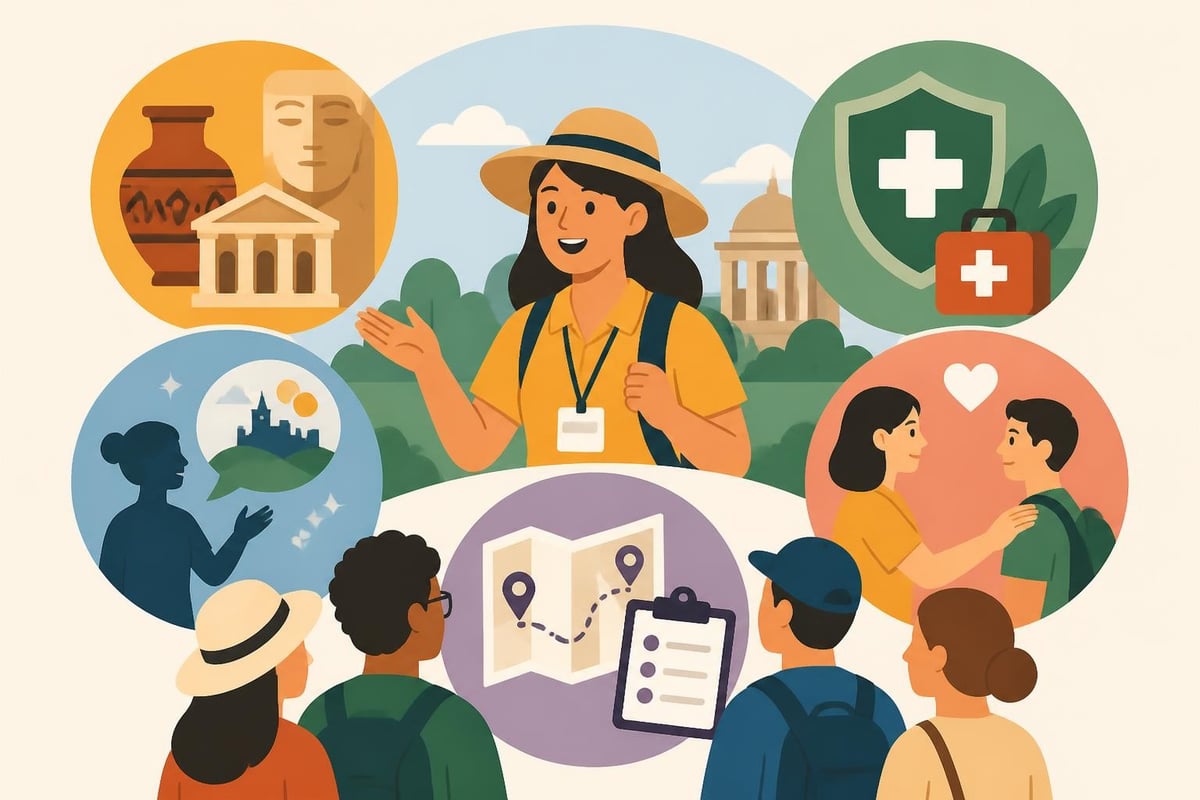
A professional guide serves as cultural interpreter, safety coordinator, logistics manager, and storytelling companion all at once. The depth of knowledge required extends far beyond memorized facts about monuments and historical dates. Exceptional guides understand the rhythms of daily life, the significance of traditions, and how to navigate both planned itineraries and unexpected opportunities that arise during travel.
Essential Qualities of Expert Tour Guides
The best guides combine several critical competencies that elevate ordinary trips into extraordinary experiences:
- Cultural fluency that allows authentic translation of traditions and customs
- Safety awareness across varied terrain and activity levels
- Interpersonal skills to read group dynamics and individual needs
- Problem-solving abilities when weather, logistics, or timing require adaptation
- Storytelling talent that brings history and culture to life
Experience separates competent guides from exceptional ones. A guide who has led hundreds of tours develops instincts about pacing, knows which artisans welcome visitors at specific times, and understands how to balance structure with spontaneity. This accumulated wisdom cannot be taught in training sessions alone.
Personalization in Tour and Guide Services
Generic group tours follow predetermined scripts that rarely account for individual interests or travel styles. Personalized tour and guide experiences begin with understanding what matters most to each traveler. Some visitors prioritize photography opportunities at dawn and dusk. Others seek conversations with local experts about philosophy, agriculture, or traditional crafts. The guide's responsibility involves crafting days that honor these preferences while maintaining the journey's overall flow.
Designing Custom Itineraries
Creating meaningful itineraries requires balancing multiple factors. Geographic logistics determine what can realistically be accomplished without exhausting travelers. Seasonal considerations affect everything from festival schedules to weather patterns. Cultural sensitivities shape appropriate timing for monastery visits or participation in local ceremonies.
Working with one group at a time allows guides to devote complete attention to understanding and meeting specific needs. This focused approach enables deeper conversations, flexible scheduling adjustments, and opportunities to pursue unexpected interests that emerge during the journey. When guides split attention across multiple groups simultaneously, personalization becomes nearly impossible.
According to research from the American Customer Satisfaction Index (ACSI), personalized attention ranks among the top factors influencing traveler satisfaction in the tourism industry. The data confirms what experienced guides know intuitively: customization creates memorable experiences.
Safety and Comfort in Guided Travel
Professional tour and guide operations prioritize traveler wellbeing through systematic planning and constant awareness. Safety encompasses physical security, health considerations, and emotional comfort throughout the journey. Guides trained in first aid, familiar with local medical resources, and experienced in risk assessment provide essential protection that independent travelers cannot replicate.
Managing Physical and Environmental Challenges
Different destinations present unique challenges requiring specialized knowledge:
| Challenge Type | Guide Responsibilities | Traveler Benefits |
|---|---|---|
| High Altitude | Acclimatization planning, symptom monitoring | Reduced altitude sickness risk |
| Remote Terrain | Route knowledge, emergency protocols | Confident exploration |
| Cultural Norms | Etiquette guidance, appropriate behavior coaching | Respectful engagement |
| Weather Variables | Alternative planning, proper gear recommendations | Comfortable experiences |
Comfort extends beyond physical safety to include accommodation standards, meal quality, and transportation reliability. Experienced guides maintain relationships with trusted hotels, restaurants, and drivers who consistently deliver quality service. These established networks ensure that travelers receive the care and standards they expect throughout their journey.
Cultural Authentication Through Expert Guides
Tourism often creates superficial encounters that fail to penetrate authentic cultural understanding. The difference between observing a festival as an outsider and understanding its spiritual significance lies entirely in guide expertise. Knowledgeable guides facilitate genuine cultural exchange by preparing travelers with context, introducing local experts, and creating opportunities for meaningful dialogue.
Connecting with Local Communities
The most valuable guides serve as bridges between visitors and communities. In destinations like Bhutan, where Buddhist philosophy and Gross National Happiness shape daily life, understanding requires more than reading guidebooks. Conversations with monks about happiness from Buddhist perspectives, discussions with professors about development philosophy, and interactions with artisans about traditional crafts provide insights impossible to gain independently.
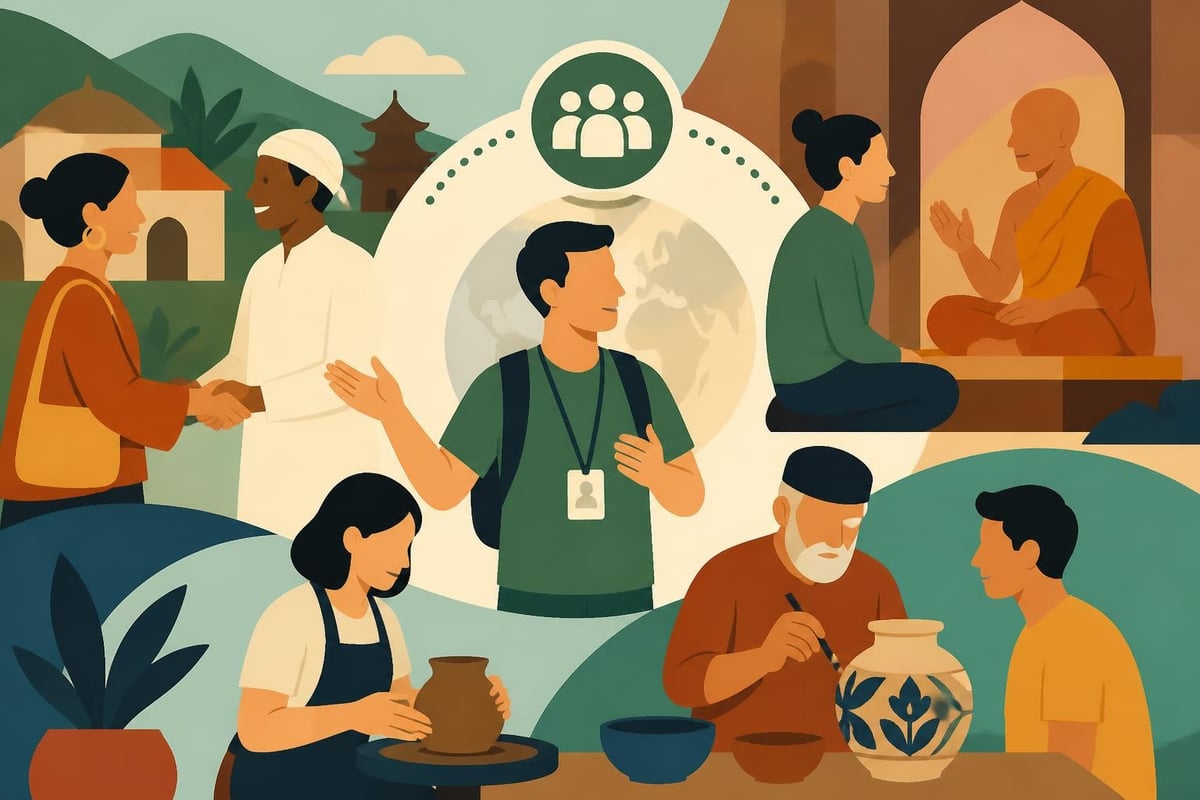
These connections require trust built over years of respectful engagement. Communities welcome visitors introduced by guides they know and respect. Without these established relationships, travelers remain perpetual outsiders, observing culture through glass rather than experiencing it directly.
Knowledge Depth and Continuous Learning
Outstanding tour and guide professionals never stop learning. Cultural traditions evolve, historical understanding deepens through new research, and environmental conditions change with seasons and climate patterns. Guides committed to excellence invest in continuous education through formal training, personal study, and countless conversations with local scholars and practitioners.
Specialization in Regional Expertise
Geographic specialization allows guides to develop encyclopedic knowledge of specific regions. A guide focused on Western Bhutan understands valley microclimates, monastery histories, festival calendars, and family connections across communities in ways impossible for those spreading attention across multiple countries or continents.
This depth manifests in subtle ways that dramatically enhance experiences:
- Timing precision for optimal lighting at Tiger's Nest or avoiding crowds at popular sites
- Access facilitation to workshops, homes, or ceremonies typically closed to casual visitors
- Context richness that explains why certain valleys support specific crops or architectural styles
- Story authenticity drawing from personal relationships rather than secondhand accounts
- Alternative planning when weather or circumstances require route modifications
Years of experience in specific regions also build weather intuition, understanding of seasonal variations, and knowledge of which villages celebrate particular festivals with greatest enthusiasm.
Small Group Dynamics and Individual Attention
Tour and guide operations face constant tension between economic efficiency and experience quality. Larger groups generate more revenue per guide but inevitably dilute personal attention and flexibility. Small group or individual tours cost more per participant but deliver exponentially greater value through customization and engagement.
Benefits of One-Group-at-a-Time Operations
Committing to serve only one group at a time represents a fundamental business philosophy that prioritizes quality over volume. This approach provides several distinct advantages:
- Complete guide attention focused on current travelers
- Flexibility to extend visits at sites of particular interest
- Ability to pursue spontaneous opportunities without group scheduling conflicts
- Deeper relationships between guide and travelers over multi-day journeys
- Simplified logistics without coordinating across multiple simultaneous itineraries
For travelers seeking immersive cultural experiences, this model proves invaluable. The guide becomes travel companion rather than tour manager, sharing meals, answering questions throughout the day, and adapting plans based on emerging interests and energy levels.
Seasonal Considerations and Festival Timing
Experienced guides understand how seasons transform destinations and shape appropriate travel timing. Temperature variations, precipitation patterns, wildlife migrations, and agricultural cycles all influence when and where to travel. Beyond climate considerations, festival calendars create unique opportunities that require advance planning and local knowledge to access fully.
Planning Around Cultural Events
Bhutan's festival calendar spans the entire year, with different districts celebrating major tsechus at various times. The Paro Tsechu draws enormous crowds each spring, while smaller celebrations like the Gangtey Tsechu offer intimate cultural experiences with fewer tourists.
| Season | Festival Examples | Natural Highlights | Travel Considerations |
|---|---|---|---|
| Spring | Paro Tsechu, Punakha Drubchen | Rhododendron blooms | Popular, book early |
| Summer | Kurjey Tsechu, Nimalung Tsechu | Green valleys, wildflowers | Monsoon rain possible |
| Autumn | Thimphu Tsechu, Jambay Lhakhang | Clear skies, harvest season | Peak season rates |
| Winter | Black-Necked Crane Festival | Crane migrations, snow peaks | Cold temperatures, fewer crowds |
A knowledgeable tour and guide team helps travelers understand these trade-offs and select timing that matches their priorities, whether that means witnessing major festivals despite crowds or experiencing quieter seasons with different cultural activities.
Communication and Language Skills
Effective guides serve as linguistic bridges, translating not just words but concepts, humor, and cultural context. In destinations where local languages differ significantly from major international languages, this translation role becomes essential for meaningful engagement. Beyond basic communication, skilled guides know how to phrase questions respectfully, interpret subtle social cues, and explain foreign concepts in accessible terms.
Beyond Literal Translation
Cultural translation requires understanding both source and destination cultures deeply. When a monk discusses Buddhist concepts of impermanence or a farmer explains traditional agricultural practices, direct word-for-word translation often fails to convey true meaning. Expert guides rephrase explanations using analogies and frameworks familiar to Western travelers while maintaining conceptual accuracy.
This skill develops through years of practice and bicultural fluency. Guides who have studied abroad, engaged extensively with international visitors, and reflected deeply on cultural differences bring invaluable perspective to these translation moments.
Logistics Management and Behind-the-Scenes Coordination
While travelers experience the visible aspects of guided tours, extensive coordination happens behind the scenes. Professional tour and guide operations manage vehicle logistics, accommodation confirmations, meal arrangements, permit processing, and backup planning for contingencies. This invisible labor ensures smooth experiences where transportation arrives on time, rooms meet expectations, and dietary requirements receive proper attention.
Building Reliable Networks
Years of operation allow guides to develop trusted relationships with service providers across their regions. These partnerships ensure consistent quality and enable problem-solving when issues arise. A guide who knows hotel managers personally can resolve room concerns quickly. Relationships with restaurant owners enable menu customization for dietary needs. Connections with local officials facilitate permit processing and access permissions.
For travelers accustomed to Bhutan’s tourism policies, understanding how guides navigate regulatory requirements and maintain necessary relationships provides confidence that logistics will function smoothly throughout their journey.

Specialized Activity Integration
Beyond cultural touring, many travelers seek specialized activities like trekking, photography, birdwatching, or adventure sports. Comprehensive tour and guide services integrate these interests seamlessly into broader itineraries. A guide experienced in trekking routes understands which trails match different fitness levels, what gear proves essential, and how to pace multi-day journeys for optimal enjoyment.
Photography enthusiasts benefit from guides who understand lighting conditions, know scenic viewpoints accessible at dawn and dusk, and can arrange permission for photography in sensitive locations. Birdwatchers need guides familiar with species distributions, migration patterns, and optimal observation times.
The Seven-Day Cultural Immersion Model
Meaningful cultural understanding requires time. While brief visits provide introductions, week-long journeys allow travelers to move beyond surface impressions into genuine comprehension. For destinations rich in cultural heritage like Bhutan, a thoughtfully designed multi-day experience creates space for gradual absorption rather than rushed consumption.
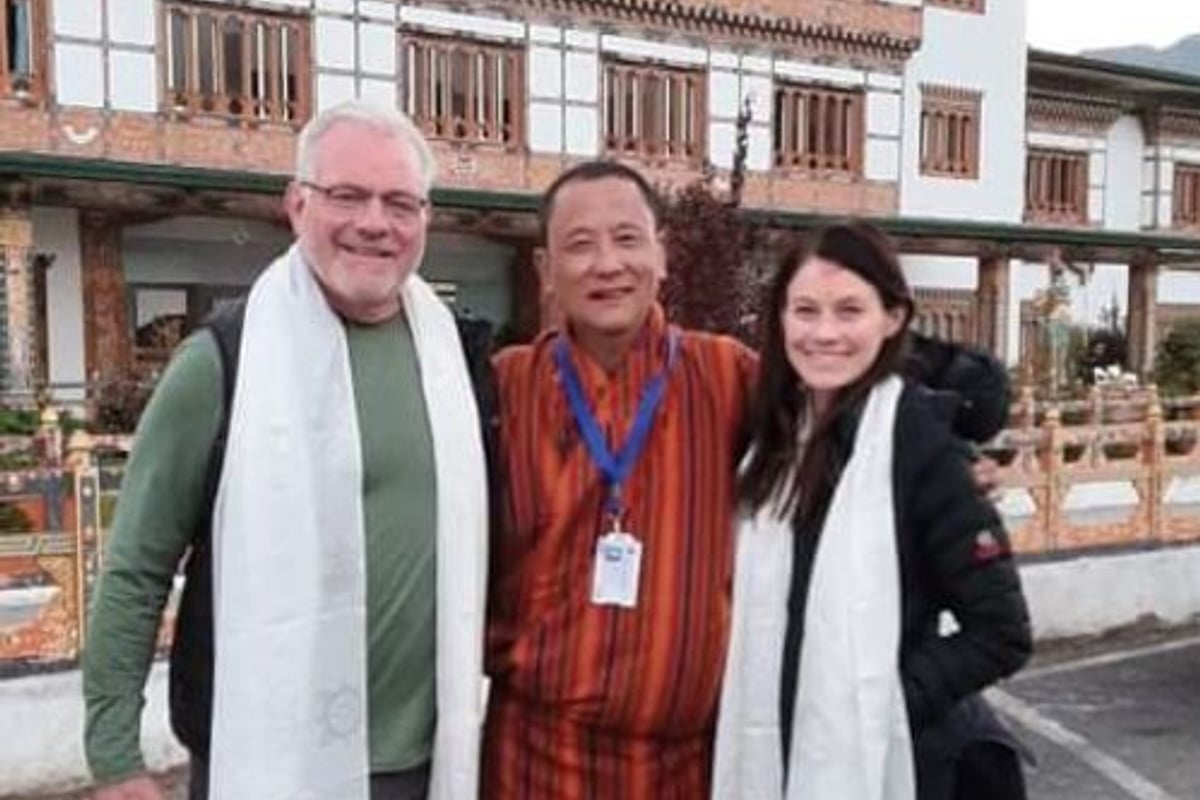
A well-structured 6 nights Western Bhutan amusement journey demonstrates this principle beautifully, moving through diverse valleys from Thimphu to Phobjikha to Punakha and ending in Paro, with each location revealing different facets of Bhutanese life. Meeting monks for philosophical discussions, talking with professors about Gross National Happiness, and engaging with local communities provides layered understanding impossible to achieve in shorter timeframes.
Building Progressive Understanding
Day-by-day immersion allows guides to sequence experiences so later activities build on earlier foundations. Initial monastery visits introduce Buddhist concepts that subsequent conversations with monks can explore more deeply. Early exposure to traditional architecture prepares travelers to appreciate subtle variations in later dzongs and temples. Progressive revelation creates satisfying learning arcs throughout the journey.
Measuring Success in Guided Experiences
Quantifying tour and guide quality involves both objective metrics and subjective satisfaction. Objective measures include safety records, itinerary adherence, logistical reliability, and regulatory compliance. Subjective measures encompass traveler satisfaction, cultural understanding gained, and likelihood of recommending the experience to others.
Professional operators track both dimensions systematically. Post-journey surveys, ongoing communication during trips, and attention to traveler feedback enable continuous improvement. The most successful guides view each journey as an opportunity to refine their craft, learning from what resonates with travelers and what falls flat.
Environmental and Cultural Responsibility
Modern tour and guide professionals recognize their responsibility to minimize negative impacts on destinations. Environmental stewardship includes waste management, energy conservation, and supporting accommodations with sustainable practices. Cultural responsibility means respecting local customs, distributing economic benefits fairly, and avoiding exploitative practices that commodify culture for tourist consumption.
Sustainable Tourism Practices
Guides model appropriate behavior for travelers, demonstrating respect for sacred sites, proper etiquette during ceremonies, and environmental conservation in natural areas. This modeling extends to supporting local businesses, explaining fair pricing for handicrafts, and encouraging authentic cultural exchange rather than performative displays staged solely for tourists.
Destinations like Bhutan, with deliberate policies limiting tourist numbers and requiring minimum spending levels, benefit from guides who understand and support these protective frameworks. Explaining the philosophy behind such policies helps travelers appreciate their role in sustainable tourism.
Technology Integration and Traditional Knowledge
Modern tour and guide services balance technological tools with traditional knowledge. GPS navigation, weather apps, and communication devices enhance safety and logistics. Photography drones and digital resources provide new ways to document and understand destinations. Yet technology cannot replace the human insight, cultural fluency, and relationship networks that experienced guides bring.
The most effective approach integrates both dimensions. Guides use technology for efficiency and safety while relying on traditional knowledge and personal relationships for cultural depth and authentic experiences. Weather apps supplement rather than replace understanding of local climate patterns learned through years of observation.
Long-Term Relationships and Return Visits
Exceptional tour and guide experiences often lead to lasting relationships. Travelers return years later, sometimes bringing family members or friends to share discoveries. These return visits take on different character, moving from introduction to deeper exploration. Guides who maintain contact with past clients build understanding of evolving interests and can craft return journeys that explore new aspects or revisit favorite locations with greater depth.
For guides, these ongoing relationships represent the highest professional satisfaction. Witnessing travelers' growth in cultural understanding, facilitating their children's first international experiences, or exploring specialized interests developed during previous visits creates meaning beyond transactional tourism.
The difference between ordinary tourism and transformative travel lies primarily in guide expertise, personal attention, and commitment to authentic cultural engagement. When you choose tour and guide services that prioritize depth over breadth, invest in local relationships, and dedicate complete attention to your journey, you unlock experiences impossible to replicate through independent travel or mass tourism. Bhutan Personal Tours and Treks embodies this philosophy through personalized itineraries, exclusive focus on one group at a time, and over two decades of experience facilitating meaningful cultural connections throughout the Kingdom of Bhutan.