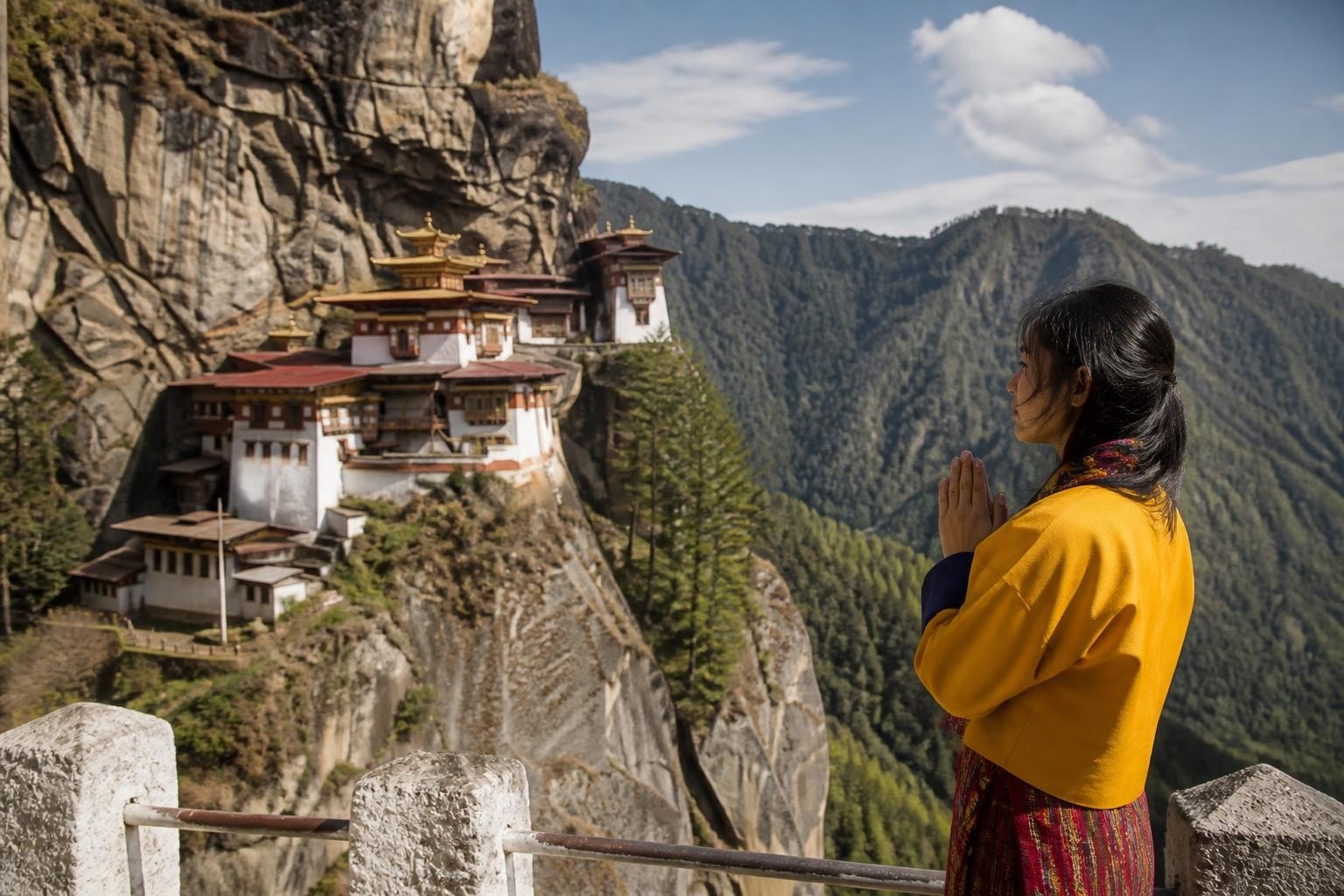
Planning a journey to Bhutan requires understanding a destination unlike any other. This Himalayan kingdom has preserved its cultural heritage, natural beauty, and Buddhist traditions through a carefully managed tourism policy that prioritizes quality over quantity. Whether you're drawn to ancient monasteries clinging to cliff faces, vibrant festivals celebrating centuries-old traditions, or treks through pristine mountain valleys, a well-prepared Bhutan trip guide ensures you maximize every moment in this remarkable country. With the right preparation and insights, your visit becomes more than tourism-it transforms into a meaningful cultural exchange.
Understanding Bhutan's Unique Tourism Policy
Bhutan's approach to tourism stands apart from conventional travel destinations. The country measures success through Gross National Happiness rather than GDP, and this philosophy extends directly to how visitors experience the kingdom.
The Sustainable Development Fee Structure
The Sustainable Development Fee (SDF) forms the cornerstone of Bhutan's tourism model. As of 2026, visitors from most countries pay $100 per person per night, which funds free education, healthcare, and infrastructure for Bhutanese citizens. This fee ensures tourism benefits local communities while preserving the environment and culture. Indian, Bangladeshi, and Maldivian nationals enjoy exemptions from this fee, though they still require permits for travel.
Understanding Bhutan’s tourism policy helps set proper expectations. All tourists (except Indian, Bangladeshi, and Maldivian nationals) must book through licensed tour operators. Independent travel isn't permitted, but this requirement ensures authentic experiences with knowledgeable guides who provide context and access that independent travelers would miss.
Visa Requirements and Entry Procedures
Securing a visa for Bhutan involves coordination with your tour operator, who handles the application process. The official visa procedures require submitting passport details at least two weeks before arrival. Your operator obtains visa clearance, and you receive the actual visa stamp upon arrival at Paro International Airport or land border crossings.
Key visa facts:
- Valid passport required (minimum 6 months validity)
- Visa clearance obtained before travel
- Visa fee currently $40 USD
- Processing takes 7-14 business days
- Children under 12 may receive fee waivers
Best Times to Visit Throughout the Year
Timing your Bhutan trip dramatically affects your experience. Each season offers distinct advantages depending on your interests and priorities.
Spring Season (March through May)
Spring brings Bhutan's valleys to life with blooming rhododendrons and moderate temperatures. This season ranks among the most popular for trekking, with clear mountain views and comfortable hiking conditions. Festivals like the Paro Tsechu typically occur in spring, drawing both tourists and locals to colorful celebrations.
| Month | Average Temp | Rainfall | Advantages | Considerations |
|---|---|---|---|---|
| March | 12-20°C | Low | Clear skies, festivals | Increasing tourist numbers |
| April | 15-23°C | Moderate | Rhododendrons bloom | Higher accommodation demand |
| May | 17-25°C | Increasing | Lush landscapes | Pre-monsoon humidity |
Autumn Glory (September through November)
Many travelers consider autumn the optimal season for a Bhutan trip guide implementation. Post-monsoon clarity creates spectacular Himalayan views. Major festivals fill the calendar, including the renowned Thimphu Tsechu and other regional celebrations.
Weather remains stable and pleasant, with crisp mornings and warm afternoons. Trekking conditions reach their peak, and photographers find exceptional clarity for capturing the kingdom's dramatic landscapes. This season does attract the highest visitor numbers, so early booking becomes essential.
Winter and Summer Options
Winter (December through February) offers solitude and lower rates, though high-altitude areas become inaccessible. The Punakha valley maintains pleasant weather, and black-necked cranes migrate to Phobjikha valley, creating unique wildlife viewing opportunities.
Summer monsoon season (June through August) brings rain but also vibrant green landscapes, fewer crowds, and potential cost savings. Some remote areas become challenging to access, but western valleys remain quite accessible.
Essential Planning Components for Your Journey
A comprehensive Bhutan trip guide addresses logistics that ensure smooth travel throughout the kingdom. Planning these elements well in advance prevents complications and enhances your overall experience.
Health Preparations and Vaccinations
Before departure, consult the CDC’s Bhutan health recommendations for current vaccination guidance. Routine vaccines should be current, and additional immunizations for hepatitis A, typhoid, and Japanese encephalitis may be recommended based on your itinerary and activities.
Health preparation checklist:
- Schedule medical consultation 4-6 weeks before departure
- Obtain altitude sickness medication if trekking high passes
- Pack basic first aid supplies
- Arrange comprehensive travel insurance
- Bring sufficient prescription medications in original packaging
- Consider malaria prophylaxis if visiting southern border areas
Altitude considerations matter for many Bhutan destinations. Paro sits at 2,200 meters, while Thimphu reaches 2,400 meters. Most visitors acclimatize gradually, but those planning high-altitude treks should build extra days into itineraries.

Transportation Within Bhutan
Bhutan has one international airport-Paro-served by Druk Air and Bhutan Airlines. The dramatic approach through mountain valleys makes landing an experience itself. Overland entry from India through Phuentsholing offers an alternative, allowing gradual acclimatization to altitude.
Within Bhutan, transportation occurs primarily by road. Distances appear short on maps, but mountain highways wind dramatically, making travel times longer than expected. A journey from Paro to Bumthang, approximately 250 kilometers, requires a full day of driving.
Your tour operator provides vehicles and drivers throughout your stay. This arrangement eliminates navigation stress and allows you to focus on scenery and experiences rather than logistics.
Regional Highlights and Itinerary Building
Creating a meaningful Bhutan trip guide requires understanding the kingdom's diverse regions and matching destinations to your interests and available time.
Western Bhutan: The Classic Introduction
Most visitors concentrate on Western Bhutan, home to Paro, Thimphu, Punakha, and Phobjikha valley. This region offers the highest concentration of cultural sites, comfortable infrastructure, and accessibility.
Must-see Western Bhutan experiences:
- Tiger's Nest Monastery (Paro Taktsang) clinging to a cliff 900 meters above the valley
- National Memorial Chorten in Thimphu for insight into Buddhist practices
- Punakha Dzong at the confluence of two rivers, Bhutan's most photogenic fortress
- Phobjikha valley for black-necked crane viewing and pristine glacial landscapes
- Dochula Pass with 108 chortens and panoramic Himalayan views
A 6-night Western Bhutan itinerary provides balanced exposure to Bhutan's highlights while allowing meaningful engagement with local culture, including conversations with monks about happiness from a Buddhist perspective and discussions with experts on Gross National Happiness.
Central Bhutan's Sacred Valleys
Central Bhutan encompasses the spiritual heartland around Bumthang, Trongsa, and surrounding valleys. This region holds special significance for Buddhism in Bhutan, with numerous sacred sites related to Guru Rinpoche, who brought Buddhism to the kingdom in the 8th century.
Bumthang's four valleys-Chokhor, Tang, Ura, and Chhume-each offer distinct experiences. Ancient temples, monastery festivals, and traditional weaving villages create immersive cultural encounters. The journey requires additional travel time but rewards with fewer crowds and deeper cultural authenticity.
Eastern Regions for Adventurous Travelers
Eastern Bhutan remains less visited but offers raw cultural experiences and diverse ethnic communities. Districts like Trashigang, Mongar, and Lhuentse showcase different traditions, languages, and lifestyles compared to western areas.
Eastern itineraries require more time-typically 10-14 days minimum-but provide encounters with semi-nomadic yak herders, rare textiles, and landscapes ranging from subtropical valleys to high alpine zones. This region suits travelers seeking authenticity over convenience.
Cultural Engagement and Practical Etiquette
A complete Bhutan trip guide extends beyond logistics to cultural preparation. Understanding social norms and Buddhist traditions enhances interactions and demonstrates respect.
Religious and Social Customs
Buddhism permeates daily life in Bhutan. Temples, monasteries, and dzongs (fortress-monasteries) appear throughout the landscape. When visiting religious sites, dress modestly with covered shoulders and knees. Remove shoes before entering temple buildings, and always walk clockwise around religious monuments and prayer wheels.
Essential etiquette guidelines:
- Ask permission before photographing people, especially monks
- Remove hats inside religious buildings
- Avoid pointing feet toward sacred objects or people
- Refrain from touching religious artifacts unless invited
- Speak quietly in temples and monasteries
- Decline alcohol if offered by monks or in religious settings
The national dress-gho for men and kira for women-carries cultural significance. While tourists aren't required to wear traditional clothing, doing so for festivals or formal occasions shows respect and often delights locals.
Festival Participation
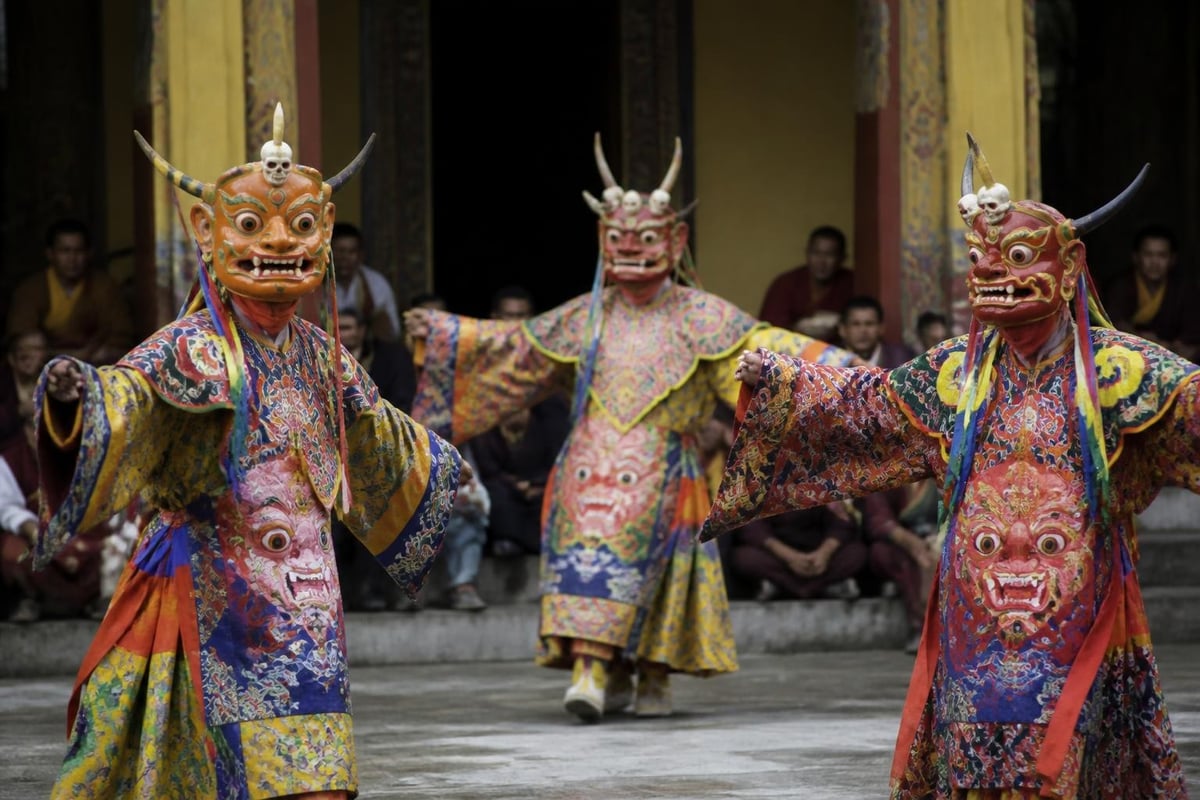
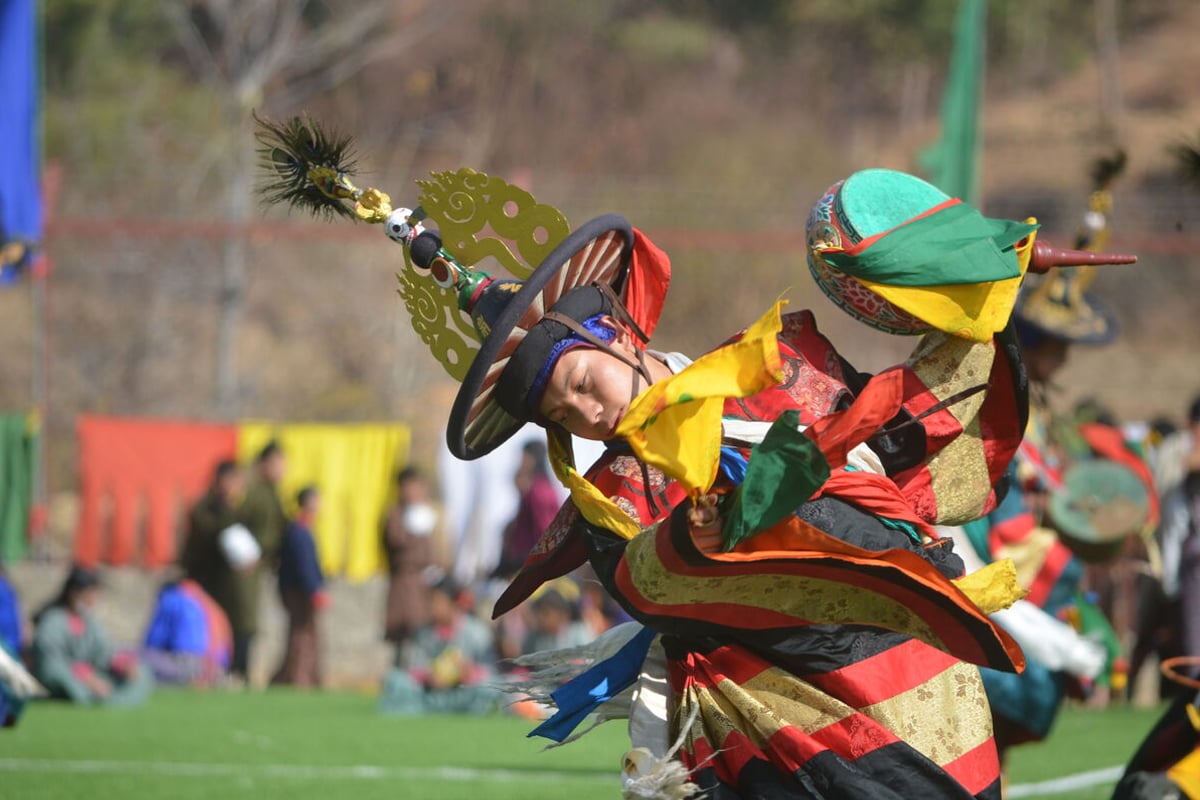
Attending a tsechu (festival) ranks among the most memorable experiences in any Bhutan trip guide. These multi-day events combine religious ceremony, masked dances, social gathering, and cultural celebration. Festival schedules vary by region and lunar calendar, so coordination with your tour operator ensures you don't miss these spectacular events.
Major festivals attract large crowds, including Bhutanese from surrounding areas dressed in their finest traditional clothing. Arrive early for good viewing positions, and respect the sacred nature of the performances despite the festive atmosphere.
| Festival | Location | Typical Month | Highlights |
|---|---|---|---|
| Paro Tsechu | Paro | March/April | Thongdrel unveiling, mask dances |
| Thimphu Tsechu | Thimphu | September/October | Largest festival, elaborate costumes |
| Punakha Drubchen | Punakha | February/March | Reenactment of historic battle |
| Black-Necked Crane Festival | Phobjikha | November | Wildlife celebration, folk performances |
Adventure Activities and Specialized Experiences
Beyond cultural exploration, Bhutan offers remarkable opportunities for outdoor enthusiasts and specialized interests. Including these elements in your Bhutan trip guide creates a well-rounded adventure.
Trekking the Himalayan Kingdom
Trekking in Bhutan ranges from moderate day hikes to challenging multi-week expeditions. The kingdom's trail network connects remote villages, high passes, and pristine wilderness rarely visited by outsiders.
Popular treks include the Druk Path (5-6 days connecting Paro and Thimphu), Jomolhari base camp treks showcasing Bhutan's second-highest peak, and the legendary Snowman Trek, one of the world's most challenging treks requiring three weeks and crossing eleven passes above 4,500 meters.
Spring and autumn provide optimal trekking conditions. Winter treks in lower valleys offer solitude, while summer monsoon makes most high routes inadvisable. Your physical fitness, altitude tolerance, and available time determine appropriate trek selection.
Specialized Interest Journeys
Bhutan accommodates diverse interests beyond standard cultural tours. National Geographic has featured the kingdom's exceptional opportunities for nature photography, birding, and documenting traditional lifestyles.
Photography-focused itineraries time visits to festivals, agricultural activities, and optimal lighting conditions. Birding tours target Bhutan's 700+ species, including rare Himalayan specialties. Textile enthusiasts explore weaving villages and natural dyeing traditions. Spiritual seekers arrange meditation retreats and extended monastery stays.
Working with an experienced operator who understands these specialized interests ensures access to appropriate locations, experts, and experiences that generic itineraries might miss.
Practical Considerations for a Seamless Journey
Attention to practical details transforms a good trip into an exceptional one. This section of your Bhutan trip guide covers the specifics that ensure comfort and convenience.
Packing for Variable Conditions
Bhutan's mountainous terrain creates microclimates and temperature variations. Even summer visits require warm layers for high altitudes and air-conditioned vehicles. Layering proves more effective than heavy single garments.
Comprehensive packing list:
- Lightweight, moisture-wicking base layers
- Insulating mid-layers (fleece or down)
- Waterproof, breathable outer shell
- Comfortable walking shoes with ankle support
- Sun protection (hat, sunglasses, high-SPF sunscreen)
- Modest clothing for temple visits
- Personal medications and basic first aid
- Camera equipment and extra batteries
- Reusable water bottle
- Small daypack for excursions
Electricity in Bhutan operates on 230V with Indian-style three-pin outlets. Bring appropriate adapters and consider a voltage converter for sensitive electronics, though most modern chargers handle dual voltage.
Currency and Financial Planning
The Bhutanese ngultrum (BTN) is pegged 1:1 to the Indian rupee, which is also widely accepted. US dollars can be exchanged at banks and hotels, though rates may vary. ATMs exist in major towns but become scarce in rural areas.
Most tour costs are prepaid, covering accommodation, meals, transportation, and guide services. Budget additional funds for:
- Personal shopping (textiles, handicrafts, religious items)
- Alcoholic beverages beyond meal inclusions
- Tips for guides and drivers (customary but not mandatory)
- Additional activities not in your itinerary
- Communication (local SIM cards or international roaming)
Credit cards see limited acceptance outside upscale hotels in Thimphu and Paro. Carry sufficient cash for the duration of your trip, especially when venturing to remote regions.
Communication and Connectivity
Internet access and mobile coverage have expanded significantly in recent years, though rural areas still experience limited connectivity. Most hotels in tourist areas offer Wi-Fi, with speeds sufficient for messaging and email but potentially frustrating for video calls or large uploads.
Bhutanese telecom providers offer tourist SIM cards with reasonable data packages. Consider purchasing one upon arrival if staying connected matters for your needs. However, many visitors appreciate the opportunity to disconnect from constant digital demands and engage more fully with their surroundings.
Maximizing Cultural Authenticity and Depth
Surface-level tourism barely scratches what Bhutan offers. A thoughtful Bhutan trip guide emphasizes depth over breadth, quality over quantity-principles that align perfectly with the kingdom's own tourism philosophy.
Engaging with Local Communities
The requirement to travel with licensed guides creates opportunities for meaningful cultural exchange. Experienced guides provide context for what you observe, facilitate conversations with locals, and grant access to experiences independent travelers could never arrange.
Visiting farmhouses, attending local ceremonies, and participating in traditional activities like archery (Bhutan's national sport) or hot stone baths provide authentic insights. These interactions work best when approached with genuine curiosity and respect rather than as performative photo opportunities.
Understanding Bhutan’s cultural foundations before arrival enhances these encounters. Basic knowledge of Buddhist concepts, Bhutanese history, and the Gross National Happiness development philosophy provides framework for deeper appreciation.
Working with One-Group-at-a-Time Operators
Not all tour companies operate identically. Larger operators manage multiple groups simultaneously, potentially spreading attention and resources thin. Smaller, specialized operators who handle one group at a time deliver more personalized attention, flexibility, and authentic connections.
This approach allows itinerary adjustments based on interests, weather, or unexpected opportunities. Your guide becomes a cultural interpreter and facilitator rather than simply following a predetermined schedule. Connections with local experts-monks discussing Buddhist philosophy, professors explaining Gross National Happiness, artisans demonstrating traditional crafts-happen more naturally with this focused approach.
Respecting the Kingdom's Values
Bhutan's tourism model reflects broader societal values prioritizing sustainability, cultural preservation, and community welfare. Visitors who align their behavior with these values contribute positively to the destination.
Responsible travel practices:
- Support local businesses and artisans when shopping
- Follow Leave No Trace principles on treks and excursions
- Respect photography restrictions at religious sites
- Dress and behave modestly in villages and sacred spaces
- Ask questions and learn rather than making assumptions
- Be patient with different pace and standards than home
These practices aren't sacrifices but rather pathways to richer, more authentic experiences. Lonely Planet’s Bhutan guidance emphasizes this mindful approach to travel in the kingdom.
Sample Itineraries for Different Interests
No single itinerary suits all travelers. Your available time, physical capabilities, interests, and travel style shape the optimal Bhutan trip guide for your circumstances.
Cultural Immersion Focus (7-10 Days)
Concentrate on western and central Bhutan's cultural heartland, balancing iconic sites with deeper engagement opportunities.
- Days 1-2: Arrive Paro, acclimatize, explore Paro valley and rinpung Dzong
- Day 3: Hike to Tiger's Nest Monastery, evening in Paro town
- Days 4-5: Thimphu exploration-museums, memorial chorten, weekend market if timing allows
- Day 6: Cross Dochula Pass to Punakha, visit dzong and suspension bridge
- Day 7: Phobjikha valley, crane observation (seasonal), Gangtey monastery
- Days 8-9: Return via different route, attend festival if scheduled
- Day 10: Depart from Paro
Trekking Adventure (12-16 Days)
Incorporate substantial trekking with cultural elements, requiring good fitness and proper preparation.
- Days 1-2: Paro arrival and acclimatization hikes
- Days 3-8: Jomolhari base camp trek or similar multi-day route
- Day 9: Rest day in Paro, visit Tiger's Nest
- Days 10-12: Thimphu and Punakha cultural sites
- Days 13-14: Bumthang valleys exploration
- Days 15-16: Return to Paro and departure
Comprehensive Discovery (14-18 Days)
Maximum exposure across western, central, and eastern regions for those with time and adventurous spirit.
This extended itinerary allows visiting less-touristed eastern districts, attending multiple festivals, attempting both cultural sites and moderate treks, and including specialized interests like birding, photography workshops, or meditation retreats. The additional time permits slower pacing, reducing travel fatigue and allowing spontaneous opportunities.
Food, Accommodation, and Daily Rhythms
Daily life during your Bhutan journey follows patterns shaped by geography, culture, and tourism infrastructure. Understanding what to expect helps you relax into the experience.
Bhutanese Cuisine
Rice forms the staple of Bhutanese meals, accompanied by ema datshi (chilies in cheese sauce), the unofficial national dish. Expect generous amounts of chilies in traditional cooking-Bhutanese consider them vegetables rather than mere seasoning. Most hotels catering to tourists offer milder options alongside authentic preparations.
Meals typically include red rice, multiple vegetable and meat dishes, and sometimes momos (dumplings) or noodles. Butter tea (suja) and sweet milk tea appear frequently. Meals on tour packages generally feature buffet-style service with both Bhutanese and international options.
Vegetarians find Bhutan accommodating, as Buddhist influence means many locals eat little meat. Vegans face more challenges, as dairy features prominently, though advance communication with your operator allows appropriate preparation.
Accommodation Standards
Hotels in Bhutan range from basic guesthouses to luxury properties, with most tourist accommodation falling into comfortable mid-range categories. Don't expect international chain hotel standards, but clean rooms with private baths, heating, and hot water represent the norm in tourist areas.
Heritage hotels, often housed in traditional buildings, offer atmospheric alternatives to modern construction. Farmhouse homestays provide authentic cultural immersion, though amenities may be basic. On treks, expect tented camping with staff managing setup and meal preparation.
Room heating becomes crucial during colder months. Traditional bukhari (wood stoves) appear in some properties, while others use electric heaters. Request extra blankets if needed-mountain nights turn cold even in summer.
Daily Touring Rhythms
Days typically begin early, with breakfast around 7-8 AM and departure by 9 AM. Morning light offers best photography conditions and cooler temperatures for walking. Lunch occurs around midday, either at restaurants or packed lunches during full-day excursions.
Afternoon activities resume after lunch, with most site visits concluding by 5-6 PM. Evening meals happen around 7-8 PM, with free time afterwards for relaxation, personal exploration of town areas, or cultural performances when available.
This rhythm allows sustainable pacing rather than exhausting marathon days. Flexibility exists for early starts to catch special light or festivals, late evenings for cultural events, or rest days when needed.
Planning a journey to Bhutan requires attention to unique policies, cultural sensitivities, and logistical details that distinguish this kingdom from typical destinations. By understanding visa procedures, seasonal considerations, regional highlights, and cultural etiquette, you prepare yourself for transformative experiences rather than mere sightseeing. Whether you're drawn to Western Bhutan's iconic monasteries, Central Bhutan's sacred valleys, or adventurous treks through pristine Himalayan wilderness, Bhutan Personal Tours and Treks brings decades of expertise to crafting personalized itineraries. With one group at a time, you'll receive focused attention, authentic cultural connections, and the flexibility to explore Bhutan's beauty and wisdom at a meaningful pace.