
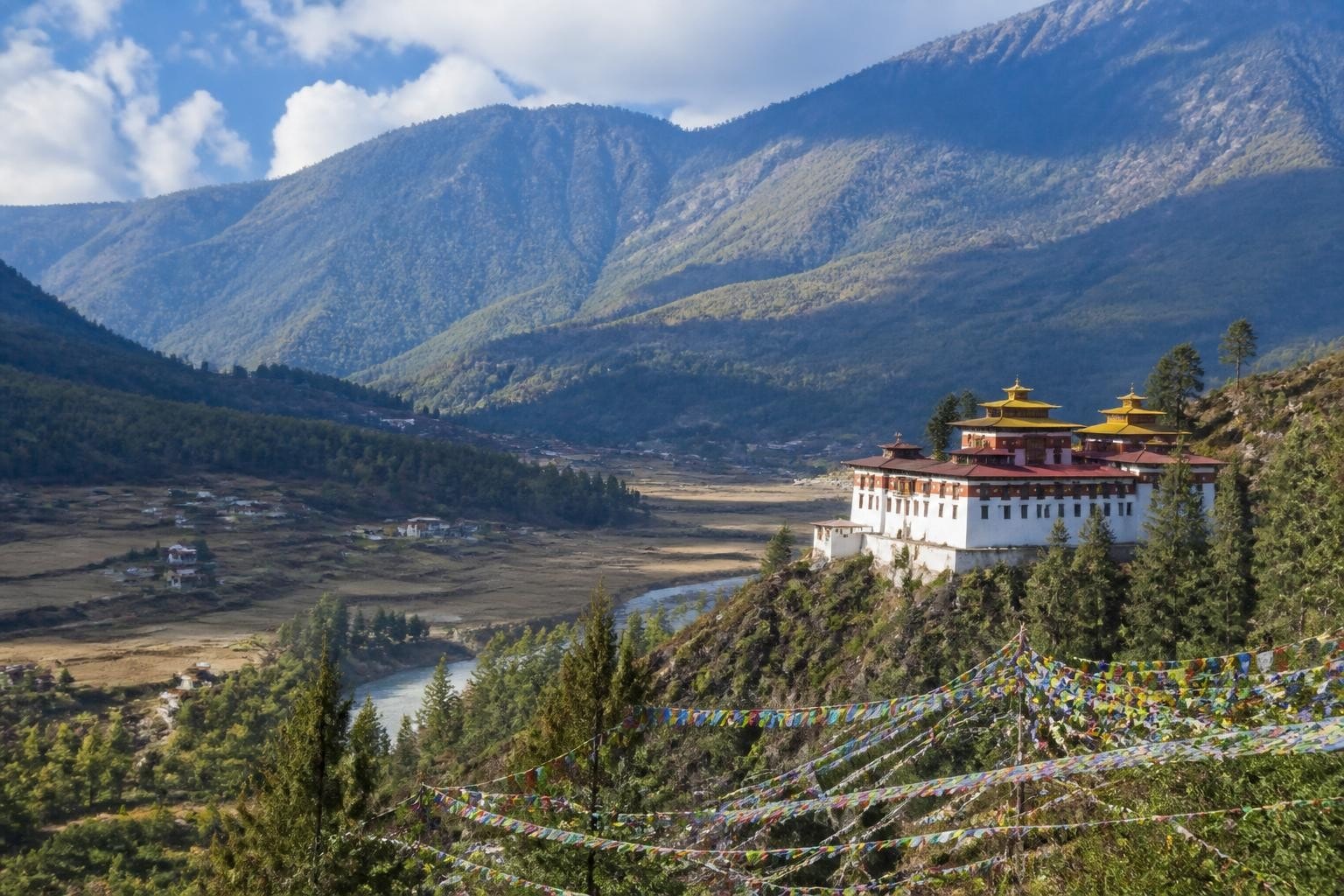
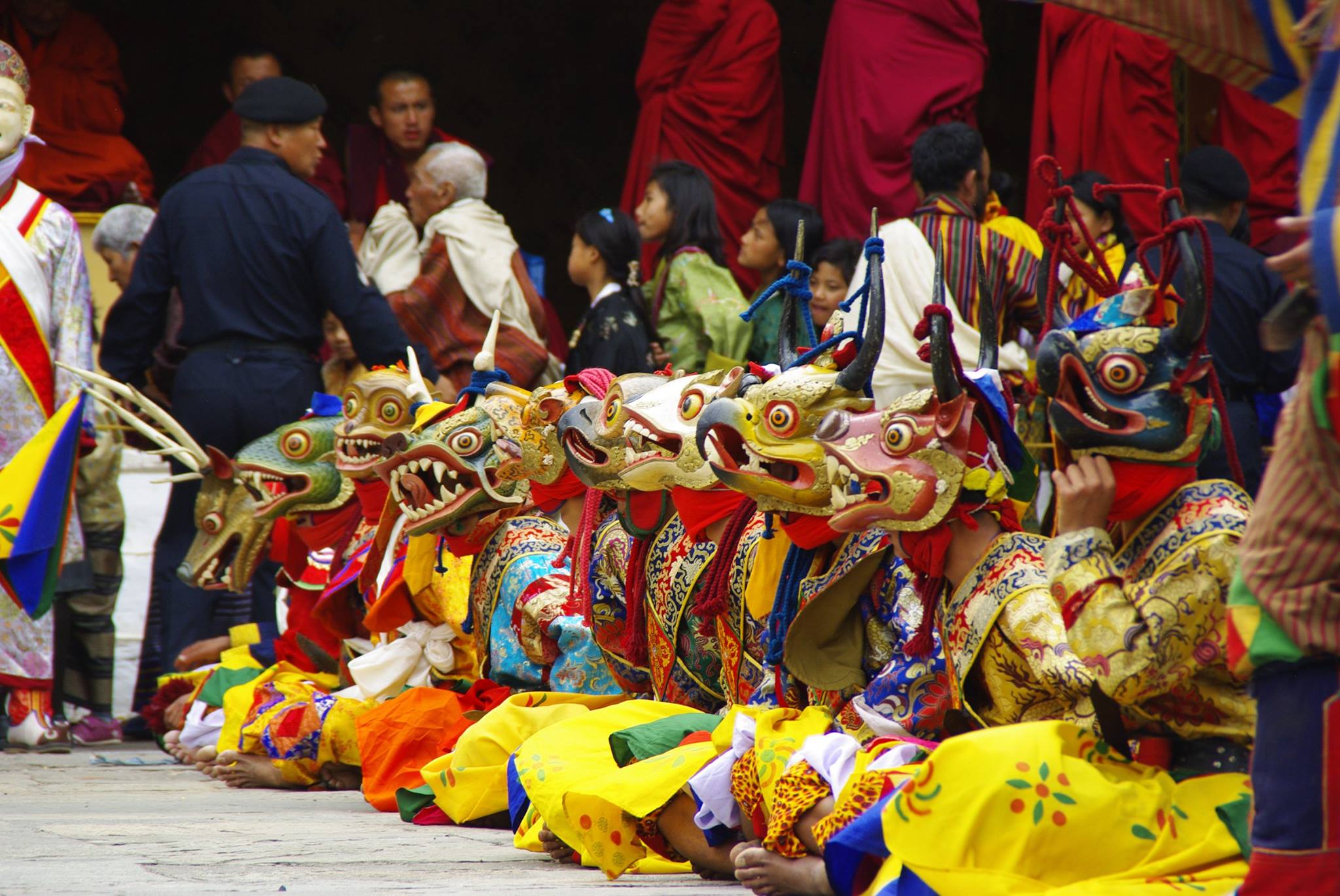
Bhutan stands apart from every other destination in Asia, preserving its cultural heritage while carefully managing modern tourism. This Himalayan kingdom has welcomed visitors through a thoughtful approach that prioritizes sustainability and authentic experiences over mass tourism. The tourist spots in Bhutan range from clifftop monasteries that seem to defy gravity to fertile valleys where endangered species migrate each winter. Each destination tells a story of Buddhism, architecture, and natural beauty woven together across centuries. Understanding which sites to prioritize and how to experience them fully requires insight into Bhutan’s geography, seasonal patterns, and cultural calendar.
Western Bhutan’s Iconic Destinations
The western valleys contain the most visited and accessible tourist spots in Bhutan, where centuries-old fortresses stand alongside living monastic communities. This region encompasses Paro, Thimphu, Punakha, and Wangdue Phodrang, forming the cultural heartland that most travelers experience during their journey through the kingdom.
Paro Taktsang: Tiger’s Nest Monastery
Perched 900 meters above the Paro valley floor, Taktsang Monastery represents the most photographed and spiritually significant site in the country. Guru Rinpoche, who brought Buddhism to Bhutan in the 8th century, meditated in this sacred cave complex.
The hike requires approximately four to five hours round trip, gaining elevation through blue pine forests decorated with prayer flags. Most visitors reach the cafeteria viewpoint halfway up, where butter tea and refreshments provide fuel for the final ascent.
Key considerations for visiting Taktsang include:
-
Morning starts: Begin by 7:00 AM to avoid afternoon crowds and heat
-
Proper footwear: Sturdy hiking boots with ankle support are essential
-
Camera restrictions: Photography is prohibited inside temple buildings
-
Physical preparation: The altitude (3,120 meters at the monastery) affects many visitors
-
Dress code: Modest clothing covering shoulders and knees is mandatory
Punakha Dzong and Valley
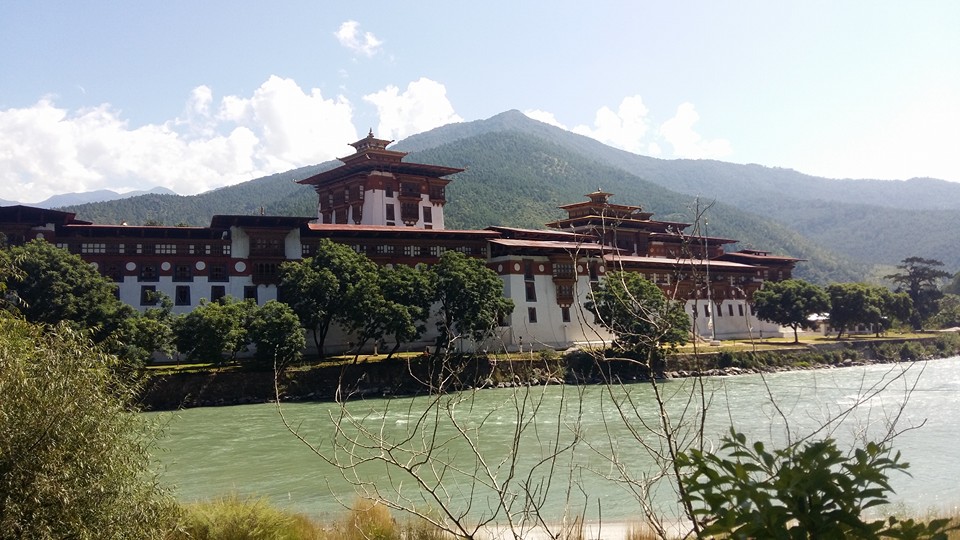
Punakha Dzong sits at the confluence of the Pho Chhu (father) and Mo Chhu (mother) rivers, creating one of the most architecturally stunning fortresses in the kingdom. Built in 1637 by Zhabdrung Ngawang Namgyal, this dzong served as Bhutan’s capital until 1955 and remains the winter residence of the central monastic body.
The valley around Punakha offers warmer temperatures than other regions, making it ideal for winter visits between November and March. The subtropical climate supports rice cultivation, chili peppers, and orange orchards that paint the landscape in vibrant colors during harvest season.
|
Feature |
Details |
Best Time |
|---|---|---|
|
Architecture |
Six-story central tower, painted wooden galleries |
Year-round |
|
Festivals |
Punakha Drubchen, Punakha Tsechu |
February-March |
|
River Activities |
White-water rafting, kayaking |
March-April |
|
Suspension Bridge |
Longest in Bhutan, connects to villages |
Spring/Autumn |
Visitors should explore the Punakha region thoroughly, including the suspension bridge leading to Khamsum Yulley Namgyal Chorten and the villages that maintain traditional agricultural practices.
Thimphu: The Living Capital
Unlike most capital cities, Thimphu maintains its cultural identity while serving administrative functions. The city sprawls along the Wang Chhu valley, blending government buildings, monasteries, markets, and residential areas without traffic lights or chain restaurants.
Essential tourist spots in Bhutan’s capital include:
-
National Memorial Chorten: Circumambulated daily by devotees, this 1974 stupa honors the third king
-
Buddha Dordenma: A 51-meter bronze statue overlooking the valley, containing 100,000 smaller Buddha statues
-
Weekend Market: Fresh produce, textiles, and traditional crafts from across the country (Fridays-Sundays)
-
Tashichho Dzong: The seat of government and summer residence of the Je Khenpo
-
National Institute for Zorig Chusum: Students learning Bhutan’s thirteen traditional arts and crafts
The capital provides the most comprehensive introduction to contemporary Bhutanese life while maintaining deep connections to tradition. Evening walks along Norzin Lam reveal families in traditional dress, shops selling religious artifacts, and restaurants serving both Bhutanese and international cuisine.
Central Valleys: Phobjikha and Bumthang
Moving eastward from the western corridor, the central regions reveal different landscapes and cultural patterns. These valleys sit higher and more remote, requiring additional travel time but rewarding visitors with unique wildlife encounters and sacred sites.
Phobjikha Valley: Winter Home of Black-Necked Cranes
The glacial valley of Phobjikha transforms each November when black-necked cranes arrive from the Tibetan plateau. These endangered birds, revered in Buddhist culture, spend winter feeding in the valley’s marshlands before returning north in March.
The Royal Society for the Protection of Nature operates a visitor center explaining conservation efforts and providing telescopes for bird watching. Approximately 600-700 cranes winter here annually, making Phobjikha one of the most important wildlife destinations among tourist spots in Bhutan.
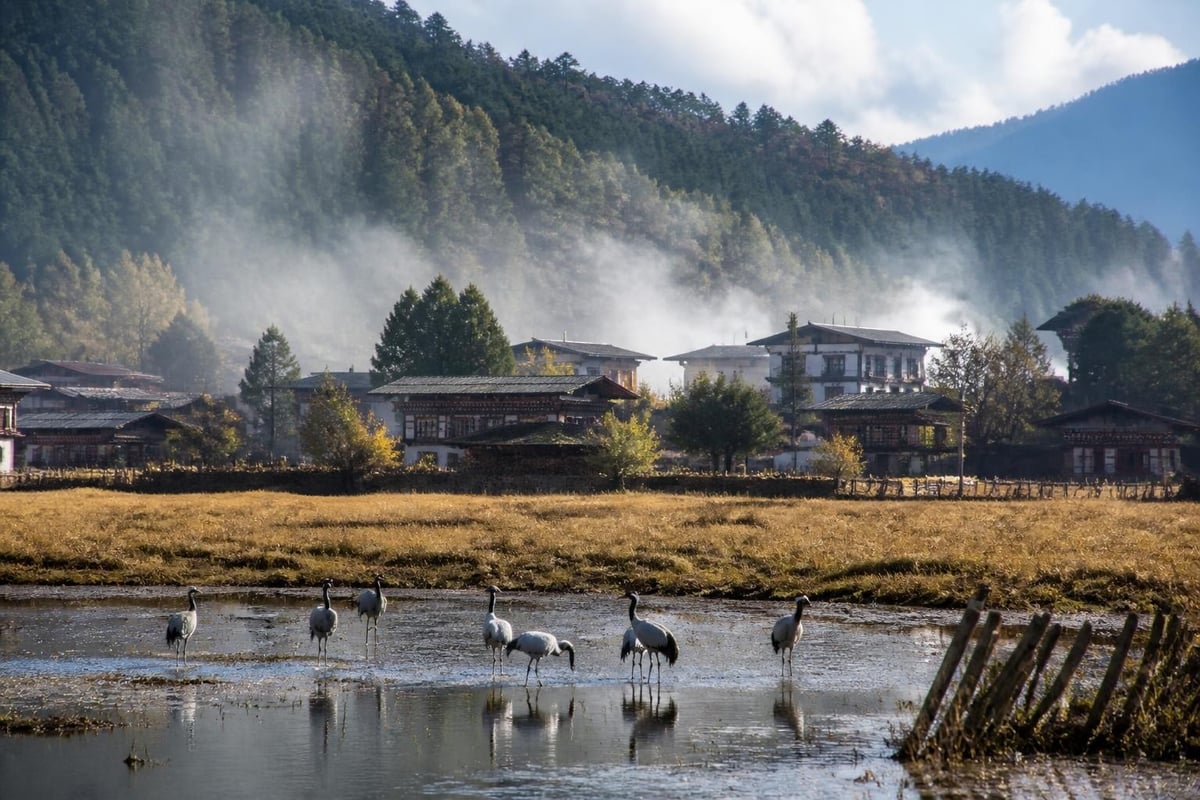
Gangtey Monastery overlooks the valley, with the Gangtey Trek connecting villages and offering panoramic views. The Black-Necked Crane Festival in November celebrates the birds’ arrival with mask dances, traditional songs, and environmental education programs.
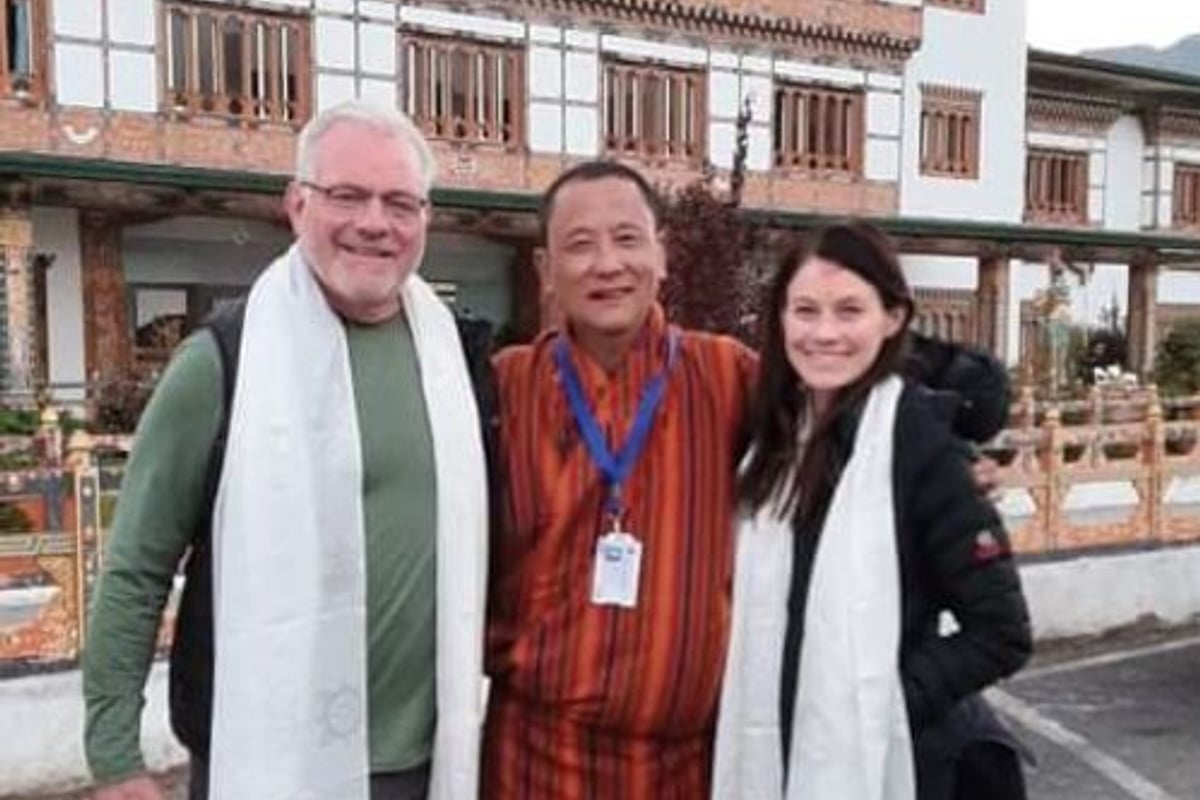
For travelers seeking deeper engagement with Bhutan’s philosophy and natural heritage, the 6 nights Western Bhutan amusement journey includes Phobjikha valley and provides opportunities to meet monks discussing happiness from a Buddhist perspective and professors explaining Gross National Happiness in practical terms.
Bumthang: Spiritual Heartland
Bumthang actually encompasses four valleys (Chumey, Choekhor, Tang, and Ura) rather than a single destination. This region contains the oldest temples in Bhutan, dating to the 7th century, and remains central to the kingdom’s Buddhist heritage.
Jambay Lhakhang stands among Bhutan’s most sacred temples, built by Tibetan King Songtsen Gampo in 659 AD as part of 108 temples constructed across the Himalayas. The annual festival here features the dramatic fire ceremony and night dances that attract devotees from across the country.
Other significant sites include:
-
Kurje Lhakhang: Three temples containing a rock with Guru Rinpoche’s body imprint
-
Tamshing Lhakhang: Founded in 1501, featuring ancient religious paintings
-
Jakar Dzong: “Castle of the White Bird,” overlooking the Choekhor valley
-
Swiss Farm: Introducing cheese-making to Bhutan in the 1960s, now a visitor attraction
The cooler climate at 2,600-2,800 meters elevation supports buckwheat, potatoes, and apples rather than rice. Traditional weaving thrives in these valleys, producing distinctive patterns and textiles unavailable elsewhere.
Eastern Bhutan: The Road Less Traveled
Eastern regions remain among the least visited tourist spots in Bhutan, despite offering authentic cultural experiences and dramatic landscapes. Eastern Bhutan requires additional travel time from the western valleys, but reveals communities maintaining traditional lifestyles with minimal tourism influence.
Trashigang and the Eastern Highway
Trashigang serves as the commercial hub for eastern districts, positioned above the Drangme Chhu river. The dzong, rebuilt in 1659, guards the strategic route connecting Bhutan with Arunachal Pradesh and historical trade networks with Tibet.
The journey along the eastern highway passes through climate zones from subtropical to alpine, crossing high passes and descending into river valleys. Road conditions vary seasonally, with monsoon rains (June-August) occasionally causing landslides that temporarily close sections.
Trashiyangtse: Artisan Center
Trashiyangtse district specializes in traditional crafts, particularly dapa (wooden bowls) and handmade paper production. The National Institute of Zorig Chusum operates a campus here training students in these specialized skills.
Chorten Kora, built in the 18th century, replicates the design of Nepal’s Boudhanath Stupa. The annual festival draws pilgrims from across eastern Bhutan and neighboring Arunachal Pradesh, creating a vibrant cultural exchange.
|
District |
Specialty |
Travel Time from Paro |
Elevation Range |
|---|---|---|---|
|
Trashigang |
Trading center, textiles |
12-14 hours |
600-3,800m |
|
Trashiyangtse |
Wooden bowls, paper |
14-16 hours |
1,500-4,000m |
|
Mongar |
Weaving, corn beer |
11-13 hours |
1,600-3,500m |
|
Lhuentse |
Ancestral home of royal family |
13-15 hours |
800-4,000m |
Seasonal Considerations for Tourist Spots in Bhutan
Timing profoundly affects which destinations provide optimal experiences. Bhutan’s climate varies dramatically by elevation and season, with monsoon patterns dominating summer months while winter brings snow to high passes.
Spring Season (March-May)
Spring emerges as the premier season for visiting most tourist spots in Bhutan. Rhododendrons bloom across mountain slopes, creating natural gardens of red, pink, and white flowers. Temperatures range from pleasant in valleys to cool at higher elevations.
Festival highlights include Paro Tsechu (typically March or April) and Punakha Drubchen/Tsechu in February or early March. These mask dance festivals attract both devotees and visitors, filling hotels months in advance.
Valley floors begin farming cycles, with plowing and planting creating activity in agricultural communities. Mountain passes reopen after winter snow, expanding trekking options including the Jomolhari Trek and Druk Path Trek.
Autumn Season (September-November)
Following monsoon rains, autumn delivers crystalline air quality and spectacular mountain views. This season rivals spring for tourism popularity, with many travelers preferring the post-harvest tranquility and clearer skies.
Black-necked cranes arrive in Phobjikha by early November, making this timing essential for wildlife enthusiasts. The crane festival celebrates their return while educating communities about conservation.
Rice harvest transforms western valleys into golden carpets, with families working collectively to bring in crops before winter. Festival season continues with numerous tshechus across different districts through November.
Winter and Summer Alternatives
Winter (December-February) reduces visitor numbers but offers advantages including lower accommodation costs and intimate festival experiences. Punakha valley remains warm and accessible, while Phobjikha hosts the black-necked cranes throughout this period.
Summer monsoon season (June-August) presents challenges with frequent rain and leeches on forest trails, but reveals verdant landscapes and fewer tourists. According to BBC Travel’s coverage, Bhutan’s approach to managing tourism maintains quality experiences even during peak seasons through its sustainable development fee system.
Cultural Etiquette and Practical Preparation
Understanding Bhutan’s customs and regulations ensures respectful engagement with communities and sacred sites. The tourist spots in Bhutan demand more than casual sightseeing; they invite participation in living cultural traditions.
Dress and Behavior Guidelines
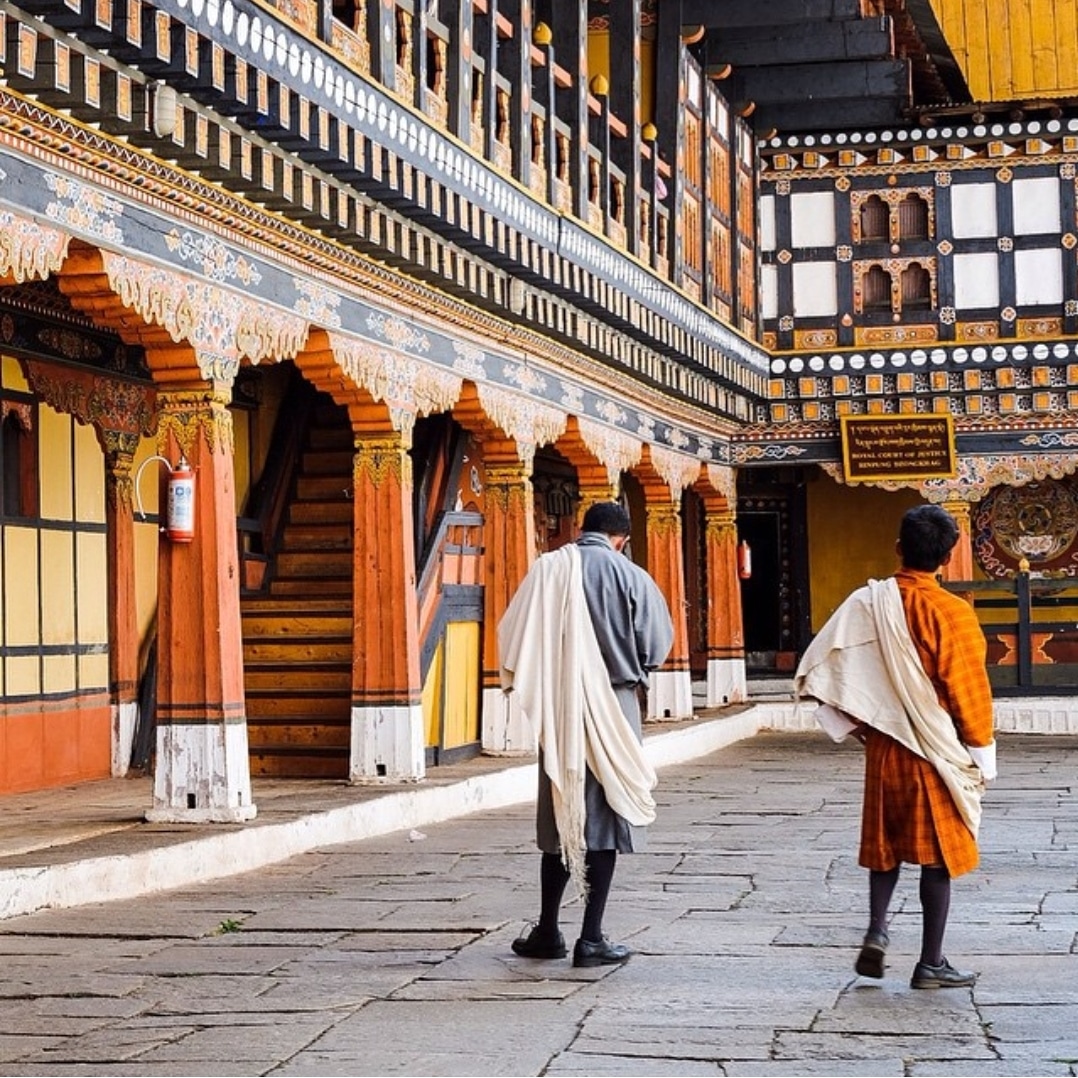
Traditional Bhutanese culture emphasizes modesty and respect, particularly at religious sites. Visitors should:
-
Remove shoes before entering temples and monasteries
-
Circumambulate stupas and prayer wheels clockwise
-
Avoid pointing feet toward religious objects or people
-
Refrain from smoking in public areas (Bhutan strictly regulates tobacco)
-
Ask permission before photographing people, especially monks
-
Dress conservatively with covered shoulders and knees at dzongs
Male visitors may be required to wear a kabney (ceremonial scarf) when entering certain administrative buildings or attending formal ceremonies. Female visitors similarly wear rachu scarves for formal occasions.
Protected Areas and Permits
Many tourist spots in Bhutan fall within protected areas requiring special permits beyond the standard tourism clearance. The Department of Forests and Park Services manages these regulations, with permits arranged through registered tour operators.
National parks and wildlife sanctuaries cover approximately 51% of Bhutan’s territory, including:
-
Jigme Dorji National Park: Contains Jomolhari base camp and high-altitude trekking routes
-
Royal Manas National Park: Tropical and subtropical biodiversity in southern foothills
-
Phobjikha Wildlife Sanctuary: Protects black-necked crane winter habitat
-
Bumdeling Wildlife Sanctuary: Eastern birding destination
Understanding Bhutan’s natural vegetation patterns across elevation zones enhances appreciation for ecological diversity encountered while traveling between tourist spots.
Working with Local Tour Operators
Bhutan requires all tourists (except citizens of India, Bangladesh, and Maldives) to book through registered tour operators. This system ensures sustainable tourism while supporting local economies and cultural preservation.
Experienced operators provide essential services including:
-
Licensed guides with deep cultural knowledge and language skills
-
Transportation through mountainous terrain requiring skilled drivers
-
Accommodation booking during high-demand festival periods
-
Permit arrangements for protected areas and special access sites
-
Cultural interpretation connecting historical context to visible architecture
The tourism policy framework maintains Bhutan’s “high value, low impact” approach, ensuring tourist spots in Bhutan remain unspoiled while providing meaningful economic benefits to communities.
Beyond Major Sites: Hidden Treasures
While iconic destinations attract deserved attention, lesser-known tourist spots in Bhutan reward travelers seeking authentic encounters away from established circuits. These locations require flexibility and additional time but reveal communities where traditional life continues largely unchanged.
Haa Valley: Western Frontier
Opened to tourists only in 2002, Haa valley maintains agricultural traditions and architectural styles distinct from other western valleys. The annual Haa Summer Festival celebrates nomadic heritage, featuring yak products, traditional sports, and local cuisine.
Three guardian temples (Lhakhang Karpo, Lhakhang Nagpo, and Lhakhang Gonpa) protect the valley, each with unique legends and artistic treasures. The valley serves as a base for Chelela Pass excursions and access to remote trekking routes.
Lhuentse: Weaving Excellence
Lhuentse district produces Bhutan’s finest textiles, particularly kishuthara patterns that require months of skilled handweaving. The ancestral home of Bhutan’s royal family, this eastern district preserves weaving traditions passed through generations.
Roadside villages display weaving on traditional backstrap looms, with women creating intricate patterns from memory. Purchasing textiles directly from weavers supports their craft while providing authentic souvenirs unavailable in commercial shops.
Mountain Biking and Alternative Activities
Beyond cultural and natural sightseeing, active travelers discover mountain biking opportunities along valley roads and agricultural tracks. The terrain challenges riders while revealing perspectives impossible from vehicle windows.
Other specialized activities include:
-
Fly fishing in pristine rivers (catch-and-release only)
-
Overnight camping experiences in designated areas
-
Photography workshops during festival seasons
-
Meditation retreats at monastic institutions
-
Traditional archery lessons with local communities
These activities complement visits to established tourist spots in Bhutan, creating multidimensional experiences engaging physical, cultural, and spiritual dimensions.
Festival Tourism and Cultural Immersion
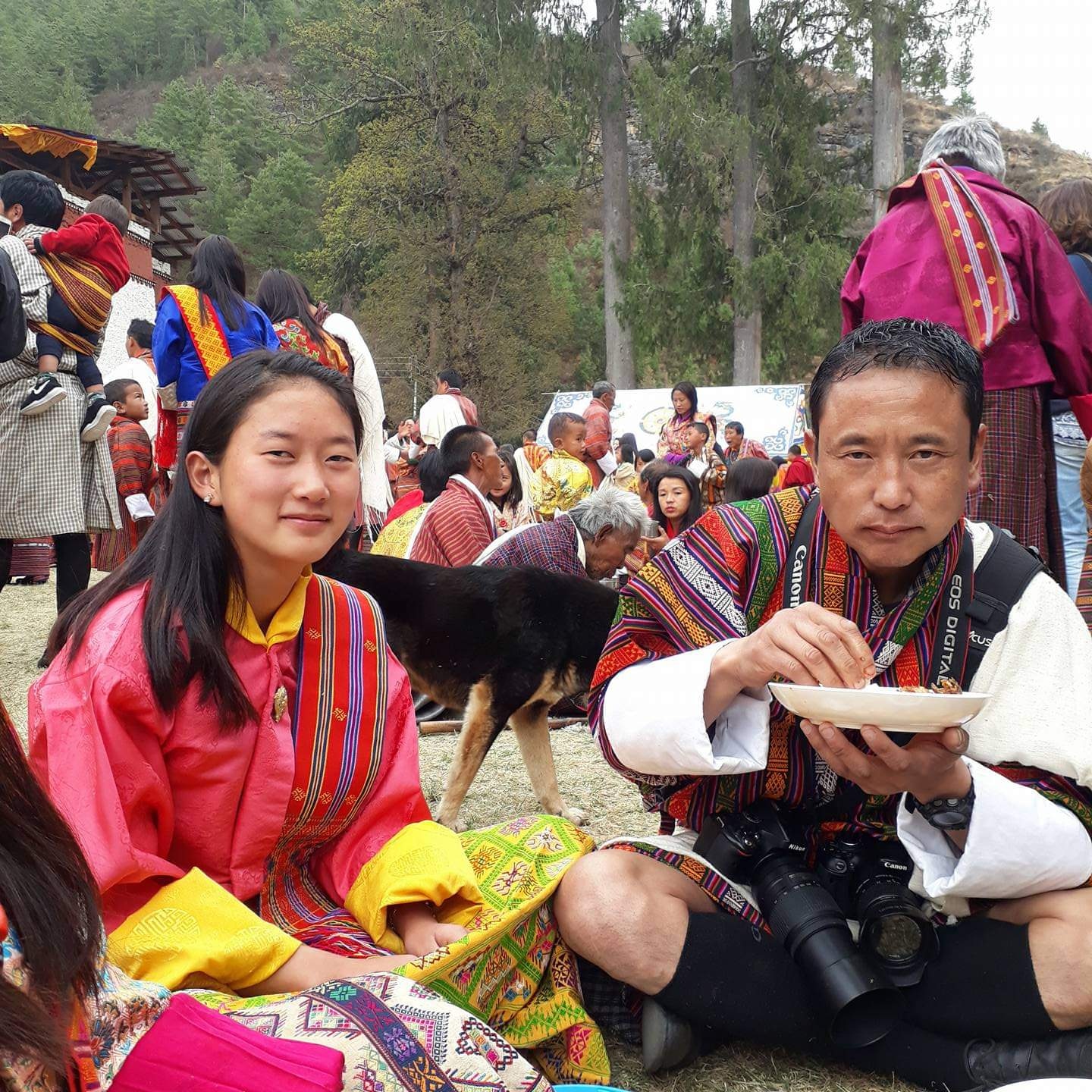
Religious festivals represent living culture rather than staged performances, making them among the most meaningful tourist spots in Bhutan despite lacking permanent physical locations. The festival calendar spans the entire year, with each district hosting annual tshechus on auspicious dates determined by the lunar calendar.
Understanding Tsechu Celebrations
Tsechu literally means “tenth day,” commemorating Guru Rinpoche’s deeds on the tenth day of lunar months. These multi-day festivals feature:
-
Cham dances: Masked dances performed by monks and laypeople depicting religious teachings
-
Atsara clowns: Sacred jesters who entertain crowds while conveying moral lessons
-
Thongdrel displays: Enormous religious tapestries unfurled before dawn on final days
-
Community gatherings: Families wearing finest traditional dress, picnicking and socializing
-
Merit-making: Devotees receive blessings, make offerings, and accumulate spiritual merit
The atmosphere combines devotion, celebration, and social connection in ways rarely experienced in other cultural contexts. International visitors observe festivals alongside Bhutanese families who travel across the country to attend particular celebrations.
Major Festival Destinations
Paro Tsechu ranks among the largest and most spectacular, typically falling in March or April. The final day’s thongdrel display at Rinpung Dzong draws thousands who believe viewing the sacred tapestry cleanses sins and brings blessings.
Punakha festivals offer intimate experiences in the stunning dzong setting, with Punakha Drubchen preceding the main tsechu and reenacting 17th-century military victories through elaborate dance dramas.
Smaller festivals in remote locations like Gangtey Tsechu or Nimalung Tsechu provide opportunities to experience celebrations without massive crowds, often including spontaneous interactions with local families.
From the dramatic monastery cliffs of Paro to the crane-filled wetlands of Phobjikha, tourist spots in Bhutan offer experiences that transcend conventional sightseeing by connecting visitors with living culture, pristine nature, and spiritual traditions maintained across centuries. Whether your interests focus on architecture, wildlife, festivals, or simply experiencing a society organized around collective happiness rather than GDP growth, Bhutan’s destinations deliver authenticity increasingly rare in modern travel. Bhutan Personal Tours and Treks specializes in crafting personalized itineraries that match your specific interests and pace, taking one group at a time to ensure the personal attention and expert connections that transform a trip into a meaningful journey through the Land of the Thunder Dragon.