
Searching for "tour guide near me" has become the gateway to discovering authentic, personalized travel experiences that transform ordinary trips into extraordinary journeys. Whether you're planning a weekend getaway or an international adventure, the right guide can unlock hidden stories, navigate cultural nuances, and ensure your safety while revealing the heart of a destination. In 2026, travelers increasingly recognize that professional guides offer far more than directional assistance-they serve as cultural interpreters, safety experts, and storytellers who bring destinations to life in ways no app or guidebook can replicate.
Understanding the Role of Professional Tour Guides
Professional tour guides serve multiple essential functions that extend far beyond simply showing visitors around. They act as educators, cultural ambassadors, safety coordinators, and logistical experts who ensure every aspect of your journey unfolds smoothly.
What Makes a Guide Truly Professional
When you search "tour guide near me," you're looking for someone who combines extensive local knowledge with formal training and genuine passion for their region. The World Federation of Tourist Guide Associations outlines professional standards that qualified guides should meet, including ethical conduct, accuracy of information, and commitment to sustainable tourism practices.
Key qualifications to seek include:
- Formal training in interpretation and guiding techniques
- First aid and emergency response certification
- Deep knowledge of local history, culture, and ecology
- Language proficiency appropriate to your needs
- Legal permits and insurance coverage
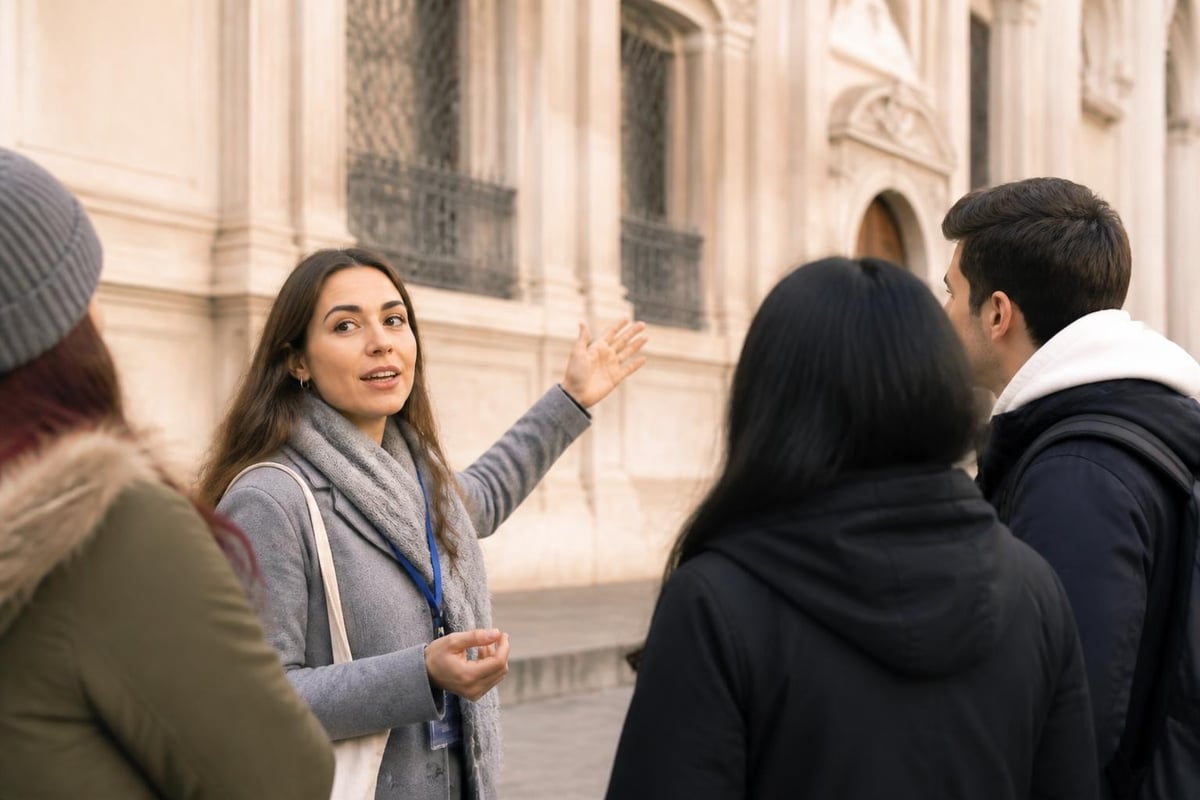
Professional guides invest years developing their expertise. Many complete rigorous certification programs that test their knowledge, communication skills, and ability to manage groups safely. According to WFTGA’s training standards, recognized programs incorporate international standards (EN/ISO) that ensure guides meet consistent quality benchmarks across regions.
The Value of Local Expertise
Local guides possess irreplaceable knowledge accumulated through years of living, studying, and working in their regions. They understand seasonal patterns, know which experiences happen when, and maintain relationships with local artisans, restaurant owners, and community members who enrich your journey.
This insider perspective proves particularly valuable in destinations with complex cultural protocols or conservation regulations. In protected areas, for instance, guides must often hold special permits-as evidenced by National Park Service commercial use requirements-ensuring they operate legally and responsibly within sensitive ecosystems.
How to Find Quality Tour Guides in Your Area
The digital age has transformed how travelers connect with guides, but distinguishing exceptional guides from merely adequate ones requires knowing where to look and what questions to ask.
Online Platforms and Certification Bodies
Start your search through reputable channels that verify credentials:
- Official tourism boards in your destination often maintain registries of licensed guides
- Professional associations like the Institute of Tourist Guiding provide directories of certified members
- Specialized tour operators who employ guides meeting rigorous internal standards
- Community-based tourism networks that connect you with local guides in UNESCO-recognized tourism villages
When searching "tour guide near me" online, prioritize guides with verified reviews, professional websites, and clear credentials. Many small group tour companies maintain rosters of exceptional guides who undergo regular training and quality assessments.
Evaluating Guide Credentials and Experience
Not all guides offer the same depth of expertise. Create a comparison framework:
| Credential Type | What It Indicates | Questions to Ask |
|---|---|---|
| National/Regional Certification | Met government-mandated standards | Which certification body? Year obtained? |
| Specialized Training | Expertise in specific areas (birding, archaeology, etc.) | What specializations? Ongoing education? |
| Language Skills | Communication abilities | Proficiency level? Native or learned? |
| Years of Experience | Depth of practical knowledge | How long guiding? Full-time or part-time? |
| Insurance & Permits | Legal operation and liability coverage | Current permits? Liability insurance? |
Request references from previous clients, particularly those with similar interests or travel styles. Exceptional guides willingly share testimonials and can describe how they customize experiences based on client preferences.
Understanding Different Guide Specializations
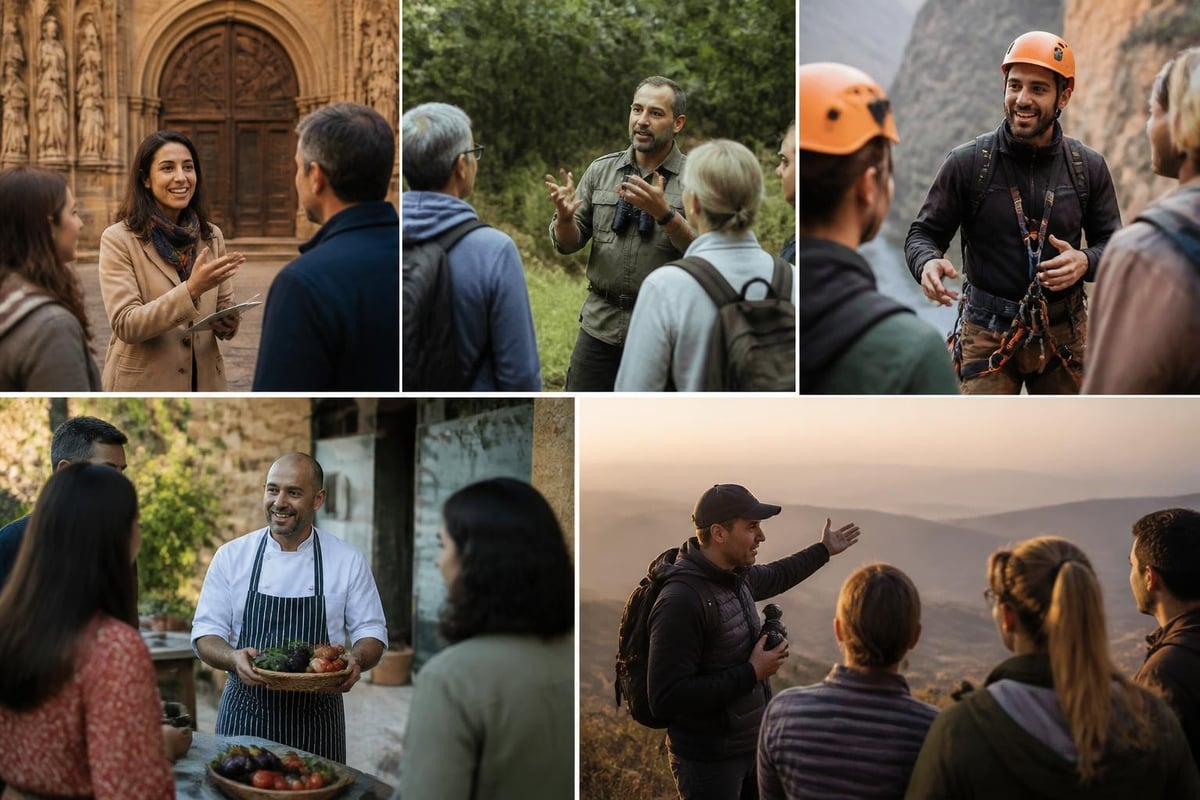
Tour guides develop expertise across various niches:
- Cultural heritage guides excel at interpreting historical sites, traditions, and living cultures
- Nature and wildlife guides possess deep ecological knowledge and field identification skills
- Adventure guides combine outdoor technical skills with safety certifications
- Culinary guides navigate food scenes, markets, and authentic dining experiences
- Photography guides understand composition, lighting, and accessing optimal vantage points
Match your guide's specialization to your travel priorities. A birding enthusiast needs different expertise than someone focused on architectural history or spiritual traditions.
What to Expect from Your Tour Guide Experience
Understanding what professional guides deliver helps you maximize the value of your investment and ensures realistic expectations.
Personalized Itinerary Development
Exceptional guides don't simply follow predetermined routes. They engage in detailed pre-trip consultations to understand your interests, physical capabilities, dietary requirements, and travel goals. This collaborative planning process creates itineraries that reflect your unique preferences rather than generic tourist circuits.
For travelers seeking immersive cultural experiences, guides like those at Bhutan Personal Tours and Treks demonstrate this personalized approach by taking one group at a time, ensuring undivided attention and opportunities to connect with local experts on specialized subjects. When exploring destinations rich in intangible cultural heritage, this individualized attention becomes particularly valuable for meaningful cultural engagement.
Safety, Logistics, and Problem-Solving
Professional guides serve as your on-ground safety net and logistical coordinator:
- Risk assessment and mitigation in unfamiliar environments
- Navigation through complex transportation systems
- Communication with local service providers in native languages
- Emergency response when unexpected situations arise
- Cultural mediation to avoid misunderstandings or offensive behavior
They monitor weather conditions, crowd patterns, and local events that might affect your plans, adjusting schedules proactively rather than reactively. This expertise proves especially valuable in remote regions or destinations with limited infrastructure.
Cultural Interpretation and Storytelling
The most memorable guides transform facts into narratives that resonate emotionally and intellectually. They explain not just what you're seeing but why it matters-connecting historical events to contemporary life, revealing symbolic meanings in architecture or art, and sharing personal stories that humanize abstract concepts.
UNESCO’s guidance on intangible heritage and tourism emphasizes the critical role guides play in respectful cultural transmission, ensuring tourism supports rather than exploits local communities. Quality guides facilitate authentic encounters while maintaining appropriate boundaries and ethical practices.
Maximizing Your Tour Guide Investment
Getting the most value from professional guiding services requires active participation and clear communication throughout the process.
Pre-Trip Communication Strategies
Before your journey begins:
- Share detailed interests and expectations beyond basic demographics
- Discuss physical limitations honestly to ensure appropriate pacing
- Communicate dietary restrictions or allergies well in advance
- Express photography priorities if capturing images is important
- Clarify budget parameters for meals, entrance fees, and optional activities
Transparent communication prevents disappointment and allows guides to curate experiences that truly match your vision. When researching travel companies, note which operators emphasize this consultative approach in their service descriptions.
During Your Tour: Engagement Best Practices
Active participation enhances your experience dramatically:
- Ask questions freely-guides appreciate curious, engaged travelers
- Share feedback in real-time if pacing feels too fast or slow
- Respect local customs your guide explains, even if unfamiliar
- Stay present rather than constantly photographing
- Trust your guide's expertise regarding timing, sequencing, and duration
The relationship between guide and traveler works best as a collaboration. Guides bring knowledge and access; you bring curiosity and openness to new perspectives.
Budget Considerations and Value Assessment
Tour guide fees vary significantly based on credentials, specialization, and market dynamics. Understanding pricing structures helps you budget appropriately:
| Service Level | Typical Characteristics | Best For |
|---|---|---|
| Group Tour Guide | Shares attention among 10-30 people, fixed itinerary | Budget-conscious travelers comfortable with structured schedules |
| Small Group Guide | 4-8 people, some customization possible | Balanced approach between cost and personalization |
| Private Guide | Exclusive attention, fully customized | Travelers prioritizing flexibility and intimate experiences |
| Specialist Guide | Expert in niche subject (archaeology, birding, etc.) | Enthusiasts seeking deep knowledge in specific areas |
Remember that guide fees represent only one component of total tour costs. Entrance fees, transportation, meals, and accommodations add substantially to the bottom line. Request detailed breakdowns to understand what's included versus additional costs.
Regional Considerations When Searching "Tour Guide Near Me"
Different destinations present unique factors affecting guide selection and expectations.
Guides in Protected Natural Areas
National parks, wildlife reserves, and conservation areas often mandate guides for visitor access. These regulations protect both ecosystems and visitor safety while ensuring guides possess specialized knowledge about flora, fauna, and conservation efforts.
Research on Indigenous interpretation in protected areas demonstrates how local and Indigenous guides provide irreplaceable perspectives on landscape relationships, traditional ecological knowledge, and sustainable interaction with nature. When exploring regions like Bhutan’s diverse natural vegetation, guides with deep environmental expertise enhance appreciation and ensure responsible visitation.
Urban Versus Rural Guiding
City guides and rural guides develop distinctly different skill sets:
Urban guides excel at:
- Navigating complex public transportation
- Accessing hidden neighborhoods and local hotspots
- Explaining layered historical periods visible in architecture
- Managing restaurant reservations and cultural event tickets
Rural and wilderness guides specialize in:
- Reading natural environments and weather patterns
- Wildlife tracking and behavior interpretation
- Wilderness safety and low-impact camping techniques
- Traditional cultural practices in remote communities
When planning trips that span both environments, consider whether one guide possesses expertise across settings or if different guides better serve each component.
Cultural Destinations and Living Heritage
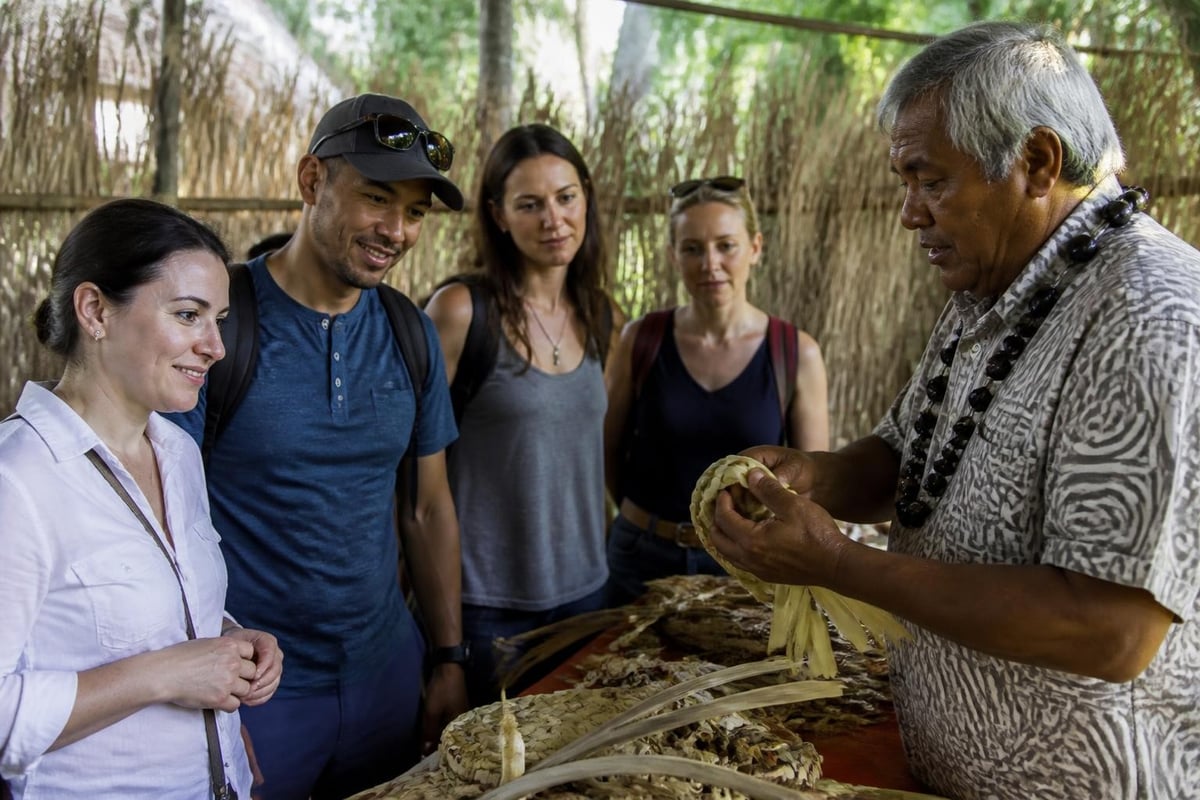
Destinations where cultural traditions remain vibrant require guides who balance education with cultural sensitivity. The best guides facilitate respectful encounters between visitors and local communities, explaining appropriate behavior, photography restrictions, and meaningful ways to support traditional practitioners.
For instance, when visiting festival celebrations in Bhutan, guides interpret the spiritual significance of ritual dances, explain symbolic elements in costumes and masks, and position visitors for optimal viewing while maintaining respectful distance during sacred moments. This nuanced facilitation requires years of cultural immersion beyond academic study.
Long-Term Relationships with Trusted Guides
Many travelers develop ongoing relationships with exceptional guides, returning repeatedly or recommending them to friends and family.
Benefits of Guide Continuity
Working with the same guide across multiple visits offers distinct advantages:
- Deepening knowledge as guides build on previous trips' foundations
- Refined personalization based on observed preferences and feedback
- Access to new experiences as guides unveil previously unshared locations
- Friendship and trust that enrich the travel experience emotionally
- Supporting sustainable livelihoods through consistent employment
This continuity model works particularly well in complex destinations that reward multiple visits, each exploring different regions, seasons, or themes. A guide who understands your travel style can design progressively sophisticated itineraries that satisfy returning visitors.
Supporting Local Guide Communities
Choosing local guides over imported ones contributes meaningfully to destination communities. Your guide fees circulate within the local economy, supporting families and incentivizing young people to pursue guiding careers that preserve traditional knowledge.
Community-based tourism initiatives, like those highlighted in UNWTO tourism village programs, demonstrate how guide employment sustains cultural traditions while providing economic alternatives to environmentally destructive industries. Your choice of guide carries economic, social, and cultural implications beyond your immediate experience.
Providing Meaningful Feedback
After your journey concludes, thoughtful feedback helps guides refine their services and builds their professional reputation:
- Write detailed online reviews on platforms where future travelers search
- Provide private constructive criticism if issues arose, allowing guides to improve
- Share specific highlights that were particularly memorable or valuable
- Recommend to friends and colleagues when appropriate
- Stay connected through social media or occasional messages
Many exceptional guides operate independently or through small operations where word-of-mouth recommendations prove vital to sustainable business development. Your feedback and referrals directly impact their livelihoods.
Technology and the Future of Tour Guiding
Digital tools complement rather than replace human guides, offering enhanced experiences when thoughtfully integrated.
Digital Tools That Enhance Guided Experiences
Progressive guides leverage technology to deepen engagement:
- GPS tracking shares exact routes and waypoints for hiking or multi-day journeys
- Translation apps facilitate conversations with local artisans or hosts
- Photography apps help travelers improve their shots with composition guidance
- Species identification tools enhance wildlife and botanical interpretation
- Augmented reality overlays historical reconstructions on contemporary ruins
These tools amplify guide expertise rather than substituting for it. The human interpretation, storytelling, and adaptive responsiveness remain irreplaceable even as technology expands what's possible.
Virtual Pre-Trip Consultations
In 2026, many guides offer video consultations before travel begins, allowing face-to-face discussion of itinerary options, questions about destinations, and relationship-building before you meet in person. This virtual connection reduces anxiety, clarifies expectations, and ensures optimal use of limited on-ground time.
For international destinations, virtual planning sessions prove particularly valuable. Discussing 5-day itinerary options via video helps travelers understand day-to-day pacing, accommodation standards, and activity requirements more clearly than written descriptions alone.
The Irreplaceable Human Element
Despite technological advancement, certain guide functions remain uniquely human:
- Emotional intelligence that reads group dynamics and adjusts accordingly
- Spontaneous adaptation when weather, crowds, or opportunities shift
- Cultural mediation in sensitive or complex social situations
- Storytelling artistry that makes history and culture emotionally resonant
- Personal connection that transforms guides into friends and cultural bridges
The best travel experiences blend technology's efficiency with humanity's warmth, creativity, and adaptability. Searching "tour guide near me" connects you with professionals who master this integration.
Specialized Guide Services for Unique Interests
Niche interests require specialized guide expertise developed through years of focused study and practice.
Adventure and Technical Guiding
Outdoor adventures demand guides with technical certifications beyond cultural or historical knowledge:
- Mountaineering guides hold climbing certifications and rescue training
- Whitewater guides possess swiftwater rescue credentials
- Cycling guides understand bike mechanics and route planning
- Diving guides carry dive master or instructor certifications
When searching for adventure guides, verify they hold current certifications from recognized organizations and carry appropriate insurance. Request incident response protocols and understand evacuation procedures before committing to challenging expeditions.
For trekking in regions like Bhutan’s Himalayas, guides need altitude acclimatization knowledge, weather pattern expertise, and relationships with remote villages along trekking routes to ensure safe, comfortable journeys.
Food and Culinary Exploration
Culinary guides navigate food scenes with expertise spanning:
- Restaurant relationships that secure reservations and chef interactions
- Market knowledge for seasonal ingredients and vendor stories
- Dietary accommodation for allergies, religious requirements, or preferences
- Food safety in regions where standards differ from travelers' home countries
- Cooking technique explanation during demonstration classes or home visits
Quality food guides transform meals into cultural education, explaining ingredient origins, preparation traditions, and dishes' roles in social and religious life.
Photography and Creative Journeys
Photography-focused guides combine location knowledge with technical expertise:
- Optimal timing for light conditions at specific locations
- Permits and access to restricted viewpoints or private properties
- Cultural sensitivity regarding photography of people and sacred sites
- Technical guidance on camera settings for challenging conditions
- Composition coaching to improve travelers' photography skills
These specialists understand that photography-focused travelers move at different paces, requiring extended time at fewer locations rather than rapid site-hopping.
Finding the right tour guide transforms travel from sightseeing into genuine cultural immersion and personal growth. Whether you're searching "tour guide near me" for a local weekend adventure or planning an international journey, prioritizing professional credentials, cultural expertise, and personalized service ensures meaningful experiences that respect both travelers and host communities. Bhutan Personal Tours and Treks exemplifies this approach through individualized attention, deep cultural knowledge accumulated since 2002, and commitment to authentic engagement that reveals Bhutan's beauty and wisdom. Discover how personalized guiding can transform your next adventure into an unforgettable journey of connection and discovery.