
A 5 day trip represents the ideal balance between meaningful travel and practical constraints. This duration provides enough time to immerse yourself in a destination's culture, explore key attractions, and establish a genuine connection with a place without requiring extended leave from work or substantial financial investment. Whether you're considering a journey to the Himalayas or exploring closer destinations, understanding how to maximize five days transforms a short getaway into a transformative experience that stays with you long after you return home.
Strategic Planning for Your 5 Day Trip
The foundation of any successful 5 day trip lies in thoughtful preparation. Unlike longer journeys where you can afford spontaneity, a five-day window demands precision without sacrificing flexibility. Start by defining your primary objective, whether that's cultural immersion, adventure activities, relaxation, or a combination of experiences.
Research should begin at least two months in advance. The CDC’s pre-travel checklist provides essential health guidance, particularly for international destinations. Understanding vaccination requirements, travel advisories, and health precautions prevents last-minute complications that could derail your plans.
Budget allocation for a 5 day trip typically breaks down as follows:
| Category | Percentage | Purpose |
|---|---|---|
| Accommodation | 30-35% | Quality lodging in strategic locations |
| Experiences | 25-30% | Guided tours, entrance fees, activities |
| Transportation | 20-25% | Flights, local transfers, internal travel |
| Meals | 15-20% | Dining experiences, local cuisine |
| Contingency | 5-10% | Unexpected opportunities or emergencies |
When selecting your destination, consider travel time carefully. If your 5 day trip requires more than eight hours of transit each way, you're effectively reducing your experience to three days. Choose destinations that maximize ground time while minimizing travel fatigue.
Crafting the Perfect Itinerary
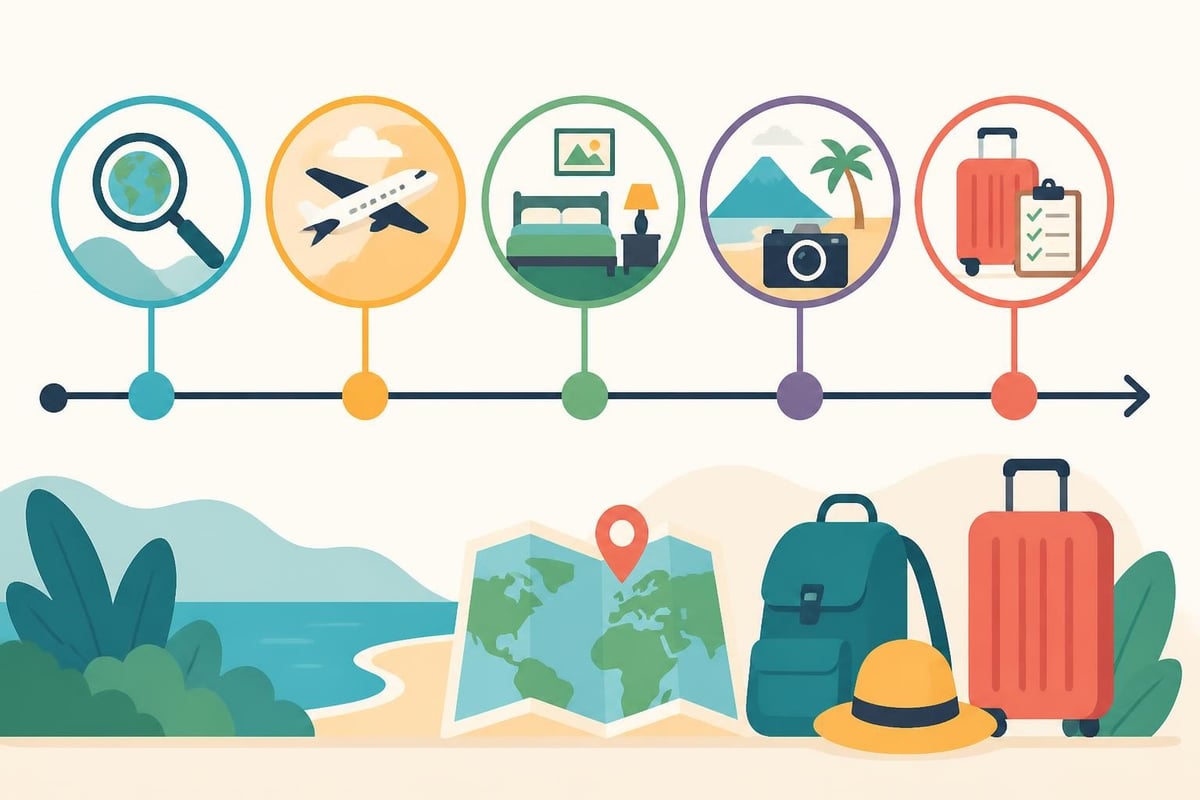
A well-designed 5 day trip itinerary balances structure with spontaneity. Over-scheduling leads to exhaustion, while under-planning wastes precious time. The optimal approach dedicates roughly 60 percent of your time to planned activities and reserves 40 percent for exploration, rest, and unexpected discoveries.
Day-by-day framework for maximum effectiveness:
- Day One: Arrival, orientation, light exploration of your base location
- Day Two: Primary cultural or adventure experience, early start
- Day Three: Secondary major activity, balance with local interaction
- Day Four: Flexible day for deeper exploration or spontaneous opportunities
- Day Five: Morning reflection activity, departure preparation, transit
Geographic clustering prevents time waste. Plan activities within the same region or valley for consecutive days rather than crisscrossing your destination. This approach particularly matters in mountainous regions where travel between locations consumes significant time.
For those drawn to authentic Himalayan culture, understanding Bhutan’s unique tourism approach reveals how intentional travel design preserves both visitor experience and local culture. The country's model demonstrates that quality trumps quantity, even within a compressed timeframe.
Packing Essentials and Travel Logistics
Smart packing transforms your 5 day trip from stressful to seamless. The goal is carrying everything you need while maintaining mobility and avoiding checked baggage fees. A carry-on strategy keeps you agile, eliminates lost luggage risk, and saves time at airports.
The Minimalist Packing Formula
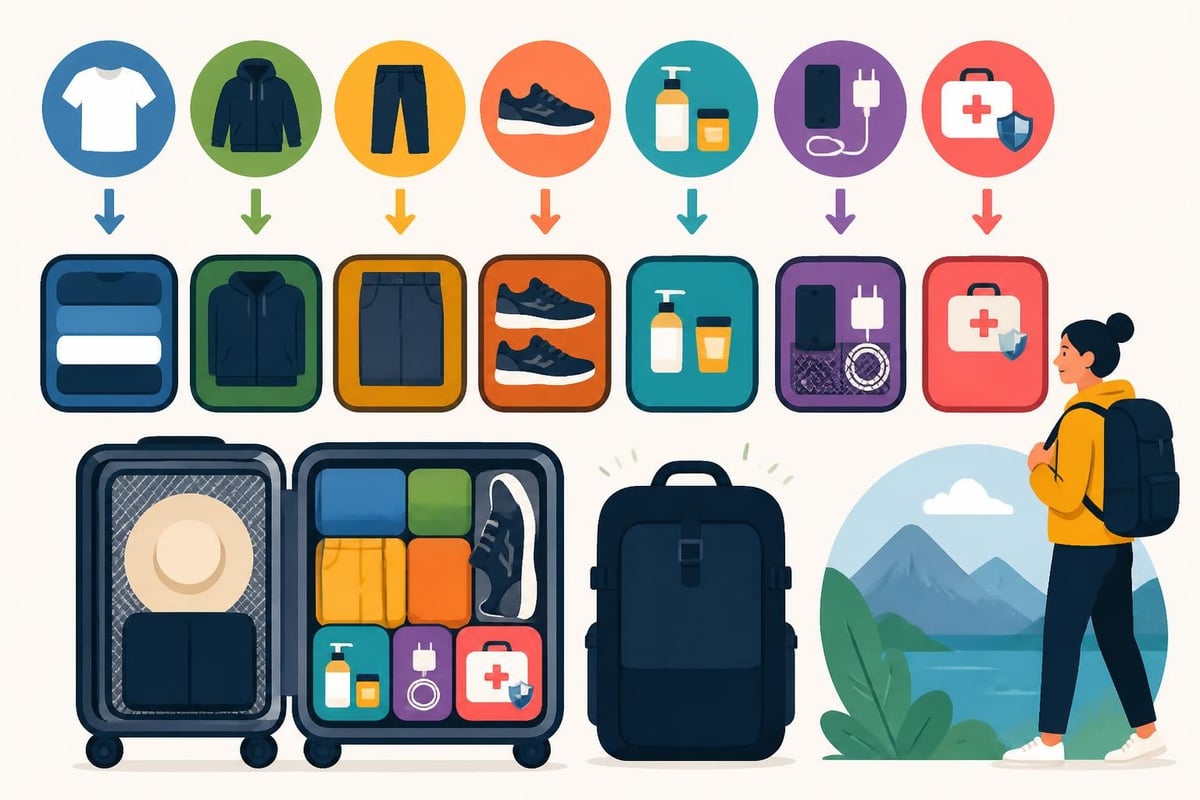
Base your packing list on the 5-4-3-2-1 principle: five tops, four bottoms, three pairs of shoes, two accessories, and one jacket. This formula covers various weather conditions and social situations while fitting comfortably in a standard carry-on bag.
Layer strategically rather than packing bulky items. A merino wool base layer, mid-weight fleece, and weatherproof shell provide versatility for temperature ranges from 40 to 75 degrees Fahrenheit. These three pieces occupy less space than a single heavy coat while offering superior adaptability.
The TSA’s comprehensive packing guide clarifies what travels in carry-on versus checked luggage. Familiarize yourself with liquid restrictions well before your 5 day trip to avoid security delays or abandoned items.
Essential categories for any 5 day trip:
- Technology: Phone, charger, power bank, universal adapter, camera
- Documents: Passport, visa copies, insurance cards, accommodation confirmations
- Health: Prescription medications, first aid basics, hand sanitizer, masks
- Comfort: Reusable water bottle, packable daypack, quick-dry towel, earplugs
- Climate-specific: Sunscreen and hat for warm destinations, thermal layers for cold regions
Rolling clothes rather than folding maximizes space and minimizes wrinkles. Packing cubes organize items by category, compress volume, and simplify daily access without unpacking completely.
Cultural Immersion in Limited Time
The difference between a forgettable 5 day trip and a transformative journey often lies in the depth of cultural engagement. Superficial tourism skims surfaces; intentional immersion creates lasting understanding and connection.
Advance research enables meaningful interaction. Learn basic phrases in the local language, understand cultural etiquette, and identify customs that affect daily interactions. This preparation demonstrates respect and opens doors that remain closed to less-informed visitors.
Meaningful Experiences Over Checkbox Tourism
Rather than racing through twenty attractions, invest time in fewer experiences with greater depth. Spending three hours at a monastery, conversing with monks about their daily practice and philosophy, creates memories and insights that visiting ten temples in a day cannot match.
Meals offer exceptional cultural windows. Skip tourist restaurants in favor of local establishments where residents actually eat. Markets, street food vendors, and family-run cafes provide authentic flavors alongside opportunities to observe daily life and interact with community members.
For travelers seeking genuine cultural connection, exploring Bhutan’s approach to Gross National Happiness illustrates how a nation's values shape every aspect of visitor experience, from architecture to interpersonal interactions.
Strategies for cultural depth during your 5 day trip:
- Schedule one meal with local hosts or guides who can explain cultural context
- Attend a religious service, ceremony, or festival if timing permits
- Visit working sites (farms, workshops, markets) rather than only tourist attractions
- Hire local guides who share personal stories and family histories
- Participate in traditional activities rather than only observing them
The Lonely Planet’s curated itineraries demonstrate how travelers balance must-see landmarks with authentic local experiences across various destinations and trip lengths.
Maximizing Adventure and Activities
A 5 day trip offers sufficient time for substantial adventure activities while maintaining safety and enjoyment. The key is selecting experiences that match your fitness level and interests while allowing adequate recovery time.
Balancing Intensity with Recovery
Physical activities demand more than time on the trail or mountain. Factor in preparation time, travel to starting points, post-activity recovery, and energy levels for subsequent days. A demanding trek on day two affects your capacity for day three and four activities.
Activity intensity planning matrix:
| Day | Intensity Level | Activity Type | Recovery Need |
|---|---|---|---|
| 1 | Light | Arrival, orientation walk | Low |
| 2 | High | Major trek or adventure | High |
| 3 | Moderate | Cultural touring, light hiking | Medium |
| 4 | Variable | Flexible based on recovery | Medium |
| 5 | Light | Reflection, preparation, departure | Low |
For those considering trekking during their 5 day trip, destinations like Western Bhutan offer varied trails from gentle valley walks to challenging mountain routes, allowing customization based on time and ability.
Acclimatization matters, especially at elevation. Even a 5 day trip allows basic adjustment if you start lower and progress to higher altitudes gradually. Rushing to high-elevation activities on day one risks altitude sickness that could compromise your entire journey.
Financial Planning and Value Optimization
Effective budget management ensures your 5 day trip delivers maximum value without financial stress. The Consumer Reports guide to DIY travel planning offers practical strategies for booking and managing expenses while protecting your investment.
Strategic Booking Timing
Flight prices for a 5 day trip typically reach optimal rates 6 to 8 weeks before departure for domestic travel and 10 to 14 weeks for international journeys. Accommodation pricing varies by destination, but booking 4 to 6 weeks out balances availability with competitive rates.
Avoid weekend departures when possible. Tuesday through Thursday flights generally cost 15 to 20 percent less than Friday through Monday options. This savings applies to both directions of your 5 day trip, potentially reducing total airfare by hundreds of dollars.
Cost-saving strategies without sacrificing experience:
- Book accommodation with breakfast included to reduce daily meal expenses
- Use local transportation (buses, shared vans) instead of private transfers
- Visit free attractions (temples, markets, natural sites) interspersed with paid experiences
- Travel during shoulder season when rates drop but weather remains favorable
- Consider group tours for specific activities where individual rates prove prohibitive
All-inclusive packages sometimes offer value for a 5 day trip, particularly when they include guides, transportation, meals, and activities. Compare itemized independent costs against package pricing to determine actual savings. Factor in the convenience value of pre-arranged logistics when evaluating options.
For travelers interested in the Himalayan region, the 6 nights Western Bhutan amusement demonstrates how a slightly extended timeline allows deeper exploration of valleys, monasteries, and cultural experiences while maintaining manageable pacing. This type of structured journey removes logistical stress, allowing complete focus on cultural immersion and meaningful engagement.
Safety, Health, and Risk Management
Protecting your wellbeing during a 5 day trip requires advance preparation and ongoing awareness. Medical emergencies, theft, or natural events can derail travel, but proper planning mitigates most risks.
Pre-Departure Health Preparation
Schedule a travel health consultation 4 to 6 weeks before your 5 day trip. This timing allows for vaccinations that require multiple doses or need time to become effective. Discuss malaria prophylaxis, altitude sickness prevention, and traveler's diarrhea management based on your specific destination.
Pack medications in original containers with prescription labels. Carry a written list of generic drug names in case you need refills abroad. Include over-the-counter remedies for common issues: pain relievers, antihistamines, anti-diarrheal medication, and motion sickness prevention.
Essential safety practices for any 5 day trip:
- Register with your embassy's travel notification system
- Share detailed itineraries with family or friends
- Store digital copies of documents in cloud storage
- Research local emergency numbers and hospital locations
- Understand your health insurance coverage abroad
- Carry appropriate travel insurance for your activities
Travel insurance makes particular sense for international 5 day trips involving adventure activities, expensive bookings, or destinations with limited medical facilities. Policies covering medical evacuation, trip interruption, and lost belongings provide peace of mind that justifies modest premiums.
Sustainable and Responsible Travel Practices
A 5 day trip can honor local communities and environments through conscious choices. Sustainable travel isn't about perfection but rather about minimizing negative impacts while maximizing benefits to host destinations.
Supporting Local Economies
Direct spending with locally-owned businesses keeps tourism revenue within communities. Choose family-run guesthouses over international hotel chains, eat at restaurants owned by residents, and purchase crafts directly from artisans rather than through intermediary shops.
Hire local guides who share cultural knowledge while earning fair wages. These experts provide insights that transform sightseeing into meaningful learning while supporting families and preserving traditional knowledge systems. When exploring festivals in Bhutan, for example, knowledgeable guides explain religious significance and cultural context that would otherwise remain mysterious.
Environmental consciousness during your 5 day trip includes several practical actions. Carry reusable water bottles rather than purchasing plastic bottles daily. Select accommodations with strong environmental practices. Use refillable toiletries instead of hotel miniatures. Participate in activities that don't damage natural resources or disturb wildlife.
Responsible traveler checklist:
- Research cultural norms before visiting religious or sacred sites
- Ask permission before photographing people, especially in traditional communities
- Respect wildlife by maintaining appropriate distances and avoiding feeding
- Remove all trash from natural areas, even biodegradable waste
- Support conservation projects or community initiatives through visits or donations
Cultural sensitivity means adapting your behavior to local customs rather than expecting destinations to accommodate your preferences. Dress modestly in conservative regions, observe quiet hours in residential areas, and follow local etiquette in restaurants and public spaces.
Technology and Connectivity Strategies
Managing technology during a 5 day trip balances staying connected with being present. Digital tools enhance travel through navigation, translation, and documentation, but constant connectivity diminishes immersion and experience quality.
Essential Apps and Tools
Download offline maps for your destination before departure. Google Maps allows saving specific areas for offline access, while Maps.me provides detailed topographic information useful for hiking. These tools function without cellular data, eliminating roaming charges and ensuring navigation in remote areas.
Translation apps bridge language gaps effectively. Google Translate's camera function translates signs and menus in real time, while conversation mode facilitates basic dialogue with locals. Download language packs before your 5 day trip for offline functionality.
Digital preparation checklist:
- Enable international data roaming or purchase local SIM card information
- Download banking apps for fee-free international ATM locations
- Install emergency apps (embassy contacts, local emergency services)
- Save confirmation emails offline for accommodation and activities
- Set up automatic photo backup to cloud storage
Consider designating specific times for checking email and social media rather than remaining constantly connected. Morning and evening digital sessions allow you to share experiences and handle necessary communication while preserving daytime presence for actual travel engagement.
Returning Home: Reflection and Integration
The final component of a successful 5 day trip involves processing and integrating experiences after returning home. This reflection transforms travel from mere escape into catalyst for growth, perspective, and lasting change.
Set aside time within a week of returning to review photos, journal entries, and memories while details remain fresh. This practice solidifies learning and emotional connections before daily routines dilute travel experiences.
Share stories selectively with people genuinely interested in meaningful travel narratives rather than broadcasting surface-level highlights. Deep conversations about cultural insights, personal challenges, or transformative moments honor your journey more authentically than social media posts to audiences seeking entertainment.
Consider how travel experiences might influence daily life. Did your 5 day trip reveal interests worth pursuing further? Did cultural encounters challenge assumptions or inspire behavioral changes? Did physical activities demonstrate capabilities you want to develop? Integration means allowing travel to reshape routines, not merely providing temporary escape from them.
Post-trip practices for lasting impact:
- Write thank-you notes to guides, hosts, or locals who enhanced your journey
- Research follow-up learning about your destination's history, culture, or current events
- Maintain connections with travelers or locals met during your trip
- Support organizations working in your destination through donations or advocacy
- Begin planning your next journey with lessons learned from this experience
A thoughtfully planned 5 day trip offers remarkable opportunities for cultural immersion, personal growth, and meaningful adventure. By focusing on strategic preparation, intentional pacing, and genuine engagement rather than exhaustive checklists, you create travel experiences that resonate far beyond five days. Bhutan Personal Tours and Treks specializes in designing personalized journeys that maximize cultural depth and authentic connection within your available timeframe, ensuring every moment contributes to transformative travel that stays with you long after you return home.