
The modern traveler seeks more than Instagram-worthy backdrops and stamped passports. In 2026, the shift toward experiential travel has fundamentally redefined what it means to truly visit a destination. An experience trip prioritizes depth over breadth, transformation over transaction, and meaningful engagement over passive observation. This approach to travel creates lasting memories through authentic cultural exchanges, hands-on activities, and personal connections that surface destinations reveal rarely to casual tourists. Understanding how to design and participate in these immersive journeys unlocks opportunities for both travelers and tour operators to create profound, life-changing adventures.
The Fundamental Principles of Experience Travel
An experience trip operates on distinct principles that separate it from conventional tourism. Rather than following predetermined tourist circuits, experiential journeys center on active participation, cultural exchange, and personal transformation.
Authentic Cultural Immersion
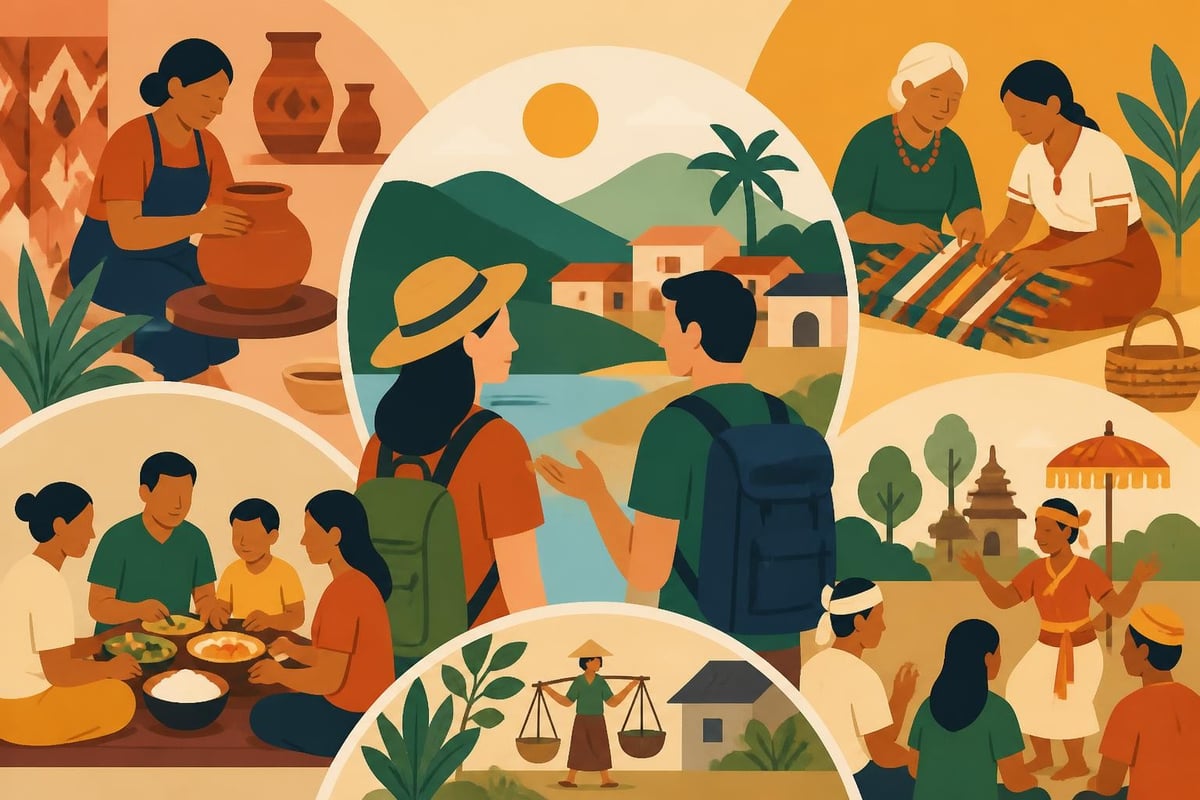
The cornerstone of any experience trip involves genuine engagement with local communities, traditions, and daily life. This immersion extends beyond watching cultural performances to participating in them, learning traditional crafts from master artisans, and sharing meals with local families in their homes.
Authentic immersion requires careful design and local partnerships. Tour operators must establish relationships with community members who welcome visitors into their authentic spaces, not manufactured tourist environments. This approach aligns with UNESCO’s geotourism principles, which emphasize protecting cultural and natural values while creating meaningful visitor experiences.
Key elements of authentic immersion include:
- Direct interaction with local experts, monks, artisans, and community leaders
- Participation in traditional activities like farming, weaving, or ceremonial preparations
- Learning local languages, customs, and etiquette through guided practice
- Staying in family-run guesthouses or traditional accommodations
- Shopping at local markets and supporting community-based enterprises
Personal Transformation Through Discovery
Experience trips catalyze personal growth by pushing travelers beyond their comfort zones. This transformation occurs through challenging assumptions, developing new skills, and gaining fresh perspectives on life priorities and values.
The transformative nature of experiential travel has been documented in academic research examining determinants of experiential tourism, which identifies authenticity, novelty, and meaningful interaction as critical factors in creating memorable, transformative experiences.
| Traditional Tourism | Experience Trip |
|---|---|
| Guided bus tours | Self-paced exploration with local guides |
| Hotel chains | Homestays and traditional lodges |
| Restaurant dining | Cooking classes and family meals |
| Museum visits | Workshops with practicing artisans |
| Photo stops | Hands-on participation |
| Checklist sightseeing | Deep engagement with fewer sites |
Designing an Effective Experience Trip
Creating a meaningful experience trip requires thoughtful planning, local expertise, and flexibility to accommodate spontaneous moments that often become trip highlights.
Identifying Core Interests and Goals
Successful experience trips begin with clear understanding of traveler motivations. Some seek spiritual enrichment, others pursue adventure or culinary discovery, while many desire combinations of multiple interests.
Common experience trip themes include:
- Spiritual and contemplative journeys – meditation retreats, monastery stays, philosophical discussions
- Culinary and agricultural experiences – farm-to-table programs, cooking workshops, market tours
- Craft and artistic immersion – apprenticeships with weavers, painters, sculptors, or musicians
- Adventure and outdoor challenges – trekking, mountain biking, river expeditions with environmental education
- Wellness and healing traditions – traditional medicine, hot stone baths, therapeutic practices
For travelers seeking spiritual and cultural depth, destinations like Bhutan offer unparalleled opportunities. An experience trip through Western Bhutan might include conversations with monks about happiness from a Buddhist perspective, discussions with scholars about Gross National Happiness, and participation in traditional festivals that have remained unchanged for centuries.
Building Meaningful Itineraries
Effective experience trip itineraries balance structure with spontaneity, providing framework while allowing authentic moments to unfold naturally.
The best itineraries limit daily activities to allow deep engagement rather than rushing between multiple sites. Spending half a day learning traditional weaving from a master artisan creates more lasting impact than visiting five museums in the same timeframe.
Itinerary design principles:
- Allocate sufficient time at each location for genuine interaction
- Build in unscheduled periods for spontaneous discoveries
- Sequence activities to create natural progression and rhythm
- Include reflection time for processing experiences
- Balance active participation with restorative moments
- Incorporate local expert perspectives on history, culture, and current life
Selecting the Right Partners and Guides
The quality of an experience trip depends heavily on guide expertise and local connections. Guides serve not merely as information sources but as cultural translators, facilitators, and trusted intermediaries.
Exceptional guides possess deep local knowledge, extensive networks within communities, language skills, and genuine passion for cultural exchange. They create safe spaces for authentic interaction while ensuring visitors respect local customs and boundaries.
Implementing Inclusive and Accessible Design
Modern experience trips must consider diverse traveler needs and capabilities. Inclusive tourism frameworks provide practical guidance for operators designing welcoming experiences for all visitors.
Accommodating Physical Abilities
Experience trips can be adapted for varying physical capabilities through thoughtful planning and flexible options.
- Offer multiple route choices for trekking and hiking activities
- Provide vehicle support for those unable to complete full walking distances
- Select accommodations with accessibility features when needed
- Design cultural activities that don't require extensive physical exertion
- Create alternative participation methods for physically demanding workshops
Cultural Sensitivity and Respect
Every experience trip must prioritize cultural sensitivity, ensuring visitor presence benefits rather than burdens local communities.
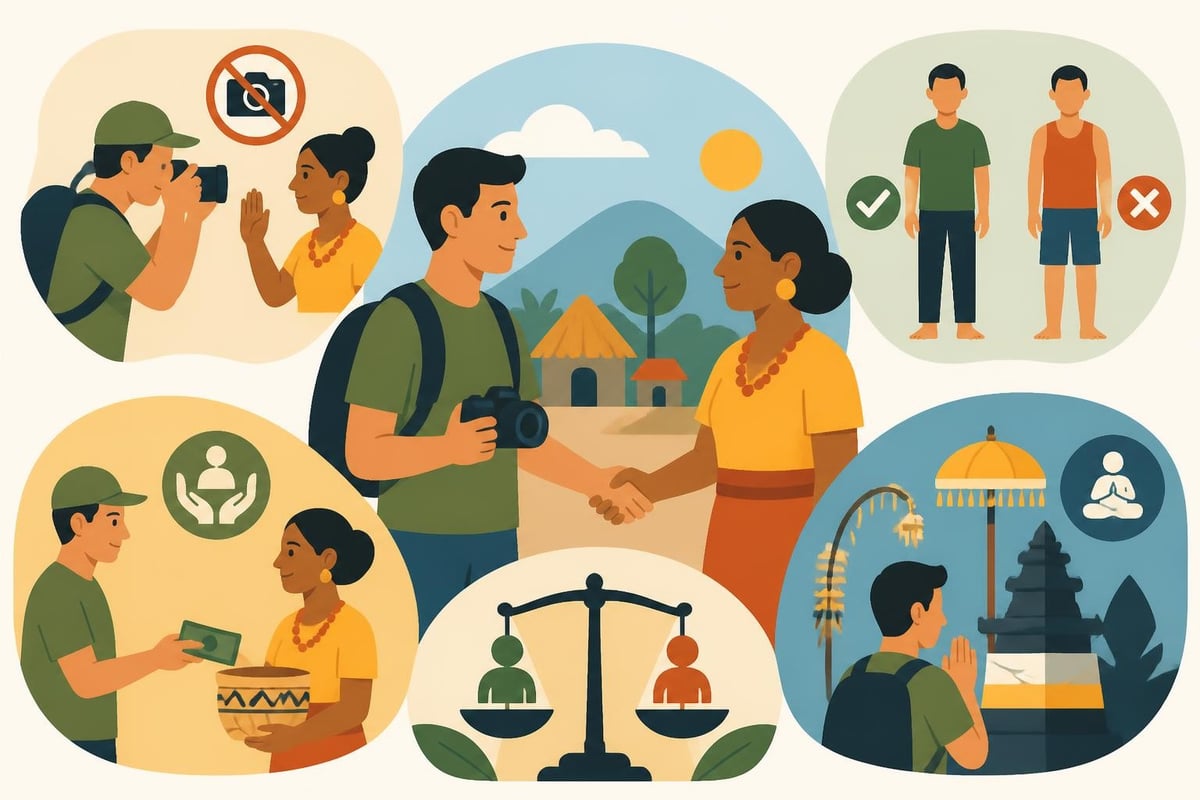
Responsible operators establish clear guidelines about photography, appropriate dress, gift-giving, and behavior in sacred spaces. They compensate local participants fairly, obtain proper permissions, and ensure tourism activity supports community priorities rather than disrupting traditional life.
The Business Case for Experience Trips
Tour operators increasingly recognize that experience trips represent significant business opportunities aligned with evolving traveler preferences and industry trends.
Market Demand and Traveler Preferences
Industry analysis for 2026 indicates sustained growth in experiential travel demand, with travelers prioritizing authentic experiences over luxury amenities and seeking personalized itineraries over standardized packages.
Current market trends include:
- Increased willingness to pay premium prices for authentic, personalized experiences
- Growing interest in destinations offering cultural depth and transformative potential
- Preference for small group or private tours over large group travel
- Desire for pre-trip customization and in-trip flexibility
- Value placed on expert guides with specialized knowledge
Competitive Differentiation
In a crowded tourism marketplace, experience trips provide powerful differentiation. Operators offering genuine cultural immersion, local expertise, and personalized attention command higher prices and stronger customer loyalty than those providing commoditized sightseeing tours.
Taking one group at a time ensures personal attention and excellent organization, allowing operators to deliver consistently exceptional experiences. This focused approach enables deeper relationships with local partners and more flexible response to individual traveler interests.
The 6 nights Western Bhutan amusement journey exemplifies this approach, combining visits to sacred monasteries with conversations about happiness with monks and discussions about Gross National Happiness with professors. This itinerary demonstrates how an experience trip transcends beautiful scenery to explore philosophical concepts and engage with living cultural traditions.
Practical Considerations for Experience Trips
Successfully executing an experience trip requires attention to logistics, communication, and risk management alongside the creative elements of experience design.
Pre-Trip Preparation and Communication
Thorough pre-trip communication sets appropriate expectations and prepares travelers for meaningful participation.
Essential pre-trip elements:
- Detailed itinerary review with flexibility discussion
- Cultural briefings covering customs, etiquette, and appropriate behavior
- Packing recommendations specific to planned activities
- Health and safety information relevant to destination
- Introduction to key guides and local partners
- Discussion of personal interests to customize on-ground experiences
Managing Expectations and Flexibility
While structure provides security, the magic of an experience trip often emerges from unplanned moments. Skilled operators balance itinerary commitments with opportunistic flexibility.
Weather changes might redirect trekking plans, or a chance encounter with a local expert might justify schedule adjustments. The best experience trips maintain core commitments while remaining adaptable to enriching opportunities.
Safety and Risk Management
Experiential activities often involve higher perceived risk than conventional tourism. Professional operators implement comprehensive safety protocols while preserving the adventurous spirit.
| Risk Category | Management Approach |
|---|---|
| Physical activities | Professional guides, quality equipment, appropriate pacing |
| Health concerns | Pre-trip medical consultation, emergency protocols, local medical contacts |
| Cultural missteps | Thorough briefings, guide supervision, clear communication |
| Weather impacts | Contingency plans, alternative routes, flexible scheduling |
| Transportation | Experienced drivers, well-maintained vehicles, realistic timing |
Regional Variations in Experience Travel
Experience trips manifest differently across regions, reflecting distinct cultural contexts, natural environments, and traditional practices.
Himalayan Experience Journeys
Himalayan regions offer particularly rich opportunities for transformative experience trips. The combination of dramatic landscapes, living Buddhist traditions, preserved cultural practices, and warm hospitality creates ideal conditions for meaningful travel.
Bhutan’s tourism policy intentionally prioritizes high-value, low-impact tourism that protects cultural and environmental integrity while creating meaningful visitor experiences. This approach aligns perfectly with experience trip principles.
Activities might include attending traditional festivals, where visitors witness sacred masked dances and community celebrations unchanged for centuries, or embarking on mountain biking adventures through villages and valleys with local guides sharing stories and perspectives.
Combining Natural and Cultural Elements
The most powerful experience trips integrate natural beauty with cultural depth, demonstrating how landscape and tradition interweave.
A journey through Central Bhutan might combine scenic valley drives with visits to ancient monasteries, participation in agricultural activities, and conversations with scholars about traditional medicine or environmental philosophy. Eastern Bhutan offers even more remote experiences, where visitors engage with textile weavers, participate in village life, and explore regions rarely visited by tourists.
Measuring Success and Impact
Evaluating experience trip success requires metrics beyond customer satisfaction surveys, though these remain important.
Traveler Transformation Indicators
True success manifests in lasting behavior changes, expanded worldviews, and maintained connections with host communities.
Meaningful success indicators include:
- Travelers maintaining relationships with guides and local contacts
- Behavior changes reflecting new values or perspectives
- Depth of cultural understanding demonstrated in post-trip communications
- Willingness to advocate for destination and communities visited
- Repeat visits or referrals to friends and family
- Engagement with related causes or communities at home
Community Impact Assessment
Responsible operators evaluate impact on host communities, ensuring experience trips benefit rather than burden local populations.
Positive community impacts include fair economic returns, cultural pride reinforcement, support for traditional practices, and community-driven tourism development. Negative impacts requiring mitigation include cultural commodification, resource strain, privacy invasion, or disruption of traditional life patterns.
Future Directions in Experience Travel
As we progress through 2026, experience trips continue evolving in response to technological advancement, environmental concerns, and shifting traveler values.
Technology Integration
While experience trips emphasize authentic human connection, selective technology integration enhances rather than diminishes the experience. Pre-trip virtual reality previews, real-time language translation, digital journaling tools, and post-trip community platforms all support experiential objectives when thoughtfully implemented.
Sustainability and Regenerative Tourism
Forward-thinking operators increasingly embrace regenerative tourism principles, designing experience trips that actively improve visited destinations rather than merely minimizing harm.
Regenerative experience trip elements:
- Participation in conservation projects as core activities
- Support for cultural preservation initiatives through visit fees
- Direct economic benefits to communities through local procurement
- Environmental restoration activities integrated into itineraries
- Educational components that build environmental stewardship
Deepening Cultural Exchange
The future of experience trips lies in even deeper, more reciprocal cultural exchange. Rather than one-way observation, these journeys facilitate genuine dialogue where both travelers and hosts learn, grow, and transform through interaction.
Programs might include extended homestays, collaborative artistic projects, knowledge exchange workshops, or joint community service initiatives that build lasting relationships beyond the trip duration.
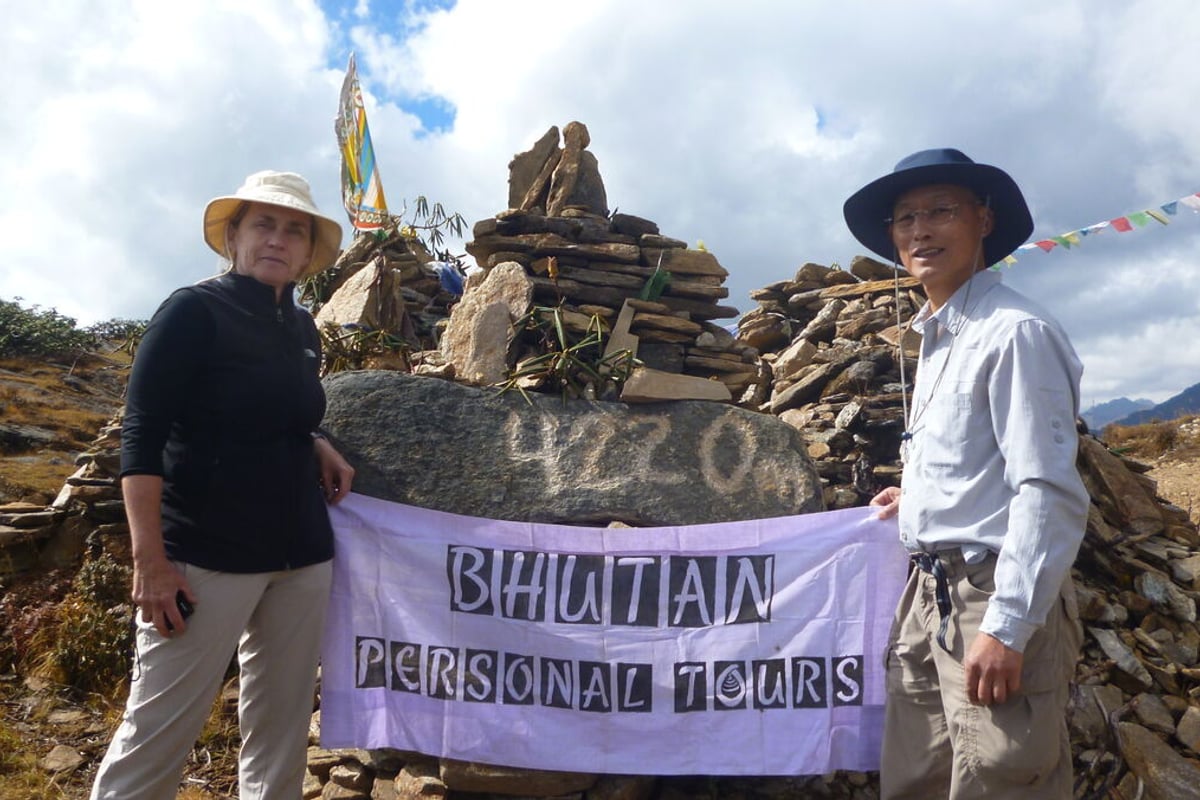
An experience trip represents travel at its most meaningful, transforming destinations from backdrops into partners in personal growth and cultural understanding. By prioritizing authentic engagement, supporting local communities, and creating space for transformation, these journeys deliver value that extends far beyond vacation memories. Bhutan Personal Tours and Treks specializes in crafting these transformative experiences throughout Bhutan, combining deep cultural knowledge accumulated since 2002 with personalized attention to individual traveler interests. Taking one group at a time ensures your journey receives the focused expertise and authentic local connections that turn travel into transformation.