
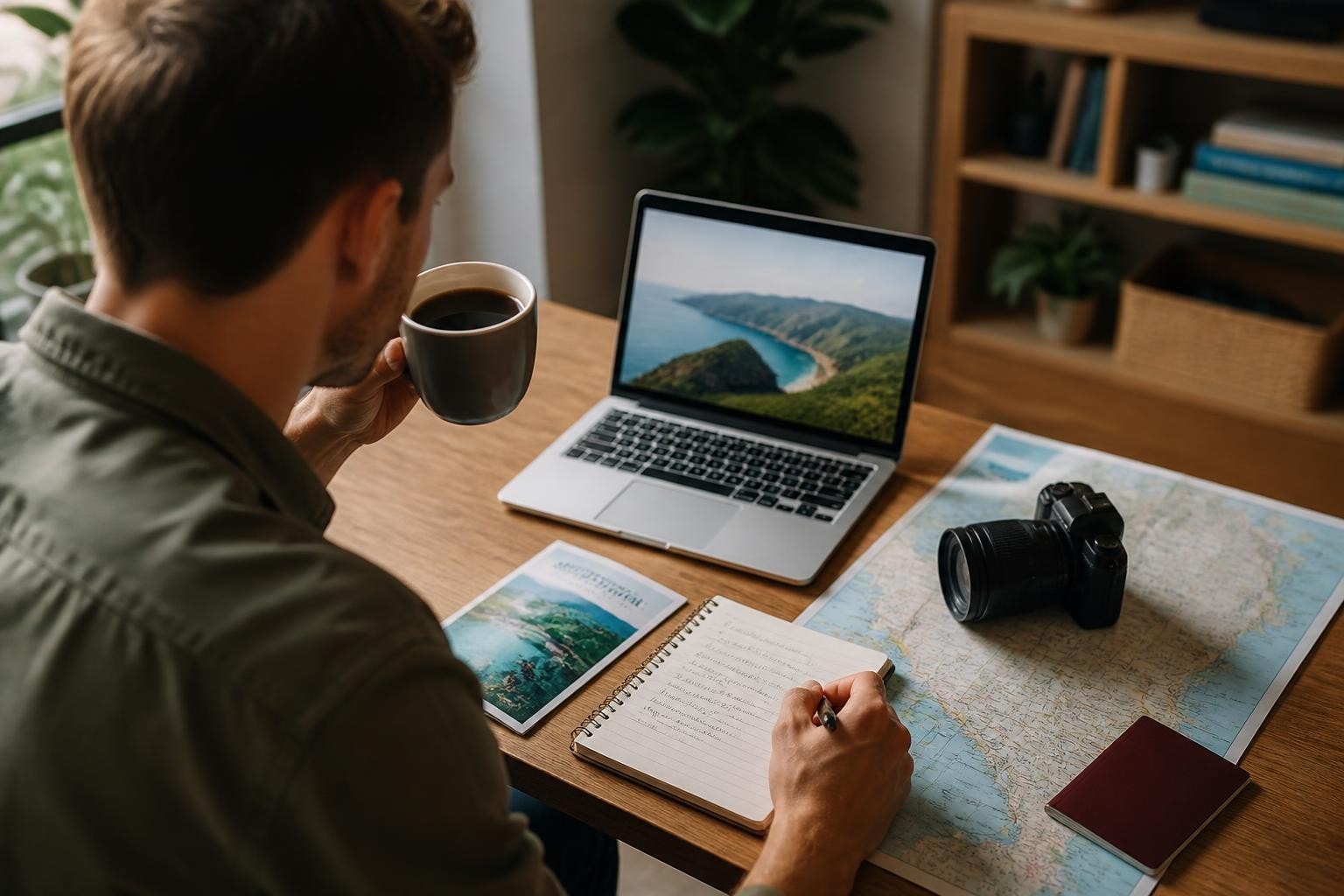
Planning our trip represents one of the most exciting and rewarding phases of any travel experience. The anticipation, research, and careful preparation transform a simple idea into a well-crafted journey that delivers memorable experiences and meaningful connections. Whether you're embarking on a cultural immersion, a wilderness trek, or a spiritual exploration, the foundation of a successful adventure lies in thoughtful planning that balances spontaneity with structure. Research shows that planning a trip benefits mental health by providing something to look forward to, reducing stress, and increasing overall happiness.
Understanding the Scope of Our Trip
Before diving into logistics and bookings, defining the purpose and scope of our trip establishes a framework for all subsequent decisions. Every journey begins with a vision, whether that's witnessing ancient traditions, challenging ourselves physically, or simply disconnecting from daily routines.
Establishing Clear Travel Objectives
The motivations driving our trip shape every aspect of the experience. Cultural explorers prioritize authentic interactions and historical sites, while adventure seekers focus on physical challenges and natural landscapes. Spiritual travelers may center their journey around meditation, reflection, and sacred spaces.
Key considerations when defining trip objectives:
- Primary motivation (culture, adventure, relaxation, education)
- Secondary interests that complement the main focus
- Personal growth goals or learning outcomes
- Desired pace (intensive exploration vs. leisurely immersion)
- Social dynamics (solo reflection, family bonding, group interaction)
Understanding these elements early prevents misalignment between expectations and reality. A clearly defined purpose also guides difficult decisions when faced with conflicting options or limited time.
Determining Optimal Duration and Timing
The length and timing of our trip significantly impact both the experience quality and practical feasibility. Shorter journeys require intensive planning to maximize limited time, while extended trips allow for deeper immersion and flexibility.
| Trip Duration | Best For | Planning Complexity | Flexibility Level |
|---|---|---|---|
| 5-7 days | First-time visitors, specific events | Moderate | Low |
| 8-14 days | Comprehensive exploration | High | Moderate |
| 15-21 days | Deep cultural immersion | Very High | High |
| 22+ days | Multi-region or trekking | Extremely High | Very High |
Seasonal considerations prove equally important. Weather patterns, festival calendars, and wildlife migrations all influence the optimal timing for our trip. Some destinations reveal their best qualities only during specific months, while others remain accessible year-round with varying characteristics.
Documentation and Legal Requirements
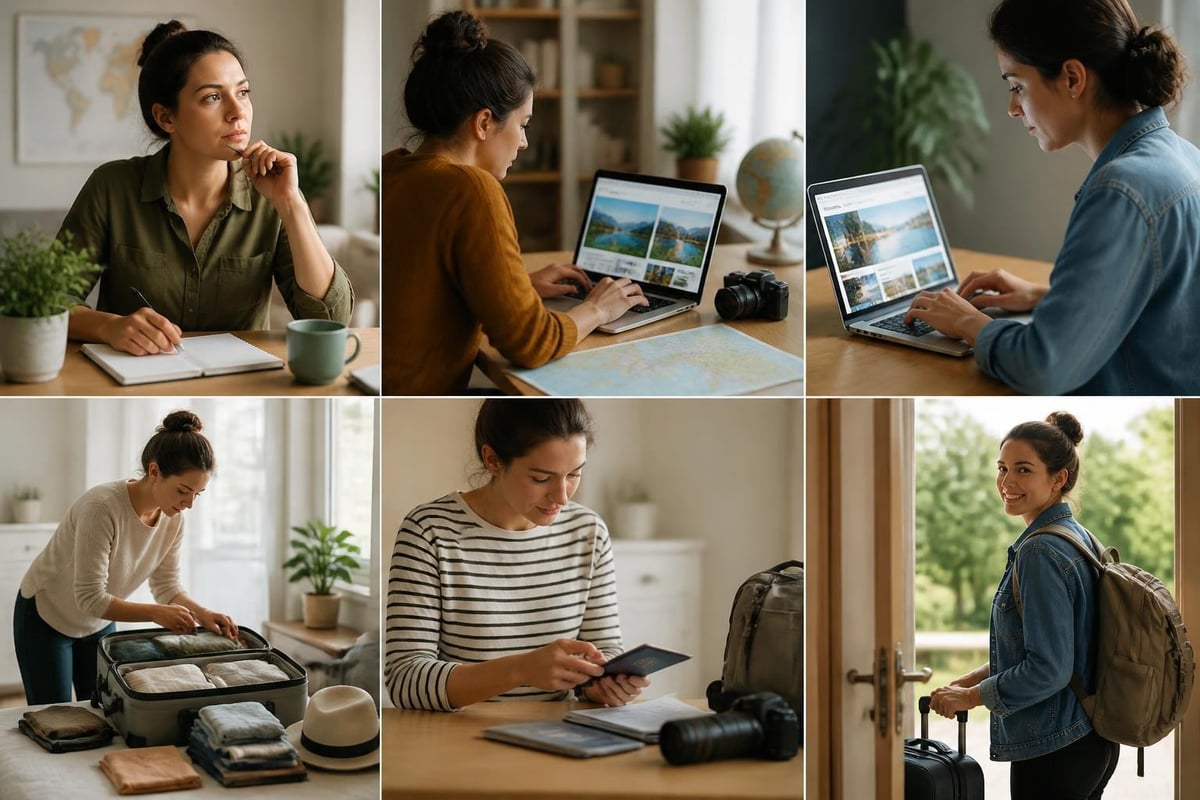
Proper documentation forms the administrative backbone of our trip, ensuring smooth passage through international borders and access to necessary services. Overlooking these essentials can derail even the most carefully planned journey.
Essential Travel Documents
Every international journey requires specific documentation, and requirements vary significantly by destination. The IATA Travel Centre provides authoritative information on passport, visa, and health entry requirements for virtually every country.
Fundamental documents for international travel:
- Valid passport (typically with 6 months validity beyond return date)
- Appropriate visa or entry permit
- Proof of onward travel or return ticket
- Travel insurance documentation
- Health certificates or vaccination records
- Emergency contact information
Digital copies stored securely in cloud storage and email provide backup access if physical documents are lost or stolen. Many travelers also carry physical photocopies separate from originals as an additional safeguard.
Understanding your rights as a passenger helps navigate disruptions effectively. The IATA passenger rights guidance explains protections during delays, cancellations, and other travel complications.
Health Preparation and Medical Considerations
Health preparation protects both individual wellbeing and the communities visited during our trip. Current health information changes frequently, making it essential to consult updated sources close to departure.
The CDC Travelers’ Health notices provide current outbreak information and recommended precautions for specific destinations. These resources help travelers make informed decisions about health risks and necessary preventive measures.
Comprehensive health preparation includes routine vaccinations, destination-specific immunizations, prescription medications with documentation, and a basic medical kit. Travel insurance with medical coverage and evacuation provisions adds critical protection, particularly in remote areas with limited healthcare infrastructure.
Crafting the Perfect Itinerary
The itinerary represents the roadmap of our trip, balancing must-see highlights with flexibility for spontaneous discoveries. An effective itinerary provides structure without rigidity, allowing room for unexpected opportunities and rest.
Balancing Structure and Flexibility
Over-scheduling creates exhaustion and diminishes enjoyment, while excessive openness may result in missed opportunities. The ideal itinerary allocates time for planned activities while preserving space for rest, exploration, and adaptation.
Itinerary design principles:
- Anchor each day with one primary activity or destination
- Build in buffer time for delays and unexpected opportunities
- Alternate intensive days with lighter schedules
- Group geographically proximate sites to minimize transit time
- Reserve final days for spontaneous interests discovered during the journey
When planning our trip to culturally rich destinations, working with experienced guides who understand the region intimately enhances both efficiency and depth of experience. Local expertise reveals hidden gems and provides context that transforms sightseeing into genuine understanding.
Incorporating Cultural Immersion
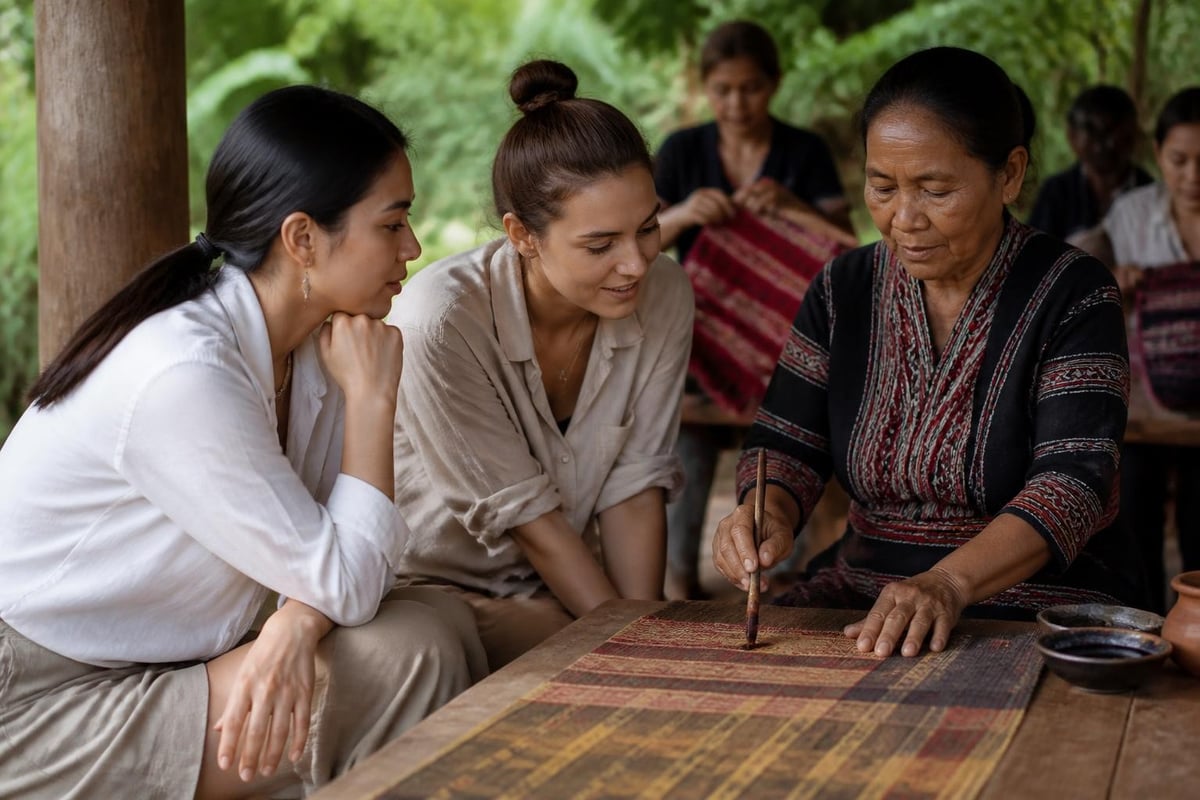
Authentic cultural engagement distinguishes memorable travel from superficial tourism. Our trip gains profound meaning when we connect with local people, traditions, and ways of life beyond surface-level observation.
The 6 nights Western Bhutan amusement demonstrates how thoughtfully designed itineraries create opportunities for meaningful cultural exchange. Meeting with monks to discuss happiness from a Buddhist perspective or conversing with professors about Gross National Happiness provides insights impossible to gain through independent travel.
| Cultural Immersion Level | Activities | Preparation Required | Impact |
|---|---|---|---|
| Observational | Visiting sites, attending performances | Minimal | Low-Moderate |
| Interactive | Workshops, cooking classes, homestays | Moderate | Moderate-High |
| Participatory | Living with families, volunteering | Extensive | Very High |
| Collaborative | Working on community projects | Intensive | Profound |
Understanding the cultural context of Bhutan before arrival enriches every interaction and demonstrates respect for local customs. This preparation transforms tourists into informed visitors who engage thoughtfully with their surroundings.
Physical and Mental Preparation
The success of our trip often depends as much on personal readiness as external logistics. Physical conditioning, mental preparation, and practical skill development all contribute to confident, capable travel.
Physical Conditioning for Active Travel
Trekking, hiking, and adventure-focused trips demand physical preparation proportional to their intensity. Starting a conditioning program several months before departure builds the stamina and strength needed to enjoy rather than merely endure physical challenges.
Progressive training approach:
- Begin with baseline assessment of current fitness level
- Gradually increase cardiovascular endurance through regular aerobic exercise
- Develop leg strength with hiking, stairs, and resistance training
- Practice with weighted backpack to simulate trekking conditions
- Include flexibility and balance work to prevent injury
For those planning trekking adventures in Bhutan, altitude acclimatization becomes an additional consideration. High-altitude treks require specific preparation strategies, including gradual ascent profiles and recognition of altitude sickness symptoms.
Mental Preparation and Cultural Sensitivity
Mental readiness for our trip involves developing cultural awareness, managing expectations, and cultivating adaptability. Travel inevitably includes unexpected challenges, and psychological flexibility determines how smoothly we navigate them.
Learning basic phrases in the local language demonstrates respect and facilitates basic interactions. Understanding cultural norms around dress, behavior, and social interaction prevents unintentional offense and opens doors to authentic connection.
Practical Logistics and Arrangements
The operational details of our trip require careful attention to ensure smooth execution. Transportation, accommodation, and daily logistics form the infrastructure supporting memorable experiences.
Transportation Planning
Movement between destinations represents a significant portion of travel time and budget. Efficient transportation planning minimizes wasted time while maximizing comfort and safety.
Domestic flights, private vehicles, and shared transportation each offer distinct advantages depending on distance, terrain, and group size. In destinations with limited public transit infrastructure, pre-arranged private transportation often proves most efficient.
Overcoming jet lag becomes crucial when our trip crosses multiple time zones. Strategic timing of light exposure, meal schedules, and sleep patterns helps synchronize internal rhythms with the destination time zone.
Accommodation Selection
Where we stay profoundly influences the character of our trip. Accommodation choices range from international hotels to family-run guesthouses, each offering different levels of comfort, cultural immersion, and local connection.
Accommodation evaluation criteria:
- Location relative to key sites and activities
- Comfort level and amenities
- Cultural authenticity and local character
- Sustainability practices and community impact
- Reviews from travelers with similar priorities
- Value relative to budget allocation
Supporting locally owned accommodations often provides superior cultural insight while directing tourism revenue to community members. These establishments frequently offer personalized service and deeper local knowledge than international chain properties.
Sustainable and Responsible Travel
Planning our trip with sustainability in mind ensures tourism benefits both travelers and host communities. Responsible travel practices minimize negative impacts while maximizing positive contributions to local economies and cultural preservation.
Environmental Considerations
Tourism's environmental footprint extends from carbon emissions during travel to waste generation and resource consumption at destinations. Conscious choices throughout our trip reduce this impact significantly.
The Global Sustainable Tourism Council guidelines provide frameworks for minimizing tourism's environmental and social impacts. These principles inform decisions about transportation, accommodation, activities, and daily practices during travel.
Sustainable travel practices:
- Choosing direct flights when possible to reduce emissions
- Supporting accommodations with environmental certifications
- Minimizing single-use plastics through reusable alternatives
- Respecting wildlife viewing guidelines and protected areas
- Properly disposing of waste, especially in remote areas
Understanding Bhutan’s tourism policy reveals how some destinations prioritize sustainable development over mass tourism. This high-value, low-impact approach protects cultural and environmental resources while providing meaningful visitor experiences.
Financial Planning and Budgeting
Comprehensive financial planning for our trip encompasses upfront costs, daily expenses, emergency reserves, and strategic allocation across experience categories. A well-designed budget maximizes value while avoiding financial stress during travel.
Creating a Comprehensive Budget
Effective budgets account for all expense categories, from obvious costs like flights and accommodation to easily overlooked items like visa fees, travel insurance, and gratuities.
| Expense Category | Typical Percentage | Planning Notes |
|---|---|---|
| Transportation | 25-35% | Flights, domestic travel, transfers |
| Accommodation | 20-30% | Varies significantly by comfort level |
| Activities & Tours | 15-25% | Guided experiences, entrance fees |
| Meals | 15-20% | Restaurant vs. market food varies widely |
| Insurance & Fees | 5-10% | Often underestimated but essential |
| Contingency | 10-15% | Emergency reserve for unexpected costs |
Building contingency reserves protects against unexpected expenses without derailing the journey. Medical emergencies, transportation disruptions, or unplanned opportunities all benefit from available financial flexibility.
Maximizing Value Without Compromising Quality
Budget optimization doesn't mean choosing the cheapest option in every category. Strategic allocation toward highest-priority experiences while economizing on less important elements creates optimal value.
Investing in quality guides and unique cultural experiences often provides the most lasting value from our trip. Conversely, comfortable but simple accommodation may free resources for once-in-a-lifetime opportunities that define the journey.
Communication and Connectivity
Staying connected during our trip balances practical necessity with digital detox. Communication tools enable coordination, safety check-ins, and sharing experiences while potentially detracting from present-moment engagement.
Technology and Communication Tools
Modern technology simplifies many travel challenges through navigation apps, translation tools, and instant communication. Downloading offline maps, essential apps, and translation databases before departure ensures functionality without constant internet access.
Essential digital tools for travelers:
- Offline maps and navigation (Google Maps, Maps.me)
- Translation apps with offline capability
- Currency conversion tools
- Flight and accommodation confirmations in digital wallets
- Emergency contact information readily accessible
Local SIM cards or international roaming plans provide connectivity for coordination and emergencies. However, designated device-free times preserve the immersive quality that makes travel transformative rather than merely relocating one's usual routine.
Safety and Emergency Communication
Reliable communication channels prove essential during emergencies or unexpected situations. Sharing detailed itineraries with trusted contacts at home, maintaining regular check-in schedules, and knowing emergency contact numbers for the destination all enhance safety.
Embassy and consulate contact information should be readily available, particularly when traveling in regions with limited infrastructure or political instability. Travel insurance emergency assistance numbers provide 24/7 support for medical, legal, or logistical crises.
Packing Strategy and Gear Selection
What we bring on our trip directly impacts comfort, capability, and mobility. Strategic packing balances preparedness with manageable luggage, considering climate, activities, and cultural norms.
Building a Versatile Travel Wardrobe
Clothing selection should prioritize versatility, layering capability, and cultural appropriateness. Pieces that serve multiple purposes reduce luggage volume while maintaining readiness for diverse situations.
Core wardrobe principles:
- Choose neutral colors that coordinate easily
- Select quick-dry, wrinkle-resistant fabrics when possible
- Layer lightweight pieces rather than bulky single items
- Include culturally appropriate clothing for religious or formal sites
- Limit footwear to three pairs maximum (walking, formal, specialized)
Climate research for specific destinations and seasons prevents both over-packing and arriving unprepared. Western Bhutan’s temperate climate requires different preparation than tropical or arctic destinations.
Specialized Equipment and Supplies
Activity-specific gear requires careful selection based on planned experiences. Trekking equipment, photography gear, or specialized sporting equipment should be tested thoroughly before departure rather than discovering issues in the field.
Quality matters particularly for items critical to safety and comfort. Reliable footwear, appropriate sleeping systems for camping, and well-designed backpacks justify investment through enhanced experience and durability.
Pre-Departure Final Preparations
The final weeks before our trip involve confirming arrangements, completing last-minute preparations, and mentally transitioning toward the journey ahead. Systematic final checks prevent forgotten details from becoming travel disruptions.
Confirmation and Documentation Review
Reconfirming flights, accommodations, and booked activities two weeks before departure catches potential issues while correction remains straightforward. Verifying that all documentation remains current and accessible prevents border delays or denied boarding.
Final preparation checklist:
- Reconfirm all bookings and reservations
- Verify passport validity and visa status
- Complete health preparations and obtain necessary certificates
- Arrange home care (plants, pets, mail)
- Notify financial institutions of travel dates
- Download offline resources and essential apps
- Create backup copies of important documents
- Pack prescription medications with documentation
- Secure valuables and unnecessary documents at home
- Set up automatic bill payments
Mental Transition and Expectation Management
The days before departure benefit from conscious mental preparation, setting intentions for the journey and releasing attachment to rigid expectations. Flexibility and openness to whatever unfolds often leads to the most meaningful travel experiences.
Understanding that challenges inevitably arise during travel-missed connections, weather disruptions, cultural misunderstandings-prepares us to handle them with grace rather than frustration. These moments often become the stories we remember most vividly and the experiences that foster the most growth.
Maximizing the Travel Experience
Once underway, our trip transforms from abstract plan to lived reality. Presence, curiosity, and intentional engagement determine whether travel becomes transformative or merely a change of scenery.
Practicing Mindful Travel
Being fully present during our trip means setting aside distractions and engaging completely with the current moment. This mindfulness transforms ordinary observations into profound experiences and creates lasting memories.
Journaling, photography, or simple reflection helps process experiences and capture details that might otherwise blur together. These practices deepen engagement while creating records that extend the journey's impact long after returning home.
Building Meaningful Connections
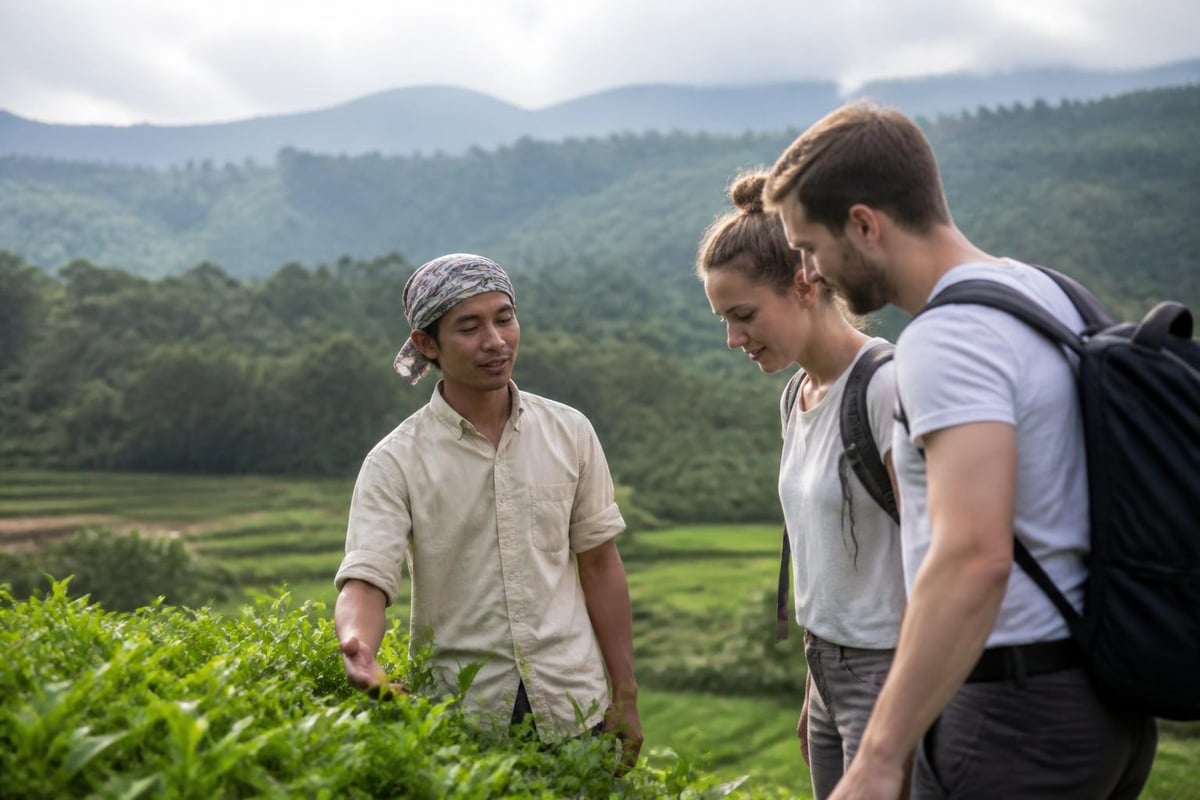
The relationships formed during our trip often prove more memorable than sites visited or activities completed. Approaching locals with genuine curiosity and respect opens doors to authentic cultural exchange and unexpected friendships.
Learning about Gross National Happiness directly from Bhutanese people provides insights impossible to gain through reading alone. These conversations reveal worldviews and values that challenge assumptions and broaden perspectives.
Planning our trip thoroughly while remaining open to spontaneity creates the foundation for transformative travel experiences. The preparation process itself builds anticipation and deepens engagement, while flexibility during the journey allows for unexpected magic. When you're ready to craft a personalized Bhutanese adventure with expert guidance and authentic cultural immersion, Bhutan Personal Tours and Treks offers one-group-at-a-time attention that ensures exceptional organization, safety, and meaningful connections throughout your journey.