
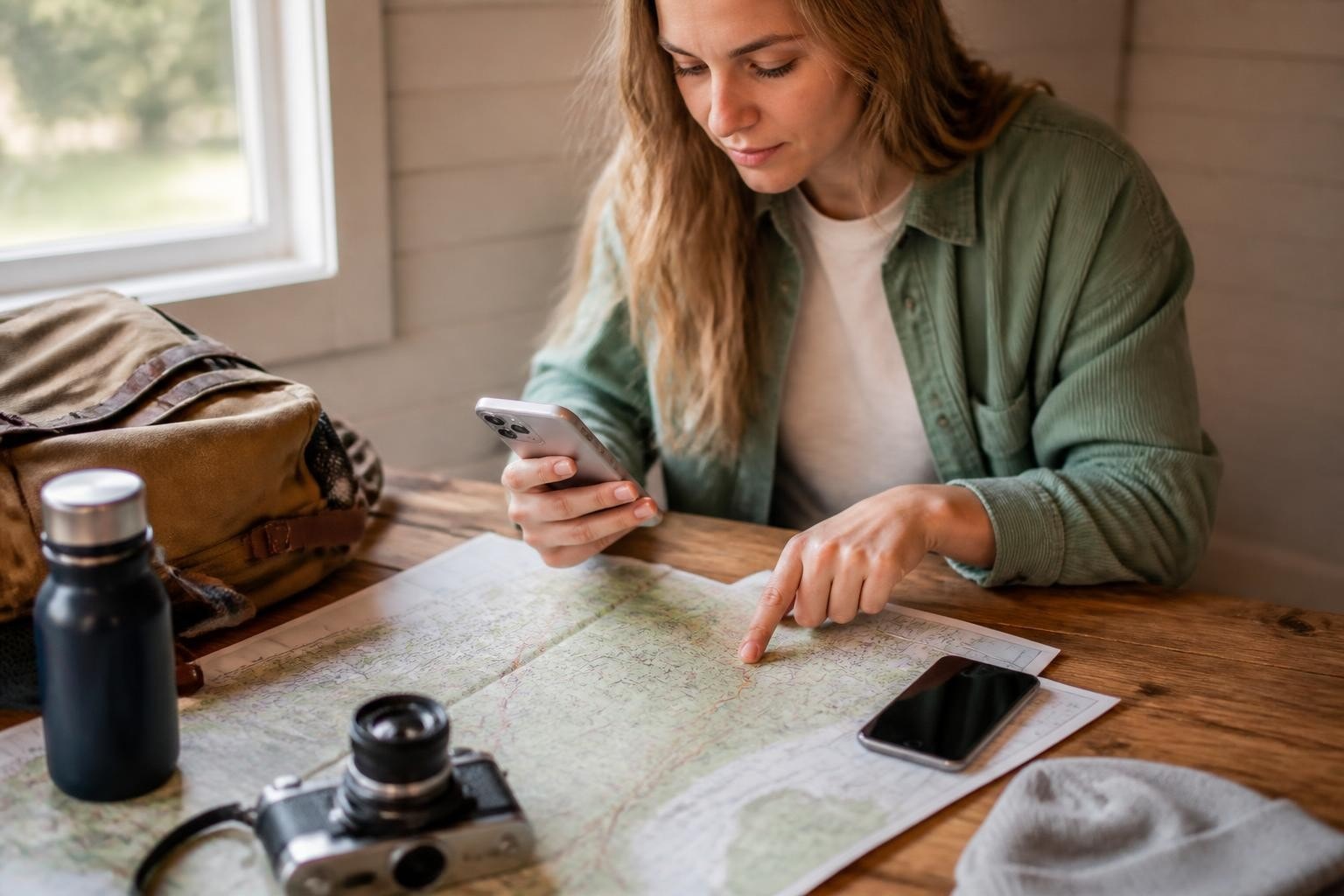
Whether you're seeking cultural immersion, natural beauty, or simply a break from routine, a day trip offers the perfect opportunity to explore without the commitment of overnight travel. The art of planning a successful short excursion lies in balancing ambition with realism, maximizing your hours while maintaining flexibility, and choosing destinations that deliver meaningful experiences within a compressed timeframe. For travelers considering destinations like Bhutan, understanding day trip dynamics helps you appreciate how even single-day excursions can provide profound cultural encounters when thoughtfully designed.
Understanding the Value of a Day Trip
A day trip serves as both an accessible entry point to travel and a strategic way to experience locations efficiently. Unlike extended vacations, these short adventures require minimal planning time, reduced financial investment, and lower commitment barriers. This format particularly appeals to professionals with limited vacation days, families testing new destinations before longer stays, and travelers who prefer home comforts at night.
The psychological benefits extend beyond simple convenience. Research shows that anticipating and experiencing even brief escapes from routine environments significantly boosts mood and productivity. A well-executed day trip can deliver the same restorative effects as longer vacations when properly structured around meaningful activities rather than rushed itineraries.
Economic and Environmental Considerations
Short excursions typically generate smaller carbon footprints compared to multi-day trips involving flights and multiple accommodations. By focusing on regional destinations accessible by ground transportation, travelers reduce environmental impact while supporting local economies. The AAA weekend travel guidance emphasizes vehicle preparation and route optimization to maximize fuel efficiency during car-based day trips.
Key benefits of choosing a day trip include:
- Lower overall costs (no accommodation expenses)
- Reduced packing stress and luggage requirements
- Flexibility to return if weather or circumstances change
- Opportunity to explore multiple nearby destinations over several weekends
- Minimal disruption to work schedules and personal commitments
Strategic Planning for Maximum Impact
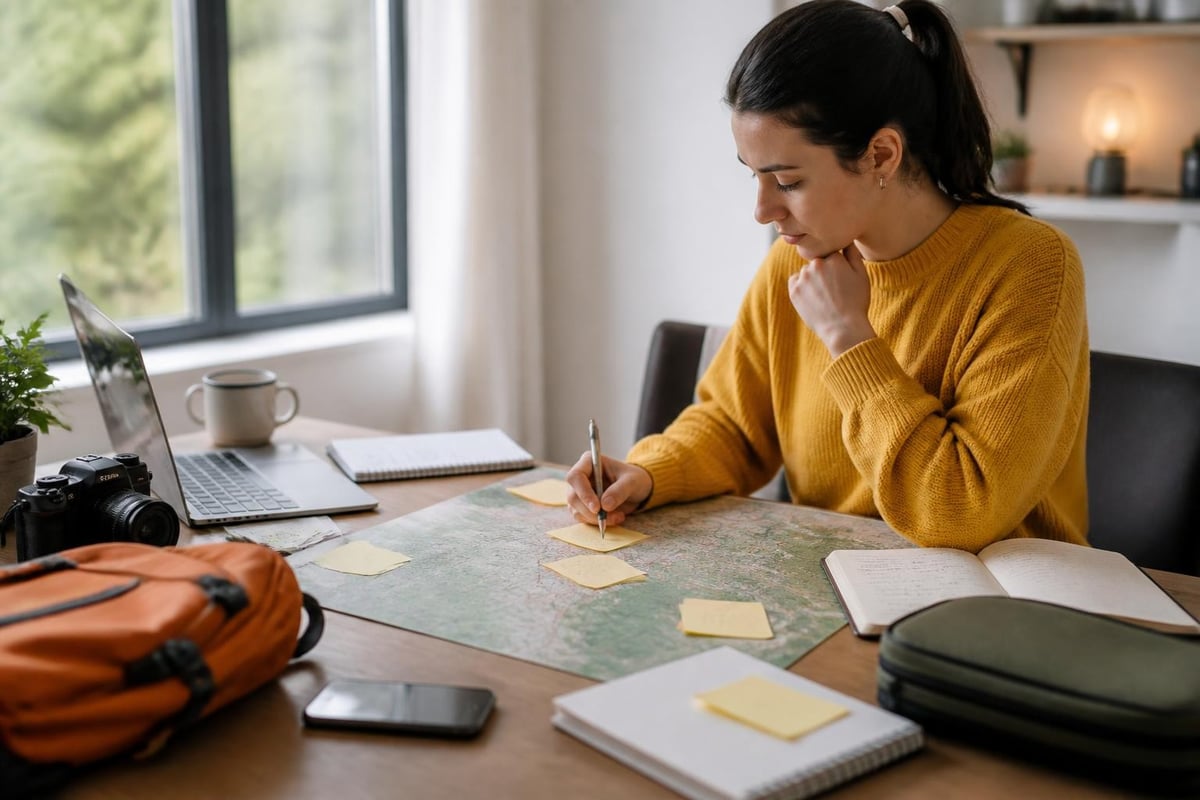
The foundation of any successful day trip rests on thorough advance research and realistic time budgeting. Begin by identifying your primary objective: cultural education, outdoor recreation, culinary exploration, or simple relaxation. This focus prevents the common mistake of attempting too many activities, which transforms enjoyment into exhausting logistics.
Time Allocation and Distance Calculations
Professional trip planners recommend the one-third rule: dedicate roughly one-third of available time to travel, one-third to primary activities, and one-third to meals, transitions, and buffer periods. For an eight-hour day trip, this translates to approximately 2.5 hours of driving, 3 hours at your main destination, and 2.5 hours for supporting activities and contingencies.
Distance matters significantly. While personal tolerance varies, most travelers find destinations beyond two hours one-way push the boundaries of day trip viability. The National Park Service trip planning guide provides comprehensive frameworks for calculating realistic itineraries when visiting protected lands, including permit requirements, seasonal road closures, and facility operating hours.
| Travel Time One-Way | Recommended Activity Duration | Total Available Time | Ideal Destination Type |
|---|---|---|---|
| 30-45 minutes | 5-6 hours | Full day | Museums, gardens, small towns |
| 1-1.5 hours | 4-5 hours | Full day | Regional parks, coastal areas |
| 1.5-2 hours | 3-4 hours | Full day | Mountain destinations, major attractions |
| 2+ hours | 2-3 hours | Extended day | Special events, unique experiences |
Destinations like Western Bhutan demonstrate how even short visits can immerse travelers in distinct cultural environments when concentrated around specific valleys and landmark sites.
Weather Monitoring and Safety Protocols
Environmental conditions dictate day trip success more than any other single factor. Unlike multi-day journeys where you can wait out storms in accommodation, day trips demand favorable conditions for the entire window. The National Weather Service safety guidance offers critical information on heat indices, storm patterns, UV exposure, and other hazards that can transform pleasant outings into dangerous situations.
Develop contingency plans for three weather scenarios: ideal conditions, marginal conditions, and cancellation thresholds. Marginal weather might mean indoor museum alternatives instead of hiking, while certain conditions (flash flood warnings, extreme heat advisories, severe storms) warrant rescheduling entirely.
Essential Safety Preparation
Beyond weather, safety preparation encompasses communication protocols, emergency contacts, and situation-specific gear. Always inform someone of your planned route, expected return time, and check-in procedures. Carry physical maps alongside digital navigation tools, as cellular coverage proves unreliable in remote areas.
Critical safety items for a day trip checklist:
- First aid supplies (bandages, pain relievers, medications)
- Extra water (minimum one gallon per person)
- Sun protection (sunscreen, hats, sunglasses)
- Emergency shelter (space blanket or rain poncho)
- Portable phone charger or power bank
- Physical copies of permits and reservation confirmations
Crafting Memorable Itineraries
The most successful day trips balance structure with spontaneity. Over-scheduling eliminates discovery opportunities, while complete improvisation often results in missed highlights and wasted time. Create a skeleton framework identifying must-see elements while leaving gaps for serendipitous encounters.
When designing cultural day trips, the UNESCO guidance on traveling without leaving a trace provides valuable frameworks for respectful engagement with heritage sites and local communities. This proves particularly relevant when visiting sacred spaces, traditional villages, or environmentally sensitive areas where visitor behavior directly impacts preservation efforts.
Learning from Expert Examples
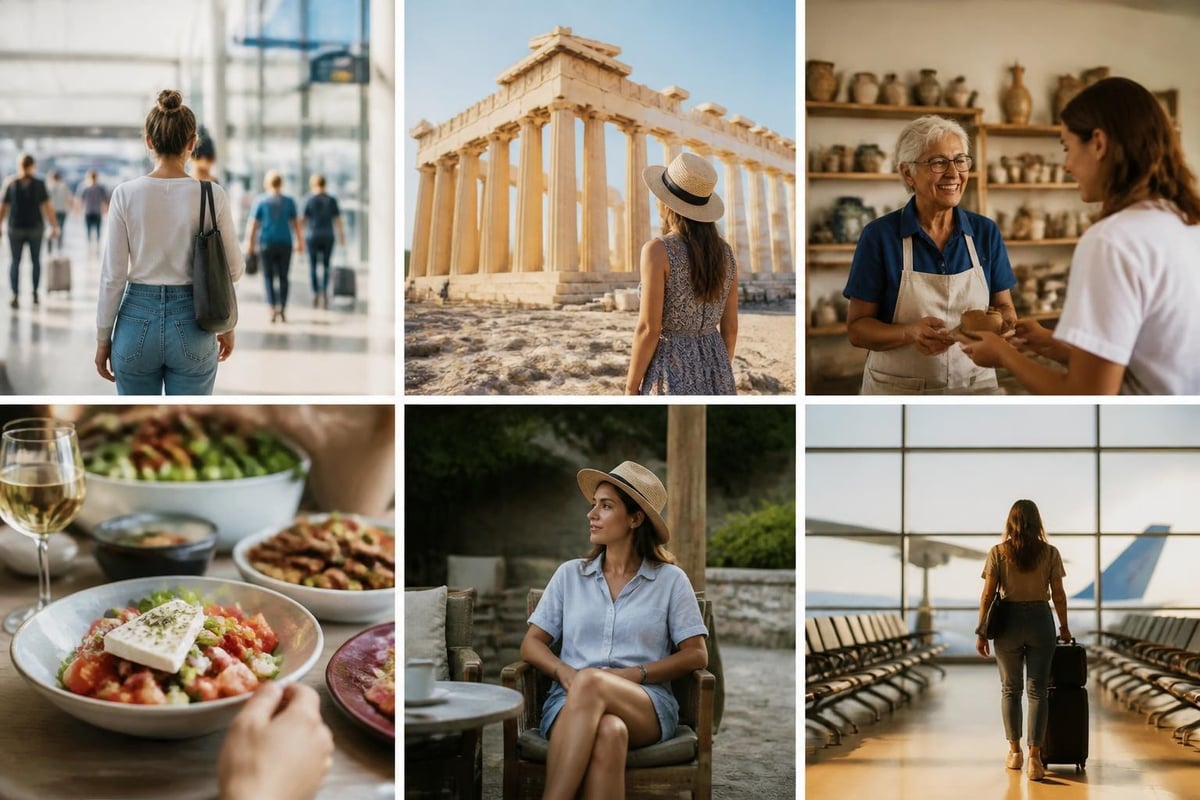
Study professionally curated itineraries to understand pacing and activity sequencing. National Geographic’s perfect day examples illustrate how skilled writers balance landmarks, local flavor, and practical logistics into cohesive narratives. Notice how these itineraries build momentum through carefully ordered experiences rather than random attraction hopping.
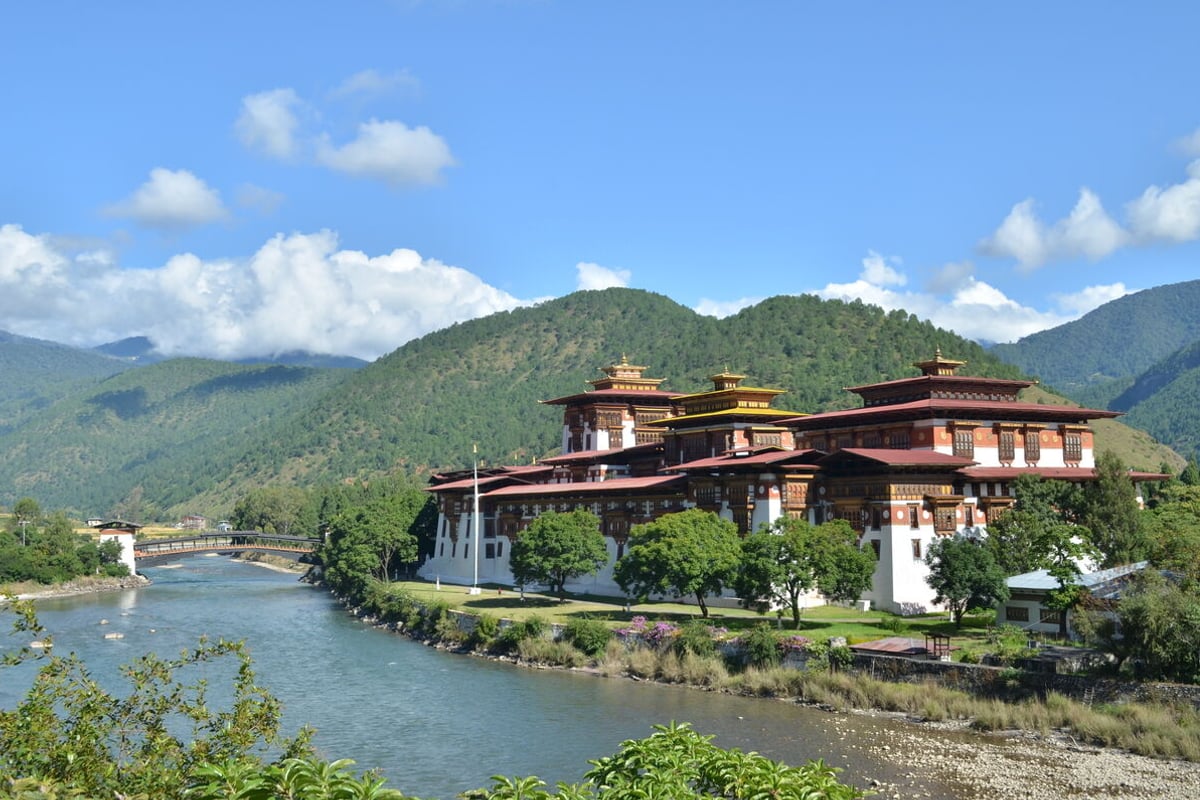
For Bhutan specifically, a day trip format appears in experiences like visits to Punakha, where travelers can explore the dramatic Punakha Dzong, witness the confluence of two rivers, and engage with local artisans, all within a focused timeframe when based in nearby valleys.
Accessibility and Inclusive Planning
Creating inclusive day trips requires proactive consideration of mobility limitations, sensory needs, and diverse physical capabilities. The ADA accessibility resources provide technical guidance on evaluating venue accessibility, though real-world conditions often differ from official descriptions. Contact destinations directly to verify current accessibility features, including parking proximity, path surfaces, rest facilities, and sensory accommodations.
Transportation represents a critical accessibility factor. Public transit systems vary dramatically in their accommodation of wheelchairs, service animals, and other accessibility needs. When driving, research accessible parking availability and enforcement, as designated spaces may be limited or poorly maintained at popular destinations.
Dietary and Cultural Considerations
Food allergies, religious restrictions, and cultural dietary practices deserve advance research. Rural destinations may offer limited options for vegetarian, vegan, gluten-free, or other specialized diets. Pack supplementary snacks and confirm restaurant capabilities before assuming menu flexibility. When visiting culturally distinct regions, understanding local customs around food sharing, dining etiquette, and appropriate dress codes enhances both respect and enjoyment.
Packing Strategies for Day Adventures
Efficient packing transforms day trip comfort without burdening travelers with unnecessary weight. The optimal approach involves layering versatile items that address multiple scenarios rather than packing single-purpose gear for every conceivable situation.
Smart day trip packing list:
- Weather-appropriate base layer and insulation
- Rain protection (jacket or poncho)
- Comfortable, broken-in footwear
- Daypack with padded straps
- Reusable water bottle and snacks
- Sun and insect protection
- Small first aid kit
- Relevant permits, tickets, or confirmations
- Backup payment methods (cash and cards)
- Personal medications and prescriptions
Avoid overpacking by honestly assessing actual needs versus anxious "what if" scenarios. Most day trip destinations offer basic services for forgotten items, and the mobility gained from lighter packs outweighs the convenience of carrying every possible supply.
Photography and Documentation Tools
While smartphone cameras suffice for most day trip documentation, consider specific photographic goals when deciding on additional equipment. Serious landscape photography demands tripods and interchangeable lenses, adding significant weight and bulk. Balance documentation ambitions against the experiential cost of focusing on screens rather than direct engagement with places and people.
Cultural Immersion in Compressed Timeframes
A day trip need not sacrifice depth for brevity when approached with intentionality. Rather than superficially visiting numerous sites, consider focusing on authentic engagement with fewer elements. This philosophy aligns with how experienced guides structure meaningful encounters even within limited windows.
The principles underpinning Bhutan’s unique tourism approach emphasize quality over quantity, a philosophy directly applicable to day trip planning worldwide. By limiting daily objectives and prioritizing genuine interaction over checklist completion, travelers extract richer experiences from shorter timeframes.
Engaging with Local Knowledge
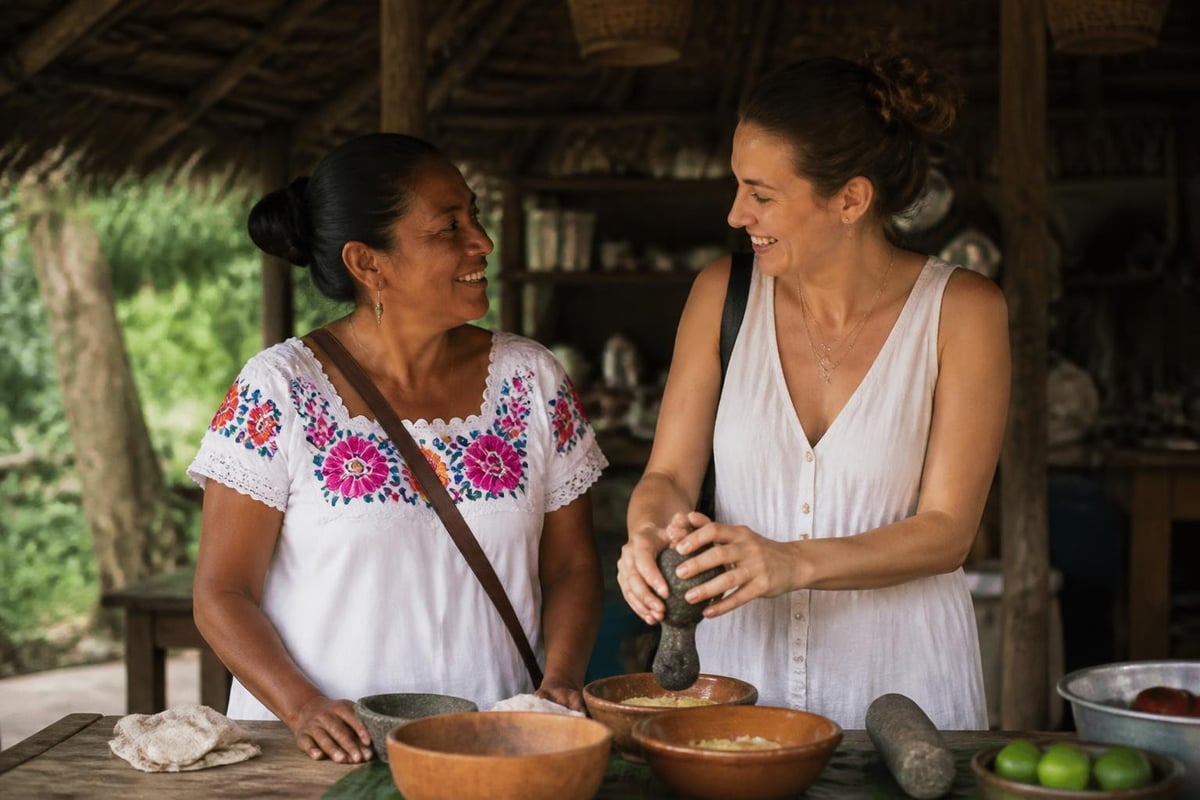
Advance arrangement of local guides or cultural interpreters dramatically enhances day trip value, particularly in regions with complex histories or unfamiliar traditions. These professionals provide context that transforms observations into understanding, revealing layers of meaning invisible to unguided visitors. Many festivals throughout regions like Bhutan’s festival calendar demonstrate how concentrated cultural experiences can fill a single day with profound insights when properly facilitated.
When exploring valleys from Paro to Thimphu, even brief visits gain dimension through conversations with locals who illuminate daily life, spiritual practices, and community values. The personalized approach offered through Bhutan Personal Tours and Treks demonstrates how individual attention creates space for these meaningful exchanges despite compressed schedules.
For travelers interested in deeper engagement with Bhutanese culture, philosophy, and landscapes, the 6 nights Western Bhutan amusement extends day trip concepts into a comprehensive journey. This itinerary includes conversations with monks about happiness from a Buddhist perspective and discussions with professors on Gross National Happiness, illustrating how concentrated cultural immersion can occur when expert facilitation connects travelers with local knowledge holders.
Sustainable Practices for Responsible Day Travel
Environmental stewardship extends beyond reducing carbon emissions to encompass waste management, trail etiquette, and community impact. Day trippers sometimes underestimate their collective footprint, assuming brief visits minimize impact. In reality, high-volume day traffic can strain fragile ecosystems and cultural sites more severely than smaller numbers of overnight visitors who distribute their presence across time and services.
Responsible day trip practices include:
- Carrying out all waste, including organic materials like fruit peels
- Staying on designated trails and paths to prevent erosion
- Respecting wildlife by maintaining appropriate distances
- Supporting local businesses rather than chain establishments
- Following photography restrictions at sacred or sensitive sites
- Limiting group sizes in areas with carrying capacity concerns
The philosophy of Gross National Happiness emphasizes holistic wellbeing including environmental preservation, offering frameworks for evaluating day trip choices through sustainability lenses rather than pure convenience or cost.
Transportation Modes and Logistics
Vehicle choice significantly influences day trip character and feasibility. Personal automobiles offer maximum flexibility for timing, route deviation, and gear capacity. Public transportation reduces costs and environmental impact but constrains schedules to fixed routes and timetables. Organized tours eliminate navigation stress while limiting spontaneity and personal discovery.
Hybrid approaches combine advantages of multiple modes. Drive to a regional hub, then use local transit, bicycles, or walking to explore the concentrated area. This reduces parking challenges in congested destinations while maintaining overall trip flexibility.
Fuel and Vehicle Preparation
Mechanical failures transform enjoyable outings into stressful ordeals. Before departure, verify tire pressure, fluid levels, fuel availability, and emergency kit completeness. Research fuel station locations along your route, particularly in rural areas where services may be sparse or have limited hours. Many weekend day trips encounter unexpected congestion or detours that dramatically increase fuel consumption beyond normal calculations.
Timing Strategies for Different Seasons
Seasonal variations reshape day trip possibilities, with each period offering distinct advantages and challenges. Spring brings wildflowers and moderate temperatures but unpredictable weather and muddy trails. Summer extends daylight hours and opens high-elevation destinations while introducing crowds, heat, and thunderstorm risks.
Autumn delivers spectacular foliage, comfortable temperatures, and reduced visitor numbers, though shorter days compress available activity time. Winter's sparse crowds and dramatic landscapes come at the cost of challenging driving conditions, cold exposure, and limited facility operations.
| Season | Optimal Day Trip Types | Key Advantages | Primary Challenges |
|---|---|---|---|
| Spring | Gardens, waterfalls, historic sites | Moderate temps, blooms, fewer crowds | Rain, mud, variable conditions |
| Summer | Beaches, mountains, festivals | Long daylight, warm weather | Heat, crowds, higher costs |
| Autumn | Scenic drives, harvest festivals | Foliage, comfort, photography | Shorter days, rapid weather changes |
| Winter | Museums, urban exploration, winter sports | Minimal crowds, unique scenery | Cold, limited hours, road hazards |
Photography and Memory Creation
While digital photography enables unlimited image capture, intentional documentation creates more meaningful trip records than compulsive shooting. Before each outing, identify specific photographic goals: landscape panoramas, cultural details, candid interactions, or personal portraits in context. This focus improves technical results while ensuring you remain present rather than experiencing destinations exclusively through screens.
Consider dedicating specific periods to intensive photography and others to device-free observation. The discipline of limiting yourself to a certain number of images or capturing only specific subjects can heighten awareness and improve compositional skills.
Ethical Photography Practices
Always request permission before photographing individuals, particularly in cultural contexts where such documentation may be unwelcome or inappropriate. Sacred sites throughout regions including Bhutan's monasteries often restrict photography entirely or limit it to specific areas and subjects. Respecting these boundaries demonstrates cultural sensitivity and prevents the exploitation of communities for personal documentation purposes.
Meal Planning and Culinary Exploration
Food represents both functional fuel and experiential opportunity during a day trip. Rather than defaulting to familiar chains, research local specialties, traditional preparation methods, and authentic venues that support community economies. Many regions' culinary traditions reflect geography, history, and cultural values in ways that deepen overall understanding.
Balance adventurous eating with practical nutrition. Trying unfamiliar cuisines enhances cultural immersion, but digestive distress can derail carefully planned itineraries. When sampling new foods, start with small portions, maintain hydration, and carry basic remedies for common stomach issues.
Culinary day trip strategies:
- Research signature dishes and traditional preparation methods in advance
- Time main meals during off-peak hours to avoid crowds and maximize service quality
- Pack supplementary snacks for energy maintenance between meals
- Confirm restaurant hours, as rural establishments may close unexpectedly
- Consider dietary restrictions when selecting destinations with limited food diversity
Building Flexibility into Fixed Timeframes
Despite thorough planning, successful day trips require adaptation to unexpected developments. Traffic delays, weather changes, spontaneous discoveries, and physical fatigue all demand schedule adjustments. Build buffer time around priority activities, treat secondary objectives as optional, and maintain willingness to completely pivot if circumstances suggest better alternatives.
The most memorable day trips often include unplanned elements: conversations with locals who reveal hidden sites, festival preparations encountered by chance, or wildlife sightings that warrant extended observation. Rigid adherence to predetermined schedules prevents capitalizing on these serendipitous opportunities that frequently define travel's most cherished moments.
Learning Through Repeated Exploration
Day trip mastery develops through iterative practice. Each outing reveals lessons about personal preferences, pacing tolerance, essential gear, and effective planning approaches. Maintain trip journals documenting what worked, what didn't, and specific insights about destinations, timing, and logistics. These records become invaluable resources for planning future adventures and sharing recommendations with others.
Consider developing expertise in specific regions through repeated visits rather than constantly seeking new destinations. Seasonal variations, different weather conditions, and evolving personal interests reveal fresh dimensions of familiar places. This approach also builds relationships with local communities, guides, and businesses that enrich subsequent experiences.
A day trip delivers remarkable value when approached with intentional planning, realistic expectations, and openness to spontaneity. Whether exploring nearby natural areas or immersing yourself in distinct cultural environments, these compressed adventures create lasting memories while respecting time and budget constraints. For travelers drawn to destinations requiring deeper cultural engagement, Bhutan Personal Tours and Treks specializes in crafting personalized itineraries that honor individual preferences while ensuring authentic connections with local communities, sacred sites, and Bhutan's remarkable landscapes under the expert guidance of Tsering Penjor's two decades of experience.