
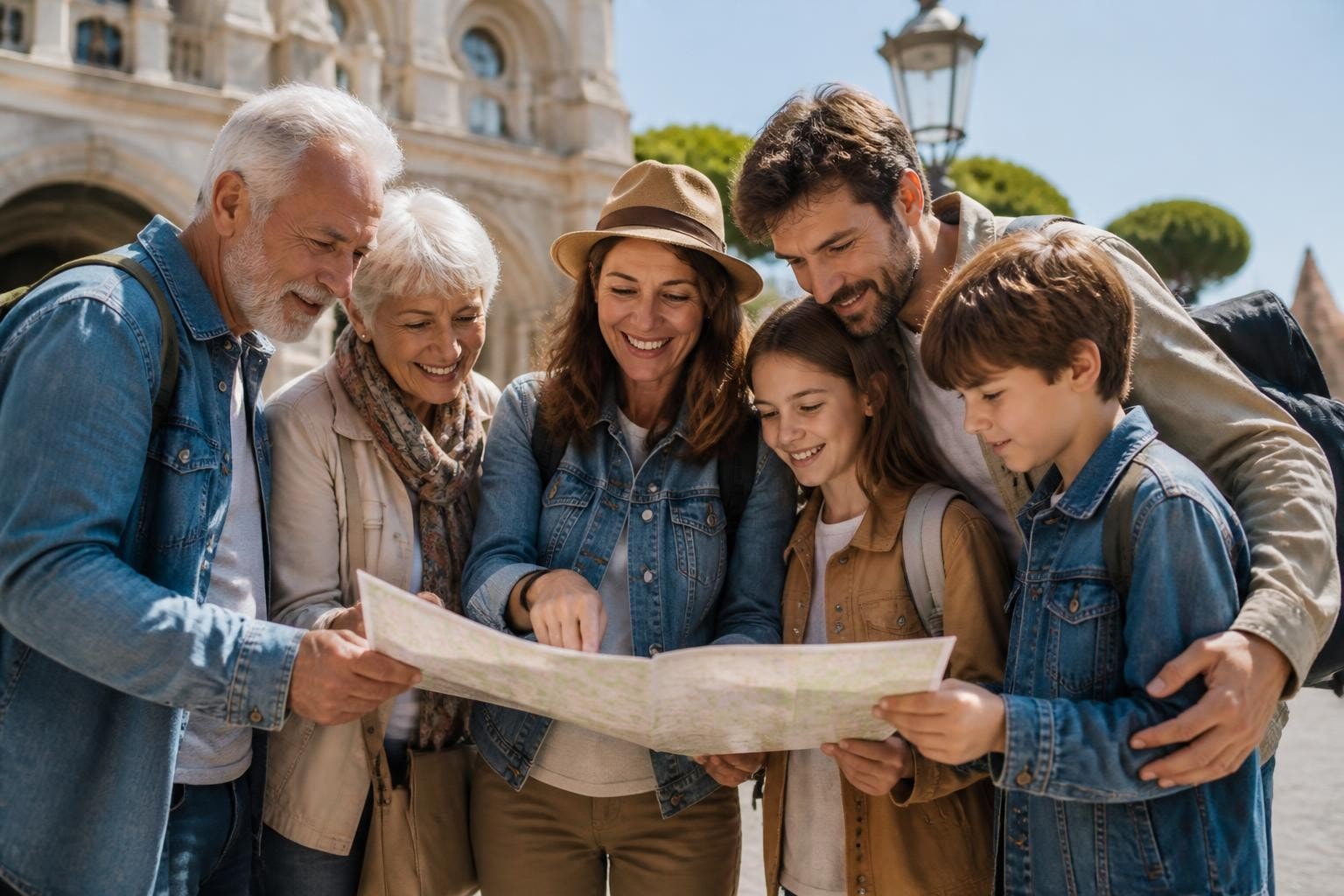
Traveling as a family creates memories that last lifetimes, but coordinating trips that satisfy toddlers, teenagers, parents, and grandparents simultaneously presents unique challenges. Family tour companies specialize in bridging these generational gaps, designing itineraries that balance adventure with comfort, education with entertainment, and flexibility with structure. These operators understand that successful family travel requires more than simply booking hotels and arranging transportation-it demands deep knowledge of destinations, expertise in managing group dynamics, and the ability to anticipate needs before they arise.
Understanding the Family Tour Market
The family travel sector has experienced remarkable growth over the past decade, with multi-generational trips becoming increasingly popular. According to insights from Skift Research on U.S. travel trends, families now prioritize experiences over material possessions, driving demand for thoughtfully curated journeys.

Family tour companies serve diverse client segments:
- Multi-generational groups spanning three or four generations
- Single-parent families seeking safe, supportive environments
- Blended families building new traditions together
- Extended family reunions celebrating milestones
- Educational family trips focused on cultural immersion
Market Drivers and Demographics
Research from the Family Travel Association reveals that 73% of leisure travelers with children plan at least one family vacation annually. These travelers demonstrate distinct booking behaviors compared to couples or solo adventurers.
| Traveler Priority | Percentage Rating "Very Important" | Impact on Tour Design |
|---|---|---|
| Safety and security | 94% | Vetted accommodations, medical support |
| Educational value | 78% | Cultural experts, hands-on activities |
| Flexibility in itinerary | 71% | Built-in downtime, optional activities |
| Age-appropriate activities | 89% | Parallel programming, varied pace |
The data shows that family tour companies must address multiple decision-makers within each booking. While parents typically control budgets, children increasingly influence destination selection, and grandparents often prioritize cultural authenticity and comfort.
Designing Effective Family Itineraries
Creating successful family tours requires balancing competing interests while maintaining cohesive group experiences. The most effective family tour companies employ strategic planning frameworks that accommodate diverse ages and abilities.
Age-Specific Programming
Smart operators develop parallel activities that unite families at key moments while allowing age-appropriate experiences throughout the day. A morning might feature monastery visits where adults engage in meditation while children participate in prayer flag painting workshops.
Key elements of age-inclusive design:
- Early morning optional activities for energetic teens
- Mid-day rest periods for younger children and seniors
- Evening family gatherings for shared meals and storytelling
- Flexible participation in physically demanding activities
Family tour companies working in destinations like Bhutan benefit from the country's naturally family-friendly culture. Bhutan’s emphasis on Gross National Happiness creates an environment where children learn about wellbeing alongside their parents, offering genuine educational value that resonates across generations.
Pacing and Downtime
The NYU-FTA U.S. Family Travel Survey indicates that overscheduling ranks among the top three complaints from family travelers. Professional tour operators build recovery time into daily schedules.
Consider this sample day structure:
- Morning (8:00-12:00): Primary cultural or adventure activity
- Midday (12:00-3:00): Lunch and rest at accommodation
- Afternoon (3:00-5:00): Secondary lighter activity or free time
- Evening (6:00-8:00): Group dinner and optional cultural performance
This rhythm prevents exhaustion while maintaining engagement. Family tour companies that respect natural energy cycles receive consistently higher satisfaction ratings.
Destination Selection for Family Tours
Not all destinations suit family travel equally. Family tour companies evaluate locations based on infrastructure, safety, cultural accessibility, and activity diversity. Destinations that excel in family tourism typically offer medical facilities, varied accommodation standards, reliable transportation, and welcoming local attitudes toward children.
Cultural Immersion vs. Comfort
Successful family tour companies strike careful balances between authentic cultural experiences and familiar comforts. Children and anxious travelers need touchstones of familiarity, while adventurous family members seek genuine local engagement.
Strategies for balanced experiences:
- Introduce unfamiliar foods alongside recognizable options
- Pair homestays with hotel nights for variety
- Offer cultural dress-up opportunities without mandatory participation
- Provide cultural context appropriate to different age groups
Destinations like Bhutan’s Western region offer ideal conditions for family cultural immersion. The compact geography between Paro, Thimphu, and Punakha allows families to experience diverse landscapes and cultural sites without exhausting travel days.
Safety and Health Considerations
Family tour companies maintain higher safety standards than general tour operators. Parents entrust their most precious assets to these companies, demanding transparent risk management and emergency protocols.
| Safety Element | Industry Standard | Family Tour Best Practice |
|---|---|---|
| Medical briefings | Pre-departure email | Video consultation with tour physician |
| Emergency contacts | 24-hour hotline | Direct guide mobile access |
| Activity safety briefings | Group orientation | Age-specific safety discussions |
| Insurance requirements | Recommended | Mandatory with verification |
The Adventure Travel Trade Association’s 2025 trends report notes that family-oriented adventure trips represent the fastest-growing segment within the adventure sector, yet these trips maintain statistically lower incident rates due to conservative planning and robust safety systems.
Multi-Generational Travel Dynamics
Multi-generational trips present both the greatest challenges and richest rewards for family tour companies. These journeys typically involve grandparents, parents, and children traveling together, creating complex needs matrices.
Managing Expectations Across Generations
Different generations approach travel with varying priorities. Research from AARP on creating harmonious multigenerational trips reveals common friction points that skilled family tour companies proactively address.
Common generational differences:
- Grandparents: Prioritize comfort, cultural learning, quality time with grandchildren
- Parents: Balance educational value, budget constraints, everyone's happiness
- Teenagers: Seek independence, social connection, adventure
- Young children: Need routine, familiar foods, age-appropriate activities
Effective family tour companies conduct pre-trip consultations with all adult decision-makers, establishing shared expectations and identifying potential conflicts before departure. These conversations often reveal that what appears to be a simple family vacation actually represents significant emotional investment-grandparents creating legacy memories, parents building family identity, children forming worldviews.
Accommodation Strategies
Lodging decisions significantly impact multi-generational trip success. Family tour companies carefully select properties that facilitate both togetherness and privacy.
Optimal accommodation configurations include:
- Connecting rooms that allow supervision while providing space
- Multi-bedroom suites for cost-conscious families
- Clustered individual rooms for extended families preferring independence
- Traditional homestays for cultural immersion with support systems
Some family tour companies offer the 6 nights Western Bhutan amusement journey, which thoughtfully combines monastery visits, conversations with monks about Buddhist perspectives on happiness, and discussions with professors on Gross National Happiness, creating meaningful intergenerational dialogue opportunities while exploring valleys from Thimphu to Phobjikha and Punakha.
Educational Value in Family Tours
Modern families increasingly view travel as educational investment. Family tour companies respond by incorporating learning objectives into itineraries without sacrificing enjoyment.
Hands-On Learning Experiences
The most effective educational components involve active participation rather than passive observation. Children retain information better when they manipulate materials, solve problems, or create products.
High-impact educational activities:
- Cooking classes featuring local cuisine preparation
- Traditional craft workshops (weaving, pottery, painting)
- Language lessons integrated into daily activities
- Environmental conservation projects
- Historical reenactments or role-playing exercises
When families visit Bhutan’s festivals, for instance, family tour companies enhance understanding by arranging conversations with dancers, explaining symbolic meanings, and encouraging children to try traditional instruments, transforming observation into engagement.
Connecting Learning to School Curricula
Forward-thinking family tour companies partner with educators to align trips with academic standards. Parents increasingly seek experiences that complement classroom learning, particularly in geography, history, environmental science, and cultural studies.
Academic research published in Nature on family tourism development demonstrates that experiential learning during family travel produces measurable gains in cultural competency, environmental awareness, and global citizenship skills that persist long after trips conclude.
Operational Excellence for Family Tour Companies
Behind successful family tours lies sophisticated operational infrastructure. Family tour companies must excel at logistics while appearing effortlessly organized to clients.
Guide Selection and Training
Guides working with families require specialized skills beyond standard tour guide competencies. The best family tour guides demonstrate:
- Patience with varying paces and frequent questions
- Flexibility to adjust plans when children need breaks
- Engagement skills across age ranges
- Safety vigilance heightened for younger travelers
- Conflict mediation for family dynamics
Family tour companies invest heavily in guide training, recognizing that guides serve as the primary interface between company promises and client experiences. A single exceptional guide can elevate an entire trip, while a poor guide can undermine even the best itinerary.
Crisis Management Protocols
Family groups require more robust contingency planning than adult-only tours. Illnesses, injuries, lost passports, and homesickness occur more frequently with children present.
Essential crisis protocols:
- Pre-identified medical facilities at each destination
- Relationships with pediatric specialists where available
- Emergency evacuation procedures and costs
- Communication trees for notifying families of incidents
- Replacement staff available for guide emergencies
Family tour companies operating in remote destinations like Bhutan’s Eastern regions maintain particularly detailed contingency plans, as medical facilities and transportation options become more limited in less-developed areas.
Technology and Communication
Modern family tour companies leverage technology to enhance service delivery while maintaining personal touches that distinguish exceptional operators.
Pre-Trip Communication Tools
The journey begins long before departure. Family tour companies use technology to build excitement, clarify expectations, and prepare travelers.
| Communication Tool | Purpose | Best Practice |
|---|---|---|
| Client portal | Document sharing, itinerary access | Mobile-responsive design |
| Video introductions | Guide and driver previews | Personalized messages for children |
| Packing lists | Age-specific recommendations | Interactive checklists |
| Destination primers | Cultural preparation | Gamified learning for kids |
These tools reduce pre-trip anxiety while ensuring families arrive prepared. Parents particularly appreciate detailed information about what to expect, while children enjoy countdown timers and destination games.
On-Trip Connectivity
Balancing connectivity with immersion challenges family tour companies. Parents want reassurance that they can reach home in emergencies, yet excessive device usage undermines travel benefits.
Progressive operators establish "connected and disconnected" frameworks:
- Morning check-in windows for email and messages
- Designated WiFi zones at accommodations
- Device-free activities during cultural experiences
- Photo-sharing systems that don't require constant phone access
- Emergency communication always available
This structured approach helps families remain present while maintaining necessary connections.
Pricing and Value Models
Family tour companies navigate complex pricing dynamics. Per-person pricing quickly becomes prohibitive for larger families, while flat rates may undervalue service costs. Successful operators develop transparent, fair pricing that communicates value.
Child Pricing Strategies
Various models exist for incorporating children into tour pricing:
Option 1: Age-Based Discounts
- Ages 0-2: 10% of adult price
- Ages 3-7: 50% of adult price
- Ages 8-12: 75% of adult price
- Ages 13+: Full adult price
Option 2: Private Family Rates
Flat pricing for families up to specific sizes, with supplements for additional members. This approach simplifies budgeting and often delivers better value for larger families.
Option 3: Inclusive Family Packages
All-in pricing covering parents and up to three children, recognizing that most travelers come in these configurations.
Transparent Value Communication
Data from the U.S. Travel Association’s group travel report shows that families prioritize value transparency over lowest price. Family tour companies that clearly itemize what's included versus optional build stronger trust.
Essential transparency elements:
- Detailed inclusion lists (meals, activities, guides, transportation)
- Clear exclusion statements (flights, tips, personal expenses)
- Optional activity pricing published upfront
- Cancellation and modification policies in plain language
- Hidden cost warnings (visa fees, activity supplements)
When families understand exactly what they're purchasing, satisfaction increases regardless of absolute price point.
Sustainable and Responsible Family Tourism
Family tour companies increasingly recognize their role in modeling sustainable travel practices. Parents want children to develop environmental consciousness and cultural respect, making tours ideal teaching opportunities.
Environmental Education
Incorporating conservation themes into family tours creates lasting impact. Bhutan’s pristine natural vegetation and commitment to carbon-negative status provide powerful examples for families learning about environmental stewardship.
Effective environmental programming:
- Wildlife observation with conservation context
- Waste reduction challenges for families
- Tree planting or habitat restoration activities
- Carbon footprint discussions appropriate to age
- Supporting local environmental NGOs
These experiences help children understand their environmental impact while contributing positively to destinations.
Cultural Respect and Reciprocity
Responsible family tour companies teach cultural respect through modeling and direct instruction. Children learn appropriate behavior in sacred spaces, photography etiquette, and meaningful local interaction.
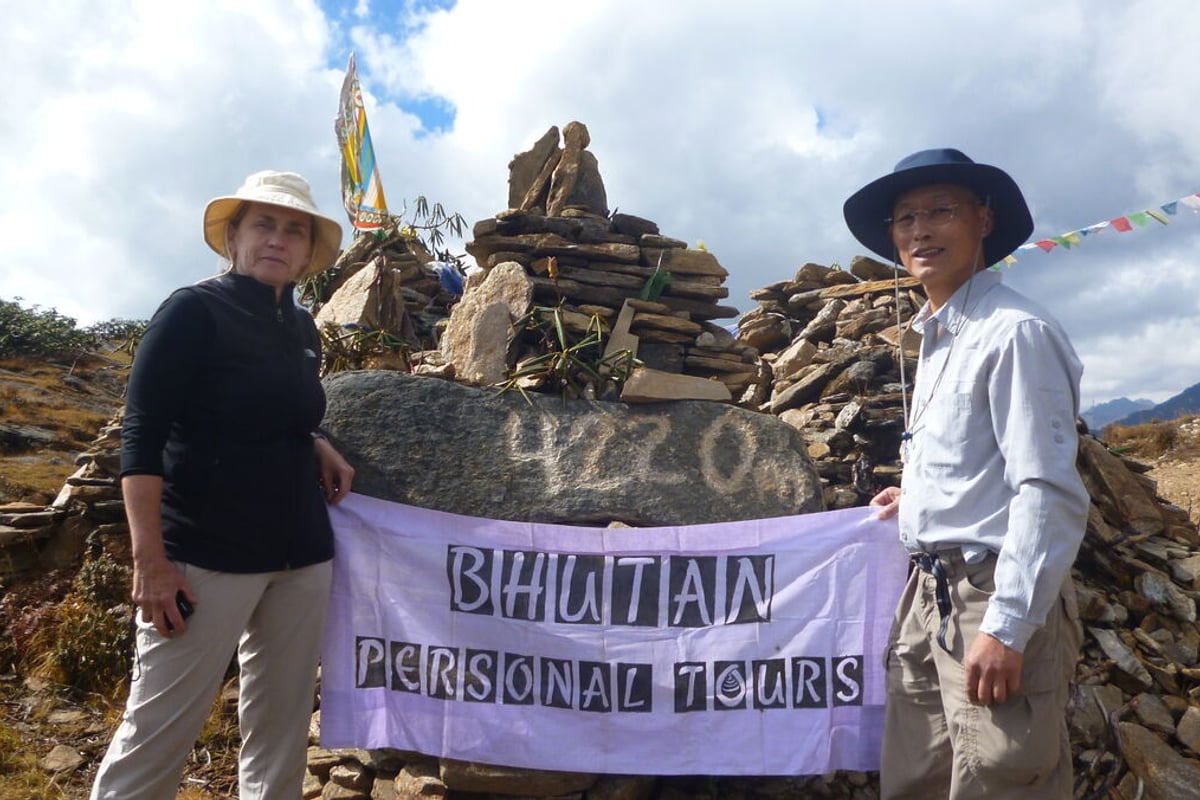
The single-group focus of some operators, such as those offering personalized Bhutan experiences, allows for deeper cultural connections and ensures local communities aren't overwhelmed by tourism, demonstrating sustainable tourism models to traveling families.
Future Trends in Family Tourism
The family tour industry continues evolving in response to demographic shifts, technology advances, and changing family structures. Forward-thinking family tour companies anticipate these trends when developing new products.
Emerging Family Configurations
Traditional nuclear families represent a declining percentage of family travelers. Family tour companies now design for:
- Solo grandparent trips with grandchildren (parents absent)
- Multi-family friend groups traveling together
- Digital nomad families combining work and extended travel
- Rainbow families seeking LGBTQ+-friendly destinations
- Special needs families requiring accessibility accommodations
Each configuration demands specific operational adjustments and marketing approaches.
Technology Integration
Virtual and augmented reality will increasingly supplement physical travel. Family tour companies explore pre-trip VR destination previews, AR-enhanced site interpretation, and post-trip virtual reunions that extend the travel experience.
Wellness-Focused Family Travel
Health and wellness themes permeate modern family tourism. Operators incorporate:
- Mindfulness activities adapted for children
- Nutrition-focused culinary experiences
- Physical activity balanced with rest
- Digital detox programming
- Mental health awareness discussions
These elements align with parental desires to raise healthy, balanced children while creating meaningful family connections.
Family tour companies that combine operational excellence, educational value, and authentic cultural experiences create transformative journeys that strengthen family bonds while expanding horizons. Whether planning multi-generational adventures or intimate parent-child escapes, partnering with specialists who understand family dynamics ensures memorable, stress-free travel. Bhutan Personal Tours and Treks brings over two decades of guiding experience and personalized attention to every family journey, crafting itineraries that honor Bhutan's rich culture while meeting your family's unique needs-one group at a time.