
Bhutan remains one of the world’s most captivating destinations, where ancient monasteries cling to cliffsides, prayer flags flutter across mountain passes, and centuries-old traditions thrive in daily life. For travelers wondering bhutan what to see during their visit, the answer encompasses far more than a simple list of landmarks. This Himalayan kingdom offers a tapestry of experiences that blend spiritual heritage, dramatic landscapes, vibrant festivals, and encounters with communities maintaining ways of life unchanged for generations. Understanding what to prioritize requires insight into Bhutan’s regional diversity, seasonal variations, and the depth of cultural engagement available throughout the country.
Western Bhutan’s Cultural Heartland
The western valleys hold the majority of Bhutan’s most accessible and iconic attractions, making this region essential for any discussion of bhutan what to see. Three major population centers anchor western itineraries, each offering distinct experiences and architectural treasures.
Paro Valley Essentials
Paro serves as Bhutan’s gateway, home to the country’s only international airport. The Paro International Airport approach itself offers dramatic mountain views that preview the kingdom’s topography. Beyond arrival logistics, Paro Valley rewards extended exploration with numerous landmarks.
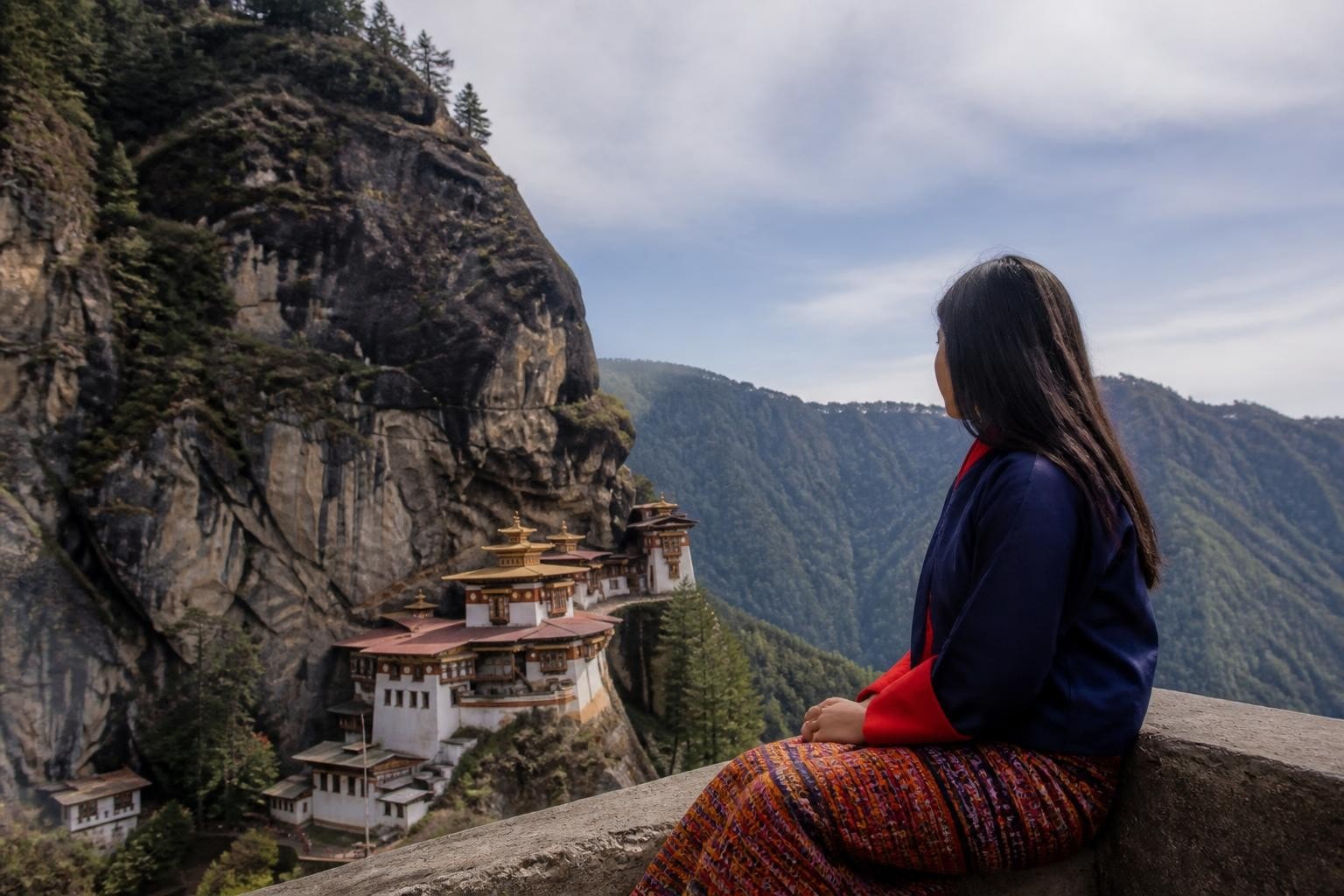
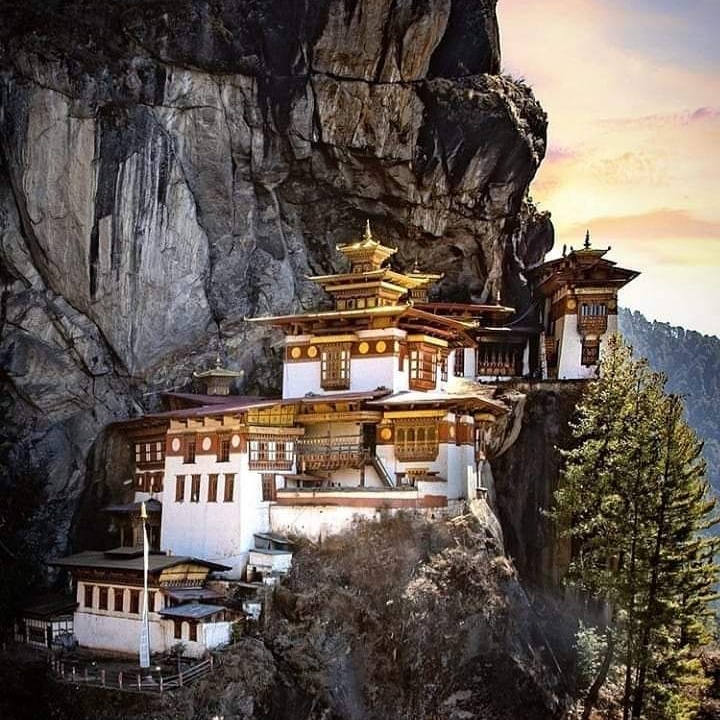
Taktsang Monastery, universally known as Tiger’s Nest, represents Bhutan’s most photographed site. This sacred Buddhist complex clings to a vertical cliff face 3,120 meters above sea level, requiring a two to three hour hike through pine forests. The monastery complex consists of four main temples connected by staircases carved into rock, each adorned with murals depicting Guru Rinpoche’s legendary eighth-century arrival on a flying tigress.
Additional Paro highlights include:
-
Rinpung Dzong: Fortress monastery housing monastic schools and administrative offices, featuring intricate woodwork and annual Paro Tsechu festival
-
National Museum: Housed in Ta Dzong watchtower, displaying thangka paintings, textiles, bronze statuary, and natural history collections
-
Kyichu Lhakhang: Seventh-century temple among Bhutan’s oldest Buddhist sites, with orange trees bearing fruit year-round according to local belief
-
Drukgyel Dzong ruins: Historic fortress offering views of Mount Jomolhari on clear days
Thimphu’s Modern Bhutanese Character
Thimphu, Bhutan’s capital since 1961, presents a unique blend of tradition and contemporary development. The city operates without traffic lights, relying instead on white-gloved traffic police who choreograph intersections with precise hand movements.
Key Thimphu attractions demonstrate bhutan what to see for understanding the nation’s governance philosophy and artistic heritage:
|
Landmark |
Significance |
Best Visiting Time |
|---|---|---|
|
Tashichho Dzong |
Seat of government and monastic body |
Late afternoon for golden hour photography |
|
National Memorial Chorten |
Daily circumambulation site for elderly citizens |
Early morning (6-8 AM) |
|
Buddha Dordenma |
51-meter bronze statue housing 125,000 smaller Buddhas |
Clear mornings for Himalayan backdrop |
|
Simply Bhutan Museum |
Interactive living museum of traditional life |
Mid-morning for demonstrations |
|
Weekend Market |
Fresh produce, textiles, traditional crafts |
Saturday-Sunday |
The city also houses the National Institute for Zorig Chusum, where students master Bhutan’s thirteen traditional arts through rigorous six-year programs. Visitors observe students creating thangka paintings, wood carvings, and bronze castings using techniques passed through generations.
Punakha and Wangdue Valleys
Punakha Valley served as Bhutan’s capital until 1955 and remains the winter residence of the monastic body. The Punakha Dzong, positioned at the confluence of Pho Chhu and Mo Chhu rivers, ranks among Bhutan’s most architecturally significant structures. Its six-story central tower houses sacred relics, while courtyards display intricate murals depicting Buddhist cosmology.
The Punakha Drubchen and Tsechu festivals in February and March draw thousands of participants for mask dances and reenactments of seventeenth-century battles. These events provide exceptional opportunities to witness UNESCO-recognized intangible cultural heritage traditions in their living context.
Nearby Chimi Lhakhang, the fertility temple dedicated to Drukpa Kunley, attracts pilgrims seeking blessings for conception. The temple’s phallus symbols and irreverent murals reflect the “Divine Madman’s” unconventional teaching methods that challenged religious orthodoxy in the fifteenth century.
Central Bhutan’s Spiritual Geography
Central Bhutan encompasses Trongsa, Bumthang, and adjacent valleys where Buddhism first took root in the kingdom. The region’s elevation, ranging from 2,600 to 4,000 meters, creates distinct microclimates supporting unique agricultural practices and architectural styles.
Bumthang Valley Complex
Bumthang consists of four valleys-Chokhor, Tang, Ura, and Chhume-each preserving significant temples and monasteries. When considering bhutan what to see for spiritual depth, Bumthang offers unparalleled concentration of sacred sites.
Jambay Lhakhang, constructed in 659 CE by Tibetan King Songtsen Gampo, predates most Bhutanese temples. Annual autumn festivals here feature the spectacular fire ceremony and sacred naked dance performed at midnight. Kurjey Lhakhang complex marks the meditation cave where Guru Rinpoche left his body imprint in rock, establishing Buddhism’s foothold in Bhutan.
The valleys support traditional crafts including:
-
Yathra weaving in Chhume Valley (distinctive woolen textiles with geometric patterns)
-
Swiss cheese production at dairy facilities established in the 1970s
-
Bumthang honey and apple brandy distillation
-
Bronze casting workshops using lost-wax techniques
Trongsa’s Strategic Position
Trongsa Dzong, built in 1648, controlled east-west travel for centuries. Its twenty-five temples spread across multiple levels demonstrate defensive architecture adapted to narrow ridge topography. The adjacent Ta Dzong museum chronicles Bhutan’s monarchy establishment and the Wangchuck dynasty’s unification efforts.
Eastern Bhutan’s Cultural Preservation
Eastern Bhutan receives fewer visitors despite offering profound cultural encounters and distinctive textile traditions. The region’s remoteness has preserved practices and dialects found nowhere else in the kingdom.
Trashigang and Border Regions
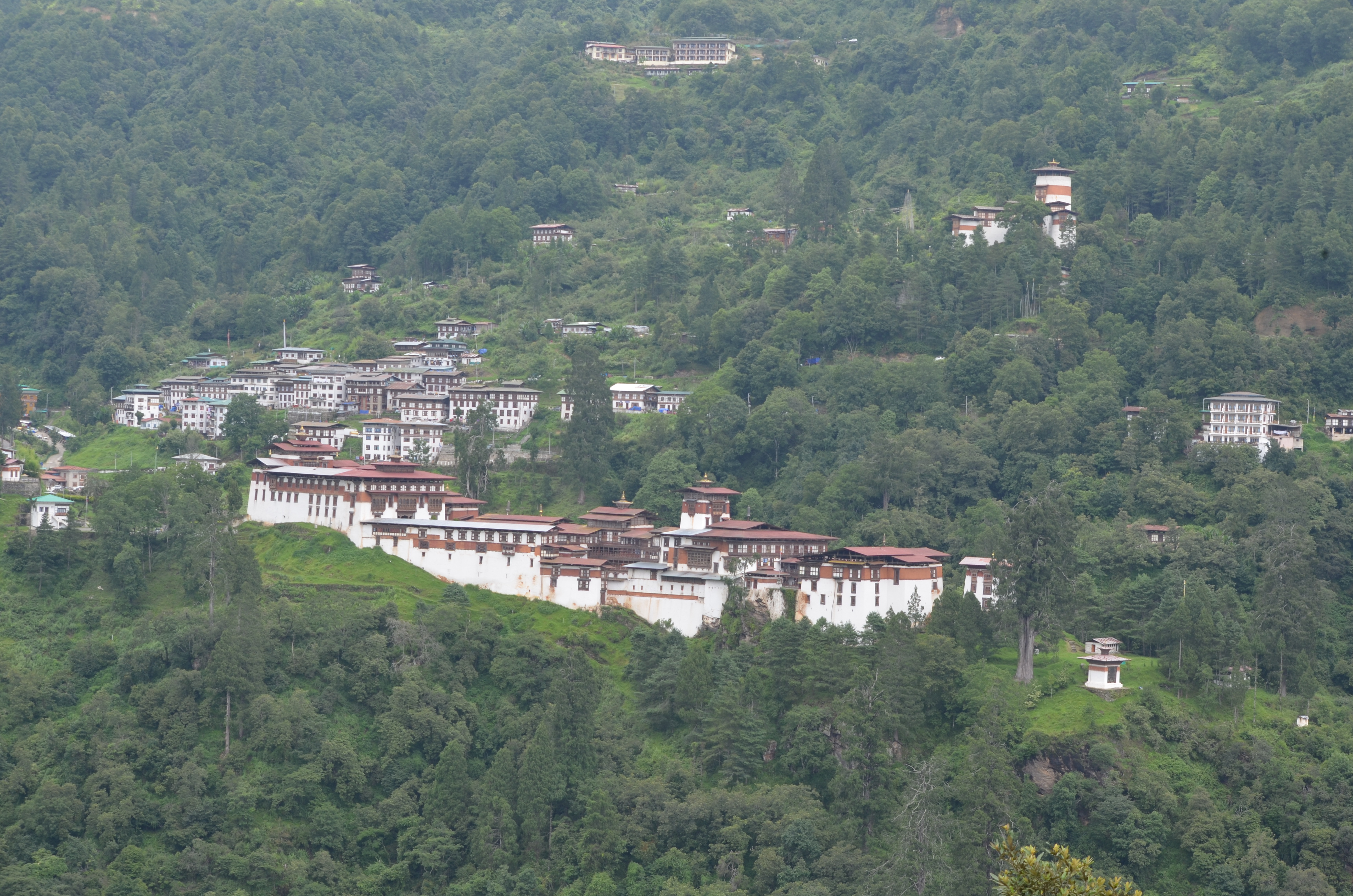
Trashigang, eastern Bhutan’s commercial hub, provides access to remote valleys where semi-nomadic communities maintain traditional livelihoods. The dzong overlooks the Drangme Chhu river, with weekend markets drawing traders from surrounding villages selling organic produce, handwoven textiles, and traditional medicines.
Gom Kora temple near Trashigang contains a meditation cave associated with Guru Rinpoche, where devotees perform annual circumambulation festivals. The site’s black rock formation, believed to subdue a demon, draws pilgrims from across the eastern region.
Trashiyangtse and Textile Heritage
Trashiyangtse district produces Bhutan’s finest handmade paper at Jungshi mill, where artisans create traditional daphne and edgeworthia paper using techniques documented since the eighth century. The district also specializes in dzo tshachu (turned wooden vessels) and hosts the spectacular Chorten Kora festival where thousands circumambulate the Nepalese-style stupa.
When researching bhutan what to see for textile enthusiasts, eastern valleys provide unmatched opportunities. Villages throughout Lhuentse and Mongar districts specialize in kushuthara (brocade weaving with supplementary weft patterns requiring months of labor for a single textile).
Phobjikha Valley and Natural Wonders
The glacial Phobjikha Valley, part of Wangdue district, transforms each winter into sanctuary for endangered black-necked cranes migrating from Tibetan plateau breeding grounds. From November through February, approximately 400-500 of these graceful birds inhabit the valley’s wetlands and agricultural fields.
The Royal Society for the Protection of Nature operates a conservation program focused on habitat preservation and community-based sustainable practices. The Black-necked Crane Festival in November celebrates the birds’ arrival through traditional dances, environmental education programs, and cultural performances by local schoolchildren.
Gangtey Monastery, perched above the valley, houses a Nyingmapa Buddhist community dating to the seventeenth century. The monastery’s annual Gangtey Tsechu and the valley’s nature trails offer perspectives on bhutan what to see for combining wildlife observation with cultural immersion.
For visitors seeking personalized experiences in Phobjikha and surrounding regions, the 6 nights Western Bhutan amusement itinerary includes meaningful engagements with monks discussing Buddhist perspectives on happiness and conversations with experts on Gross National Happiness philosophy, demonstrating that Bhutan offers depth beyond its visual beauty.
Festival Calendar and Seasonal Considerations
National Geographic’s travel guidance emphasizes seasonal planning for optimizing bhutan what to see experiences. Festival timing, weather patterns, and regional accessibility vary significantly throughout the year.
Spring Season Highlights (March-May)
Spring brings rhododendron blooms transforming hillsides into vibrant displays, with over forty rhododendron species flowering at different elevations. Major festivals include:
-
Paro Tsechu (March/April): Five-day celebration concluding with unfurling of massive thangka at dawn
-
Ura Yakchoe (April/May): Bumthang valley festival featuring sacred relic display
-
Punakha Drubchen and Tsechu (February/March): Reenactments and mask dances at Punakha Dzong
Weather remains clear with moderate temperatures, creating ideal trekking conditions before monsoon rains commence in June.
Autumn Festival Season (September-November)
Autumn represents peak visitation when harvest festivals occur throughout the kingdom. The Association of Bhutanese Tour Operators publishes comprehensive festival calendars detailing exact dates, which follow the lunar calendar.
Notable autumn celebrations include:
-
Thimphu Tsechu (September/October): Capital’s largest festival with three days of mask dances and religious performances
-
Jambay Lhakhang Drup (October/November): Bumthang’s ancient fire ceremony and sacred naked dance
-
Black-necked Crane Festival (November): Phobjikha Valley’s environmental celebration
-
Mongar Tsechu (November): Eastern region’s major gathering
Winter and Summer Patterns
Winter (December-February) offers crystalline Himalayan views and fewer tourists, though high-altitude areas become inaccessible. Summer monsoon (June-August) brings lush vegetation but obscured mountain vistas and difficult trekking conditions. Each season reveals different aspects of bhutan what to see, requiring thoughtful itinerary planning aligned with personal priorities.
Trekking Routes and Natural Landscapes
Bhutan’s trekking opportunities range from accessible day hikes to challenging multi-week expeditions through uninhabited wilderness. These routes provide perspectives on bhutan what to see beyond cultural sites, showcasing pristine ecosystems and remote mountain communities.
Classic Trek Options
|
Trek Name |
Duration |
Difficulty |
Key Features |
|---|---|---|---|
|
Druk Path |
5-6 days |
Moderate |
Lakes, rhododendron forests, Jomolhari views |
|
Jomolhari |
8-9 days |
Challenging |
Base of 7,326m peak, yak herder camps |
|
Snowman Trek |
25-27 days |
Extreme |
World’s most difficult trek, eleven 5,000m+ passes |
|
Gangtey Trek |
1 day |
Easy |
Valley floor walk through villages and wetlands |
The Natural Vegetation varies dramatically by elevation, from subtropical forests below 1,200 meters through temperate oak and rhododendron zones to alpine meadows and permanent snowfields above 5,000 meters. Protected areas cover over fifty percent of Bhutan’s territory, creating wildlife corridors supporting snow leopards, red pandas, takins, and golden langurs.
Winter treks like the Punakha Winter Trek and Gangtey Trek offer moderate temperatures and cultural village encounters unavailable during summer months.
Preparing for Your Bhutan Journey
Understanding bhutan what to see requires practical preparation regarding health, regulations, and cultural protocols. The CDC provides current health guidance for travelers, recommending routine vaccinations plus hepatitis A, typhoid, and altitude sickness precautions for higher elevations.
Cultural Etiquette Essentials
Bhutanese society maintains conservative dress codes and behavioral expectations, particularly at religious sites. Visitors should observe these practices:
-
Remove shoes before entering temples and monasteries
-
Walk clockwise around religious structures and prayer wheels
-
Avoid pointing feet toward sacred objects or people
-
Dress modestly covering shoulders and knees at dzongs and monasteries
-
Request permission before photographing religious ceremonies or individuals
-
Refrain from smoking in public areas (tobacco sale is prohibited nationwide)
Tourism Regulations and Sustainable Travel
Bhutan’s sustainable tourism policy requires all visitors (except Indian, Bangladeshi, and Maldivian nationals) to book through licensed tour operators and pay a Sustainable Development Fee. This framework ensures tourism revenue supports conservation, cultural preservation, and community development while limiting environmental impact.
The policy enables meaningful engagement rather than superficial touring. Licensed guides provide cultural context, facilitate authentic interactions with local communities, and navigate logistical complexities that independent travelers would find challenging. Understanding Gross National Happiness principles that prioritize collective wellbeing over economic growth alone helps visitors appreciate Bhutan’s distinctive development philosophy.
Regional Specializations Worth Exploring
Beyond major landmarks, specific interests can guide explorations of bhutan what to see based on personal passions. The kingdom supports diverse activities from spiritual retreats to adventure sports.
Specialized Interest Areas
Buddhist studies and meditation: Extended stays at monasteries throughout Bumthang, with teachings from resident lamas and participation in daily rituals. Some facilities accommodate serious practitioners for weeks or months of study.
Photography expeditions: Seasonal workshops coinciding with festivals, crane migrations, or rhododendron blooms. Eastern Bhutan’s textiles and central region’s agricultural traditions provide documentary subjects.
Adventure activities: Mountain biking routes through valleys, white-water rafting on Mo Chhu and Pho Chhu rivers, and fly fishing for rare Himalayan trout species in protected streams.
Textile and craft immersion: Multi-day programs with master weavers demonstrating complex brocade techniques, natural dyeing processes, and traditional loom setup. Thimphu and eastern villages offer workshop accommodations.
Lesser-Known Destinations
For travelers seeking experiences beyond standard itineraries:
-
Haa Valley: Remote western valley near Tibetan border, opened to tourism in 2002, preserving animist traditions alongside Buddhist practices
-
Lhuentse: Ancestral home of Bhutan’s royal family, producing finest kushuthara brocades and maintaining strict weaving guilds
-
Zhemgang: Central region’s subtropical belt with temple complexes accessible only by suspension bridge crossings
These areas require additional travel time but reward visitors with authentic cultural encounters unavailable in heavily toured circuits.
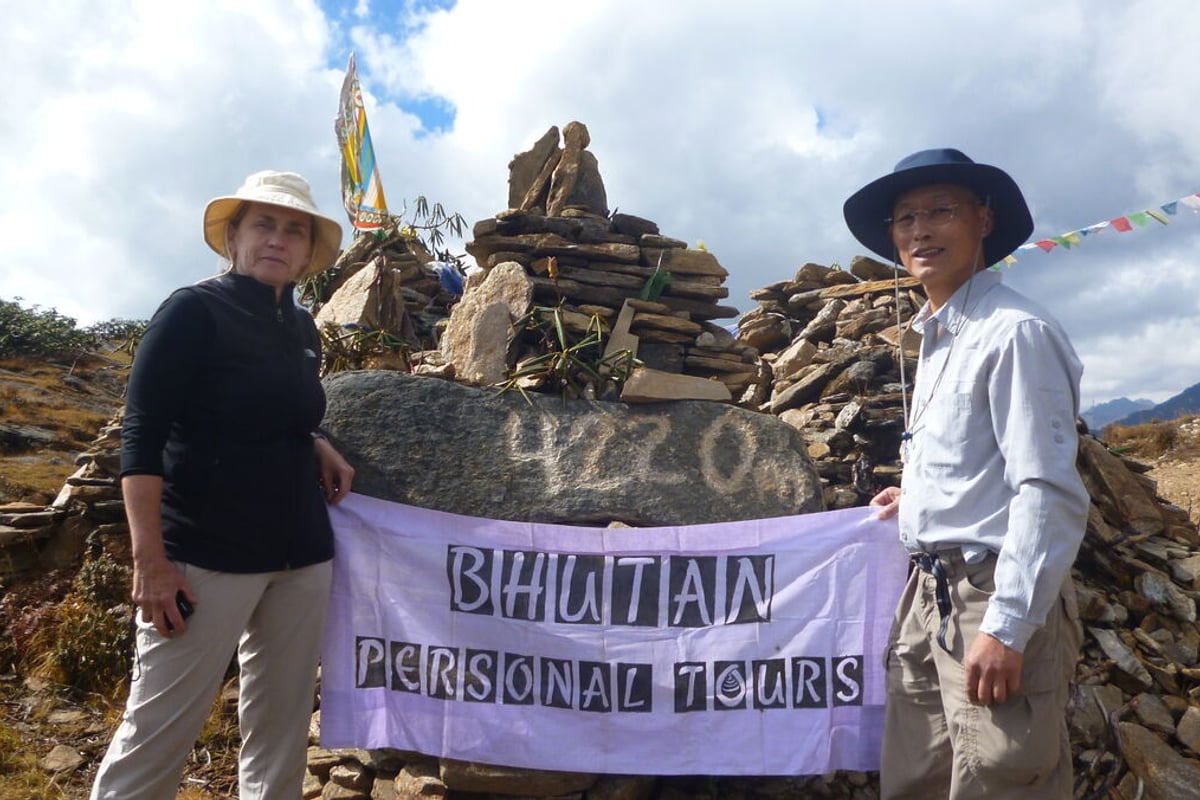
Bhutan’s treasures extend from iconic cliff-top monasteries to intimate village encounters, from sacred festivals to pristine wilderness trails. Each region offers distinct perspectives on Buddhist culture, traditional arts, and harmonious coexistence with dramatic Himalayan landscapes. Whether your interests lie in spiritual exploration, cultural documentation, natural history, or adventure pursuits, understanding bhutan what to see helps create meaningful itineraries aligned with personal values. Bhutan Personal Tours and Treks specializes in crafting personalized experiences that go beyond surface-level tourism, taking one group at a time to ensure exceptional organization and connections with local experts who can illuminate Bhutan’s depth and beauty through authentic engagement.