

Choosing the bhutan best time to go depends on what you seek from this remarkable Himalayan kingdom. Whether you prioritize pristine weather, vibrant cultural festivals, exceptional trekking conditions, or quieter trails with fewer visitors, Bhutan offers distinct experiences across every season. The country’s dramatic elevation changes create microclimates that vary from subtropical valleys to alpine meadows, making timing crucial for maximizing your journey. Understanding the interplay between weather patterns, festival calendars, and seasonal activities ensures you experience Bhutan at its most compelling. This comprehensive guide breaks down every month to help you pinpoint your ideal travel window.
Understanding Bhutan’s Climate Zones
Bhutan’s geography creates three distinct climate zones that significantly impact when to visit different regions. The southern border areas experience subtropical conditions with heavy monsoon rainfall, while central valleys like Paro, Thimphu, and Punakha enjoy temperate weather with four distinct seasons. The high Himalayan regions face alpine conditions with brief summer windows and extended winters.
The National Center for Hydrology and Meteorology tracks these variations closely, providing essential seasonal forecasts for travelers. Elevation differences of several thousand meters mean you can experience multiple climate zones in a single day. When planning your itinerary across Western Bhutan, these variations become particularly relevant.
Monsoon Patterns and Their Impact
The southwest monsoon dominates Bhutan’s climate from June through September, delivering approximately 70-80% of annual precipitation. Southern regions receive the heaviest rainfall, sometimes exceeding 5,000mm annually, while the northern rain shadow areas remain comparatively dry. Recent climate variability trends have made monsoon timing less predictable, with occasional late starts or early withdrawals affecting traditional travel patterns.
Understanding these patterns helps identify the bhutan best time to go for specific activities. Trekking routes become challenging during monsoon months, while cultural touring in valleys remains feasible with proper preparation.
Spring Season: March Through May
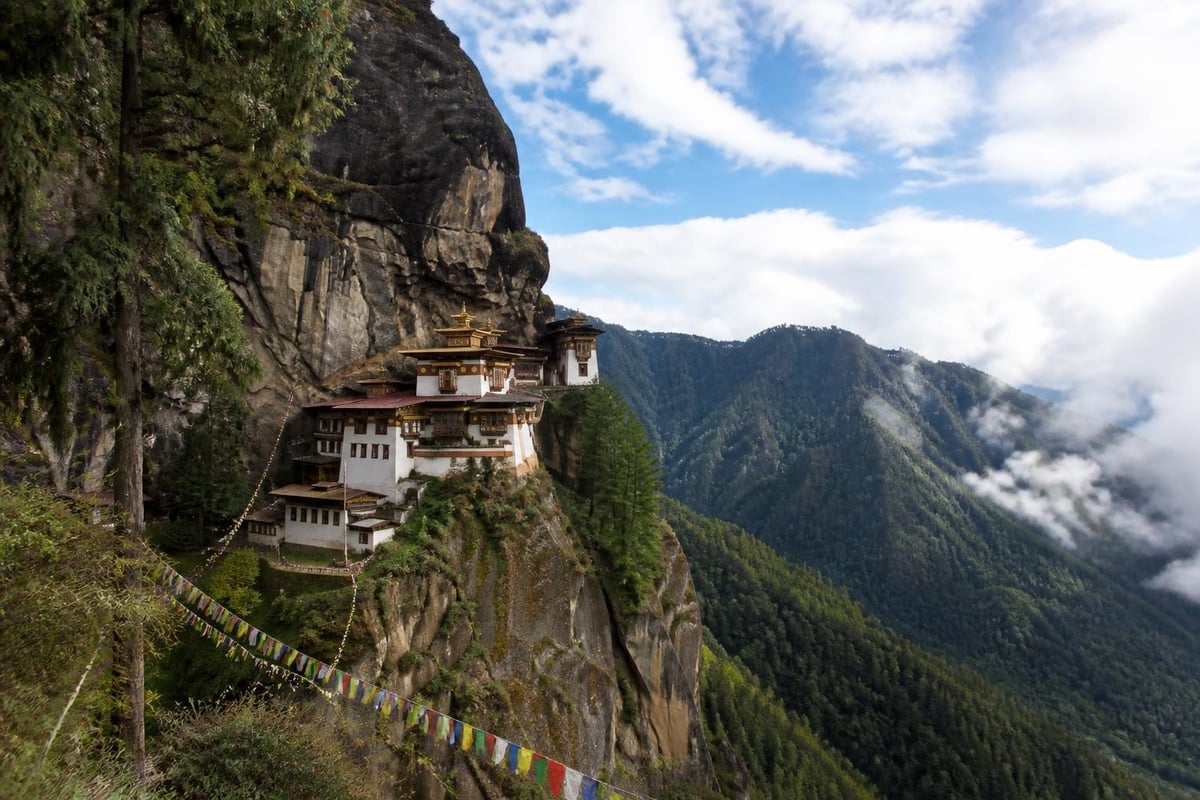
Spring ranks among the most popular periods and represents a prime bhutan best time to go for many travelers. March brings warming temperatures and the spectacular blooming of rhododendrons across hillsides, painting forests in shades of red, pink, and white. As noted by National Geographic’s travel experts, spring offers exceptional trekking conditions before monsoon rains arrive.
Key Spring Advantages:
-
Comfortable daytime temperatures ranging 15-20°C in valleys
-
Clear morning visibility for mountain views
-
Wildflower displays at various elevations
-
Active bird migration patterns
-
Pre-monsoon festival schedule
March Weather and Activities
March transitions from winter chill to pleasant spring warmth. Early March can still feel crisp, particularly in higher elevations and shaded valleys, but by month’s end, conditions become ideal for outdoor exploration. The famous Paro Tsechu typically occurs in March or April, attracting visitors for its vibrant masked dances and sacred unfurling of the giant thangka.
Trekking routes like the Druk Path Trek become accessible as snow melts from lower passes. Valley destinations including Punakha showcase spring agriculture with farmers preparing rice paddies.
April Peak Season
April represents peak spring travel when weather stability reaches its height. This month sees maximum international arrivals, making advance booking essential. Temperatures climb comfortably into the 20s Celsius during daytime while nights remain cool enough for pleasant sleep without air conditioning.
The drawback of April’s popularity appears in higher visitor numbers at major sites like Tiger’s Nest monastery. Those seeking solitude should plan visits to Eastern Bhutan or schedule major sites for early morning arrivals.
May Transition Period
May bridges spring and monsoon, offering warm days and increasing afternoon cloud build-up. The first half of May extends excellent trekking weather, while late May introduces sporadic pre-monsoon showers. Heat builds in southern valleys, but central regions maintain comfortable conditions.
|
Month |
Avg. Temp (°C) |
Rainfall |
Visibility |
Crowd Level |
|---|---|---|---|---|
|
March |
12-18 |
Low |
Excellent |
Moderate |
|
April |
15-21 |
Low |
Excellent |
High |
|
May |
18-24 |
Moderate |
Good |
Moderate-High |
Autumn Season: September Through November
Autumn rivals spring as the bhutan best time to go and is particularly favored by serious trekkers and photographers. Following the monsoon withdrawal, typically by mid-September, skies clear to reveal stunning Himalayan panoramas. Freshly washed landscapes glow with vibrant colors, and crisp air provides exceptional clarity for mountain photography.
Autumn Highlights:
-
Crystal-clear mountain visibility
-
Stable, dry weather patterns
-
Rich harvest season colors
-
Major festival concentration
-
Comfortable trekking temperatures
September Shoulder Season
Early September may still catch monsoon tail-end showers, but conditions improve dramatically by mid-month. As Lonely Planet’s seasonal guide explains, September offers the advantages of autumn weather with fewer crowds than October. Rice paddies ripen to golden hues throughout valleys, creating photogenic agricultural landscapes.
The famous Black-Necked Crane migration begins in late September, with birds arriving in Phobjikha Valley from Tibetan plateau breeding grounds. The Black-Necked Crane Festival celebrates this annual return, combining conservation education with cultural performances.
October Peak Autumn
October delivers Bhutan’s most reliable weather window. Day after day of clear skies, comfortable temperatures, and stable conditions make this the absolute peak season. Expect maximum tourist arrivals and book accommodations well in advance, particularly for festival dates.
Major festivals dominate October’s calendar. The Thimphu Tsechu, typically held in late September or early October, ranks as Bhutan’s largest festival gathering. Smaller festivals like the Gangtey Tsechu offer more intimate cultural experiences.
Trekking conditions reach perfection across all difficulty levels. Popular routes like Jomolhari Trek experience heavy bookings, so alternative routes through Central Bhutan provide equally stunning scenery with fewer trekkers.
November Late Autumn
November extends excellent travel weather into early winter. The first half maintains autumn’s clarity and comfort, while late November introduces chillier nights and occasional early snowfall at high elevations. Tourist numbers decrease after mid-November, creating opportunities for those preferring quieter experiences.
Winter Season: December Through February
Winter presents an underrated bhutan best time to go for travelers seeking solitude, cultural depth, and lower-elevation exploration. While high passes close under snow and temperatures drop significantly, valleys remain accessible and offer profound experiences without crowds. The official tourism guidance notes winter as an excellent period for cultural immersion and valley-based touring.
December Early Winter
December brings crisp, clear days with brilliant sunshine that warms valleys despite cool air temperatures. Mornings start frosty, but midday sun creates pleasant conditions for sightseeing. Skies maintain exceptional clarity, offering spectacular Himalayan views when mountains gleam with fresh snow.
Winter festivals include Punakha Drubchen and the subsequent Punakha Tsechu, providing cultural highlights without autumn’s crowds. Specialized winter treks like the Punakha Winter Trek and Gangtey Trek remain accessible and showcase snow-dusted landscapes.
For travelers interested in experiencing Bhutan beyond its scenic beauty, winter provides ideal conditions for in-depth cultural engagement. The 6 nights Western Bhutan amusement journey creates space for meaningful conversations with monks about happiness from a Buddhist perspective and discussions with professors on Gross National Happiness, experiences that resonate more deeply when travel pace slows naturally.
January Deep Winter
January represents Bhutan’s coldest month, with valley temperatures ranging 0-12°C and high elevations experiencing significant freezing. However, southern regions maintain mild conditions, and strong winter sunshine creates comfortable daytime touring weather. Tourist numbers reach annual lows, meaning popular sites like Tiger’s Nest become remarkably peaceful.
Winter Travel Considerations:
-
Pack substantial warm layers including down jackets
-
Expect shorter daylight hours (approximately 10 hours)
-
Plan valley-focused itineraries avoiding high passes
-
Book accommodations with reliable heating systems
-
Enjoy significantly reduced visitor competition at attractions
February Winter’s End
February begins winter’s gradual transition toward spring. Late winter festivals punctuate the calendar, and weather remains predominantly clear and dry. Plum and peach blossoms begin appearing in warmer southern valleys by month’s end, heralding spring’s approach.
Black-Necked Cranes prepare for their return migration to Tibet, offering final viewing opportunities in Phobjikha Valley. Photography enthusiasts appreciate winter’s exceptionally clear air for landscape and wildlife documentation.
Summer Monsoon: June Through August
Summer monsoon season receives the least international visitors, making it the bhutan best time to go for travelers specifically seeking solitude or budget-conscious options. While rain arrives regularly, particularly in afternoons and evenings, mornings often clear for sightseeing. The World Meteorological Organization provides seasonal forecasting that helps understand monsoon intensity variations year to year.
June Monsoon Arrival
June marks monsoon onset, typically around mid-month, though timing varies annually. Pre-monsoon June days feel warm and humid, with increasing cloud development. Once established, monsoon rains create lush green landscapes and fill waterfalls to impressive volumes.
Cultural touring remains viable during monsoon months. Indoor activities like museum visits, monastery tours, and traditional craft workshops suit rainy weather perfectly. Destinations including Bumthang maintain appeal despite wet conditions.
July and August Peak Monsoon
July and August deliver maximum rainfall, particularly in southern and eastern regions. However, northern rain-shadow areas including parts of Paro valley receive significantly less precipitation. Clouds obscure mountain views frequently, making this period unsuitable for photography-focused trips or high-altitude trekking.
Monsoon Benefits:
-
Verdant landscapes at peak greenness
-
Fewer tourists creating intimate experiences
-
Lower accommodation rates in some locations
-
Mushroom foraging season for culinary enthusiasts
-
Vibrant agricultural activity throughout valleys
Road conditions require attention during monsoon months, as landslides occasionally disrupt travel. Flexible itineraries and experienced guides become particularly valuable during this season. Those exploring introduction to Bhutan cultural aspects rather than outdoor adventures find monsoon season perfectly adequate.
|
Season |
Temperature Range |
Rainfall |
Best For |
Avoid If |
|---|---|---|---|---|
|
Spring (Mar-May) |
12-24°C |
Low-Moderate |
Trekking, festivals, flowers |
You dislike crowds |
|
Autumn (Sep-Nov) |
10-23°C |
Low |
Everything |
You need budget travel |
|
Winter (Dec-Feb) |
0-15°C |
Very Low |
Culture, solitude, clarity |
You dislike cold |
|
Summer (Jun-Aug) |
18-26°C |
High |
Greenery, solitude |
Trekking is essential |
Matching Your Travel Priorities with Season
Determining the bhutan best time to go requires aligning Bhutan’s seasonal characteristics with your specific interests and constraints. Different travelers prioritize different experiences, and fortunately Bhutan offers compelling reasons to visit during every season.
Festival-Focused Travel
Bhutan’s festival calendar drives many visitors’ timing decisions. Major tsechus occur predominantly in spring and autumn, though winter festivals in Punakha and smaller celebrations throughout the year provide alternatives. Festival dates follow the lunar calendar, shifting annually on the Gregorian calendar, making advance research essential.
The comprehensive festivals calendar maintained by local experts helps identify specific dates for 2026. Booking 3-4 months ahead ensures accommodation near festival venues during peak events.
Trekking and Outdoor Adventures
Serious trekkers find April-May and September-November as the bhutan best time to go for high-altitude routes. Snow clears from passes by April, while September delivers post-monsoon stability. Multi-day treks require reliable weather, making shoulder season margins riskier than peak windows.
The extensive trekking options available range from moderate valley walks to challenging high-altitude expeditions. Winter treks at lower elevations, including the Samtengang Winter Trek, provide alternatives when traditional routes face snow closure.
Specialized activities like mountain biking and fly fishing have specific seasonal windows. Mountain biking excels during dry months, while fishing season runs March-September with May-June peak periods.
Photography and Landscape Focus
Landscape photographers benefit most from October-November’s crystal clarity and March-April’s wildflower displays. Winter delivers unmatched mountain visibility but requires tolerance for cold conditions. Monsoon season’s cloud cover obscures distant views, though dramatic weather creates its own photographic opportunities.
The natural vegetation diversity documented in Bhutan’s ecosystem shifts dramatically with seasons. Rhododendron forests peak in spring, while autumn brings harvest colors and winter reveals structural landscape bones under snow.
Cultural Immersion and Learning
Those prioritizing deep cultural understanding over outdoor adventures find winter and monsoon months particularly rewarding. Reduced tourist numbers create opportunities for extended conversations with locals, unhurried temple visits, and participation in daily life rhythms. Understanding Gross National Happiness philosophy benefits from slower-paced exploration possible during quieter seasons.
Budget Considerations
While Bhutan’s Sustainable Development Fee remains consistent year-round, accommodation flexibility and occasional promotional offers appear during monsoon and winter shoulder periods. January-February and July-August generally see softer demand, though substantial discounts remain uncommon given Bhutan’s controlled tourism approach.
Practical Logistics Across Seasons
Beyond weather and activities, practical considerations influence the bhutan best time to go for your specific situation. Flight availability, visa processing times, and domestic logistics vary somewhat by season.
Flight Connectivity
Paro International Airport, Bhutan’s sole international gateway, experiences peak scheduling during spring and autumn. Druk Air and Bhutan Airlines increase frequencies during high season, providing more flexible routing options. Winter months sometimes see reduced flight schedules, requiring advance planning for preferred travel dates.
Weather impacts operations year-round. Paro’s challenging mountain approach demands visual conditions, occasionally causing delays or cancellations during monsoon months or winter fog. Building schedule flexibility helps accommodate potential disruptions.
Accommodation Availability
Tourist-standard hotels in major destinations like Thimphu, Paro, and Punakha maintain year-round operations, but some smaller properties close during deep winter. Remote regions including parts of Eastern Bhutan have limited infrastructure that operates seasonally.
Peak autumn and spring periods require advance booking, particularly during major festivals. Working with experienced operators who maintain relationships with accommodation providers ensures reliable arrangements. The personalized approach of taking one group at a time guarantees focused attention on securing optimal lodging regardless of season.
Road Conditions and Accessibility
Bhutan’s mountain roads face different challenges across seasons. Monsoon brings landslide risks requiring flexible routing. Winter snow closes high passes, limiting access to remote areas but leaving valley routes fully operational. Spring and autumn provide most reliable road conditions throughout the network.
The East-West highway connecting regions from Trashigang to Paro remains passable year-round, though monsoon caution applies. Specialized destinations require seasonal assessment with local expertise.
Regional Variations in Optimal Timing
Different regions across Bhutan have slightly varying optimal seasons, adding nuance to identifying the bhutan best time to go based on your planned itinerary.
Western Bhutan Valleys
The most-visited western valleys including Paro, Thimphu, Punakha, and Wangdue experience classic seasonal patterns. April, October, and November represent peak months with optimal conditions. March and May provide excellent shoulder season alternatives with manageable crowds.
Winter remains highly viable for western valley touring, with comfortable daytime temperatures and reliable sunshine. The valley floors rarely receive significant snow, maintaining accessibility.
Central Bhutan Highlands
Central regions including Bumthang, Trongsa, and surrounding valleys sit higher than western counterparts, experiencing cooler temperatures year-round. Summer monsoon delivers less rainfall here than in southern regions, making June-August more viable than in western areas.
Spring arrives later and autumn earlier in central highlands. Late April through May and September through mid-October mark prime windows. Winter brings significant cold, with nighttime temperatures frequently below freezing.
Eastern Bhutan Frontier
Eastern regions including Mongar, Lhuentse, and Trashiyangtse receive fewer visitors year-round, making timing less critical from a crowding perspective. These areas experience higher monsoon rainfall than western valleys, reinforcing autumn and spring as preferred seasons.
Eastern Bhutan’s cultural festivals, including the spectacular Chorten Kora circumambulation, follow the same lunar calendar but offer alternatives when western festivals reach capacity.
Southern Border Regions
Subtropical southern areas near Samdrup Jongkhar experience distinctly different climate patterns. Winter provides most comfortable visiting conditions, while summer heat and humidity intensify significantly. These regions suit winter itineraries when northern highlands face cold conditions.
Making Your Final Decision
Identifying your personal bhutan best time to go ultimately balances weather preferences, specific interests, schedule flexibility, and tolerance for crowds versus solitude. No single “perfect” month exists because different travelers prioritize different experiences.
Decision Framework:
-
Define your primary interest: Trekking, festivals, photography, culture, or mixed touring
-
Assess weather tolerance: Comfort with rain, cold, or heat
-
Check festival dates: If specific celebrations drive your visit
-
Consider crowd preferences: Peak season energy versus shoulder season calm
-
Verify activity availability: Some experiences run seasonally
-
Review your flexibility: Rigid dates or adjustable timing
Travelers passionate about multi-day trekking should prioritize September-November or April-May regardless of other factors. Festival enthusiasts must align with specific celebration dates. Those emphasizing cultural depth gain advantages from quieter winter or monsoon periods.
First-time visitors often benefit most from classic autumn (October-November) or spring (March-April) windows that combine reliable weather with diverse activity options. Return visitors can explore seasonal variations to experience Bhutan’s different faces.
Working with local expertise proves invaluable when matching your priorities with optimal timing. Guides with decades of experience understand subtle seasonal shifts, emerging patterns from climate variability, and practical logistics that maximize each season’s strengths while mitigating challenges.
Choosing the bhutan best time to go transforms from overwhelming to exciting when you understand how each season aligns with your travel style and interests. Whether you seek spring’s rhododendron blooms, autumn’s crystalline skies, winter’s cultural intimacy, or summer’s lush greenery, Bhutan rewards visitors year-round with authentic experiences. Bhutan Personal Tours and Treks specializes in crafting personalized itineraries that leverage seasonal advantages while accommodating your specific timing, ensuring your journey unfolds during the optimal window for your unique priorities and creating memories that reflect Bhutan’s deepest beauty and cultural richness.