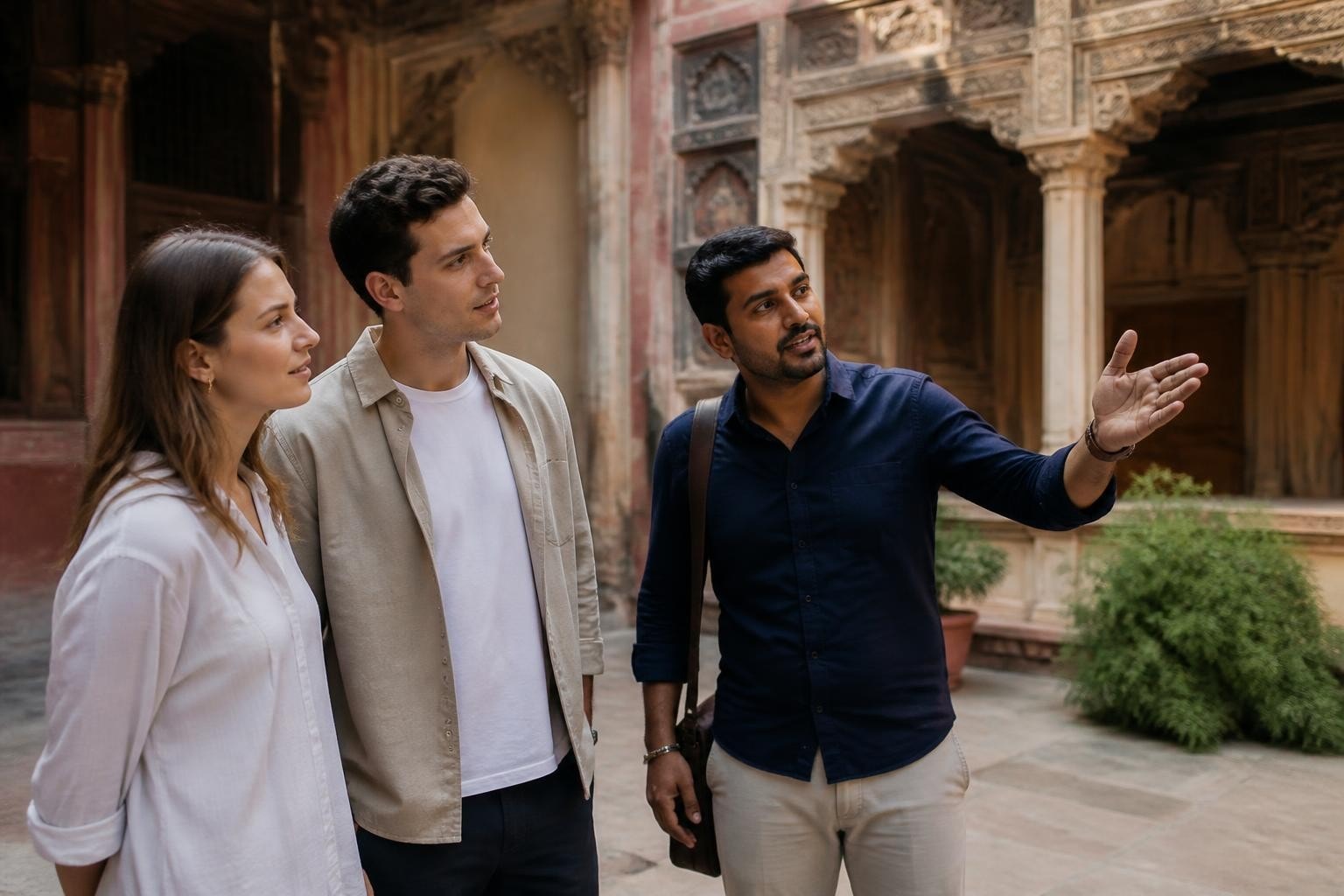
Traveling to a new destination offers excitement and discovery, but the difference between a good trip and an extraordinary journey often comes down to one factor: the quality of guidance you receive. A private tour guide brings specialized knowledge, cultural fluency, and personalized attention that transforms sightseeing into authentic immersion. Unlike group tours where itineraries follow rigid schedules and generic narratives, working with a dedicated guide creates space for genuine curiosity, spontaneous exploration, and connections that resonate long after you return home. In 2026, as travelers increasingly seek meaningful experiences over superficial tourism, the value of expert private guiding has never been more apparent.
The Professional Foundation of Private Guiding
The distinction between a casual escort and a professional private tour guide lies in training, certification, and commitment to ethical practice. Legitimate guides invest years developing expertise in history, culture, ecology, and interpretation techniques. Many hold certifications from national tourism boards or international organizations that verify their competency.
Professional standards matter significantly in this field. The World Federation of Tourist Guide Associations maintains a comprehensive Code of Guiding Practice that establishes expectations for ethics, accuracy, and professional conduct. These standards protect both travelers and the destinations they visit.
Specialized Knowledge and Continuous Learning
A qualified private tour guide maintains expertise through continuous education. This includes:
-
Regular updates on historical research and archaeological discoveries
-
Training in sustainable tourism practices and environmental stewardship
-
Cultural sensitivity workshops and language skill development
-
First aid certification and emergency response protocols
-
Interpretation techniques that engage diverse learning styles
The best guides view their profession as a craft requiring lifelong refinement. They read extensively, attend conferences, and cultivate relationships with local scholars, artists, and community members who deepen their understanding.
Licensing and Insurance Requirements
Operating legally as a private tour guide involves navigating regulatory frameworks that vary by location. In the United States, for example, guides working in national parks must obtain Commercial Use Authorizations that ensure they meet insurance minimums and follow park-specific operating conditions.
Insurance considerations extend beyond basic liability. The Insurance Information Institute explains that professional guides typically need both general liability coverage (protecting against accidents and injuries) and professional liability insurance (covering errors in judgment or advice).
|
Insurance Type |
Coverage |
Typical Minimum |
|---|---|---|
|
General Liability |
Bodily injury, property damage |
$1-2 million |
|
Professional Liability |
Errors, omissions, negligence |
$500,000-$1 million |
|
Vehicle Coverage |
Transportation incidents |
State/country requirements |
|
Medical Evacuation |
Emergency transport |
$100,000+ for remote areas |
Creating Personalized Experiences
The primary advantage of hiring a private tour guide centers on customization. Unlike standardized group tours, private guiding adapts to your interests, pace, and curiosity in real time.
A skilled guide begins by understanding your motivations. Are you a photography enthusiast seeking golden-hour light at specific locations? A history scholar wanting deep dives into particular periods? A family with varying ages requiring flexible pacing? This initial consultation shapes every subsequent decision.
Flexibility That Responds to the Moment
Private guiding allows spontaneity that group tours cannot accommodate. If you discover unexpected interest in traditional textile techniques, your guide can extend time at a weaving center and adjust the afternoon accordingly. When weather shifts, alternate indoor experiences materialize seamlessly.
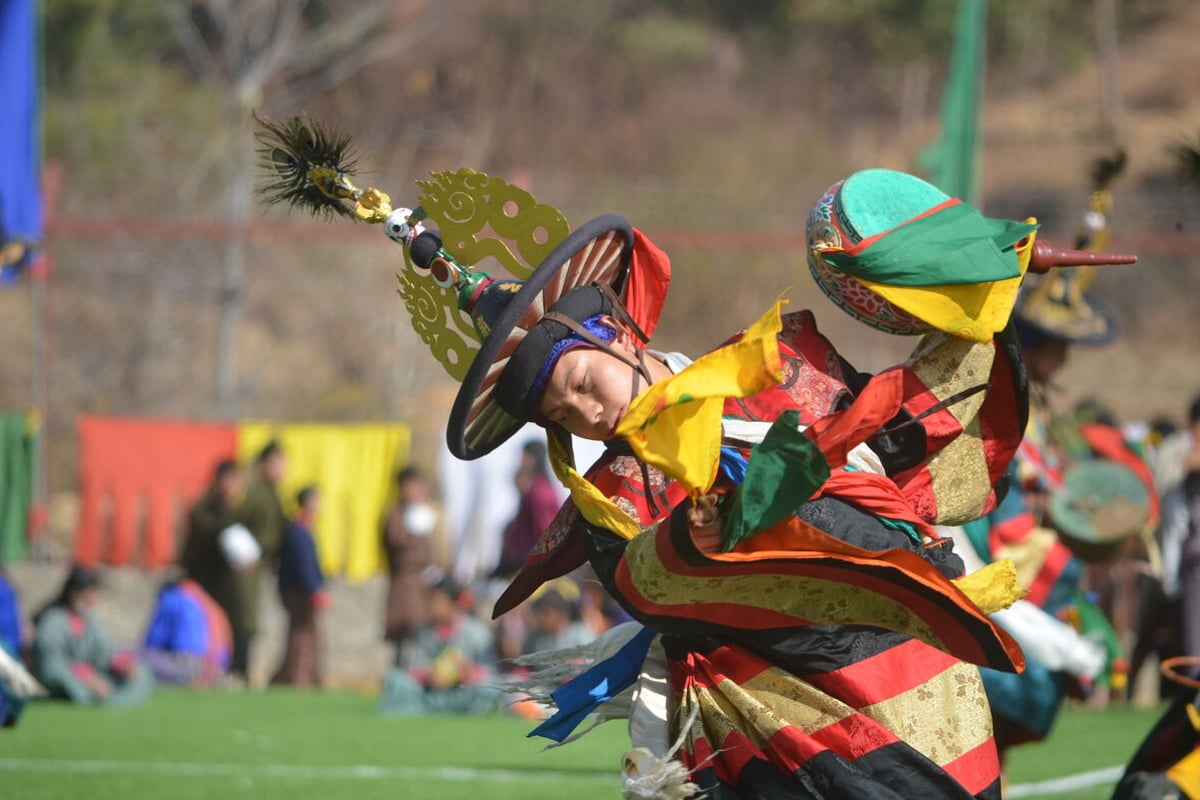
This adaptability proves especially valuable in destinations where cultural events unfold organically. A private tour guide with strong local networks might receive word of a monastery ceremony, village celebration, or artisan demonstration happening that day, creating unrepeatable moments.
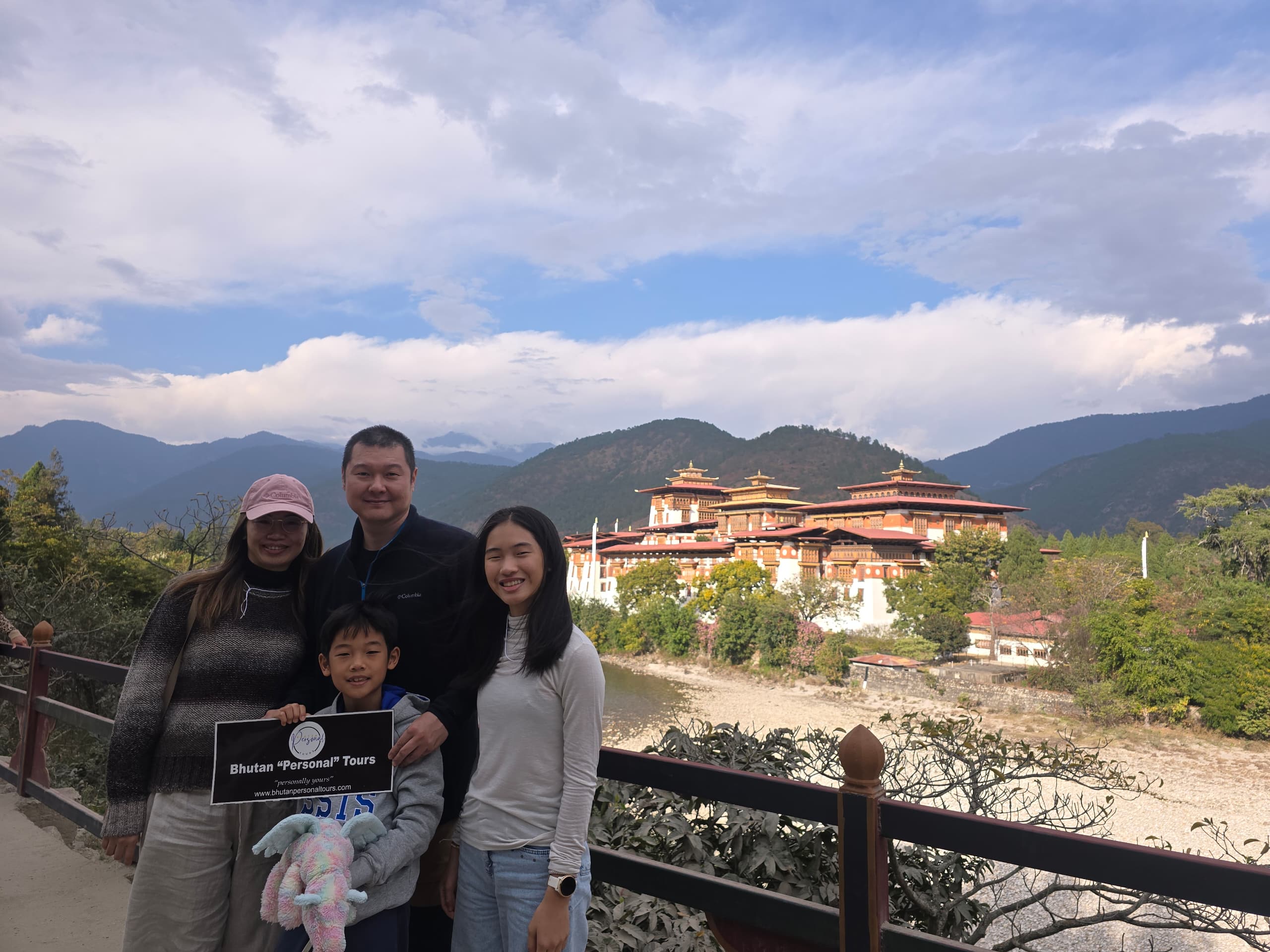
In Bhutan, where tourism policy emphasizes high-value, low-impact travel, the private guiding model aligns perfectly with national philosophy. Taking one group at a time ensures personal attention while protecting cultural integrity and environmental resources.
Access Beyond Standard Routes
Experienced guides cultivate relationships that open doors literally and figuratively. They know which family-run restaurants serve authentic regional cuisine, which artisans welcome studio visits, and which community members share stories rarely heard by outsiders.
This access transforms surface-level tourism into cultural exchange. Rather than viewing landmarks from prescribed viewpoints, you engage with living traditions, contemporary challenges, and human stories that reveal a destination’s complexity.
Expertise in Cultural Interpretation
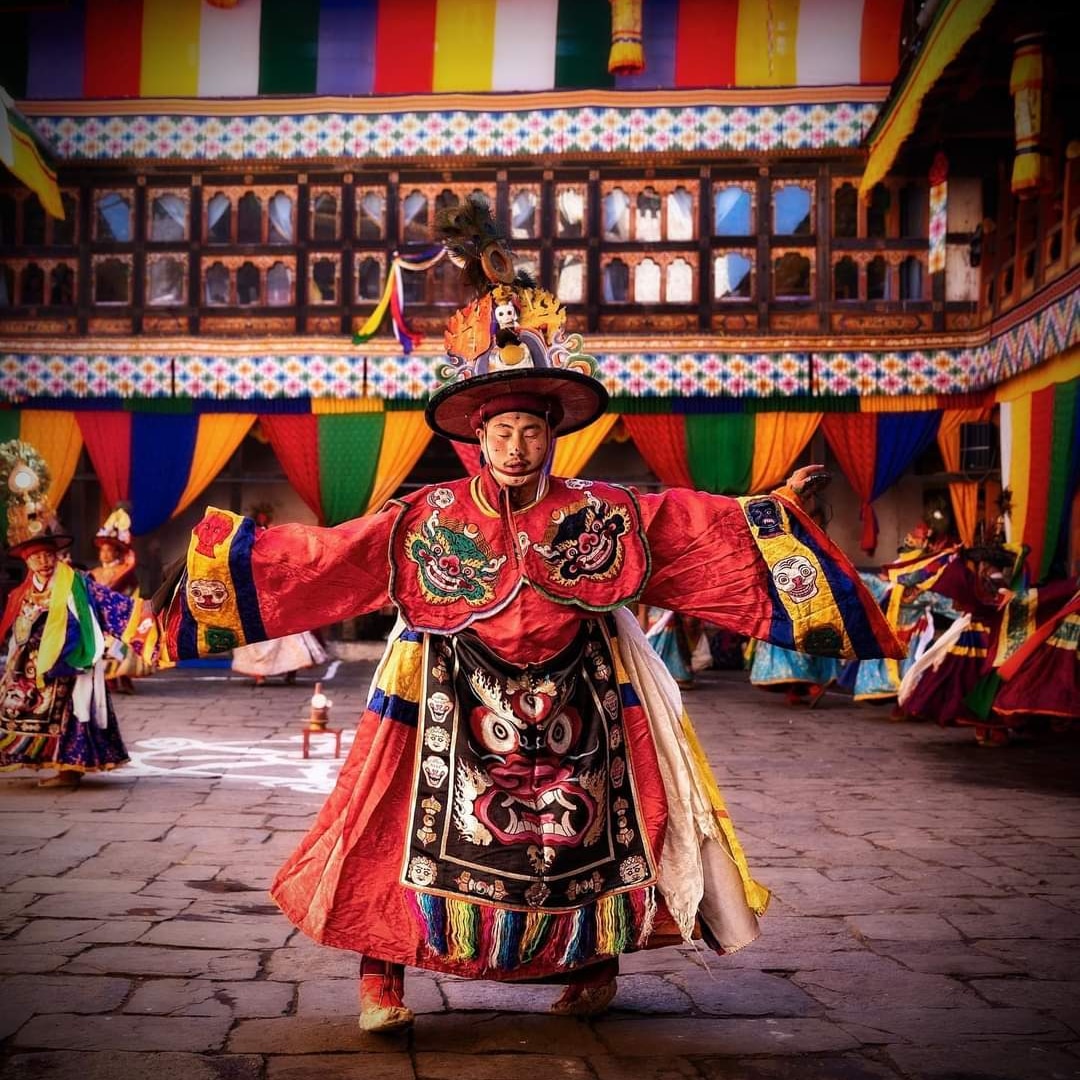
A private tour guide serves as cultural translator, bridging the gap between visitor and destination. This role extends far beyond language translation to encompass context, nuance, and meaning-making.
Making the Invisible Visible
Outstanding interpretation reveals what untrained eyes might miss. A guide explains how architectural details reflect religious philosophy, why certain plants grow in specific microclimates, or what political shifts influenced artistic movements. They connect visible elements to invisible contexts.
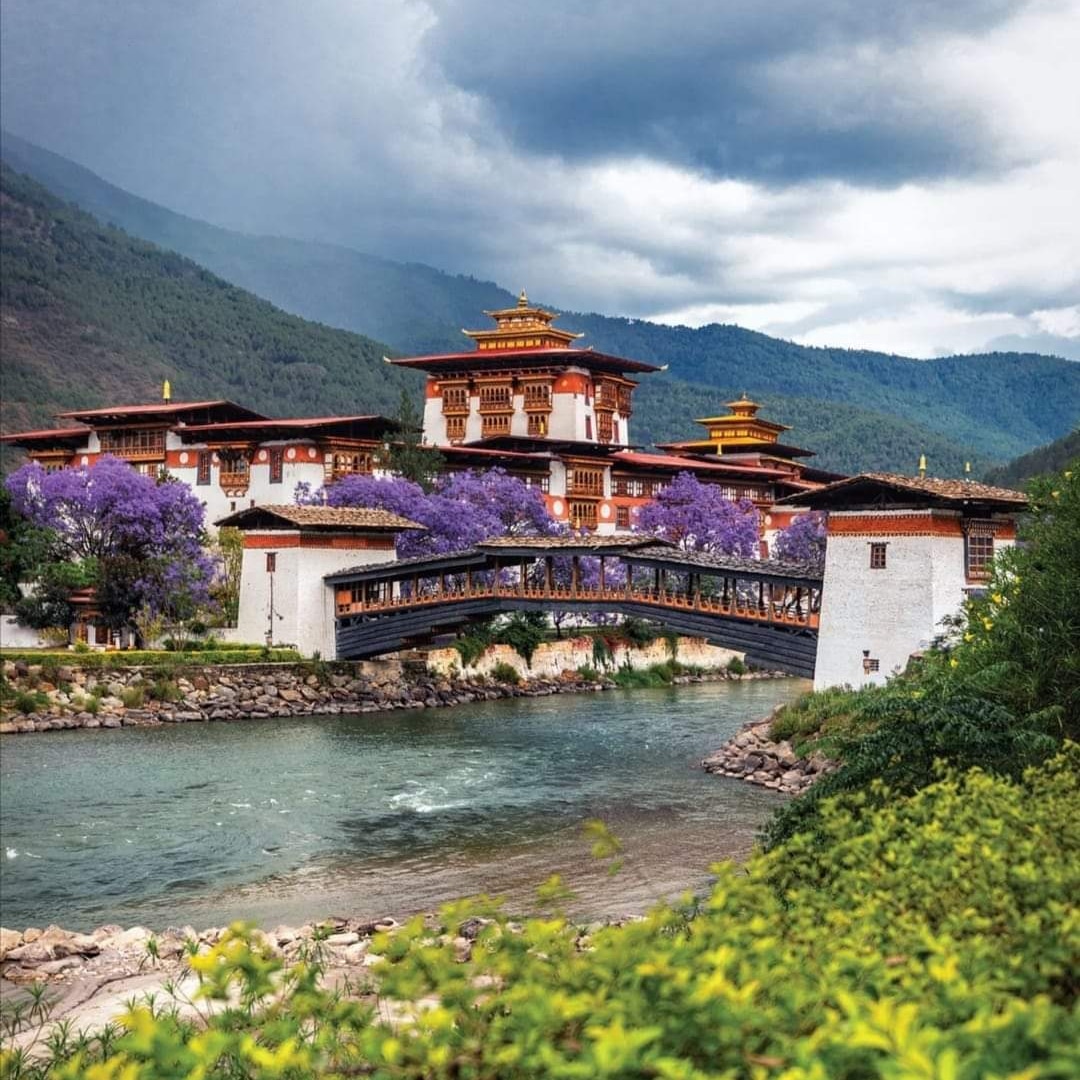
When exploring Western Bhutan, for instance, a knowledgeable guide doesn’t simply point out dzongs and temples. They explain how fortress-monastery architecture embodies Buddhist cosmology, how administrative systems evolved from theocratic governance, and how contemporary Bhutanese balance modernization with cultural preservation.
This interpretive depth relies on what UNESCO calls “codes of ethics and professional conduct” in cultural heritage interpretation, ensuring guides present information accurately and respectfully.
Facilitating Meaningful Dialogue
The best private guides create opportunities for genuine conversation. They arrange meetings with monks to discuss Buddhist philosophy, connect travelers with university professors specializing in Gross National Happiness, or introduce farming families who explain traditional agricultural practices.
These exchanges require careful facilitation. The guide manages expectations, provides cultural context before encounters, translates not just words but concepts, and ensures interactions benefit both parties. A 6-night journey through Bhutan becomes transformative when a guide orchestrates conversations about happiness from Buddhist perspectives or arranges discussions with GNH experts. The 6 nights Western Bhutan amusement exemplifies this approach, offering intimate glimpses into Bhutanese philosophy through personally curated expert introductions.
Safety, Logistics, and Problem-Solving
While cultural expertise captures attention, a private tour guide’s logistical competence proves equally essential. Managing complex travel arrangements, anticipating problems, and handling emergencies distinguishes professional guides from enthusiastic amateurs.
Risk Assessment and Management
Professional guides conduct continuous risk assessment, evaluating everything from weather patterns to political situations to health concerns. They maintain contingency plans for common disruptions and know when to modify or cancel activities for safety.
In remote areas, this expertise becomes critical. Guides familiar with trekking routes through Bhutan’s Himalayas understand altitude acclimatization, recognize early signs of mountain sickness, and know evacuation protocols. They carry appropriate safety equipment and maintain communication capabilities even in areas without cellular coverage.
Seamless Coordination
Behind every smooth travel day lies meticulous coordination. A private tour guide manages:
-
Transportation scheduling and vehicle maintenance verification
-
Accommodation confirmations and special requirement communication
-
Restaurant reservations accounting for dietary needs and preferences
-
Activity bookings with appropriate timing buffers
-
Permit acquisition and regulatory compliance
-
Weather monitoring and route optimization
This invisible work creates the impression of effortless travel. When complications arise, as they inevitably do, skilled guides resolve issues quickly and often before clients become aware problems existed.
Building Your Guiding Business
For those entering the private guiding profession, establishing credibility and attracting clients requires strategic effort. The business aspects of guiding demand as much attention as interpretive skills.
Establishing Digital Presence
In 2026, potential clients discover guides primarily through online research. A professional website serves as your primary marketing asset, showcasing expertise, sharing testimonials, and communicating your guiding philosophy.
Local SEO strategies help travelers find guides in specific destinations. Optimizing your Google Business Profile, collecting authentic reviews, and building citations across travel platforms increases visibility when people search for private guiding services.
Content marketing through blogs, videos, and social media demonstrates expertise while improving search rankings. A guide specializing in Bhutanese festivals might create detailed articles about specific celebrations, building authority and attracting enthusiasts seeking knowledgeable escorts.
Pricing Strategy and Value Communication
Determining appropriate rates challenges many guides, particularly those new to independent practice. Pricing strategy research from Harvard Business Review suggests testing different price points and packages while clearly communicating value.
|
Pricing Model |
Structure |
Best For |
|---|---|---|
|
Hourly Rate |
Fixed fee per hour |
Short urban tours, flexible schedules |
|
Daily Rate |
Full-day fee regardless of hours |
Single-day experiences, standard itineraries |
|
Package Pricing |
Multi-day bundled rate |
Extended journeys, comprehensive experiences |
|
Value-Based |
Price reflecting outcomes |
Specialized expertise, unique access |
Transparent pricing builds trust. Clearly outline what’s included (and excluded), explain what justifies your rates, and help potential clients understand the return on investment a private tour guide delivers.
Sustainable and Responsible Practice
Modern travelers increasingly evaluate guides based on sustainability commitments. The Responsible Tourism Partnership provides frameworks for guides wanting to minimize negative impacts and maximize community benefits.
Responsible guiding practices include:
-
Directing revenue to local businesses rather than international chains
-
Educating travelers about appropriate behavior in sacred or sensitive sites
-
Limiting group sizes to reduce environmental and cultural strain
-
Supporting conservation efforts and community development initiatives
-
Presenting balanced narratives that acknowledge both achievements and challenges
These practices align with broader destination management strategies. When exploring Eastern Bhutan or participating in cultural festivals, responsible guides ensure tourism strengthens rather than erodes cultural traditions.
Selecting the Right Private Tour Guide
For travelers, choosing a private tour guide requires evaluating multiple factors beyond basic qualifications. The right match depends on trip objectives, personal preferences, and communication styles.
Evaluating Credentials and Experience
Start by verifying credentials. Does the guide hold recognized certifications? How long have they operated professionally? What specialized training have they completed? Request references from previous clients and read detailed reviews across multiple platforms.
Experience in your specific interests matters significantly. A guide with twenty years of general experience may offer less value than someone with five focused years in your particular passion, whether that’s birding, architecture, culinary traditions, or textile arts.
Communication and Compatibility
The relationship with your private tour guide influences trip satisfaction as much as their expertise. Schedule preliminary conversations to assess:
-
Communication style and clarity
-
Responsiveness to questions and concerns
-
Flexibility regarding preferences and changes
-
Enthusiasm for your specific interests
-
Cultural sensitivity and interpersonal skills
Pay attention to how guides describe their approach. Do they emphasize their knowledge or their ability to facilitate your discovery? The best guides balance authority with humility, sharing expertise while remaining genuinely curious about your perspectives.
Transparency About Limitations
Trustworthy guides acknowledge what they don’t know and are honest about their limitations. If your interests extend beyond their expertise, they should connect you with specialists rather than attempting to cover every topic superficially.
This honesty extends to practical matters. A guide should clearly explain what they can and cannot arrange, realistic timelines given local conditions, and any challenges specific to your requested itinerary. When discussing mountain biking routes or trekking expeditions, experienced guides provide candid assessments of difficulty levels and required fitness.
The Evolution of Private Guiding
The private tour guide profession continues evolving as technology, traveler expectations, and global conditions reshape tourism. Understanding these trends helps both guides and travelers navigate the changing landscape.
Technology as Enhancement, Not Replacement
Digital tools augment guiding without replacing human expertise. Professional guides now utilize apps for translation, wildlife identification, and historical visualization. Virtual reality might preview archaeological sites’ original appearances. GPS tracking ensures safety on remote treks.
However, technology serves as complement rather than substitute. An app cannot read group dynamics, adjust pacing based on subtle fatigue signals, or pivot when interest flags. The emotional intelligence, cultural fluency, and adaptive judgment a skilled private tour guide brings remain irreplaceable.
Hyper-Personalization and Niche Specialization
Travelers increasingly seek guides with highly specialized knowledge. Rather than general destination expertise, they want guides who are expert ornithologists, architectural historians, culinary anthropologists, or spiritual practitioners.
This trend toward niche specialization allows guides to differentiate themselves and command premium rates while attracting ideal clients who deeply value their particular expertise. Someone passionate about Bhutan’s natural vegetation seeks guides with botanical training, not general sightseeing escorts.
Wellness and Transformational Travel
The wellness tourism sector’s growth influences private guiding. Travelers seek experiences that promote personal growth, mindfulness, and wellbeing. Guides increasingly incorporate meditation, yoga, reflective practices, and philosophical discussions into itineraries.
This shift requires guides to develop new competencies while maintaining core professional standards. A guide leading contemplative journeys through sacred sites needs both spiritual sensitivity and rigorous historical knowledge.
Choosing to work with a private tour guide represents an investment in depth over breadth, quality over quantity, and meaning over mere sightseeing. The expertise, personalization, and authentic access that professional guides provide transform travel from passive observation into active engagement with places and cultures. Whether you’re drawn to the dramatic landscapes of the Himalayas, the intricate philosophy of Gross National Happiness, or the vibrant traditions preserved in mountain valleys, the right guide unlocks layers of understanding impossible to access independently. Bhutan Personal Tours and Treks exemplifies this commitment to personalized expertise, taking one group at a time to ensure the focused attention and authentic connections that turn journeys into transformative experiences.