
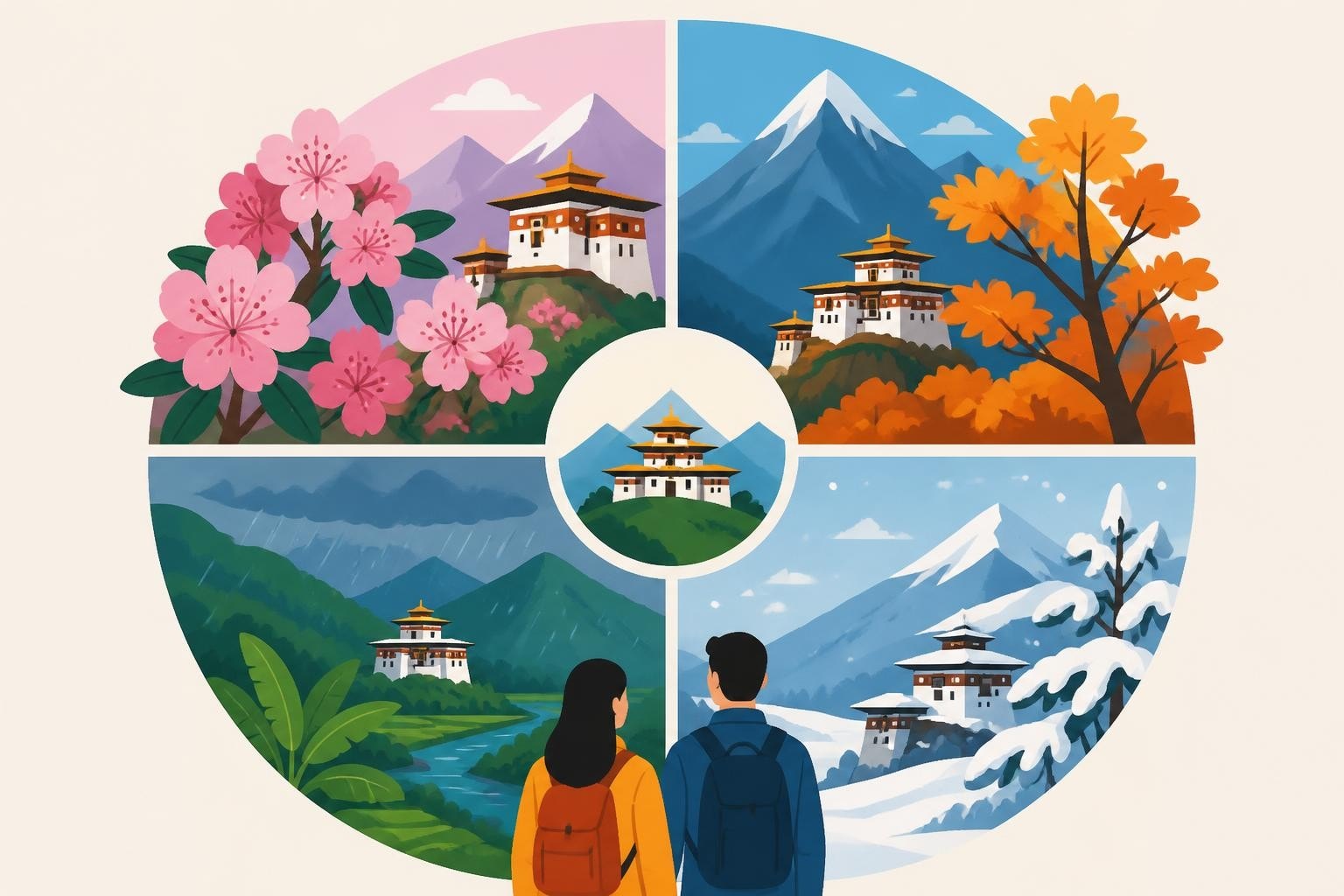
Selecting the best time for Bhutan tour planning shapes every aspect of your journey to this remarkable Himalayan kingdom. Bhutan's dramatic topography, ranging from subtropical plains to soaring peaks above 23,000 feet, creates distinct seasonal patterns that influence weather, festival schedules, trekking conditions, and wildlife viewing opportunities. Understanding these seasonal rhythms ensures your visit aligns with your interests, whether you seek vibrant cultural celebrations, pristine mountain trails, or intimate encounters with Bhutan's natural heritage. Making an informed choice about timing transforms a standard itinerary into an unforgettable experience perfectly matched to your travel goals.
Understanding Bhutan's Four Distinct Seasons
Bhutan experiences four well-defined seasons, each offering unique advantages and considerations for travelers. The kingdom's mountainous terrain creates microclimates across different regions, meaning weather patterns in Thimphu may differ significantly from conditions in Paro or the eastern valleys.
Spring Season: March Through May
Spring emerges as one of the best time for Bhutan tour periods, particularly from mid-March through May. Temperatures gradually warm across most valleys, ranging from 50°F to 68°F during daytime, while nights remain cool but comfortable. The landscape transforms as rhododendrons bloom in spectacular displays across the hillsides, painting valleys in shades of red, pink, and white.
Key advantages of spring travel include:
- Clear mountain visibility for photography and sightseeing
- Moderate temperatures ideal for cultural exploration
- Active festival calendar with major celebrations
- Excellent conditions for mid-altitude trekking routes
- Fewer crowds compared to autumn peak season
The Tourism Council of Bhutan provides updated guidance on spring festival dates and travel conditions each year. Bird enthusiasts particularly appreciate spring, as migratory species return and resident birds display breeding behaviors across Bhutan's diverse habitats.
Autumn Glory: September Through November
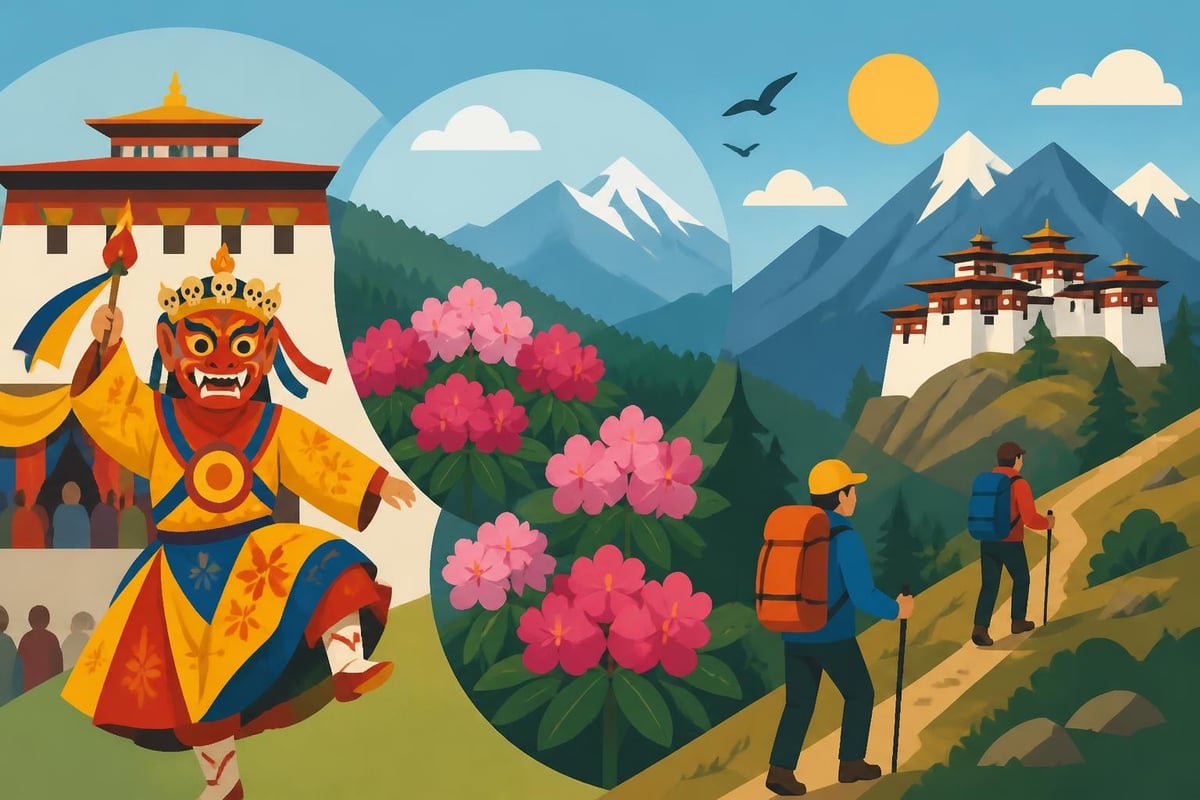
Autumn rivals spring as the best time for Bhutan tour experiences, with many experts considering it the premium season. Following the monsoon retreat, crystal-clear skies reveal the Himalayan range in stunning detail. Daytime temperatures range from 59°F to 72°F in the valleys, creating ideal conditions for outdoor activities.
| Autumn Advantages | Considerations |
|---|---|
| Exceptional mountain visibility | Higher accommodation demand |
| Stable weather patterns | Premium seasonal pricing |
| Major festival concentration | Advance booking essential |
| Perfect trekking conditions | Popular trails more crowded |
| Harvest season cultural activities | Limited last-minute availability |
The months of October and November showcase Thimphu and other valleys at their finest, with golden rice terraces and comfortable temperatures. This season attracts the highest number of visitors, making early planning essential for securing preferred accommodations and guides.
Monsoon Months: June Through August
Summer monsoon season from June through August represents a less conventional choice for the best time for Bhutan tour planning, yet it offers distinct rewards for particular travelers. Heavy rainfall transforms the countryside into a lush green paradise, with waterfalls at their most dramatic and forests reaching peak verdancy.
Monsoon season benefits include:
- Significantly lower visitor numbers
- Reduced accommodation rates in many areas
- Vibrant agricultural landscapes
- Mushroom foraging experiences with local communities
- Unique opportunities for rain-fed waterfall photography
Road conditions require flexibility during monsoon months, as landslides occasionally disrupt travel schedules. However, experienced tour operators familiar with Western Bhutan routes navigate these challenges effectively, building contingency time into itineraries. High-altitude trekking becomes risky due to cloud cover and trail conditions, but lower-elevation cultural tours proceed comfortably with proper rain gear.
Winter Opportunities: December Through February
Winter from December through February presents an underrated option for determining the best time for Bhutan tour visits, particularly for travelers seeking solitude and cultural immersion. Clear, crisp days offer spectacular mountain panoramas, though temperatures drop significantly, ranging from 35°F to 50°F in valley areas.
Winter's Unique Appeal
The winter season provides exceptional photographic opportunities with snow-dusted dzongs and monasteries set against brilliant blue skies. Lower tourist numbers mean more intimate experiences at sacred sites and museums, with monks and locals having greater availability for meaningful exchanges. National Geographic’s travel coverage highlights winter as an increasingly popular choice for photographers and cultural enthusiasts.
Winter visitors should consider specialized trekking routes designed for the season, which explore lower-elevation valleys and offer unique perspectives on Bhutanese winter life. Black-necked cranes migrate to Phobjikha Valley from late October through February, creating a spectacular wildlife viewing opportunity that influences the best time for Bhutan tour planning for nature enthusiasts.
Festival Calendar and Cultural Timing
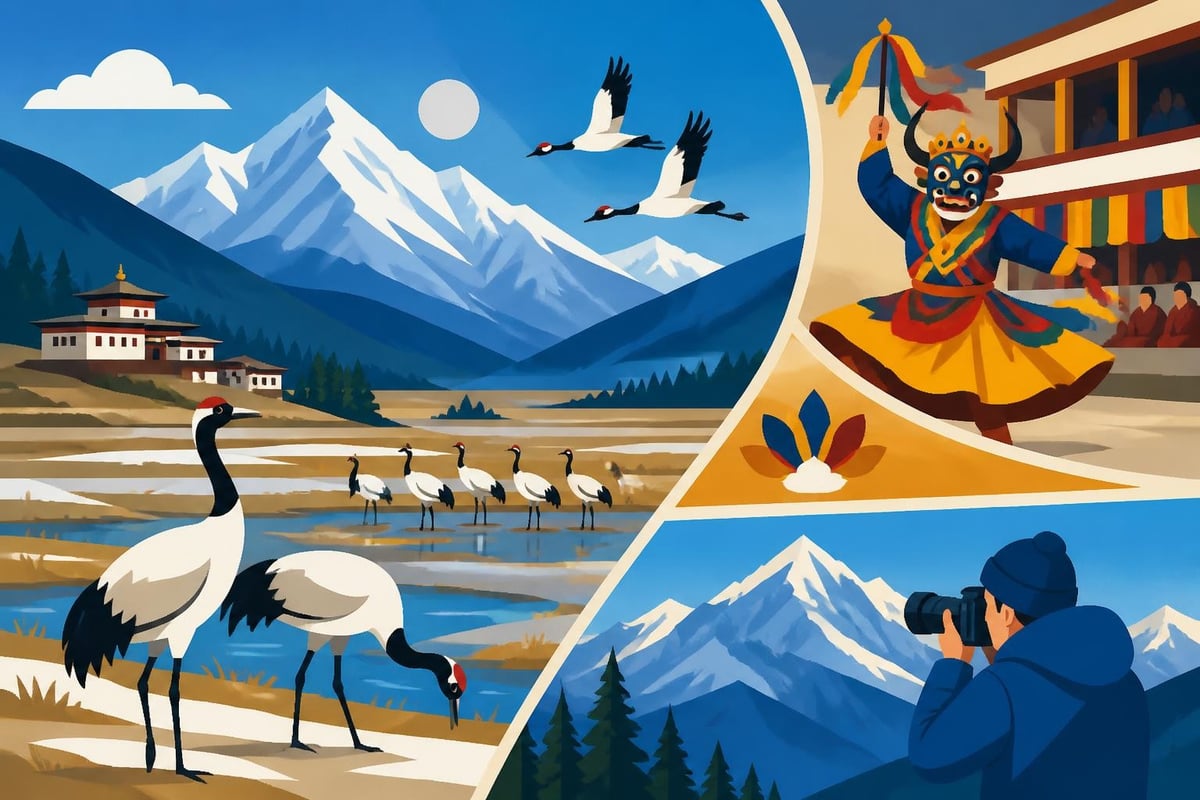
Bhutan's festival calendar significantly influences the best time for Bhutan tour scheduling for culturally focused travelers. Tshechus, elaborate Buddhist festivals featuring masked dances and religious ceremonies, occur throughout the year across different dzongkhags (districts). These multi-day celebrations offer profound insights into Bhutanese spiritual life and artistic traditions.
Major Festival Periods
Spring hosts significant celebrations including Paro Tsechu in March or April (dates vary by lunar calendar), drawing thousands of Bhutanese pilgrims and international visitors. The festival culminates with the unfurling of a giant thangka at dawn, a breathtaking moment of collective devotion. Punakha celebrates its drubchen and tshechu in late February or early March, offering elaborate recreations of historic battles.
Autumn's festival calendar includes Thimphu Tshechu in late September or early October, the kingdom's largest celebration. The Association of Bhutanese Tour Operators provides annual festival calendars that help travelers coordinate timing with specific cultural events. Eastern regions host distinctive festivals like Jakar Tshechu in Bumthang, which features unique dances not performed elsewhere.
Festival planning considerations:
- Book accommodations 6-12 months ahead for major events
- Coordinate with tour operators on festival schedules
- Allow flexibility for lunar calendar date adjustments
- Plan arrival days before festival start for acclimatization
- Consider attending multiple smaller festivals for authentic experiences
Trekking Season Considerations
For adventure travelers, trekking conditions heavily influence the best time for Bhutan tour planning. Bhutan offers routes ranging from gentle three-day walks to the legendary 25-day Snowman Trek, one of the world's most challenging high-altitude expeditions. Each route has optimal seasonal windows based on trail conditions, weather stability, and mountain visibility.
Prime Trekking Windows
Spring (March through May) and autumn (September through November) provide the most reliable trekking conditions. The Bhutan Tourism Board outlines specific timing recommendations for different trek difficulty levels and altitude profiles. Popular routes like Druk Path Trek connecting Paro and Thimphu offer spectacular rhododendron blooms in April and May, while autumn delivers crisp visibility of Himalayan peaks.
High-altitude treks including Jomolhari Trek demand careful timing. October stands out as the premium month, offering stable weather and clear mountain views before winter snowfall closes high passes. Monsoon season renders most treks inadvisable due to leeches, slippery trails, and limited visibility, though lower-elevation winter treks like Gangtey Trek provide excellent alternatives during colder months.
| Trek Type | Best Months | Considerations |
|---|---|---|
| High-altitude (14,000+ ft) | Late Sept – Early Nov | Weather stability critical |
| Mid-elevation cultural | March – May, Sept – Nov | Festival coordination possible |
| Winter valley treks | Dec – Feb | Specialized gear required |
| Multi-day expeditions | Oct – Nov | Advance permits essential |
Wildlife and Natural Heritage Timing
Bhutan's extraordinary biodiversity creates specific windows for wildlife enthusiasts when determining the best time for Bhutan tour experiences. The kingdom protects 70 percent of its land under forest cover, with over half designated as protected areas, creating sanctuary for rare and endangered species.
Seasonal Wildlife Highlights
The endangered black-necked crane migration represents a pinnacle wildlife event, with these elegant birds arriving in Phobjikha and Bumthang valleys from late October through February. The Black-necked Crane Festival in November celebrates their arrival with cultural performances and conservation education. This timing makes early winter an optimal choice for the best time for Bhutan tour planning for ornithologists and nature photographers.
Spring migration brings spectacular birding opportunities, with species diversity peaking in May. Rhododendron blooms attract pollinators and create ideal conditions for photographing Bhutan's 770 recorded bird species. Takin, Bhutan's national animal, become more visible during summer months when they descend to lower elevations to graze, though viewing opportunities exist year-round in protected reserves.
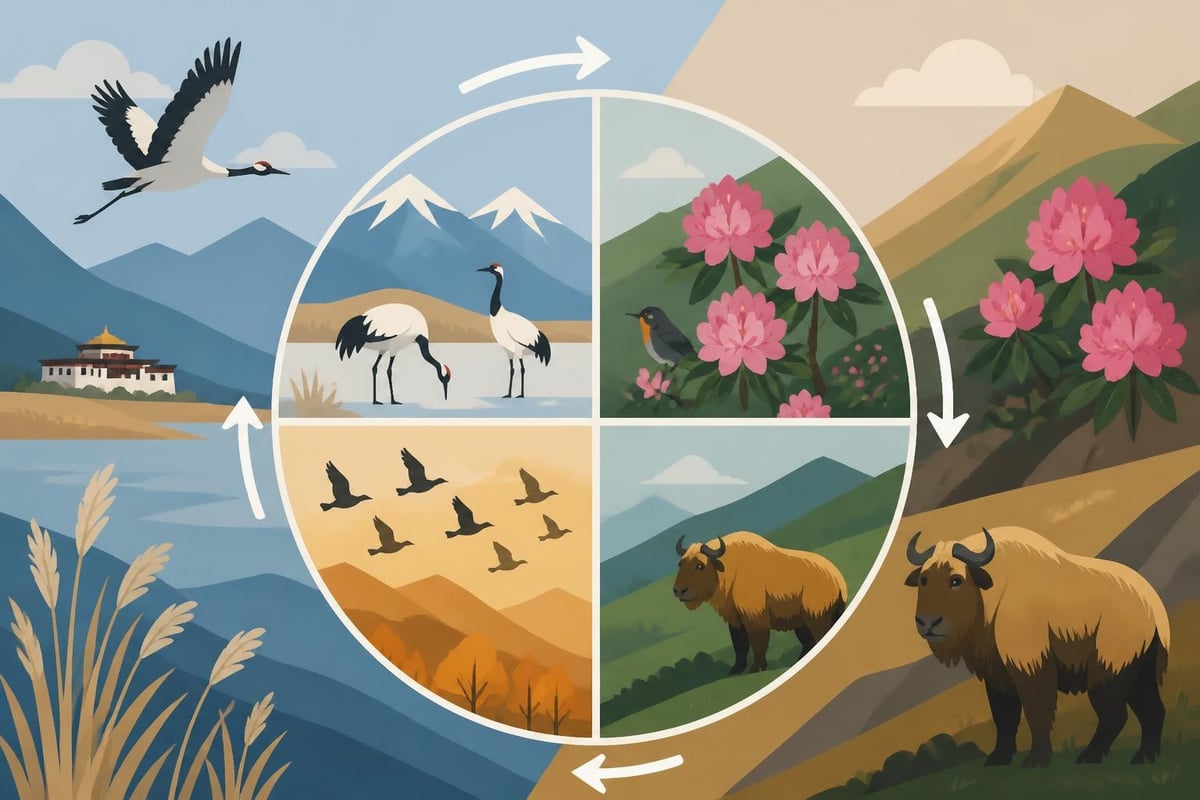
Butterfly enthusiasts find June through August rewarding despite monsoon rains, as Bhutan's diverse butterfly fauna reaches peak activity. The natural vegetation zones spanning subtropical to alpine create habitat diversity that supports remarkable biodiversity across elevation gradients.
Regional Variations in Seasonal Patterns
Understanding that the best time for Bhutan tour planning varies by region adds sophistication to travel scheduling. Bhutan's east-west span and dramatic elevation changes create microclimates with distinct seasonal characteristics.
Eastern Bhutan Considerations
Eastern Bhutan, including districts like Trashigang and Mongar, experiences slightly different weather patterns than western regions. The monsoon arrives earlier and departs later, making autumn the decisively superior season for eastern travel. October and November offer the most reliable conditions for exploring this less-visited region, where unique festivals like Chorten Kora attract devotees from across the eastern Himalayas.
Central and Western Districts
Central Bhutan, encompassing Bumthang and Trongsa, sits at higher elevations than western valleys. Spring arrives later and autumn transitions to winter earlier, compressing the ideal travel window. September through November remains optimal, while March and April can still experience cold nights and occasional snow at higher elevations.
Paro and Thimphu in western Bhutan enjoy the most moderate climate, with viable travel conditions extending from March through May and September through early December. These regions offer the greatest seasonal flexibility when planning the best time for Bhutan tour experiences.
Balancing Weather, Crowds, and Personal Preferences
Determining the best time for Bhutan tour planning ultimately requires balancing multiple factors specific to individual travel priorities. Weather predictability, cultural event timing, trail conditions, wildlife opportunities, and crowd levels each carry different weight depending on traveler interests.
Creating Your Personal Season Matrix
Budget-conscious travelers find value in shoulder seasons (late February, early March, late November) when weather remains generally favorable but peak pricing has not yet taken effect. Lonely Planet’s seasonal analysis emphasizes the value proposition of these transitional periods, particularly for flexible travelers who can adjust itineraries based on daily conditions.
Photography enthusiasts often prioritize October for its combination of clear skies, festival color, and golden-hour lighting. Cultural scholars might target specific festivals regardless of season, building itineraries around rare ceremonies in remote regions. Adventure seekers focused on challenging treks find the narrow October window non-negotiable for high-altitude routes.
Decision framework for timing selection:
- Primary motivation: Culture, trekking, wildlife, photography, or combination
- Flexibility level: Fixed dates versus adaptable scheduling
- Crowd tolerance: Preference for solitude versus festival atmosphere
- Physical requirements: Altitude tolerance and activity intensity
- Budget parameters: Peak versus shoulder season pricing considerations
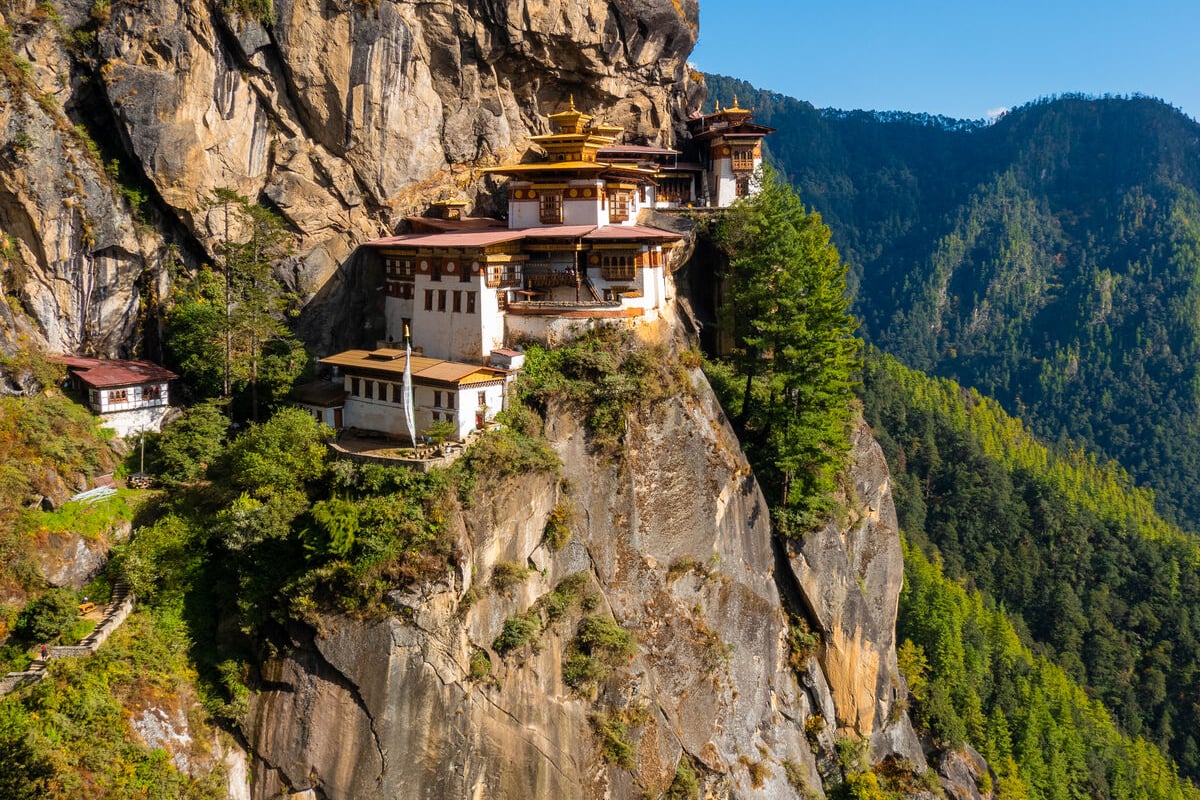
For travelers seeking a comprehensive introduction to Bhutan's diverse landscapes and cultural depth, the 6 nights Western Bhutan amusement journey showcases the kingdom's highlights across multiple valleys, offering flexibility to schedule during your personally optimal season while ensuring rich experiences regardless of specific timing.
Climate Change and Evolving Seasonal Patterns
Contemporary discussions of the best time for Bhutan tour planning must acknowledge shifting climate patterns affecting traditional seasonal windows. Bhutan's vulnerability to Himalayan climate change manifests in altered monsoon timing, glacier retreat, and changing precipitation patterns.
Adaptation and Planning
The World Bank’s Bhutan coverage documents climate variability impacts on agriculture and natural systems, with implications for tourism planning. Monsoon onset has become less predictable, sometimes arriving in late May rather than traditional June timing. Autumn dry seasons occasionally extend later, with November seeing clearer weather than historical patterns suggested.
Professional tour operators with extensive local knowledge navigate these shifts through real-time weather monitoring and flexible itinerary design. The advantage of working with experienced guides becomes particularly evident when climate variability requires day-of-day route adjustments to optimize experiences despite changing conditions.
Practical Planning Timeline
Successful Bhutan travel requires advance planning regardless of season choice. The sustainable tourism framework limits visitor numbers through regulated tour arrangements, making early booking essential for preferred dates and experiences.
Booking Recommendations by Season
For autumn peak season (October-November), initiate planning 9-12 months ahead. Premium accommodations and experienced guides reach capacity quickly, particularly during major festivals. Spring travel (March-May) typically requires 6-8 months advance booking, with festival dates triggering earlier reservation needs.
Winter and monsoon seasons offer more flexibility, though 3-4 months lead time remains advisable for custom itinerary development and permit processing. The tourism policy framework requires all travel through licensed operators, who coordinate permits, accommodations, transportation, and guide services as integrated packages.
Seasonal booking timeline:
- 12 months ahead: Peak autumn dates, major festivals, specialized treks
- 6-8 months ahead: Spring travel, custom cultural itineraries
- 3-4 months ahead: Winter programs, monsoon season visits
- Ongoing: Visa processing (2-3 weeks), travel insurance, gear preparation
Multi-Season Itinerary Strategies
Some travelers struggle to identify a single best time for Bhutan tour visits because their interests span seasonal highlights. Multi-visit strategies or extended stays crossing seasonal transitions offer solutions for experiencing Bhutan's full annual cycle.
Transitional Period Advantages
Scheduling travel during seasonal transitions, such as late November (autumn to winter) or late May (spring to summer), provides exposure to multiple seasonal characteristics. Late May visitors experience late spring blooms while witnessing early monsoon transformation of the landscape. Late November travelers enjoy autumn clarity while observing winter festival preparations and early crane arrivals.
Extended itineraries spanning three to four weeks can incorporate regional variations, moving from western valleys experiencing one seasonal phase to eastern districts in different climatic conditions. The Trans Bhutan Trail restoration enables journey planning that traverses multiple climatic zones, offering diverse seasonal experiences within a single extended visit.
Special Interest Timing Considerations
Niche activities and specialized interests create unique optimal windows within the broader framework of the best time for Bhutan tour planning.
Adventure Activities Beyond Trekking
Mountain biking enthusiasts find autumn ideal for challenging routes, with stable weather and dry trails. Fly fishing opportunities peak during spring months when rivers clear from winter sediment and fish activity increases. These specialized pursuits often dictate timing more precisely than general sightseeing priorities.
Photography workshops focusing on cultural documentation align with major festivals, while landscape photography expeditions target monsoon season for dramatic cloud formations and waterfall volume. Wildlife photography demands seasonal coordination with specific species behaviors and migration patterns.
Meditation and Spiritual Retreats
Travelers seeking meditation retreats and spiritual immersion often prefer winter's quieter atmosphere. Reduced tourist presence creates more contemplative environments at monasteries and sacred sites. Some practitioners specifically choose monsoon season for intensive practice periods, finding the rain-enhanced tranquility conducive to deep reflection. Understanding Gross National Happiness philosophy enriches spiritual journeys regardless of season, though timing affects the depth of engagement possible with monastic communities.
The best time for Bhutan tour planning ultimately depends on your unique combination of interests, flexibility, and priorities, with spring and autumn offering the most universally favorable conditions while each season provides distinct rewards. Whether you seek festival immersion, pristine trekking routes, wildlife encounters, or cultural depth, aligning your visit with seasonal strengths transforms your journey into an optimally timed adventure. Bhutan Personal Tours and Treks specializes in crafting personalized itineraries that match your ideal timing with authentic experiences, drawing on decades of local expertise to ensure your visit captures the magic of this remarkable kingdom during the season that best serves your travel dreams.