
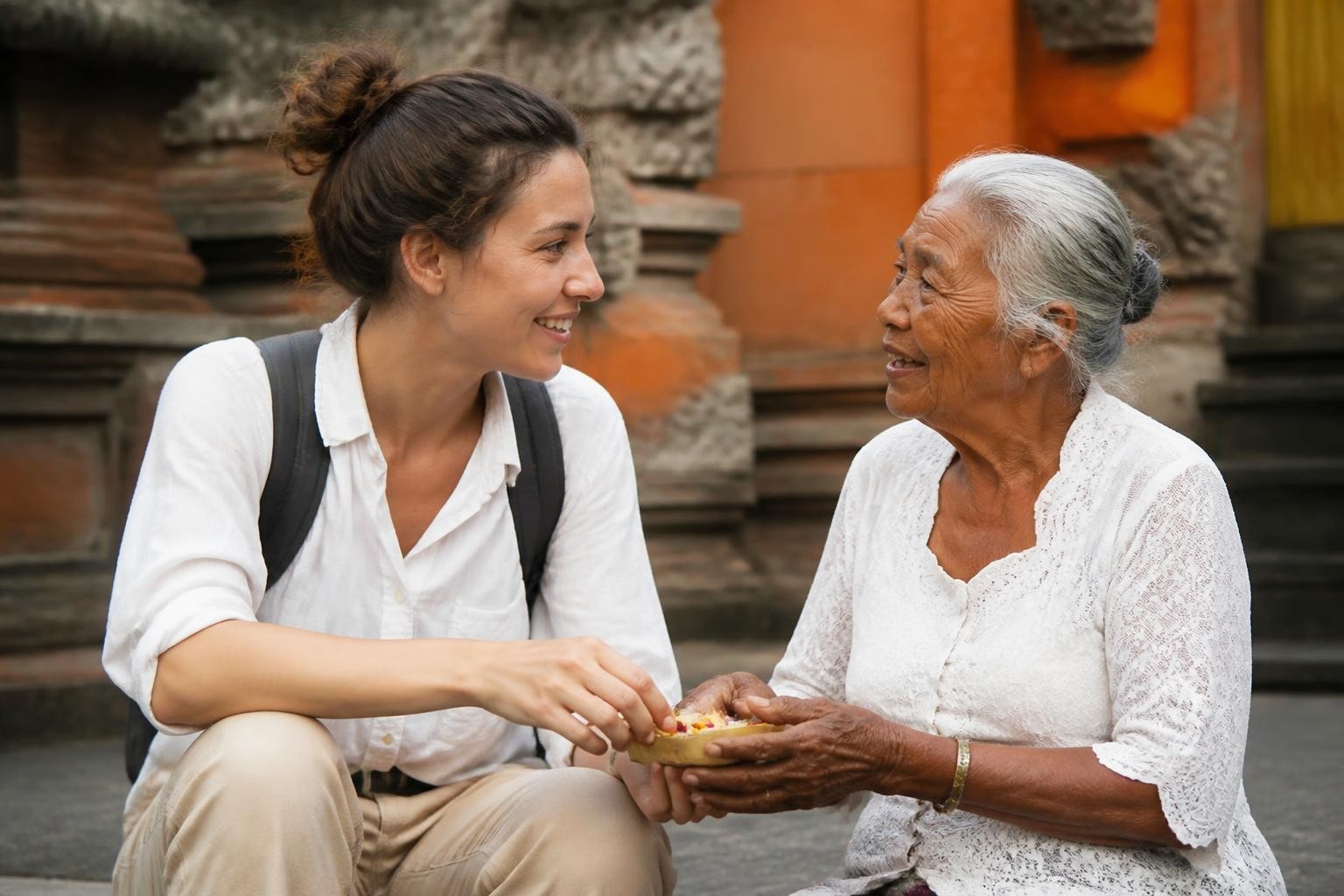
The concepts of journey and travel have evolved dramatically over the past decade, shifting from simple tourism to transformative experiences that reshape perspectives and create lasting connections. Modern travelers seek more than picturesque landscapes and comfortable accommodations. They pursue authentic cultural engagement, sustainable practices, and journeys that contribute positively to both their own growth and the communities they visit. Understanding the distinction between a mere trip and a meaningful journey has become essential for those who wish to make the most of their travel experiences in 2026.
The Evolution of Modern Journey and Travel
The landscape of how we approach journey and travel has undergone remarkable transformation in recent years. Gone are the days when travel meant simply visiting tourist attractions and taking photographs. Today's discerning travelers prioritize depth over breadth, seeking experiences that offer genuine cultural exchange and personal development.
Understanding the Journey Mindset
A journey differs fundamentally from casual travel in its intentionality and depth. While travel can be transactional, a journey involves emotional investment, cultural curiosity, and openness to transformation. This mindset shift requires preparation that extends beyond booking flights and hotels.
Key elements of journey-focused travel include:
- Deep engagement with local cultures and traditions
- Meaningful interactions with community members and cultural experts
- Sustainable practices that benefit host destinations
- Personal reflection and growth opportunities
- Respect for cultural heritage and environmental preservation
The UNESCO brochure on responsible travel provides comprehensive guidance on ethical engagement with destinations, offering frameworks that help travelers become cultural ambassadors rather than passive observers.
Preparing for Transformative Experiences
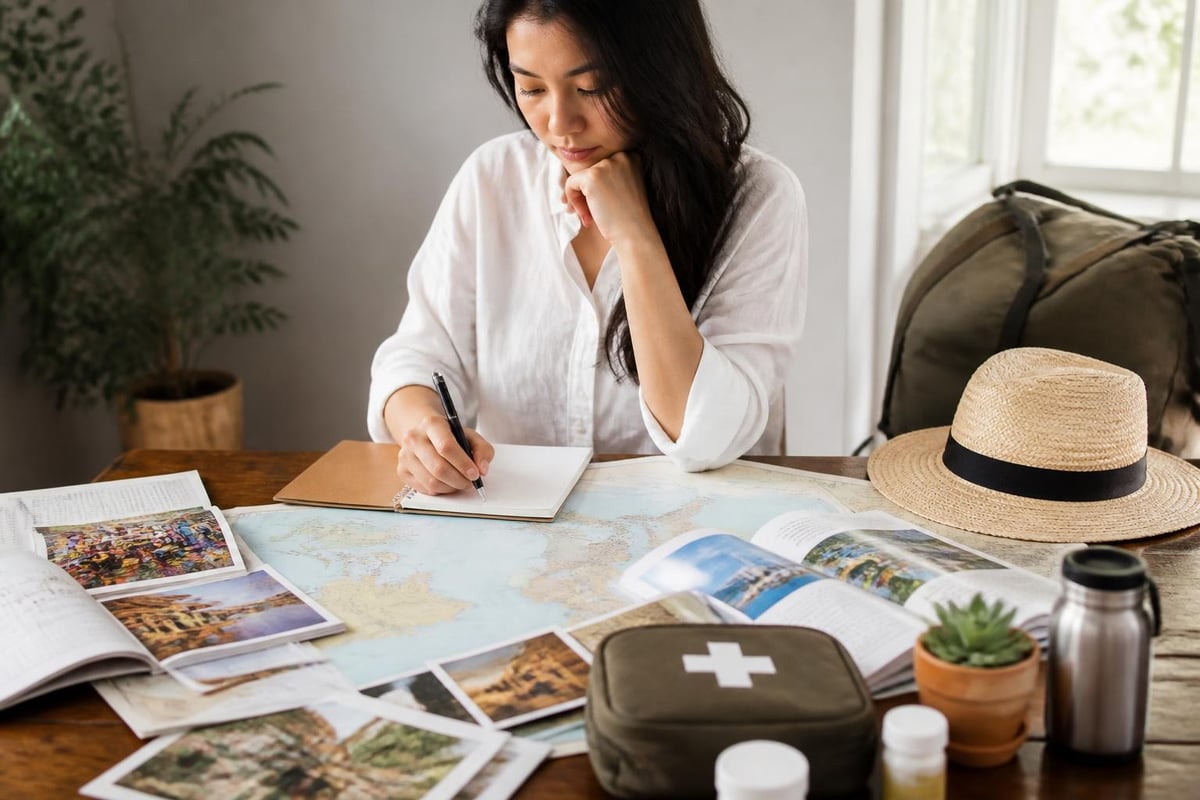
Preparation forms the foundation of exceptional journey and travel experiences. In 2026, successful travelers recognize that pre-departure research and planning significantly enhance their experiences and ensure they can engage meaningfully with their destinations.
| Preparation Category | Key Actions | Timeline |
|---|---|---|
| Cultural Research | Study history, customs, language basics, social norms | 3-6 months before |
| Health & Safety | Vaccines, insurance, medical checkups, prescriptions | 2-3 months before |
| Practical Planning | Visas, permits, currency, communication tools | 1-2 months before |
| Sustainable Practices | Research local initiatives, pack responsibly | Ongoing |
Health considerations remain paramount for international journey and travel. The CDC Travelers’ Health hub offers essential destination-specific guidance, vaccine recommendations, and travel health checklists that ensure travelers remain healthy throughout their adventures.
Cultural Immersion and Authentic Engagement
The heart of meaningful journey and travel lies in authentic cultural immersion. Travelers who invest time in understanding local perspectives, traditions, and daily life patterns invariably report richer, more memorable experiences than those who remain in tourist bubbles.
Building Genuine Connections
Creating meaningful connections with local communities transforms ordinary travel into extraordinary journeys. This requires vulnerability, respect, and genuine curiosity about different ways of life.
Consider these approaches for deeper engagement:
- Learn basic language phrases specific to your destination
- Participate in local activities rather than just observing
- Support local businesses including family-run restaurants and artisan shops
- Seek guidance from cultural experts who can provide insider perspectives
- Practice active listening when locals share their stories and traditions
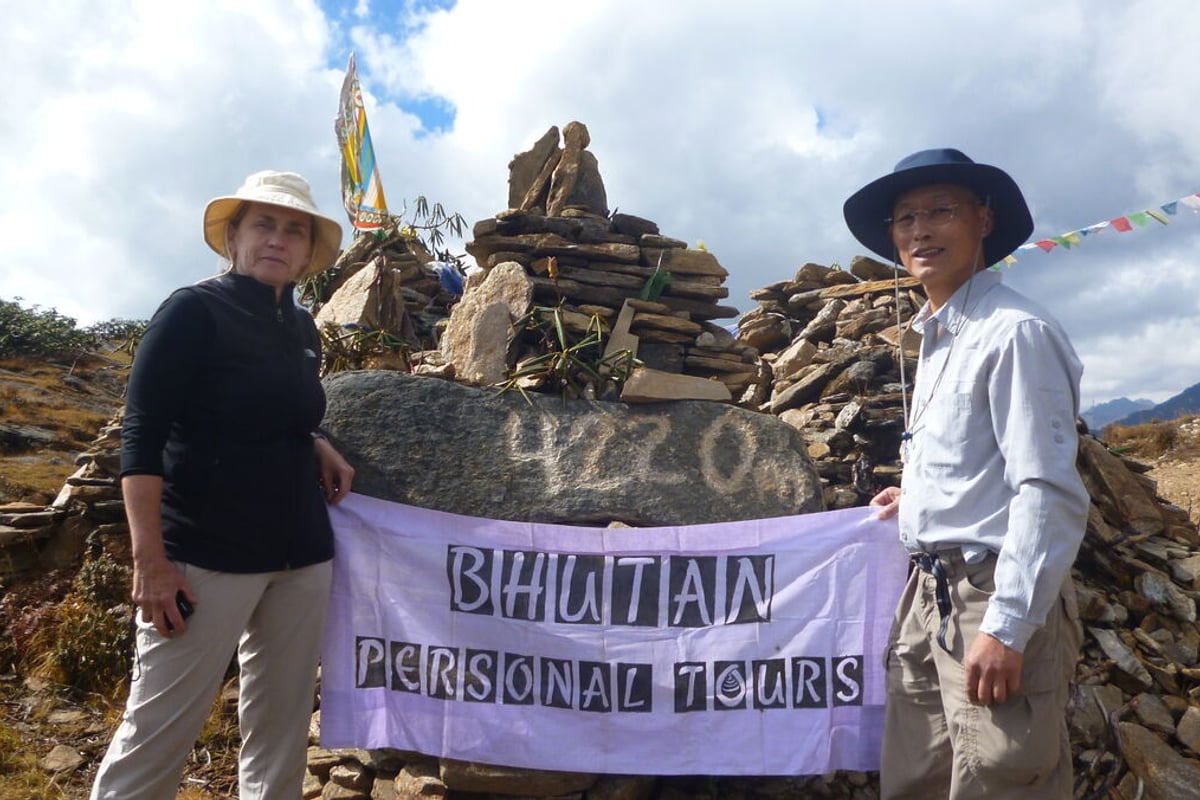
In destinations like Bhutan, where culture and tradition remain beautifully preserved, the opportunity for genuine cultural exchange reaches remarkable depths. Small-group or personalized experiences often facilitate more authentic interactions than large tour groups.
Navigating Cultural Sensitivity
Successful journey and travel requires cultural awareness and sensitivity. Different cultures maintain unique norms regarding personal space, communication styles, dress codes, and social interactions. Researching these expectations demonstrates respect and opens doors to more authentic experiences.
Essential cultural sensitivity practices:
- Dress appropriately for religious and cultural sites
- Ask permission before photographing people or sacred spaces
- Respect local customs regarding food, greetings, and social interactions
- Support community-based tourism initiatives
- Acknowledge your status as a guest in someone else's home
Mental and emotional preparation also plays a crucial role in journey and travel success. The World Health Organization’s guidance on travel and wellbeing addresses the psychological aspects of international travel, helping travelers manage stress, cultural adjustment, and personal wellbeing during extended journeys.
Crafting Meaningful Itineraries
The architecture of your journey and travel experience significantly impacts its ultimate value. Well-crafted itineraries balance structure with flexibility, ensuring you experience essential highlights while leaving room for spontaneous discoveries and deeper engagement.
Balancing Planning and Spontaneity
The most memorable journeys often emerge from the sweet spot between careful planning and openness to unexpected opportunities. Over-scheduling eliminates the margin for serendipitous encounters, while under-planning can lead to missed opportunities and logistical stress.
A thoughtfully designed itinerary should include:
- Core experiences that align with your journey's purpose
- Buffer time for rest, reflection, and spontaneous exploration
- Local expert interactions including guides, monks, professors, or artisans
- Varied activities balancing physical, cultural, and contemplative experiences
- Seasonal considerations that enhance rather than hinder your experience

For travelers seeking profound cultural immersion, specialized experiences like the 6 nights Western Bhutan journey demonstrate how thoughtful itinerary design can facilitate deep engagement with both natural beauty and cultural wisdom, including conversations with monks about happiness and discussions with professors on Gross National Happiness.
Regional Exploration Strategies
Different regions require distinct approaches to journey and travel planning. Understanding geographical, cultural, and logistical considerations helps travelers maximize their experiences while respecting local contexts.
| Region Type | Optimal Duration | Key Considerations | Best Practices |
|---|---|---|---|
| Cultural Heartlands | 7-14 days | Festival timing, sacred sites, expert access | Hire knowledgeable guides, respect sacred spaces |
| Remote Areas | 10-21 days | Accessibility, weather, permits | Allow extra time, prepare thoroughly |
| Urban Centers | 3-7 days | Pace, authenticity, local neighborhoods | Explore beyond tourist zones, use local transport |
| Natural Landscapes | 5-14 days | Seasonality, physical preparation, environmental impact | Practice Leave No Trace, hire local guides |
The rhythm of journey and travel varies significantly across different destination types. Western Bhutan, for instance, offers concentrated cultural experiences across manageable distances, while trekking adventures demand different pacing and preparation approaches.
Documentation and Memory Preservation
Capturing and preserving journey and travel memories extends the value of experiences far beyond the trip itself. Modern travelers have unprecedented tools for documentation, from high-quality smartphone cameras to sophisticated journaling apps, yet the principles of meaningful documentation remain timeless.
Visual Storytelling Techniques
Photography serves both personal memory preservation and cultural storytelling. Thoughtful visual documentation respects subjects while capturing authentic moments that convey the essence of your journey.
Professional travel photographers emphasize these techniques:
- Focus on people and interactions rather than just landmarks
- Capture details that reveal cultural context and daily life
- Seek interesting light and perspectives throughout the day
- Tell visual stories through series rather than isolated images
- Always ask permission when photographing people
The National Geographic guide to travel photography offers practical techniques for capturing compelling visual narratives that honor both destinations and subjects.
Reflective Journaling Practices
Written reflection deepens the impact of journey and travel experiences. Maintaining a travel journal creates space for processing emotions, recording insights, and capturing details that photographs miss.
Effective journaling approaches include:
- Daily entries capturing sensory details, conversations, and personal reactions
- Sketching or collecting ephemera like tickets, leaves, or fabric samples
- Recording specific phrases, stories, or wisdom shared by local people
- Noting questions that arise and later insights that answer them
- Reflecting on how experiences challenge or confirm previous assumptions
These practices transform journey and travel from consumption to integration, allowing experiences to reshape perspectives long after returning home.
Sustainable and Responsible Journey Practices
The sustainability of journey and travel has emerged as a central concern for conscientious travelers in 2026. Understanding your impact and making choices that benefit rather than harm destinations represents essential modern travel ethics.
Environmental Stewardship
Minimizing environmental impact requires intentional choices throughout your journey. From transportation decisions to waste management, every aspect of travel creates environmental consequences that thoughtful travelers actively manage.
Consider these environmental practices:
- Choose direct flights when possible and offset carbon emissions
- Pack reusable water bottles, utensils, and shopping bags
- Respect wildlife viewing distances and natural habitats
- Support accommodations with genuine sustainability practices
- Minimize single-use plastics and dispose of waste properly
Destinations prioritizing environmental conservation, such as Bhutan with its focus on natural vegetation preservation, offer travelers opportunities to witness and support successful sustainability models.
Economic and Social Responsibility
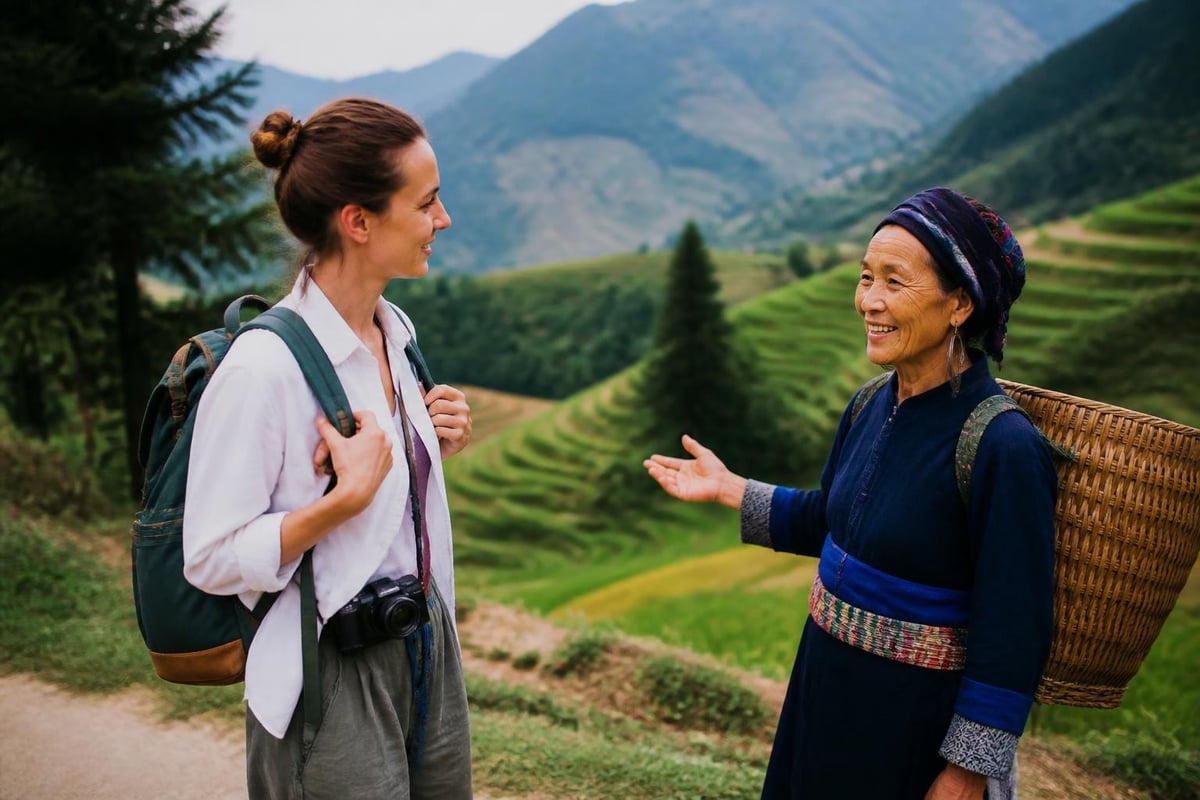
Where travelers spend money significantly impacts local communities. Supporting locally-owned businesses, fair-wage employment, and community development initiatives ensures journey and travel benefits extend beyond personal enjoyment.
Economically responsible travel choices:
- Book accommodations and services operated by local community members
- Purchase handicrafts directly from artisans when possible
- Eat at family-owned restaurants rather than international chains
- Hire local guides who provide employment and authentic insights
- Pay fair prices rather than aggressively bargaining on handicrafts
Understanding local economic contexts helps travelers make choices that genuinely support communities rather than extracting value while contributing minimally.
Risk Management and Travel Protection
Comprehensive preparation for journey and travel includes anticipating and mitigating potential risks. While maintaining spontaneity and openness, prudent travelers protect themselves through insurance, health precautions, and informed decision-making.
Insurance and Financial Protection
Travel insurance has evolved to address increasingly complex journey and travel scenarios. Understanding coverage options and selecting appropriate policies protects both finances and peace of mind.
Before purchasing travel insurance, consider these essential questions from consumer protection experts:
- What medical coverage limits and exclusions apply?
- Does the policy cover adventure activities you plan to undertake?
- What trip cancellation and interruption coverage is included?
- Are pre-existing medical conditions covered with proper documentation?
- Does coverage extend to remote areas you'll visit?
- What emergency assistance services are available 24/7?
Adequate insurance coverage provides the safety net that allows confident exploration while managing inevitable uncertainties of journey and travel.
Health and Safety Protocols
Maintaining health during journey and travel requires proactive planning and ongoing vigilance. Different destinations present unique health challenges, from altitude considerations to infectious disease risks, requiring tailored preparation strategies.
Standard health preparation includes:
- Destination-specific vaccinations administered with proper timing
- Prescription medications with backup supplies and documentation
- First aid supplies appropriate for planned activities
- Health insurance that covers international medical care
- Emergency contact information including local medical facilities
Physical preparation also enhances journey and travel enjoyment. Activities like trekking in Bhutan demand cardiovascular fitness and altitude acclimatization that benefit from pre-departure training.
Seasonal Considerations and Timing
The timing of journey and travel profoundly influences available experiences, weather conditions, crowd levels, and cultural events. Strategic scheduling maximizes opportunities while avoiding constraints that diminish journey quality.
Festival and Cultural Event Planning
Cultural festivals offer unparalleled windows into traditions, celebrations, and community life. Planning journey and travel around significant cultural events provides access to experiences unavailable during ordinary periods.
Bhutan's rich festival calendar includes remarkable events like the Paro Tsechu, Punakha Tsechu, and specialized celebrations such as the Black-Necked Crane Festival, each offering unique cultural insights and celebratory atmospheres.
Weather and Natural Phenomena
Climate patterns dictate both accessibility and experience quality across different regions. Understanding seasonal variations helps travelers align journey and travel timing with their priorities and tolerance levels.
| Season | Advantages | Challenges | Best For |
|---|---|---|---|
| Spring (Mar-May) | Mild weather, blooming flowers, clear mountain views | Occasional rain, moderate crowds | Trekking, photography, festivals |
| Summer (Jun-Aug) | Lush landscapes, fewer tourists in some regions | Monsoon rains, trail conditions | Cultural immersion, lower elevations |
| Autumn (Sep-Nov) | Optimal weather, excellent visibility, harvest season | Peak tourist season, higher demand | Trekking, festivals, photography |
| Winter (Dec-Feb) | Clear skies, minimal crowds, unique festivals | Cold temperatures, some road closures | Cultural depth, winter sports |
Aligning journey and travel timing with personal preferences and destination characteristics ensures optimal experiences while managing weather-related constraints effectively.
Post-Journey Integration and Continued Learning
The conclusion of physical journey and travel marks the beginning of integration, where experiences transform into lasting wisdom, changed perspectives, and continued connections. Thoughtful post-journey practices extend the value of travel far beyond return dates.
Knowledge Sharing and Advocacy
Sharing journey and travel experiences serves multiple purposes: preserving personal memories, inspiring others, and advocating for destinations and causes encountered during travels. Responsible sharing honors places and people while encouraging others toward meaningful travel.
Effective sharing approaches include:
- Creating photo essays that tell coherent visual stories
- Writing detailed accounts that provide practical guidance for future travelers
- Supporting causes and communities encountered during journeys
- Maintaining connections with local people through correspondence
- Advocating for sustainable tourism practices and cultural preservation
These practices transform journey and travel from isolated personal experiences into contributions to broader understanding and positive change.
Ongoing Cultural Connection
Maintaining engagement with destinations after physical departure deepens initial experiences and creates lasting relationships. Learning destination languages, following cultural developments, supporting local initiatives, and planning return visits all extend journey and travel impact.
The philosophy behind Gross National Happiness exemplifies concepts that travelers can integrate into daily life long after their journeys conclude, demonstrating how destination wisdom transcends geographical boundaries.
Personalization and Individual Journey Design
No two travelers share identical priorities, interests, or physical capabilities. Recognizing that effective journey and travel design must account for individual circumstances, preferences, and goals separates mediocre experiences from transformative ones.
Matching Experiences to Personal Goals
Clarity about journey objectives guides every decision from destination selection through daily activity choices. Whether seeking spiritual growth, physical challenge, artistic inspiration, or family bonding, aligning experiences with goals ensures satisfaction and meaningful outcomes.
Common journey and travel motivations include:
- Cultural education and cross-cultural understanding
- Physical challenges and outdoor adventures
- Spiritual development and contemplative practices
- Creative inspiration and artistic expression
- Family bonding and intergenerational experiences
- Professional development and specialized learning
Understanding your primary motivations helps prioritize activities, select guides, and structure time in ways that maximize relevant opportunities while minimizing misaligned activities.
Accessibility and Inclusive Travel
Journey and travel experiences should accommodate diverse physical abilities, dietary requirements, age ranges, and personal circumstances. Inclusive travel planning ensures everyone can access transformative experiences regardless of individual limitations or requirements.
Progressive tour operators recognize that personalized attention and flexible itinerary design serve travelers far better than one-size-fits-all approaches. Taking one group at a time allows guides to adapt pacing, activities, and engagement styles to specific group needs and preferences.
The essence of meaningful journey and travel lies in intentional preparation, cultural respect, sustainable practices, and openness to transformation. These principles guide travelers toward experiences that enrich both their own lives and the communities they visit. When you're ready to embark on a thoughtfully designed journey that honors Bhutanese culture while providing personalized attention and authentic engagement, Bhutan Personal Tours and Treks offers the expertise and dedication to craft an experience aligned with your individual goals and values.